






Contents

FEBRUARY 2026
On the Cover: We explore financial strategies, literacy, and trends for the year ahead. Design by August Schwartz. What’s Up? Eastern Shore online at whatsupmag.com.
Arts & Culture
Events highlights activities to enjoy BY CALI SCHWERDTFEGER

Books offers lovely reads with Valentine’s in mind BY IA LOUISSE HORTON
Attractions explores African American history at local museums BY TYLER INGLE
Charity shares what’s new with Partners in Care Maryland BY LISA A. LEWIS
Features
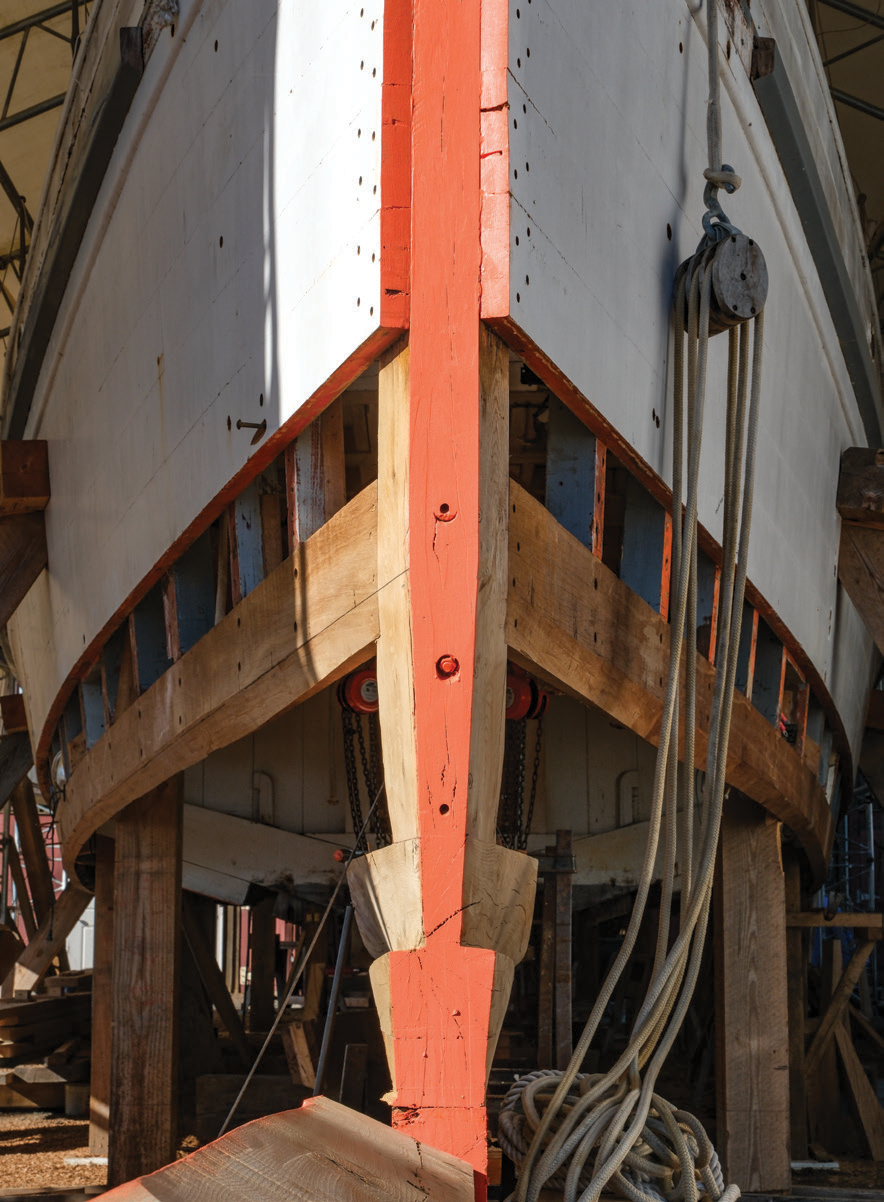
The Art of Wooden Boatbuilding discusses the history and preservation of this remarkable maritime trade BY LISA A. LEWIS

Your Financial Health in ’26 and Beyond offers smart to-dos for a strategic year, plus trends redefining the financial industry
2026 Home Excellence Awards showcases more than 30 exceptional interior and exterior home projects and whole builds in the Chesapeake Bay region
Busy Bees! is our 2026 Summer Camp Guide, featuring 25 elite programs
Home & Garden
Interior: Notes for Creating Lived-In Interiors BY LISA J. GOTTO
Garden: Let Us Now Praise Herbs! BY JANICE F. BOOTH

Health & Beauty
BY DYLAN ROCHE

Food & Dining
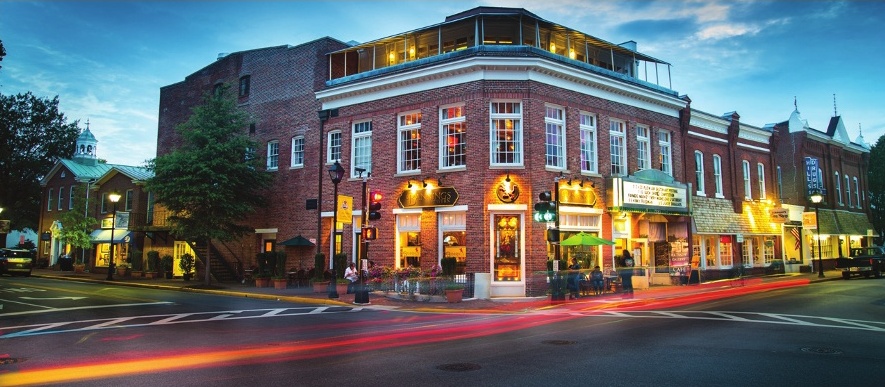
Simply Charming is our dining review of The IVY in Easton BY JAMES HOUCK
Readers’ Dining Guide offers local restaurant listings for your consideration

In Every Issue
COMING UP IN MARCH 2026
Wellness and Resort-Style Real Estate, Women Who’ve Made a Difference, Steeplechase Horse Racing




Arts & Culture
HIGHLIGHTING ENTERTAINMENT, COMMUNITY, AND EVENTS
ARTS & CULTURE • EVENTS
YARN & PRESSING STRINGS
Yarn & Pressing Strings bring an electrifying night of roots-driven sound to the Avalon Theatre on Saturday, February 28, 2026, with doors opening at 6:30 pm and the show starting at 7:00 pm. This high-energy double bill pairs Yarn’s Americana-tinged alt-country—honed over more than a decade of national touring and shared stages with legends like Dwight Yoakam and Alison Krauss—with the soulful, genre-blending power of Annapolis favorites Pressing Strings. Led by Jordan Sokel, Pressing Strings fuse blues grit, folk warmth, and rock urgency into songs that are as emotionally rich as they are irresistibly danceable. The orchestra level will be general admission standing room with the dance floor open, while mezzanine and upper balcony seats offer reserved seating for those who prefer to take it all in from above. It’s a rare chance to catch two beloved bands in one unforgettable, party-ready night at one of the region’s most iconic venues. More info and tickets: avalontheatre.com
THE 2026 CHESAPEAKE BAY BOAT SHOW
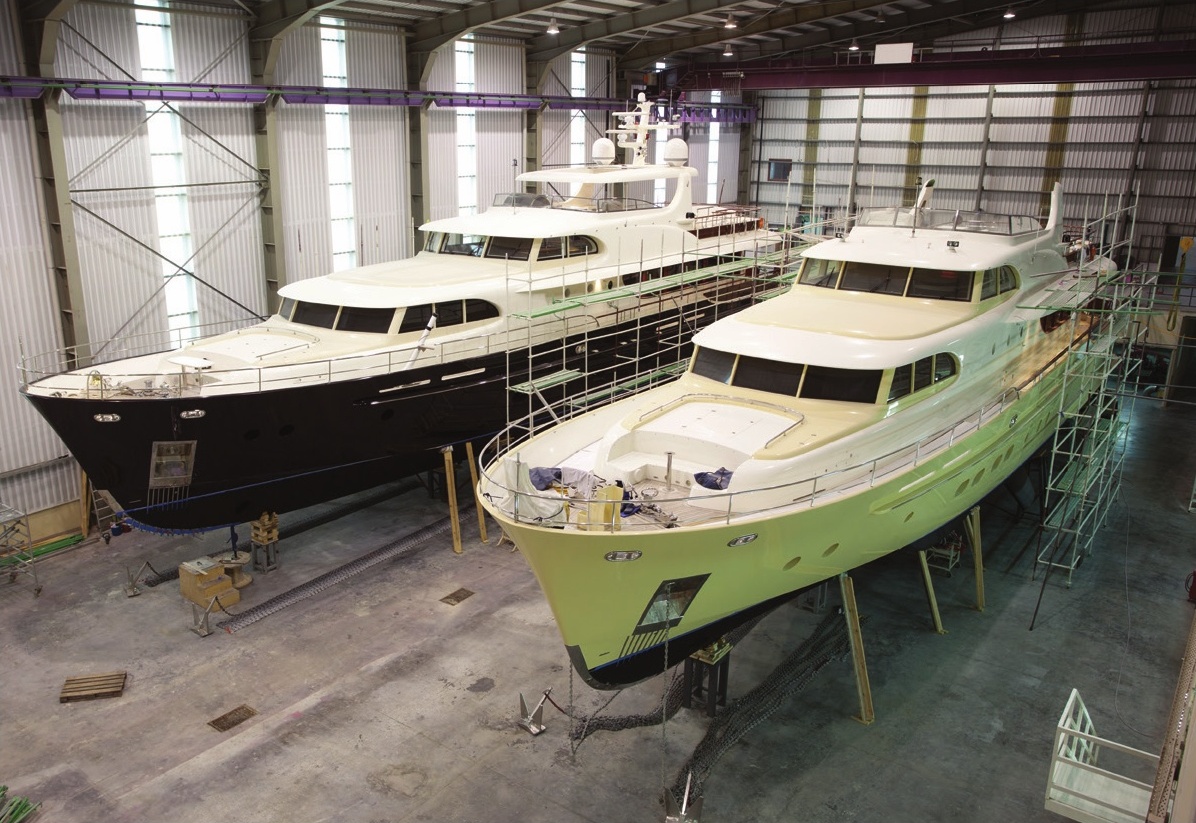
The Chesapeake Bay Boat Show returns to the Maryland State Fairgrounds Exhibition Hall in Timonium from February 5–8, 2026, bringing hundreds of boats and marine exhibitors together under one heated indoor roof. Explore sport fishing boats, cruisers, performance and ski boats, along with the latest marine gear and technology. The weekend also features fishing seminars, interactive exhibits, live music, food and drinks, and family-friendly activities, making it a great outing for seasoned boaters and curious newcomers alike. Show hours run Thursday (VIP Preview) 12–6 PM, Friday 10 AM–6 PM, Saturday 10 AM–7 PM, and Sunday 10 AM–4 PM. Free parking is available. More Info: thechesapeakebayboatshow.com
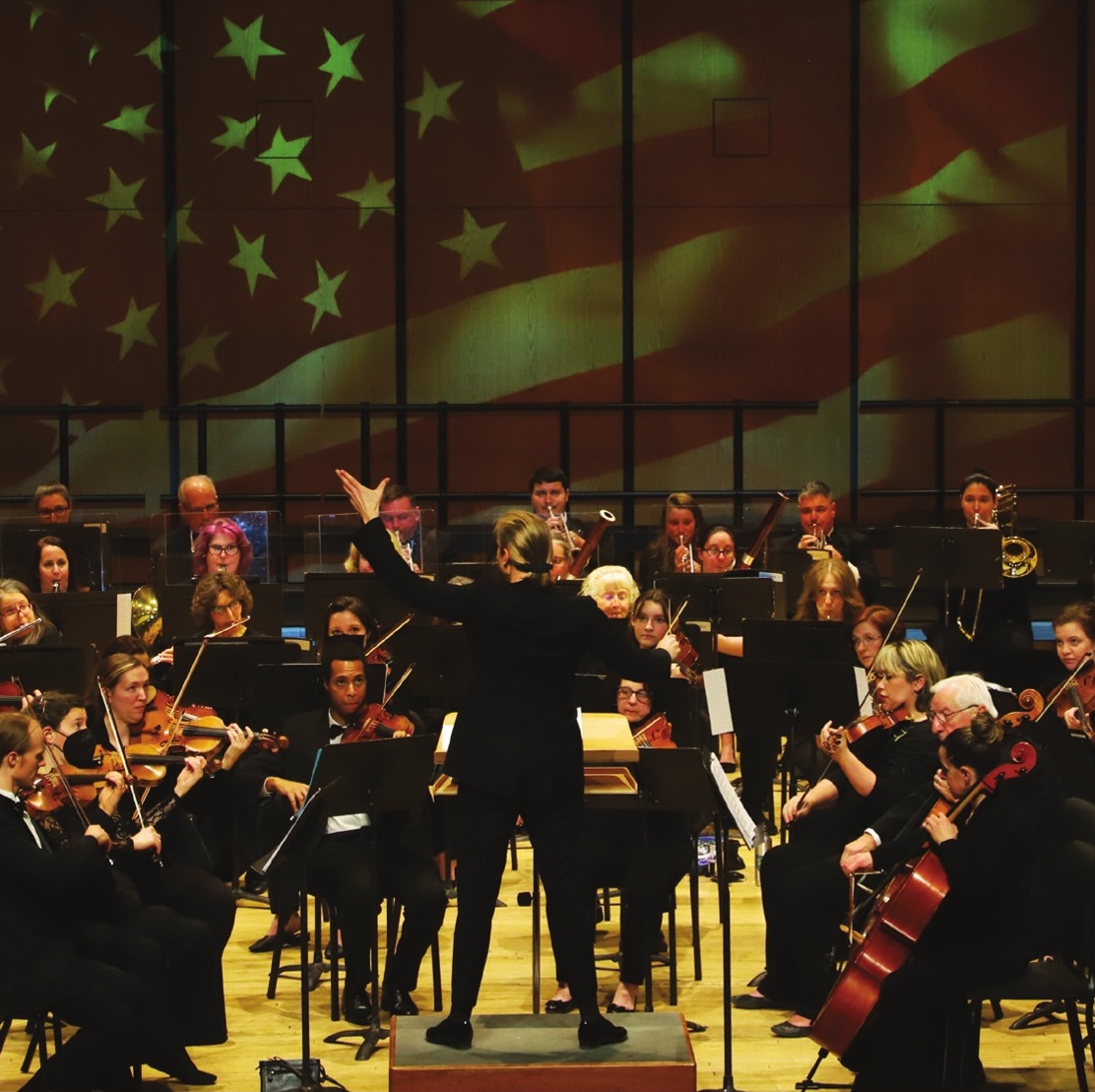

CASEY CARES SEA OF HOPE GALA
Step into an evening of ocean-inspired elegance at the Casey Cares Sea of Hope Gala, a signature celebration supporting critically ill children and their families. Taking place February 21, 2026, from 6:30 to 11:00 pm at the American Visionary Art Museum in Baltimore, the night blends meaningful purpose with unforgettable style. Guests will enjoy a beautifully curated gala experience while helping fund Casey Cares’ uplifting programs that create joy, comfort, and lasting memories for families facing serious illness. The evening also honors this year’s Champion of Children Award recipients—donors whose generosity has made a profound impact on the organization’s mission. Co-chaired by Todd Travis and Robert Weltchek, the gala invites guests to dress in cocktail attire or black tie optional and be part of a night where compassion, community, and hope take center stage. More info: caseycares.org/event/gala/


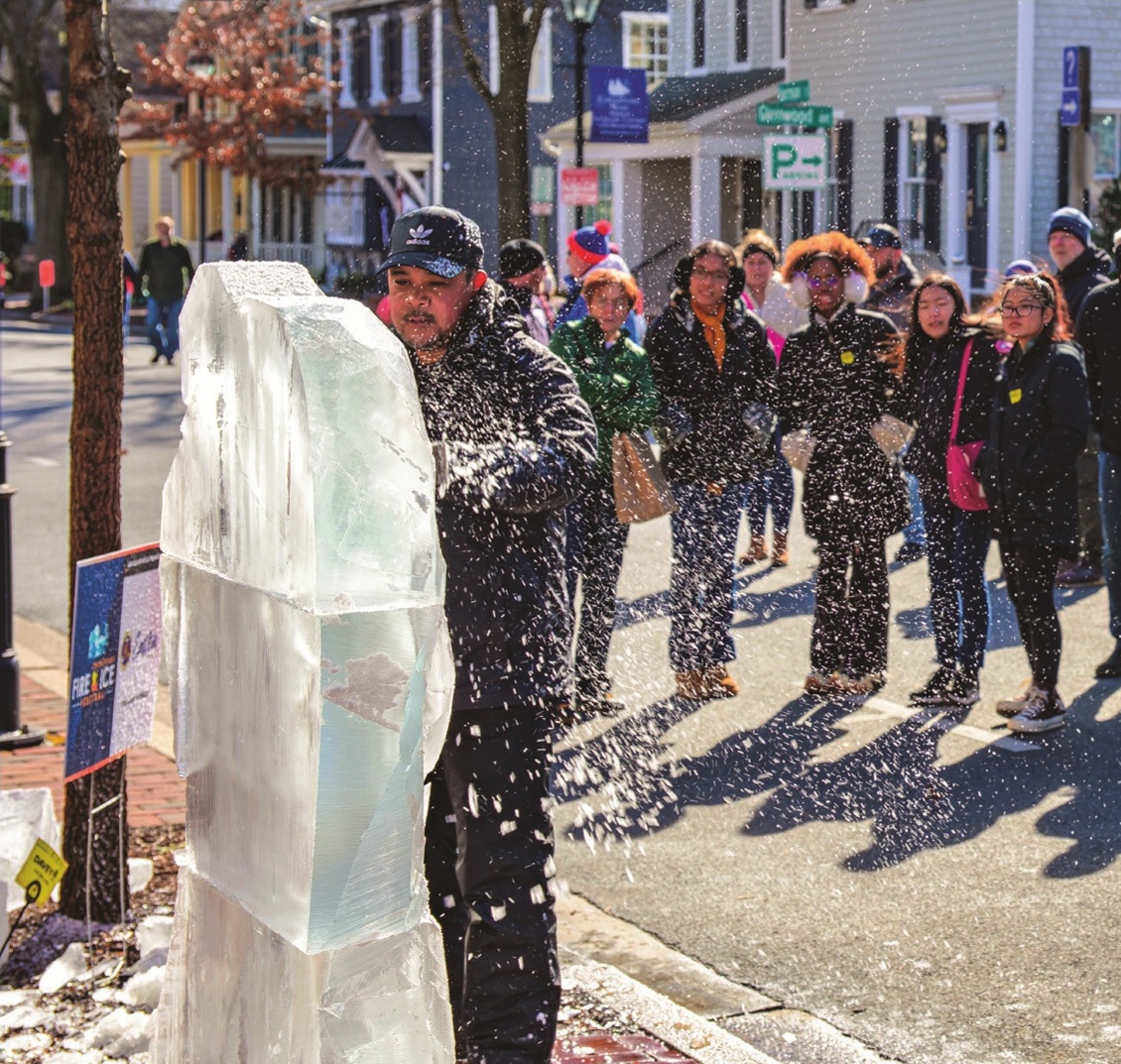
2026 CHESAPEAKE FIRE & ICE FESTIVAL
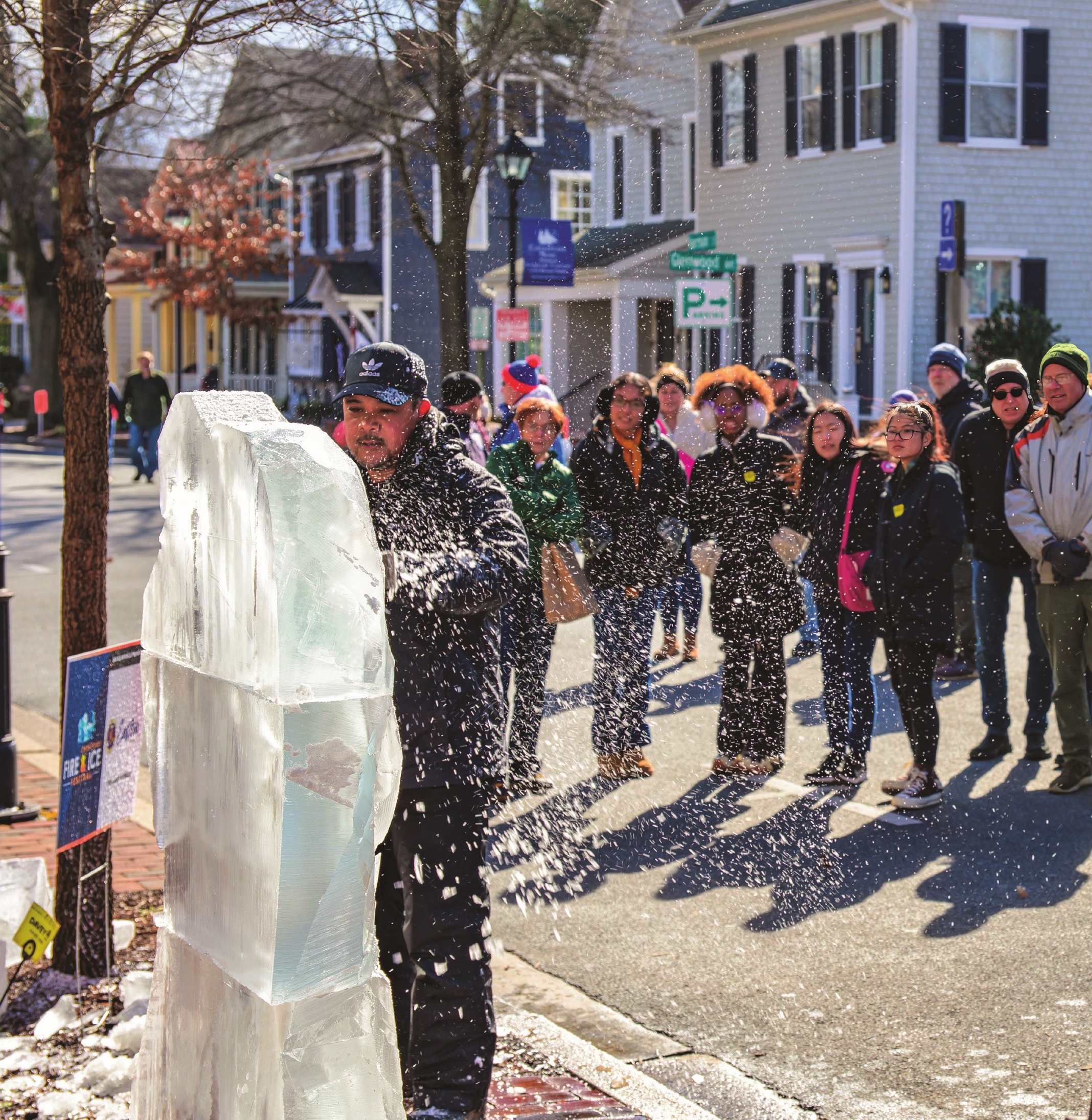
Chesapeake Fire & Ice returns to downtown Easton for a vibrant, family-friendly winter celebration on Friday and Saturday, February 20–21, 2026. Presented by the Preston Automotive Group, this free festival transforms the town with stunning, larger-than-life ice sculptures, live music, seasonal shopping, and special restaurant and lodging offerings. Guests can enjoy interactive ice displays and fiery entertainment as Cascading Carlos returns with crowd-pleasing fire juggling performances at Thompson Park. The popular Fire Trail adds to the fun with warm drinks, tasty bites, tastings, and shopping throughout downtown, creating a festive atmosphere that showcases Easton at its winter best. Festival hours are Friday from 5:00 PM to 9:00 PM and Saturday from 11:00 AM to 8:00 PM. More info: discovereaston.com/fireandice
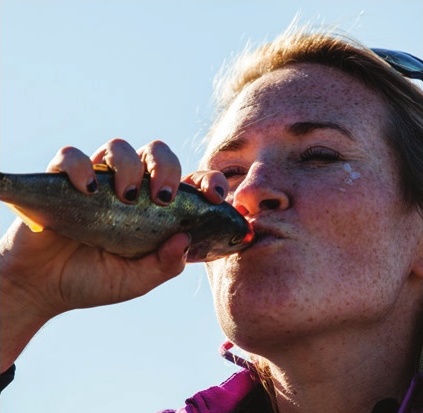
EXPLORE THE SHORE OUTDOOR EXPO
Set inside the beautifully restored Packing House, this one-day Outdoor Expo takes place on February 21 from 10:00am to 4:00pm and brings together outdoor brands, local businesses, and the community for an energetic celebration of adventure, skill, and Eastern Shore culture. Spend the day exploring hands-on gear demos, vendor exhibits, and informal clinics led by experienced outdoor experts, alongside live entertainment and family-friendly activities. Guests can sample craft food and beverages from local makers, enjoy a wild game culinary experience highlighting regional flavors, and connect with outfitters, guides, and conservation-minded organizations. The event also features an official Boone & Crockett and Pope & Young scoring and measuring opportunity, adding a unique draw for hunting and wildlife enthusiasts. It’s an immersive, laid-back day designed to inspire exploration and celebrate everything that makes outdoor life on the Shore special. More info: thepackinghousecambridge.com/outdoor-expo
ARTS & CULTURE • BOOKS

February Reads
VALENTINE’S STORIES FOR EVERY KIND OF HEART
F or this February/Valentine’s issue, I chose books that made me feel something—books I wanted to press into a friend’s hands and say, “Read this. Trust me.” These stories are romantic, yes, but they’re also comforting, honest, and occasionally a little heartbreaking in the best way. Whether you’re happily coupled, cautiously hopeful, or perfectly content on your own, there’s something here worth falling into.

Get a Life, Chloe Brown by Talia Hibbert
Chloe Brown is a chronically ill web designer who decides to “get a life” by creating a list of bold, life-changing goals. Enter Redford Morgan, her grumpy yet secretly soft-hearted superintendent, who becomes an unexpected ally—and more—as Chloe steps outside her comfort zone. What I loved about this book is how real and refreshing it feels. The romance is tender and funny, but it never overshadows Chloe’s journey toward self-acceptance and independence. It’s a love story that honors boundaries, growth, and emotional honesty—and that makes it incredibly satisfying.

Love & Other Words by Christina Lauren
Told through alternating timelines, this novel follows Macy and Elliot, childhood friends turned first loves who drift apart after a devastating misunderstanding. Years later, fate brings them back together, forcing them to confront the past they never truly healed from. This book quietly broke my heart and stitched it back together again. It captures the ache of young love and the lingering weight of words left unsaid. Emotional and deeply nostalgic, it’s a reminder that some loves don’t fade—they just wait for the right moment to be understood.
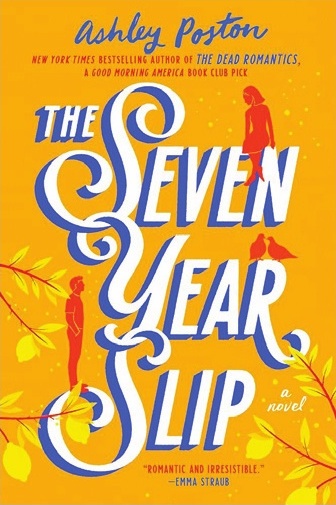
The Seven Year Slip by Ashley Poston
Clementine inherits her aunt’s apartment, only to discover it exists in two timelines. When she meets Iwan—who is living seven years in the past—their connection unfolds across time, forcing them to navigate love, loss, and impossible timing. This book feels like a warm hug with a quiet ache underneath. Ashley Poston has a way of blending whimsy with emotional depth, and this story is no exception. It’s romantic without being over-the-top, thoughtful without being heavy, and perfect if you love love stories with a magical twist.

Sounds Like Love by Ashley Poston
Joni Lark is stuck—creatively and emotionally—until a chance encounter opens the door to connection, music, and unexpected romance. Set in a small town filled with heart and nostalgia, this story explores how love can find us when we’re least prepared for it. This one feels deeply comforting. It’s about creativity, healing, and embracing the opportunity to be seen. I loved how gentle the romance felt, grounded in emotional safety and shared understanding. It’s the kind of book you want to read curled up on the couch with a cup of tea.

Me Before You by Jojo Moyes
Louisa Clark takes a job caring for Will Traynor, a once-adventurous man left paralyzed after an accident. What begins as an unlikely companionship slowly deepens into a relationship that challenges both of them to rethink love, independence, and what it means to truly live. This book stayed with me long after I finished it. It’s tender, heartbreaking, and honest about loving someone without trying to save or change them. Not an easy read emotionally, but one that stay with you long after you’re done reading—and quietly reshapes the way you think about love.

One Day by David Nicholls
Following Emma and Dexter over the course of twenty years, this novel revisits the same day—July 15th—each year, capturing how friendship, timing, and love evolve as life moves forward in unexpected ways. This story feels incredibly human. Messy, frustrating, hopeful, and painfully real. It reminds me that love isn’t always about perfect timing or grand gestures, but about a connection that refuses to fade. It’s the kind of book that sneaks up on you and stay with you long after you’re done reading.

ARTS & CULTURE • ATTRACTIONS
African American History Museums and Sites
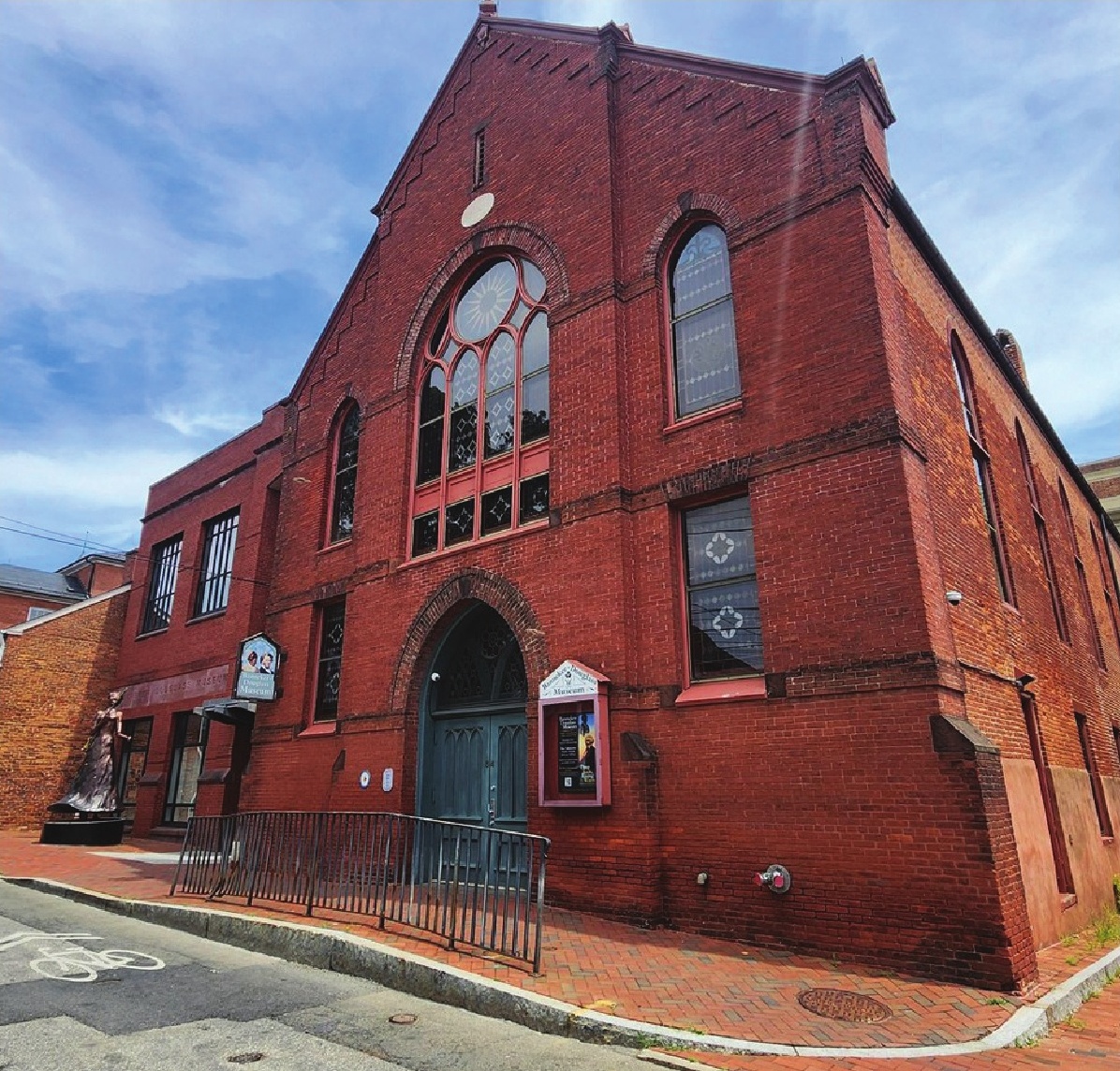
Banneker-Douglass-Tubman Museum
T he Chesapeake region is home to a remarkable concentration of museums, landmarks, and cultural sites that illuminate the richness and resilience of African American history. This area has long served as a crossroads of Black political, artistic, and social movements, reflecting both the struggles and triumphs that have shaped the nation’s story. The region offers a living archive of the Black experience across centuries. Visitors can trace powerful connections between the past and present while walking the same grounds where enslaved people sought freedom, civil rights leaders rallied for justice, and artists redefined American culture through creativity and courage.
Explore the DMV’s network of African American museums and heritage sites that honor the generations whose legacies continue to define what it means to seek freedom, belonging, and truth in the heart of the nation’s capital.
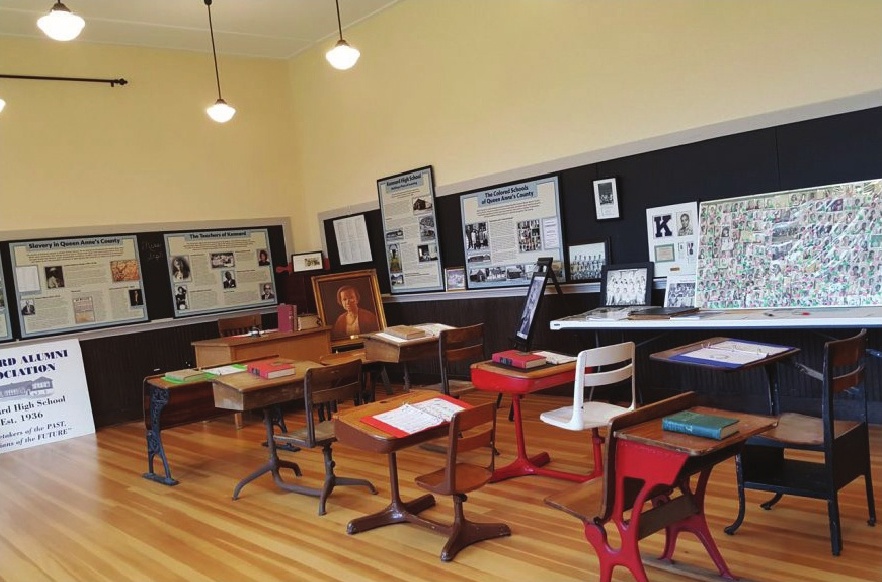
Kennard African American Cultural Heritage Center
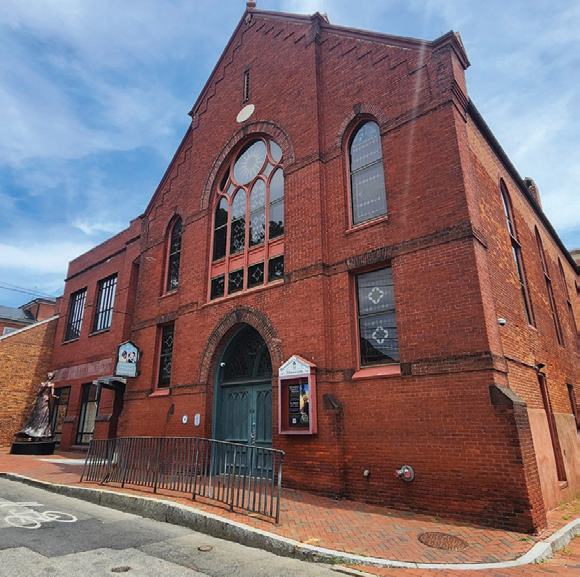
The Banneker-Douglass-Tubman Museum in Annapolis is the state’s official museum of African American history and culture. Established in 1984, this museum’s building is located in what was once the Mount Moriah African Methodist Episcopal Church, built in 1874. Named for African American Maryland icons Benjamin Banneker, Frederick Douglass, and Harriet Tubman, this spot serves to better understand and appreciate America’s rich cultural variety for everyone by documenting, interpreting, and promoting African American history and culture through exhibitions, activities, and projects. Black History 365 is an ongoing collection of artwork and events that showcase the history, legacy, and contributions of Black Marylanders. Here, a cooperative effort including county and state-wide groups celebrates culture and excellence all year long. Learn more at bdmuseum.maryland.gov.
Staying in Annapolis, the Wiley H. Bates Legacy Center is part of a $27 million dollar complex renovation of Wiley H. Bates High School. For more than thirty years (1933–1966), Wiley H. Bates High School served as the sole African American high school in Annapolis and Anne Arundel County. Today, the legacy center provides insights and perspectives of the roles education, economic opportunity, and service played in the school community. This nonprofit organization acts as a benchmark for community understanding and revitalization. This spot is highlighted by its event space, which hosts meetings for groups such as the Caucus of African American Leaders and Annapolis Alumnae Chapter Delta Sigma Theta. Different memberships are available, from the basic Alumni Membership ($25) and Regular Membership ($50) to the Institutional Membership ($100) and Charter Life Membership ($500). All contributions are tax deductible, as it is a nonprofit. Learn more at whbateslegacycenter.org.
Venture out a bit further and you will find the Kennard African American Cultural Heritage Center (KAACHC), located in Centreville. With the establishment and opening of (KAACHC), a small group of people were able to launch a grassroots initiative to revitalize and restore the original Kennard High School and create a community center. In addition to its African American History Museum within, this facility has developed into the center for events and programs related to African American history. In the 1960s, Kennard High was the lone secondary school for African American students in Queen Anne’s County. Home to the African American History Museum, KAACHC focuses on the years that Kennard High was in operation and documents African American life in Queen Anne’s County. Pictures and artifacts showcasing African American culture in education, employment, the military, business, and civic life during that era can be found in the museum’s exhibits alongside recorded histories of KHS students, instructors, and locals. Learn more at kennardheritage.com.


Harriet Tubman Underground Railroad National Historical Park
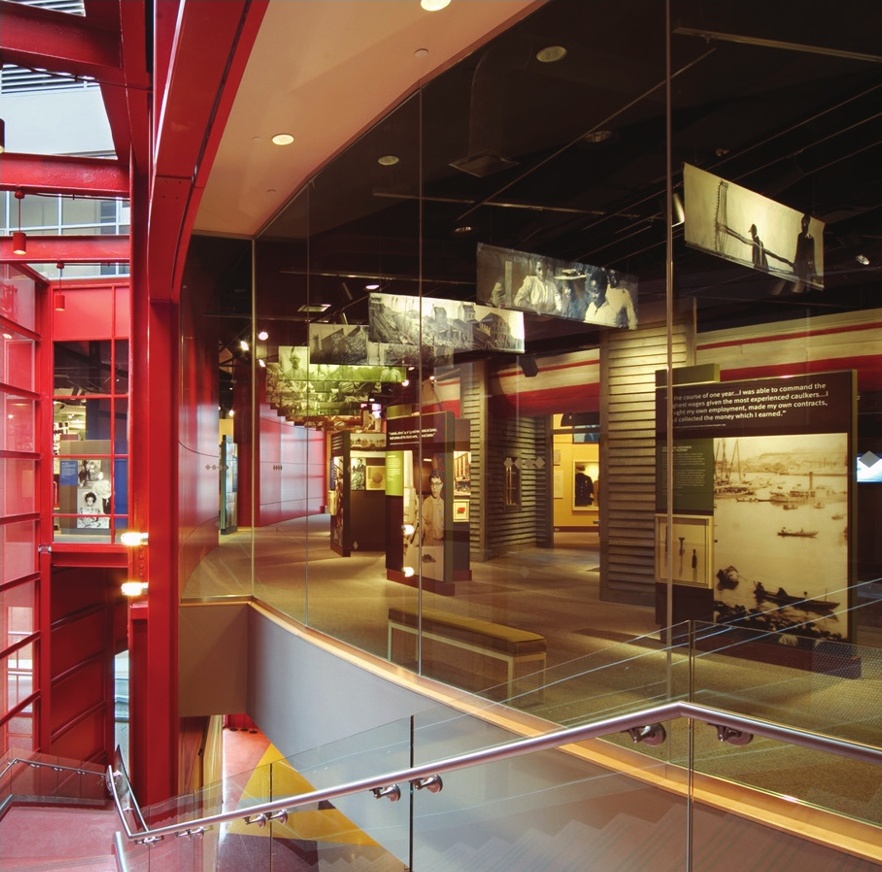
Reginald F. Lewis Museum
Paying homage to one of the most renowned people in African American history, the Harriet Tubman Underground Railroad National Historical Park in Church Creek (south of Cambridge) preserves Tubman’s legacy with historical landmarks, a museum, film, and exhibits. Harriet Tubman was a profoundly spiritual woman who devoted her life to freedom. She frequently put her life in danger, notably following the Fugitive Slave Act of 1850, to lead over seventy enslaved people north to new lives of freedom, becoming the most well-known conductor on the Underground Railroad. Entrance is free and does not require any entry pass or reservation. Learn more at nps.gov/hatu/index.htm.
The Reginald F. Lewis Museum, named after Reginald F. Lewis, who has been widely praised for being the first African American to start and run a billion-dollar business, is situated in the heart of downtown Baltimore. The permanent collection of artifacts at the Lewis Museum spans more than 400 years, with continual pop-up displays, special events, and rotating exhibits. Running during the entirety of 2026, iWITNESS: Media & The Movement boasts an intriguing show that explores the ways in which media, including radio, television, photography, and the press, influenced the contemporary American Civil Rights Movement. February 21st will see a three-hour panel discussion, Beyond the Scoreboard: The Baltimore Black Sox and the Negro Leagues’ Civil Rights Legacy, honoring the history of the Baltimore Black Sox, one of the city’s first Negro League baseball teams, and their influence on the Civil Rights Movement. Learn more at lewismuseum.org.
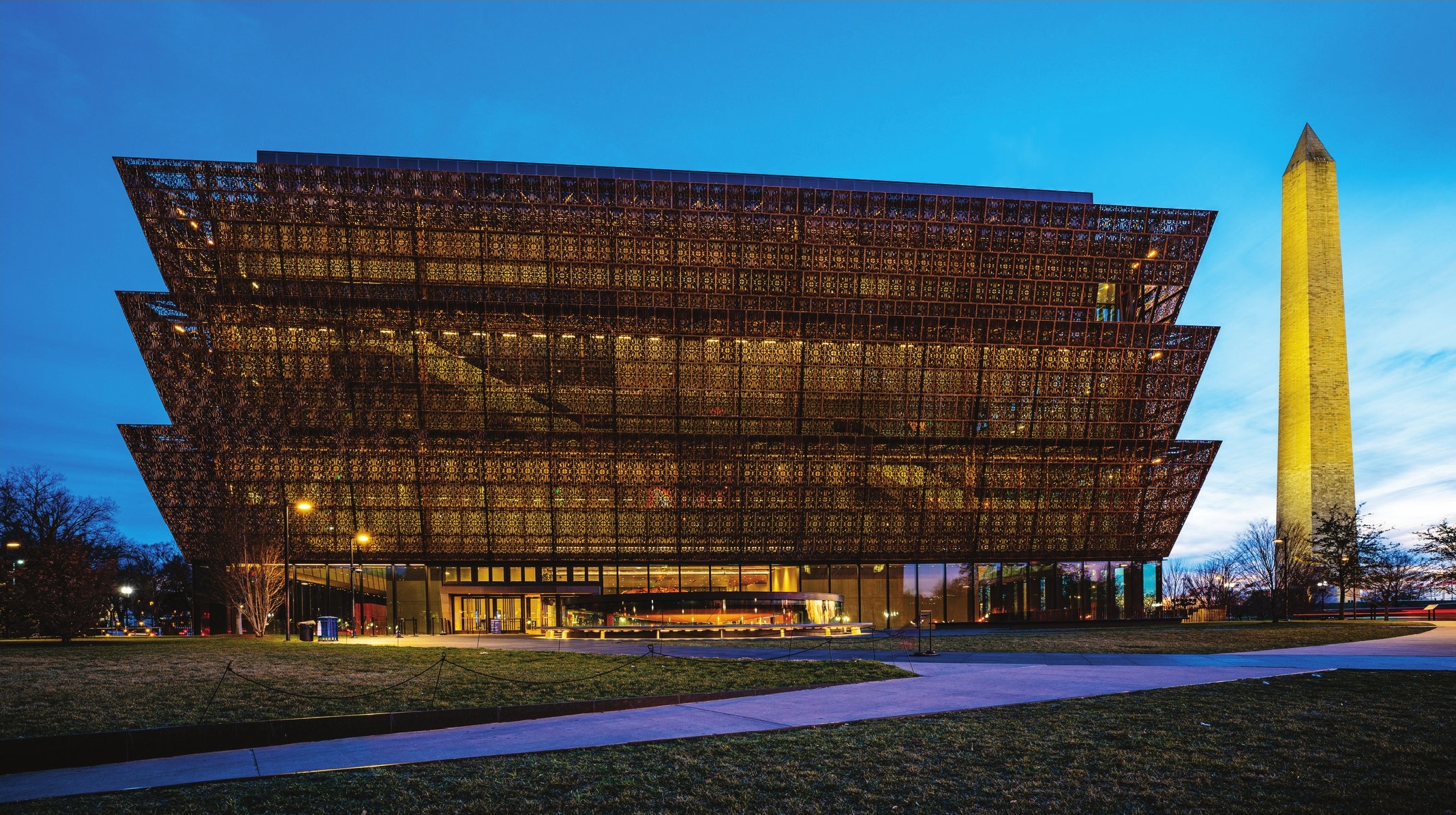
National Museum of African American History and Culture
One of the most recent additions to the Smithsonian portfolio (opening in 2016), the National Museum of African American History and Culture (NMAAHC) in Washington, D.C., is the only national museum dedicated solely to recording African American life, history, and culture. With 40,000 objects that have been acquired by the museum to date, the NMAAHC depicts and disseminates the unadulterated reality of African American culture and history. At the Vanguard, opening mid-January 2026, will run until mid-July 2026 and use collections from Tuskegee University, Florida A&M University, Jackson State University, Texas Southern University, and Clark Atlanta University to tell tales of creativity, resourcefulness, and resistance. Learn more at nmaahc.si.edu.

National Great Blacks in Wax Museum, Photo by Brett Davis.
One of the few museums in the U.S. dedicated solely to African American artwork, the African American Art Museum of Maryland (AAMM) in Columbia was founded in 1980. The museum showcases priceless artifacts around the world, including from traditional communities in Senegal, Somalia, Morocco, and South Africa, while also providing a variety of experiences, such as video presentations during outreach and in-museum events. The African Experience Tour (AET) is a hands-on art experience that includes videos and demonstrations, including an “Art Hunt.” The museum also highlights a new artifact every month as part of its Short Talks series, which includes an audio narrative by Mrs. Doris Ligon, a co-founder of the museum. Learn more at africanartmuseum.org.
The National Great Blacks in Wax Museum, located in East Baltimore, serves to inspire and stimulate interest in African American history through immersive exhibits, creative storytelling, and interactive experiences. Significant stories of accomplishment are acknowledged and honored through immersive displays and educational initiatives, depicted in the museum’s wax figures. The exhibits demonstrate crucial roles in history and span the Western frontier, polar exploration, and even the space race. Learn more at greatblacksinwax.org.
The Chesapeake’s African American museums and heritage sites remind visitors that history is not distant or abstract, but present in the streets, classrooms, and spaces of everyday life. These institutions preserve hard truths, celebrate extraordinary achievements, and create welcoming spaces where dialogue, learning, and connection can flourish year-round. As you plan your next outing, consider adding one of these museums or cultural centers to your itinerary.



ARTS & CULTURE • CHARITY
Partners In Care Maryland, Inc.
FOSTERING A SENSE OF CONNECTION AND COMMUNITY
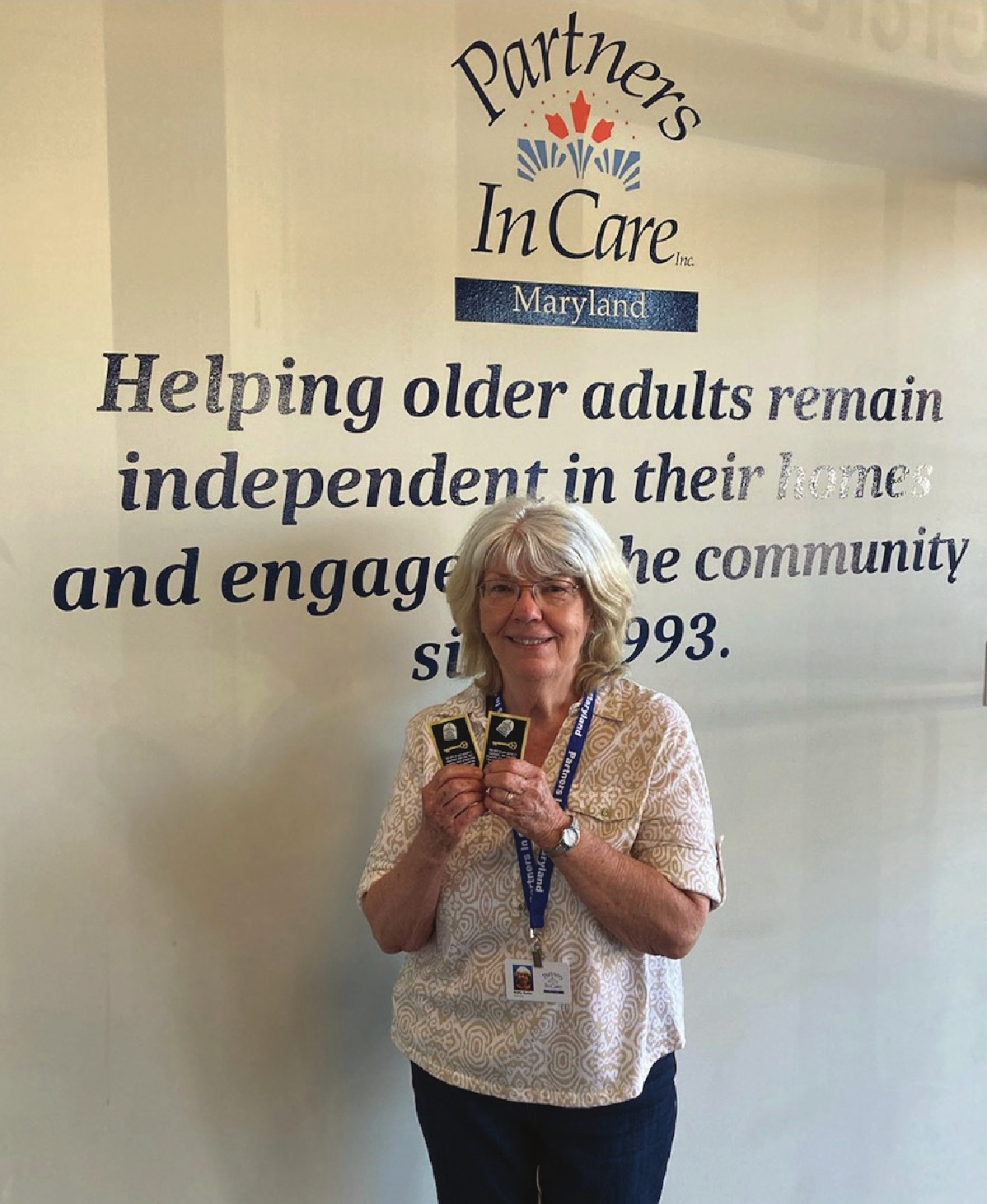
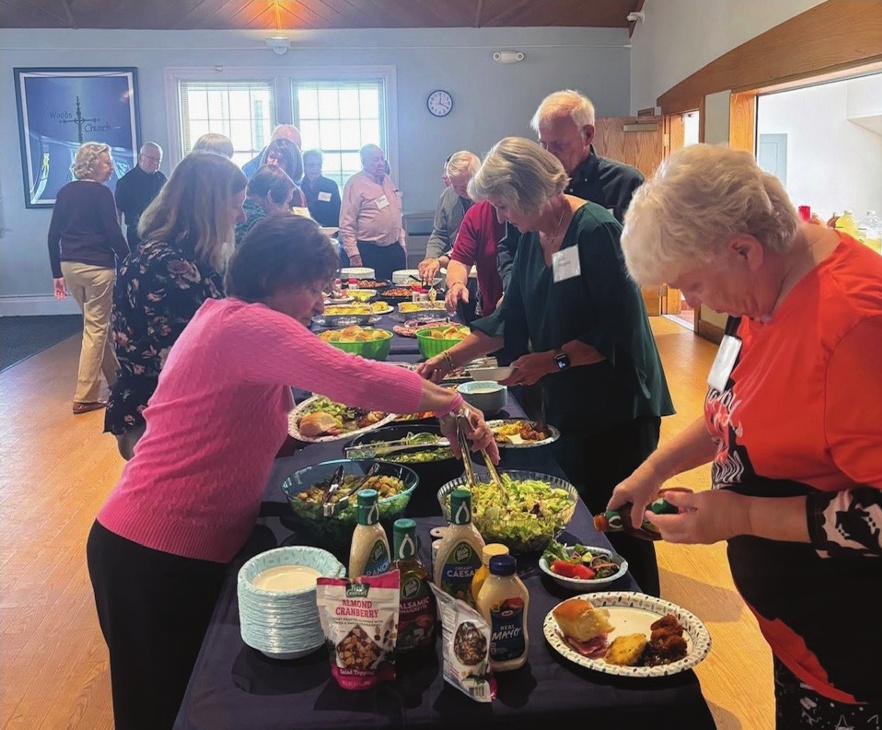
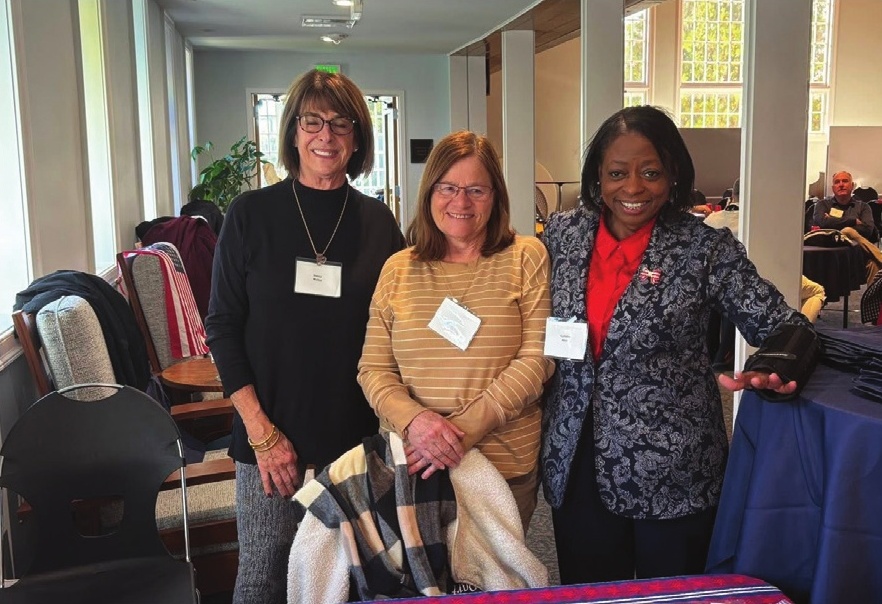
W hen Kathy Butler and her husband retired, they decided to become members of Partners In Care Maryland, Inc. (PIC), a volunteer-based nonprofit organization that empowers older adults to maintain their independence and stay active in the community. Butler, who had heard about PIC several years ago from a neighbor, was impressed with the organization’s mission, and she was excited to learn how she and her husband could participate.
“During the orientation, we learned so much about the organization, and we were happy to volunteer,” Butler says. “Not only were we helping others, but we also benefited greatly. Volunteering gave us the opportunity to meet so many people and make valuable friendships. We are grateful to be a part of the Partners In Care team.”
“VOLUNTEERING GAVE US THE OPPORTUNITY TO MEET SO MANY PEOPLE AND MAKE VALUABLE FRIENDSHIPS. WE ARE GRATEFUL TO BE A PART OF THE PARTNERS IN CARE TEAM.”
Founded in 1993, PIC, now a trusted leader in home support services for older adults, is dedicated to helping members live independently in their own homes, develop meaningful connections, and thrive. Rooted in the mission of Neighbors Helping Neighbors, the organization empowers members from all backgrounds through programs that foster social connection. Its unique service exchange model allows members to bank time by lending their support to other members. When they reach 60-plus, they can utilize PIC’s services, creating a strong, mutually supportive community where everyone has something valuable to offer.
Everyday tasks, such as going to medical appointments, running errands, or making basic household repairs, can seem overwhelming for older adults. But by providing the opportunity to give and receive assistance, PIC offers members a sense of fulfillment that helps them feel connected to the community and build relationships.
“We help older adults age in place with dignity and respect,” says Amy Van Orden, director of operations, PIC. “Each of our members contributes their time and talent based on their individual abilities and needs. When they provide support services, such as a ride, home repair, or a friendly phone conversation, to a neighbor, they earn time credits that they can then use when they need assistance.”
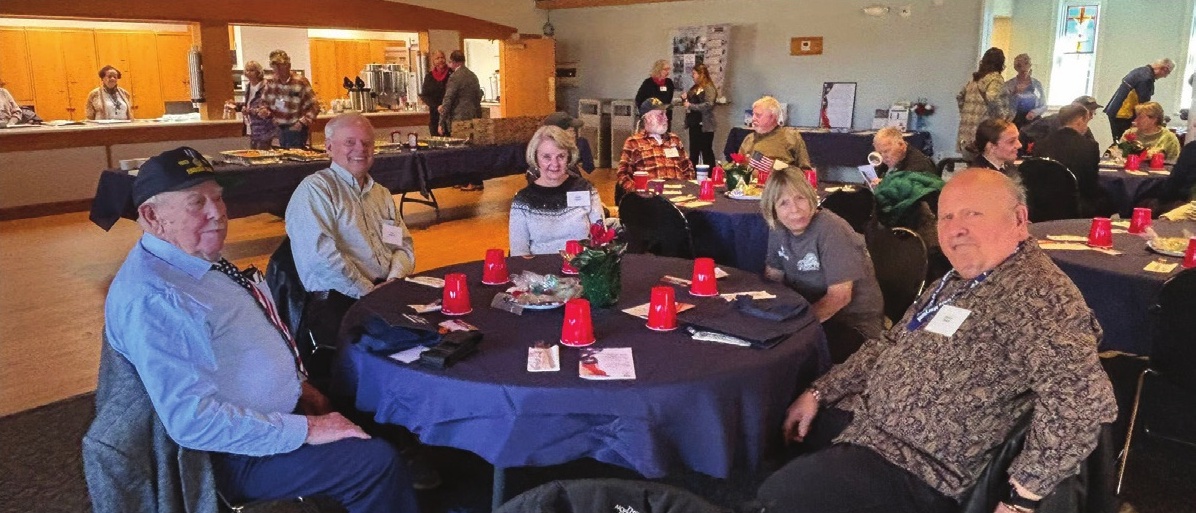
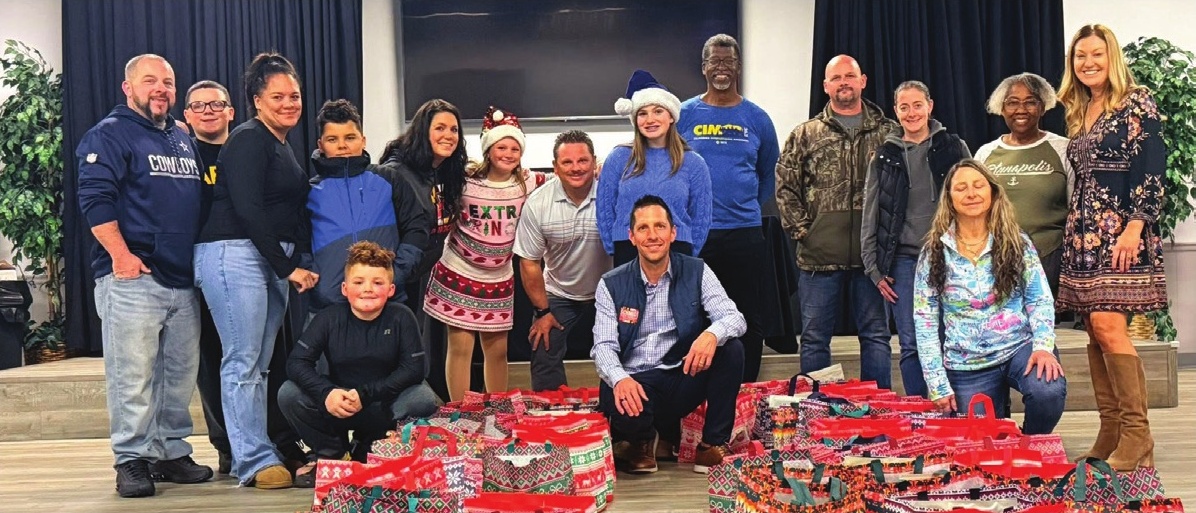
EMPOWERING PROGRAMS
With locations in Pasadena, Frederick, and Easton, PIC offers volunteer programs that support its members and promote a sense of community across the Chesapeake Bay region.
The Ride Partners program provides reliable, safe transportation for members who no longer drive. Not only does the program help eliminate the stress of arranging a ride, but it also offers connection and friendly conversation.
A safe home is critical to living independently. The Repairs with Care home handyman program helps members with minor household repairs and maintenance—from repairing leaky faucets to installing grab bars.
The Member Care program provides support services that help members connect with others. From friendly phone calls and home visits to social opportunities, the program helps members build friendships and community.
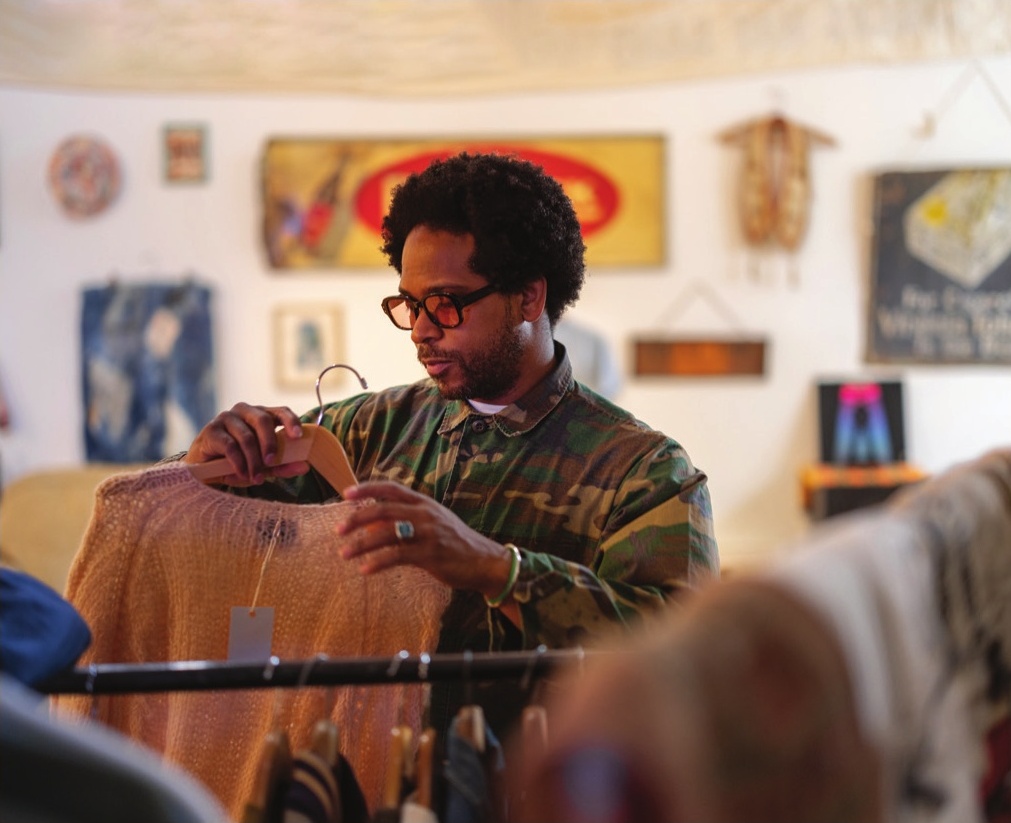
In addition to these impactful programs, PIC also operates two upscale resale boutiques, which offer clothing, home goods, furniture, accessories, and other select items at affordable prices. Items are donated by members of PIC and the local community, and proceeds support the organization’s programs.
“Our main goal is to prevent social isolation among older adults,” Van Orden says. “Providing support services to others may just seem like small acts of kindness, but our programs really make a difference in our members’ lives. It’s not about the ride; it’s about creating a sense of belonging and self-worth. Our staff, donors, and members are one big family.”
A NEW CHAPTER
According to a press release issued on October 23, 2025, by Hospice of the Chesapeake, Maryland’s largest independent nonprofit hospice organization, PIC recently joined its family of services under a newly formed umbrella organization, Chesapeake Health Partners. This incorporation represents a milestone in the organizations’ shared mission to serve Maryland’s aging population with compassion, dignity, and connection. PIC will retain its name, mission, and volunteer-driven programs.
“Maryland’s aging population deserves care that goes beyond the basics,” says Becky Miller, president and CEO of both Hospice of the Chesapeake and Chesapeake Health Partners. “This collaboration means more coordinated care, more connection, and more independence for the people we serve. Together, we’re creating a future where every older adult in Maryland has what they need to live well and age with dignity.”
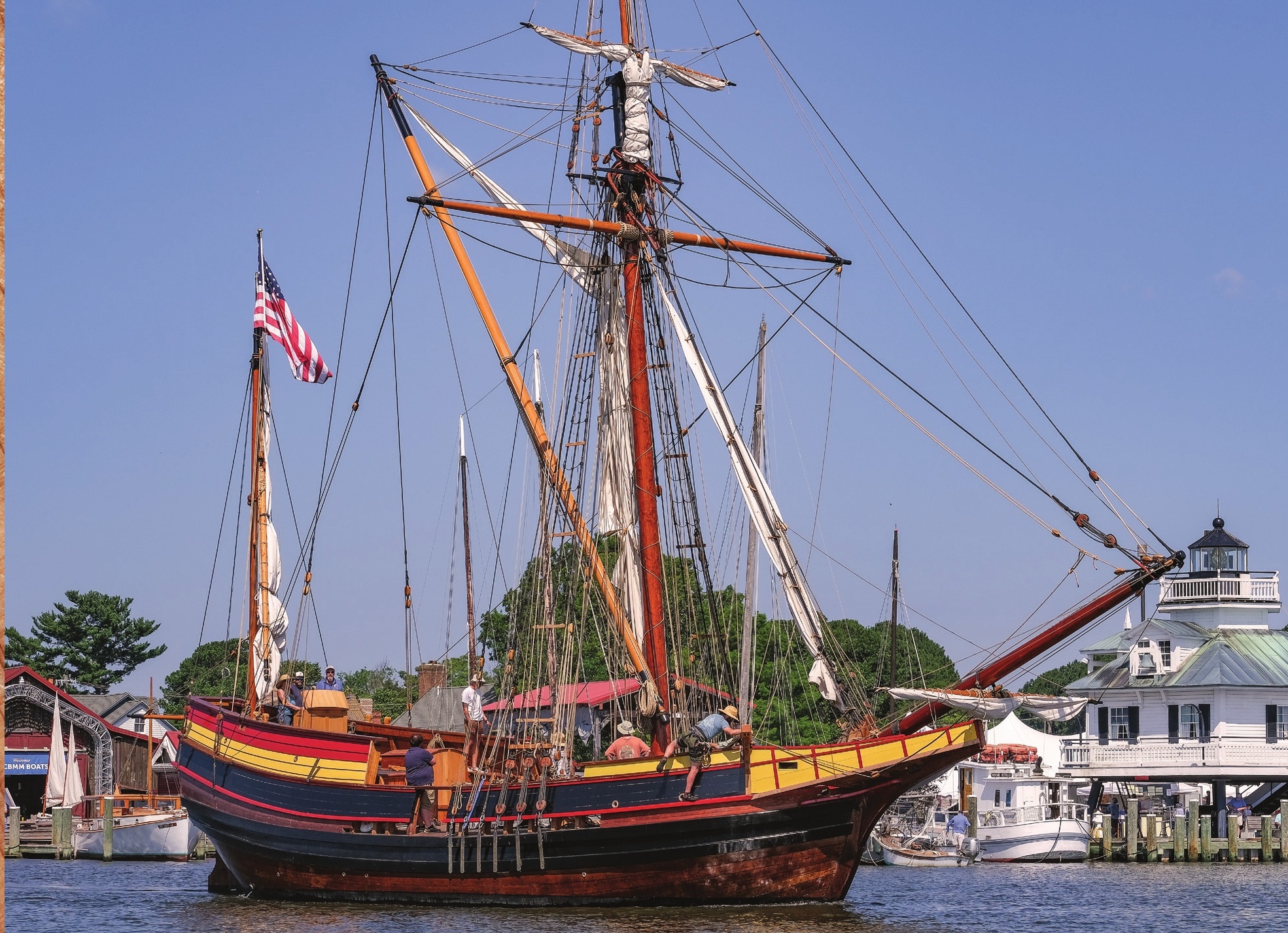
The Maryland Dove sets sail from the Chesapeake Bay Maritime Museum (background) en route to Historic St. Mary’s City. Photograph by George Sass, courtesy Chesapeake Bay Maritime Museum.
CHESAPEAKE TRADITIONS ARTICLE SERIES
The Art of Wooden Boatbuilding
Preserving Maryland’s iconic maritime heritage
W hen visitors to Historic St. Mary’s City, a living museum of history and archaeology, step aboard Maryland Dove, a replica of the 17th-century trading ship Dove, they not only immerse themselves in the rich history of the colonial era, but they also gain an appreciation for the craftmanship of wooden boatbuilding. An homage to the original ship, Maryland Dove serves as a critical reminder of the past and celebrates the establishment of the Maryland colony.
Embarking on a historic voyage in 1633, the Dove accompanied the Ark, a merchant ship that transported about 140 English settlers to what is now known as Maryland. The pair of ships arrived in St. Clement’s Island in the Potomac River on March 25, 1634, and, shortly after, the colonists established St. Mary’s City as the first settlement and first capital. Today, Marylanders celebrate Maryland Day every year on March 25 to commemorate the anniversary of the arrival of the Dove and the Ark.
So, when the Historic St. Mary’s City Commission selected the Chesapeake Bay Maritime Museum (CBMM) to build a brand-new replica of Maryland Dove in 2018, the team was excited about the project, which offered them the opportunity to construct a significant symbol of Maryland’s cultural and maritime heritage. The museum’s working shipyard and its team’s expertise in building historic ships and utilizing traditional wooden boatbuilding skills made CBMM an ideal fit for the project.
A reconstruction of an earlier replica, which was built in 1978, the current Maryland Dove represents three years of construction (2019–2022) and incorporates decades of new research—allowing for a more historically accurate ship than the original Maryland Dove.
“Building Maryland Dove was an ambitious undertaking—a collaborative effort that brought together the skills and talents of several experts in their respective fields,” says Sam Hilgartner, vessel conservation manager at CBMM, who served as the lead rigger on the project. “A ship tells a story, and our challenge was to construct a vessel that reflected the original time frame and maintained its structural integrity. It’s a meticulous process, and attention to detail is critical. Above all, it’s vital to build a ship that honors its history and preserves as much of its character as possible while ensuring that it meets U.S. Coast Guard ship inspection standards.” Maryland Dove sailed to its home port in Historic St. Mary’s City in August 2022, where it serves as the organization’s floating ambassador and an educational exhibit.
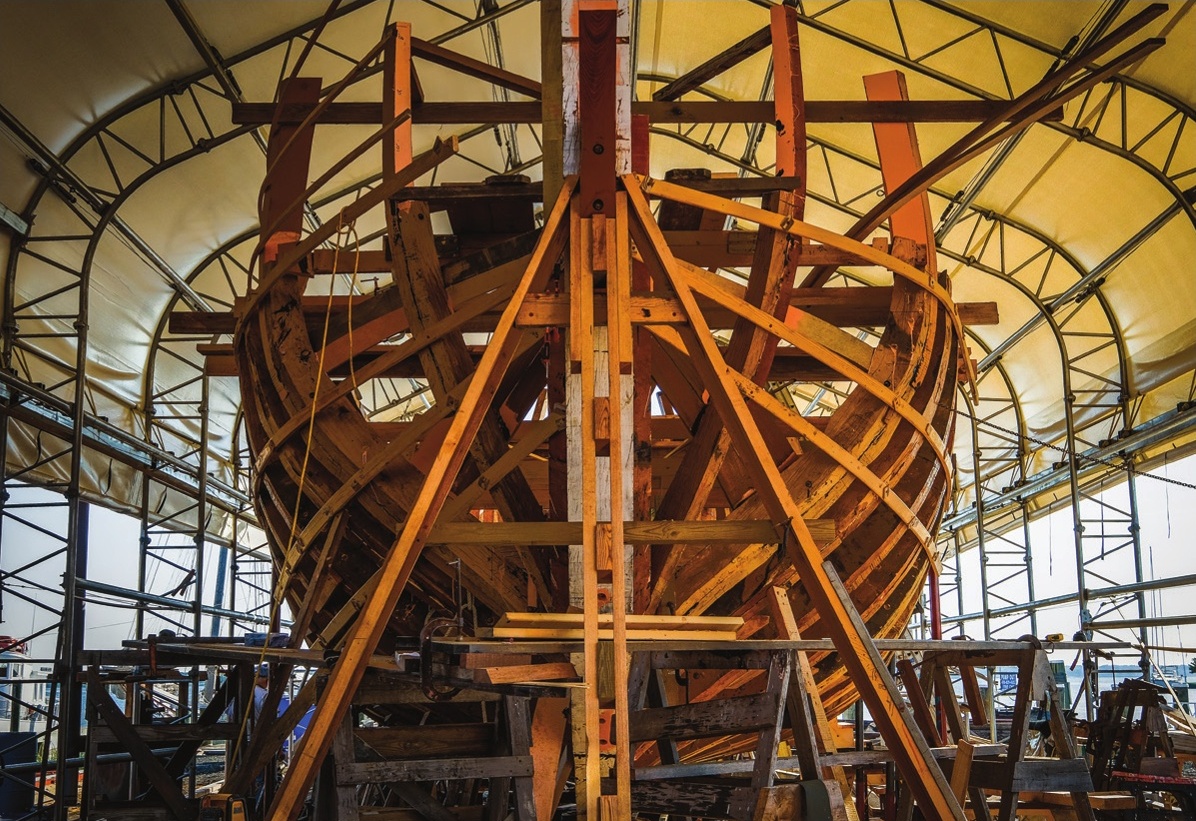
Shipwrights work on the new Maryland Dove in October 2020. Photograph by George Sass, courtesy Chesapeake Bay Maritime Museum.
Steeped in History
Ship replicas, such as Maryland Dove, serve as a testament to Maryland’s rich history of wooden boatbuilding—a cultural tradition that is deeply rooted in the region’s connection to the Chesapeake Bay. Tracing its origins to Native Americans, who built dugout canoes, the tradition evolved into European-style boatbuilding and thrived during the colonial era with the development of distinctive wooden vessels.
Wooden boatbuilding was critical to the economy and essential for transportation, trade, and the fishing, crabbing, and oystering industries. Indeed, the region’s abundance of timber and its extensive waterways enabled it to become a critical hub for wooden boatbuilding.
“Up until the last century, boats were traditionally made from trees and other natural materials,” says Ronnie Cutts, owner of Cutts & Case Shipyard, a business in Oxford that specializes in designing, building, restoring, and maintaining wooden boats. “Traditional wooden boats are built in tension, where each plank naturally becomes one with its neighbor over time. As a result, they are more time and human labor intensive, but there is also a greater human connection to them. Wooden boats have soul.”
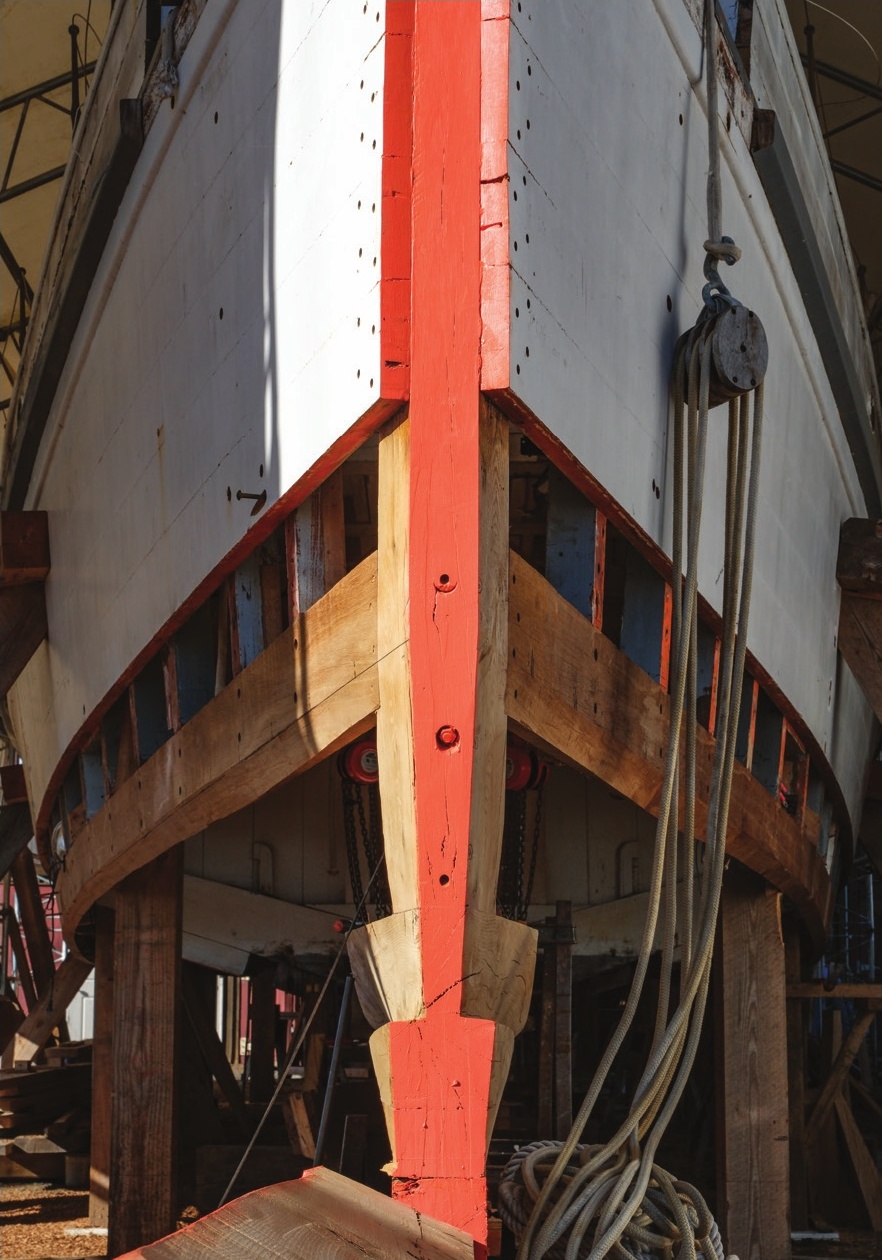
The Chesapeake Bay Maritime Museum shipyard. Photograph by George Sass, courtesy Chesapeake Bay Maritime Museum.
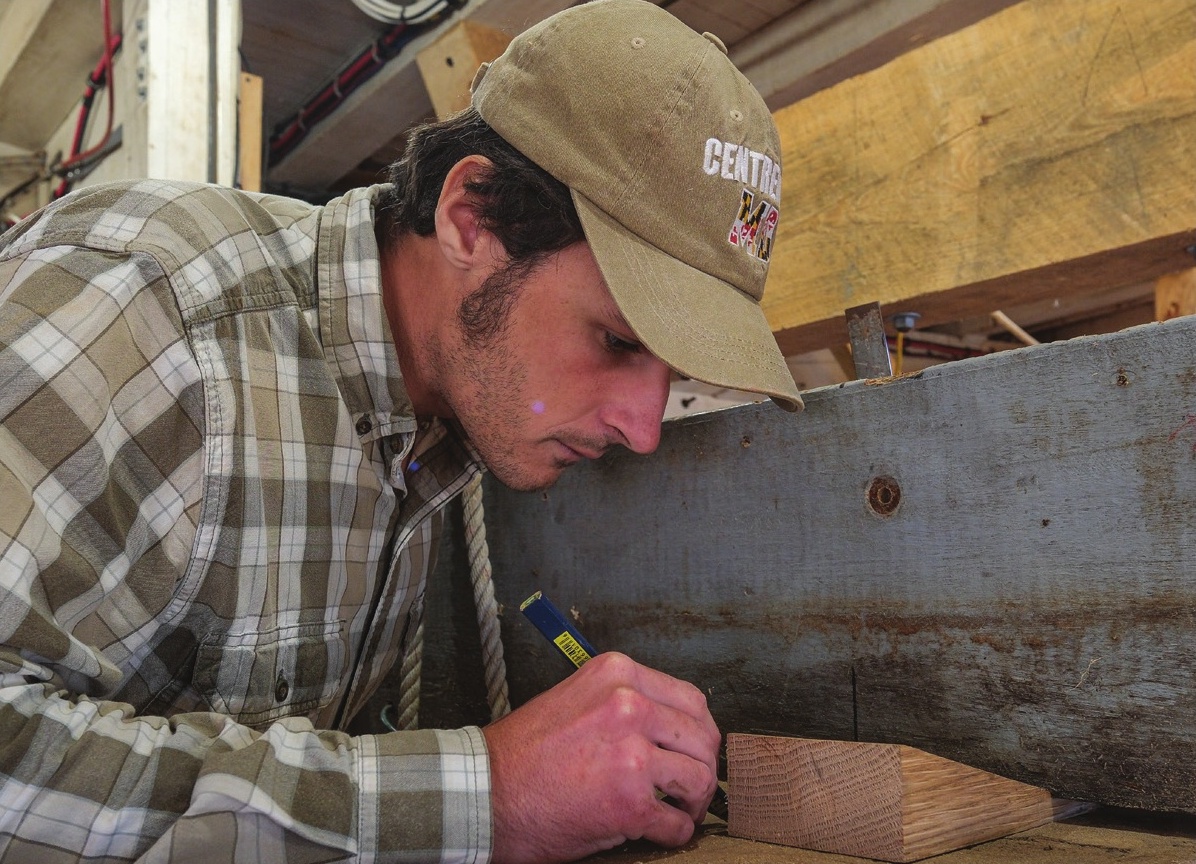
The Chesapeake Bay Maritime Museum’s Shipwright Apprentice Program trains the next generation of wooden boatbuilders. Photograph by George Sass, courtesy Chesapeake Bay Maritime Museum.
According to CBMM, the Chesapeake Bay shoreline used to abound with small shipyards where shipwrights built and maintained wooden vessels—not only supporting the region’s commercial growth but also passing down skills to the next generation. Most of these shipyards—and the skills that kept them in operation—are now reminiscent of another era. Today, wooden boatbuilding blends traditional skills with modern techniques.
Keeping the Tradition Alive
Although wooden boatbuilding declined in the 1960s due to the shift to modern materials, such as fiberglass, it’s not a dying art. Hilgartner says there is a distinct subculture of enthusiasts who find wooden boats beautiful. Their passion for the historical and practical aspects of wooden boatbuilding preserves the craft. And while wood is no longer the dominant material for modern boatbuilding, some shipwrights contend that wooden boats have a proven track record.
“Wood offers a natural, sustainable resource with a far smaller environmental footprint than fiberglass,” Cutts says.“When properly maintained, a wooden boat can last generations—something few fiberglass boats can claim. In terms of beauty and warmth, there’s simply no comparison. A wooden hull finished in varnish or gleaming paint radiates life and character. Wood naturally insulates against heat, cold, and noise and absorbs vibration for a quieter, more comfortable ride. Many wooden boats built in the 1920s and 1930s are still cruising today—proof of their enduring design. Fiberglass boats, on the other hand, have only been around a few generations and already face widespread issues with blistering, oxidizing, and cracking.”
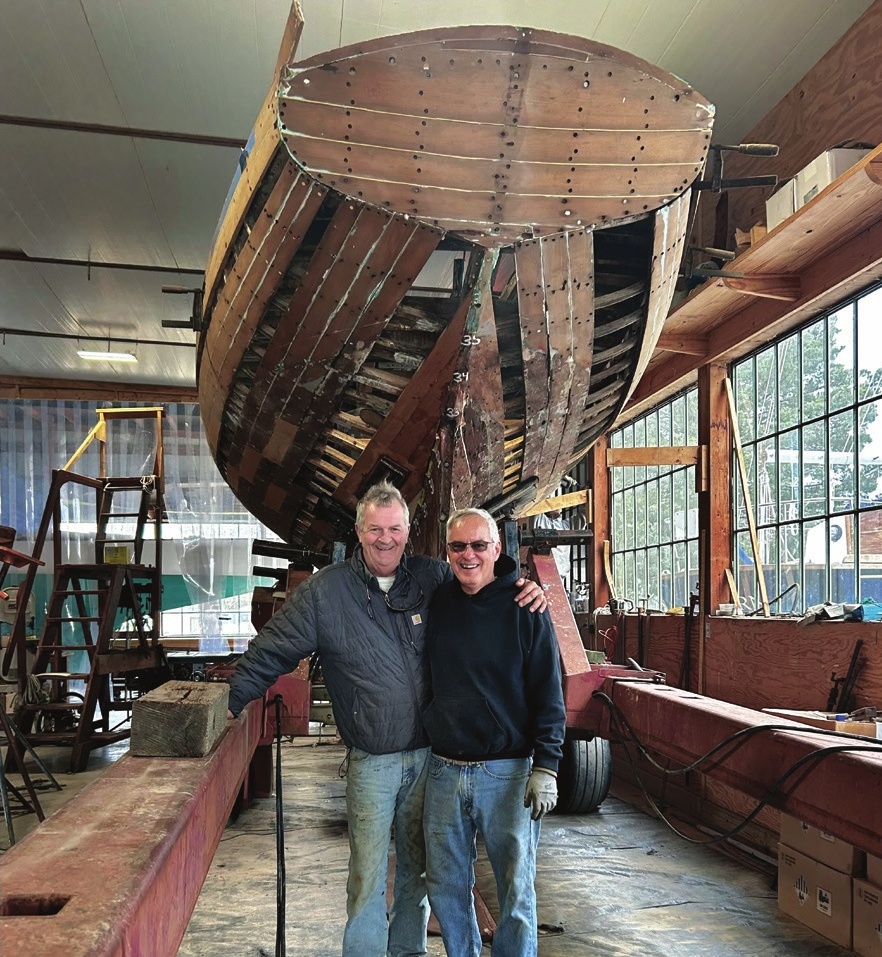
Ronnie Cutts and Dennis Risher in front of Hotspur. The crew had just dropped the rudder. Courtesy Cutts & Case Shipyard.
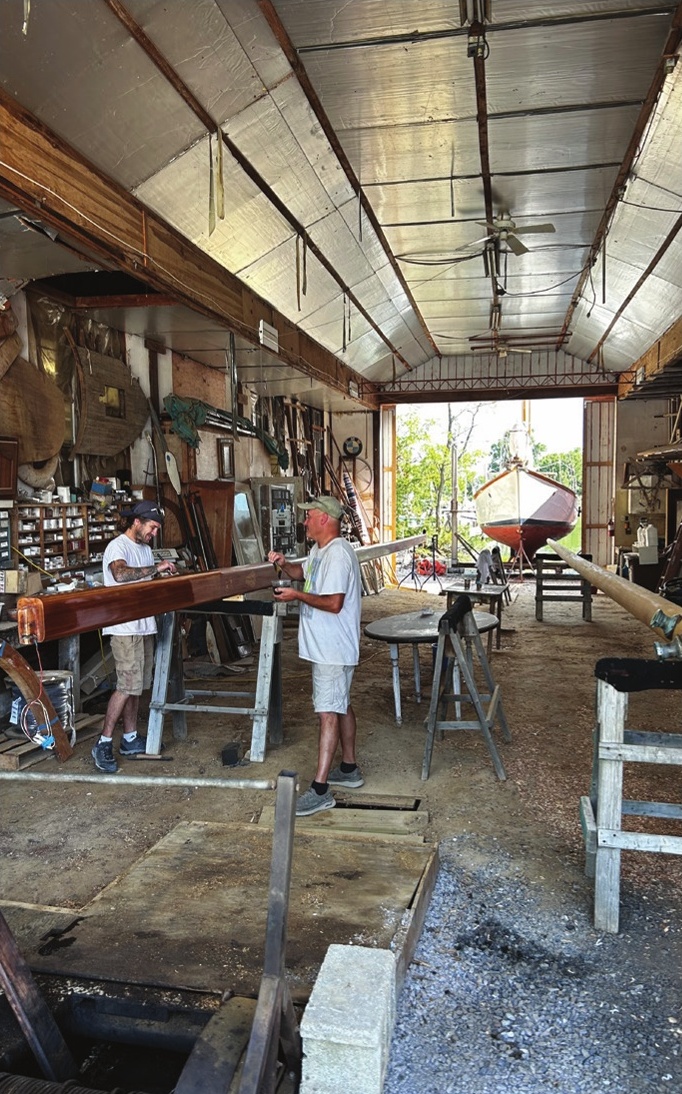
Chris Neustadt and Clint Ray varnish La Mouette’s main mast in the Railway Shop. Spellbound is seen hauled out on the railway behind them. Courtesy Cutts & Case Shipyard.
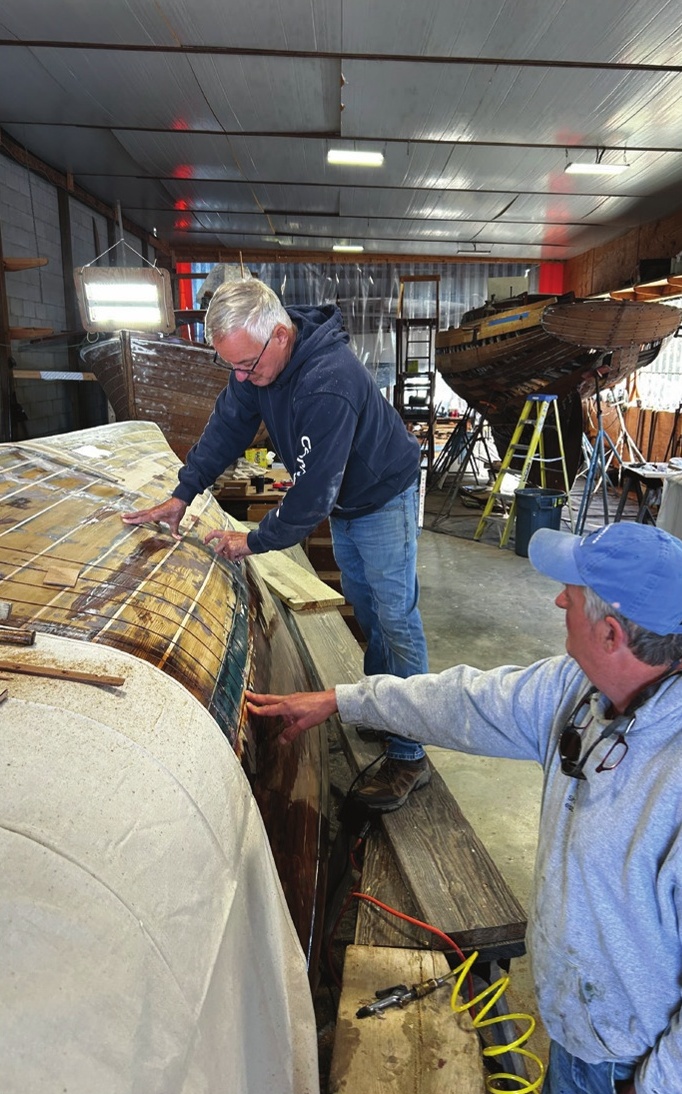
Dennis Risher (back) and Ronnie Cutts (front) discuss the cording on Julia. Courtesy Cutts & Case Shipyard.
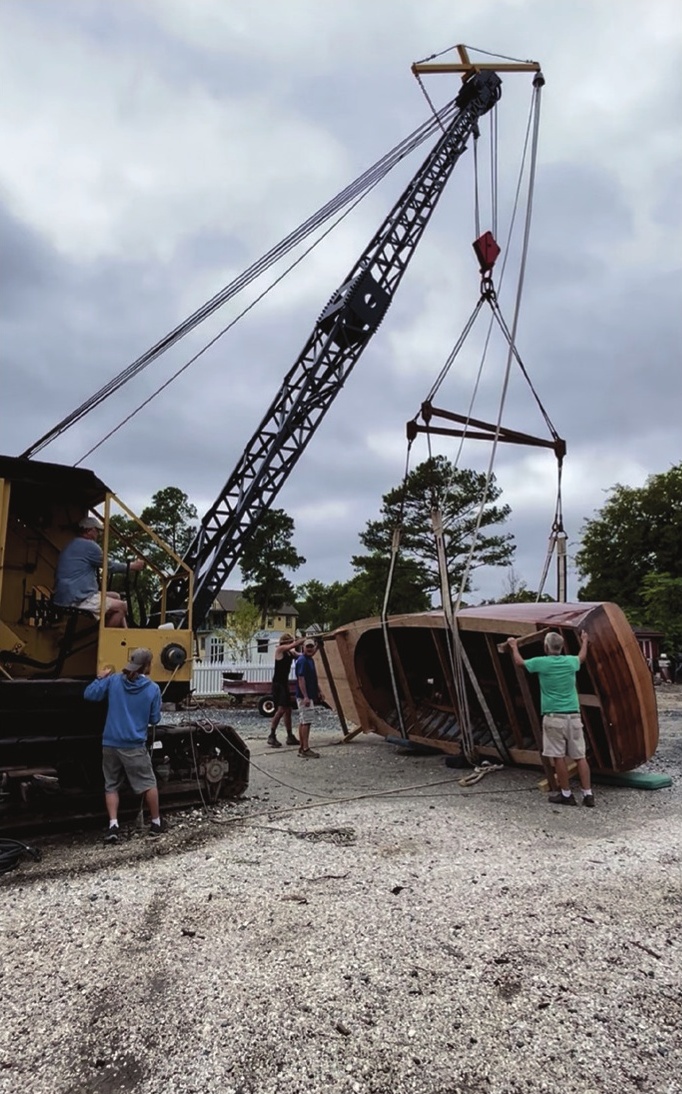
Ronnie Cutts operates the crane while the crew flips Julia over. Courtesy Cutts & Case Shipyard.
Today, shipyards and maritime museums throughout Maryland continue to preserve the art of wooden boatbuilding and celebrate the craft as one of Maryland’s most significant cultural traditions.
Cutts & Case Shipyard has been building and restoring wooden boats since 1965—continuing a legacy that began when Ralph Wiley founded the shipyard in the 1930s. Wiley built more than 75 boats before Ed Cutts, Sr., and his financial partner, John Case, purchased the property and elevated wooden boatbuilding into a true art form.
“My father, Ed Cutts, Sr., developed and patented the Cutts Method, which incorporates modern materials like epoxy and Kevlar cording to strengthen traditionally built hulls, extending their lives for another century without sacrificing the feel or integrity of a wooden boat,” Cutts says. “New wooden boats can be built with this method, making them lighter and more watertight than the traditional plank on frame wooden boats.”
Cutts & Case currently has six boats—dating from 90 to 115 years old—undergoing various stages of restoration. An especially exciting project is the complete restoration of Hotspur—restoring the bottom with the Cutts Method. Designed by Linton Rigg and built by Casey Baldwin in 1929 for yachting writer Alfred F. Loomis, Hotspur was a 32-foot cutter created for both racing and cruising. Hotspur is one of the oldest and most famous boats at the shipyard. Other noteworthy boats at Cutts & Case include Julia, La Mouette, and Spellbound—all of which were designed by Ed Cutts, Sr., and built at the shipyard.
The tradition of wooden boatbuilding is on full display at CBMM, where the shipyard staff preserves and maintains the museum’s floating fleet of Chesapeake Bay vessels and its historic small boat collection. Staff members actively engage with visitors and allow them to observe their work. The museum also offers hands-on learning experiences through its wide selection of educational programs and volunteer opportunities.
Perhaps one of the most exciting educational programs is CBMM’s Shipwright Apprentice Program. According to CBMM, the shipyard contributes to the preservation of the craft of traditional wooden boatbuilding, repair, and maintenance through its state-certified program, which is also certified by the U.S. Department of Labor. The Shipwright Apprenticeship Program provides training in various maritime trades, including carpentry, electronics, and welding, through hands-on learning opportunities and work experience.
“The skill set for traditional wooden boatbuilding, repair, and maintenance has a great deal of transfer to other maritime trades,” Hilgartner says. “So, our program provides a solid foundation for a variety of jobs within the broader maritime industry. I’m proud of the work our apprentices are doing.”
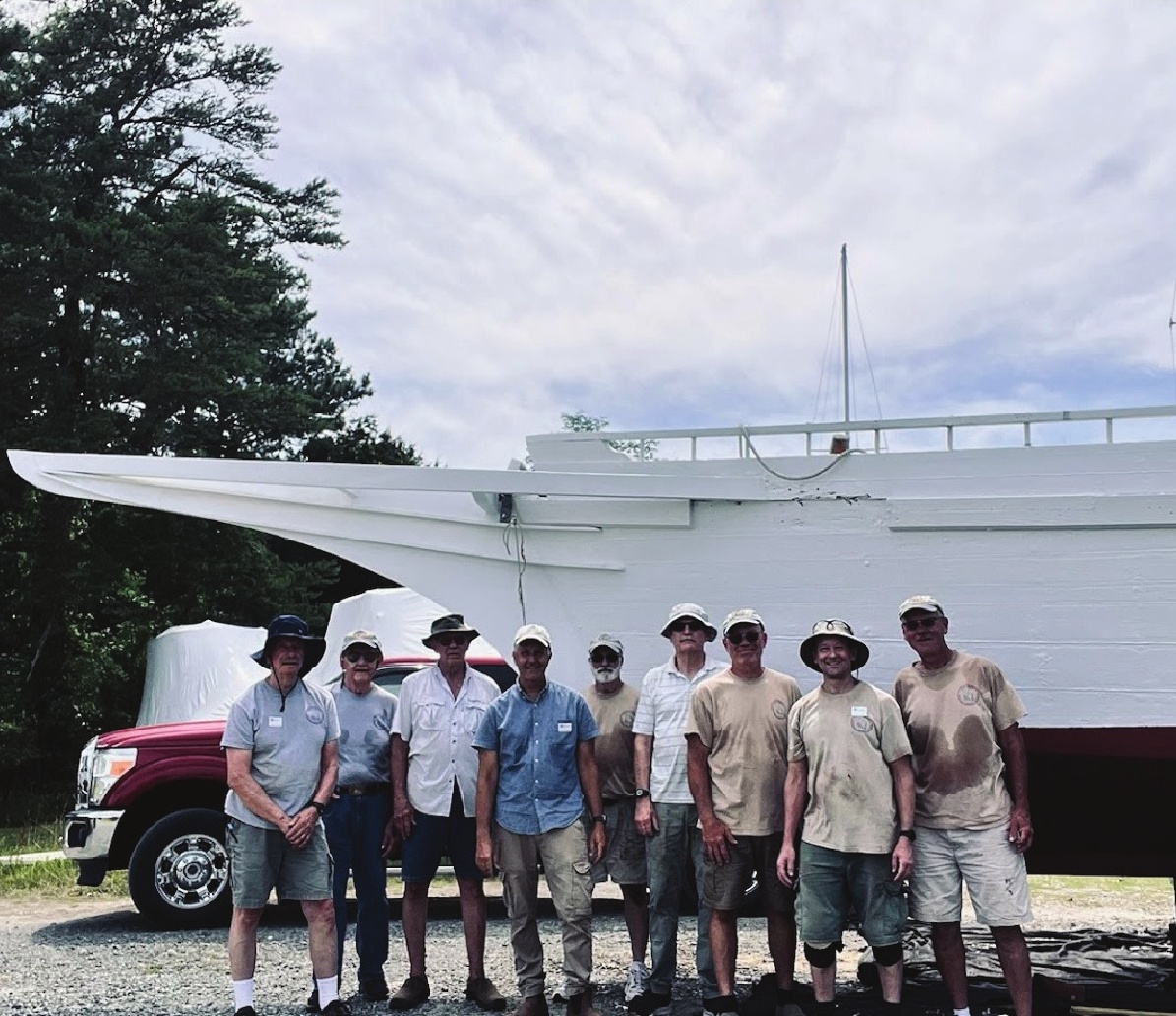
Patuxent Small Craft Guild group photo with “The Lighthouse Keeper’s” boat. Courtesy Calvert Marine Museum.
CBMM is also committed to maintaining historic vessels and keeping them afloat. Its current project is a multi-year refit of Winnie Estelle, a buyboat built in 1920. Hilgartner says the project is nearly a complete rebuild, and the CBMM team will maintain as much of its historical integrity as possible. The work is expected to be completed in May 2026.
A noteworthy past project was the restoration of Edna E. Lockwood, a bugeye built in 1889. During the two-year historic restoration (2016–2018), CBMM’s shipwrights and apprentices completely replaced the boat’s nine-log hull. Referred to as the “queen of CBMM’s floating fleet,” Edna E. Lockwood, the last of the historic sailing log-bottom bugeyes, was declared a National Historic Landmark in 1994.
Like CBMM, the Calvert Marine Museum (CMM) is also dedicated to preserving the art of wooden boatbuilding. Mark Wilkins, boatwright and curator of maritime history at CMM, leads a group of volunteers, known as the Patuxent Small Craft Guild, who builds, repairs, and restores wooden boats at the Patuxent Small Craft Center, the museum’s boat shop. Their current project, the “Lighthouse Keeper’s Boat,” is a replica of a boat that would have hung in the davits of Drum Point Lighthouse during the late 19th to early 20th centuries. The boat was designed by Wilkins and his predecessor, George Surgent, and is being built using traditional techniques and materials. It is expected to be launched during summer 2026.
“I’ve been working with wood my entire life,” Wilkins says. “It’s immensely satisfying, but it can also be unforgiving and challenging. Perhaps one of the more poignant aspects of wooden boatbuilding is the camaraderie that develops when a group of people build a boat together. It’s an incredible bonding experience.”
In addition, CMM offers a comprehensive collection of Chesapeake Bay boats for museum visitors to view—from its skipjack, Dee of St. Mary’s, to its historic buyboat, Wm. B. Tennison, and almost every type of smaller vessel.
Built in 1899, Wm. B. Tennison celebrated its 125th anniversary in 2024. The only Coast Guard-licensed, log-hulled vessel in the United States, Wm. B. Tennison is a National Historic Landmark. Dee of St. Mary’s, which was built in 1979, is currently undergoing a refit, which is expected to be completed in spring 2026.
“Wooden boatbuilding is truly an art,” Wilkins says enthusiastically. “It never ceases to amaze me how beautiful and inspiring a wooden vessel is. And it’s interesting how a tree loses its life only to be reborn into another living thing: a wooden boat.”
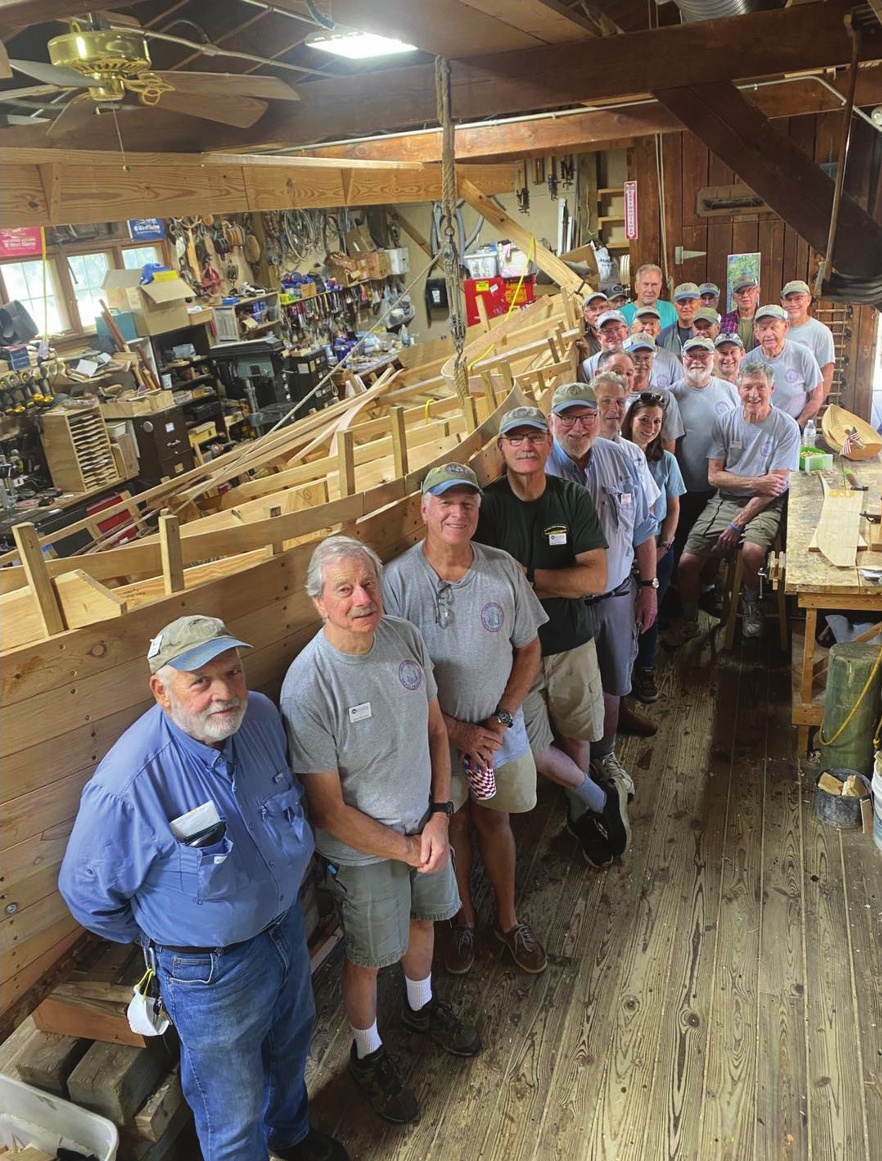
The Patuxent Small Craft Guild restored the Dee of St. Mary’s. Courtesy Calvert Marine Museum.
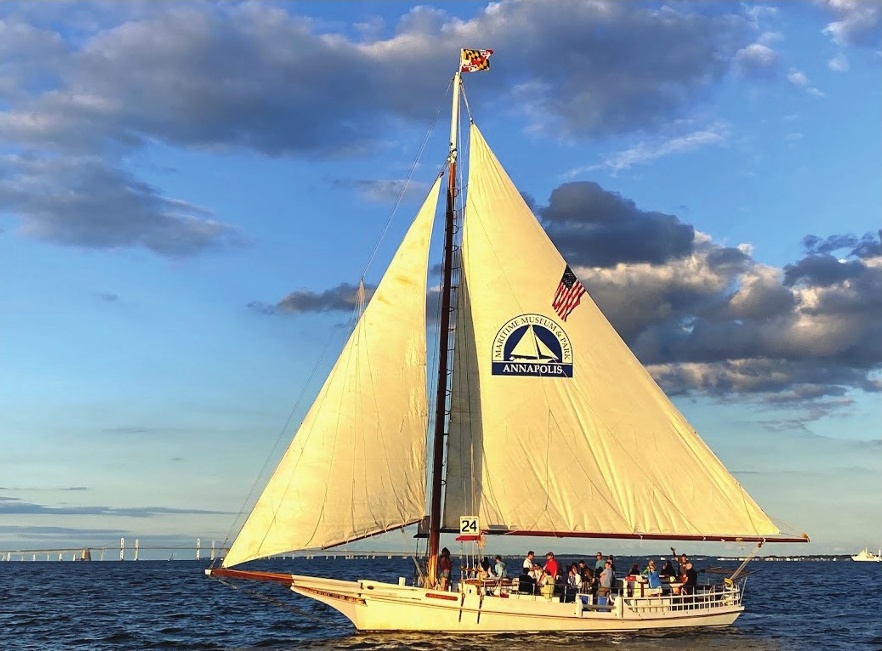
The skipjack Wilma Lee. Photograph by Jay Fleming, courtesy Annapolis Maritime Museum.
Fulfilling its mission to preserve the region’s rich maritime history and heritage, Annapolis Maritime Museum & Park (AMM) features two outdoor exhibits that showcase wooden boats.
The Herbie Sadler exhibit honors the life and legacy of the well-known Annapolis waterman. Born in 1902, Sadler spent his entire life working on the water. He later established Sadler’s Seafood, which became an Eastport landmark. The display features one of Sadler’s workboats, a wood deadrise, Little HES. The outdoor boat exhibit also includes information about the history and evolution of Bay boats.
AMM’s historic skipjack, Wilma Lee, is available for public cruises, private charters, and educational programs. According to AMM, the boat is truly the gem of its collection. Built in 1940, Wilma Lee is listed on the Maryland Inventory of Historic Properties.
“Our exhibits offer museum visitors an opportunity to learn about the history of our waterways,” says Heather Ritterpusch, curator of museum collections at AMM. “By taking a cruise on the Wilma Lee, they can step back in time and imagine what life was like when the Bay was filled with skipjacks dredging for oysters.”
AMM also provides a variety of educational programs for students, including its popular Build-a-Boat program, which is offered through Box of Rain, a program that connects under-resourced youth to the Chesapeake Bay and its rich maritime heritage. Established in 2009, the Build-a-Boat program offers participants the opportunity to construct a boat from a Chesapeake Light Craft (CLC) kit. An Annapolis-based wooden boatbuilding company, CLC provides kits with all the materials necessary to complete a variety of boatbuilding projects.
“It’s awesome to provide meaningful skills through our educational programs,” says Zack Hoisington, director of education and partnerships at AMM. “Our programs help participants form a sense of place and cultural identity. Wooden boatbuilding is a tradition that is critical to Annapolis and our maritime history. Students not only learn basic carpentry skills; they also learn life skills, such as following instructions and working as a team. And they have a lot of fun.”
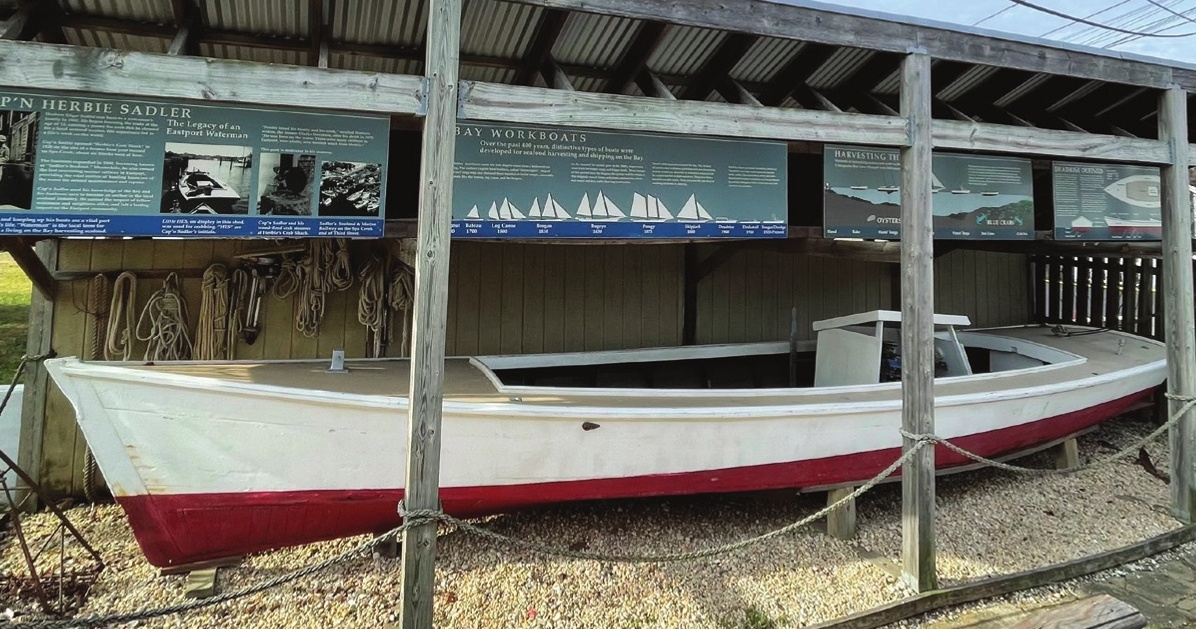
Herbie Sadler outdoor exhibit. Courtesy Annapolis Maritime Museum.
An Enduring Legacy
A cherished tradition, wooden boatbuilding continues today, thanks to the efforts of shipyards and maritime museums that preserve this critical part of Maryland’s heritage through new builds, replicas, restoration projects, and educational opportunities, such as apprenticeships, workshops, and classes. Actively engaging the community and teaching traditional boatbuilding skills to new generations of enthusiasts ensures that the skills are not lost.
Marylanders’ deep connection to the Chesapeake Bay, their love of the stories that historic wooden boats tell, and their admiration for the craftsmanship and beauty of wooden vessels help keep the wooden boatbuilding tradition alive—solidifying its legacy for future generations.
“Working with your hands is honest and gratifying work,” Ronnie Cutts says. “Acquiring traditional skills that were handed down from previous masters, applying them to current restoration projects, and educating those interested in learning and developing these skills is an honor. I feel privileged to continue the legacy of crafting and maintaining wooden boats.”

Your Financial Health in ’26 and Beyond
SMART TO-DOS FOR A STRATEGIC YEAR, PLUS A GLIMPSE TO THE FUTURE OF FINANCIAL LITERACY
A s 2026 sets in, you have the opportunity to refine your financial strategies and ensure your wealth is working as efficiently as possible. Beyond basic budgeting and saving, this is the time to strengthen long-term plans, optimize tax advantages, and revisit investment allocations that may have shifted over the past year. Whether you’re planning for major purchases, legacy building, or simply enhancing your overall financial resilience, consider consulting fiduciary, tax, and estate planning professionals for the most up-to-date industry advice and legal responsibilities.
Revisit Your Budget With Updated, Realistic Numbers
Even high-income households benefit from a refreshed, intentional budget. Review last year’s spending and identify where lifestyle choices may have quietly expanded monthly obligations—subscriptions, dining, entertainment, travel, and convenience services often increase without notice. Updating your numbers ensures that your discretionary income flows toward meaningful goals such as investment expansion, charitable giving, or long-term planning rather than slipping into unnoticed categories.
Strengthen or Rebuild Your Emergency Fund
Aim for a robust emergency reserve that covers six months or more of core expenses, especially if your household relies on variable income, equity compensation, or business revenue. A well-funded reserve also protects long-term investments by reducing the temptation to sell assets in down markets.
Refresh Savings Buckets for Short- and Mid-Term Goals
Set intentional savings targets for 2026: travel, home renovations, education funding, charitable giving, or upcoming major purchases. Higher-income families may find value in a multi-tiered approach—segregating savings into short-term, opportunity funds, and large-goal buckets.
Automate Key Financial Tasks to Reduce Stress
Automation reduces decision fatigue and ensures consistency across your financial life. Schedule automatic transfers to investment accounts, savings buckets, and retirement plans. Automate charitable contributions, quarterly tax payments, and large recurring expenses. With higher incomes and more financial moving parts, automation becomes an essential tool for maintaining order and reducing administrative burden.
Maximize Retirement Contributions
High earners often have access to advanced retirement strategies such as backdoor Roth contributions and options, deferred compensation plans, and higher-tier employer benefits. Review updated annual limits for 2026 and increase contributions proactively. Revisit your risk allocation and long-term projections to ensure they still align with your family’s goals, anticipated future income, and desired timeline to financial independence.
Review Employer Benefits for Overlooked Value
Your compensation package may include substantial benefits beyond salary—equity grants, ESPPs, HSAs, FSAs, childcare benefits, legal services, and wellness reimbursements can all contribute meaningful value. During open enrollment, re-evaluate which plans best support your lifestyle and whether higher premiums or upgraded options could offer enhanced long-term protection.

Check Your Credit Reports and Monitor Your Score
High credit limits, multiple cards, travel rewards accounts, and business expenses increase exposure to fraud. Reviewing your credit reports annually helps you catch inaccuracies and protect your credit standing, which affects everything from interest rates to insurance premiums. Strong credit also ensures flexibility for opportunities such as real estate acquisitions and large financed purchases.
Update a Debt Paydown Strategy
If debt exists—whether mortgages, HELOCs, auto loans, or revolving balances—take time to evaluate your payoff approach. With interest rates shifting in recent years, refinancing or consolidating certain debts may offer attractive savings. High-income households often benefit from prioritizing high-interest obligations while allowing lower-rate debt to coexist with an aggressive investment strategy. A clear, data-driven plan ensures that debt remains a tool, not a burden.
Evaluate Insurance Policies for Proper Protection
Your insurance needs may grow as your assets grow. Review home, auto, renters, life, disability, and umbrella policies to confirm the coverage appropriately reflects your current net worth and lifestyle. Regular reviews also help identify potential premium savings through bundling or updated property valuations.

Update Your Will, Beneficiaries, and Estate Planning Documents
Estate planning is essential for those with investment portfolios, real estate, or family-owned businesses. Revisit your will, trusts, beneficiary designations, powers of attorney, and guardianship assignments to ensure they remain current. Consider whether your situation warrants more advanced strategies like revocable trusts, donor-advised funds, or tax-efficient gifting to family members or charities.
Rebalance Your Investment Portfolio for the Year Ahead
Market fluctuations can significantly shift your allocations over a single year. Rebalancing ensures your portfolio remains aligned with your goals, risk tolerance, and timeline. High-income investors may also consider strategic rebalancing in taxable vs. tax-advantaged accounts to minimize tax exposure. Staying disciplined prevents emotionally driven investment decisions and maintains long-term portfolio health.
Consider Tax-Efficient Investment Strategies
For high earners, tax drag can significantly erode returns. Review asset placement—ensuring tax-inefficient investments (active funds, REITs, bonds) sit in tax-advantaged accounts, while tax-efficient index funds remain in taxable accounts. Explore tax-loss harvesting opportunities to offset gains. These optimizations can improve net performance without requiring more risk.
Explore Diversification Beyond Traditional Stocks and Bonds
Consider whether real estate, private equity, private credit, commodities, or municipal bonds fit your goals. Many alternative investments have higher minimums but can offer strong risk-adjusted returns and reduced correlation with public markets. Diversification is not about complexity—it’s about creating a durable financial ecosystem.
Review Fees on Investment Accounts and Products
Wealth doesn’t excuse waste. Review advisory fees, expense ratios, and trading costs to ensure you are paying only for value received. You may benefit from consolidating accounts, using low-cost ETFs, or negotiating advisory fees based on assets under management. Reducing unnecessary expenses increases long-term net returns without altering your strategy.
Align Your Investments With Your Long-Term Goals
Higher-income families often juggle multiple complex goals: retirement, college funding, legacy planning, philanthropic initiatives, real estate acquisitions, or early financial independence. Review your timelines and risk tolerance for each objective. Long-term goals can tolerate more volatility, while short-term goals require protection and liquidity. Aligning investments with life timelines ensures every dollar is working intentionally toward its purpose.
AI-Driven Advice and Advanced Analytics
Artificial intelligence and machine learning are becoming core tools for advisors. AI-powered platforms now assist with tasks such as portfolio modeling, risk scoring, market pattern detection, and personalized financial projections. This frees fiduciaries to focus on higher-order judgment, relationship-building, and complex planning.
Hyper-Personalized Planning for Every Client
Clients increasingly expect advice tailored precisely to their life stage, goals, values, and risk tolerances. Technology now allows fiduciaries to scale personalization—producing individualized portfolios, cash-flow plans, retirement timelines, and values-aligned investment strategies with remarkable detail.
Digital-First Service Models and Enhanced Client Experience
Advisory firms are embracing digital platforms that provide clients with seamless, 24/7 access to their financial information. Client portals, secure messaging, virtual meetings, digital onboarding, and app-based performance dashboards have become foundational to modern practice.
Transparent, Flexible, and Alternative Fee Structures
Many fiduciaries are reevaluating traditional Assets-Under-Management (AUM) fees. Flat-fee, subscription, hourly, and hybrid pricing models are becoming more common as clients seek transparency and predictability. These new fee structures also open the door to serving a broader range of investors.
Rising Demand for ESG and Values-Aligned Investing
Environmental, social, and governance (ESG) considerations—along with impact and values-driven investing—remain in high demand, especially among younger investors. Fiduciaries are increasingly expected to integrate these preferences into portfolio construction while maintaining rigorous due diligence and avoiding greenwashing.

Expanded Responsibilities and Holistic Financial Wellness
Advisors are shifting toward comprehensive financial-wellness models that extend far beyond investment management. Services such as retirement readiness, education planning, budgeting, insurance assessment, tax coordination, estate planning, and business-succession guidance are becoming standard.
Enhanced Risk Management and Real-Time Portfolio Adaptation
Advances in data and analytics enable fiduciaries to conduct stress testing, run scenario analyses, and rebalance portfolios dynamically. This real-time approach helps clients navigate both market volatility and long-term risks more effectively.
Increasing Integration with Fintech, Blockchain, and Digital Assets
Fiduciaries are exploring the role of blockchain technology and digital assets within the advisory toolkit. Tokenization of real assets, digital-asset funds, and secure blockchain-based record-keeping offer new opportunities—but require careful risk assessment, regulatory awareness, and client education.
Evolving Regulatory Landscape and Ethical AI Considerations
As fintech and AI adoption accelerate, regulators are emphasizing data protection, transparency, suitability, and responsible use of technology. Fiduciaries must adopt strong governance frameworks, maintain compliance rigor, and ensure that all tech-enabled recommendations uphold fiduciary standards.
Key Trends Reshaping the Fiduciary Landscape
Ready to talk strategy with a financial professional? The fiduciary profession is undergoing rapid transformation driven by advances in technology, shifting client expectations, regulatory developments, and broader changes in the investment landscape. By 2030, the most successful fiduciaries will be those who leverage automation responsibly, deliver deeply personalized advice, and offer holistic, value-aligned guidance to both personal and business investors. The following trends are reshaping the fiduciary landscape.





2026 HOME EXCELLENCE AWARDS
exquisite and compelling projects in residential design and construction
Welcome to What’s Up? Media’s fourth annual showcase of elite home projects! The Home Excellence Awards program honors exemplary home builders, architects, designers, and professionals serving the greater Chesapeake Bay region. During September and October, we solicited and vetted project entries in award categories such as architecture, interior design, renovation, property addition, and more. Entries consisted of photographs and a written description introducing the project, including structural/aesthetic intent, design/build concepts, materials used, special features, permitting, and overall thoughts. Note that a few categories had many entries and, thus, feature more winners than other categories. Some categories may have only one winner (or a couple). We offer descriptions of each project. All photographs are courtesy/submitted by each company represented. Congratulations to the companies in the following categories and their award-winning projects!
architecture
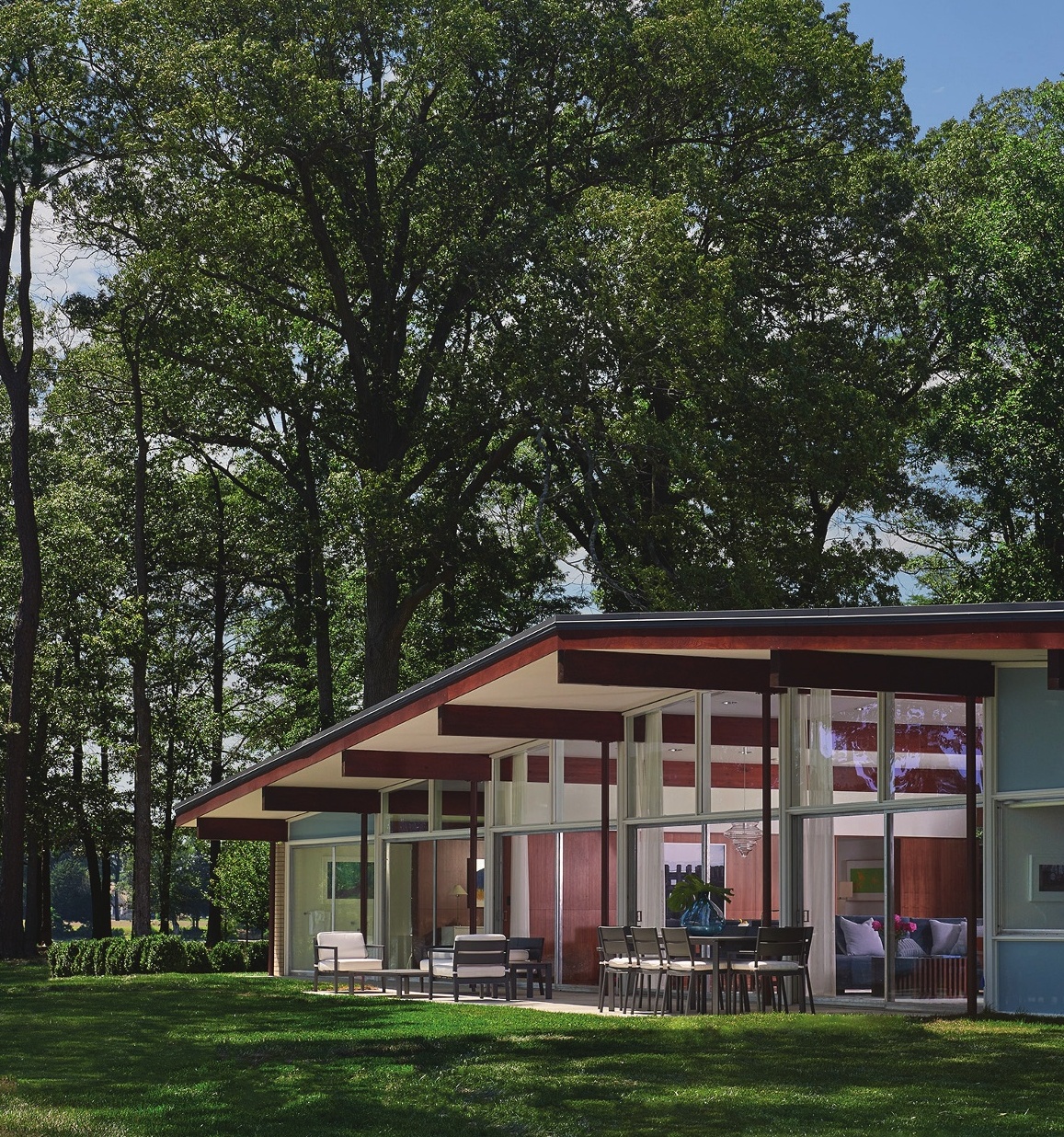
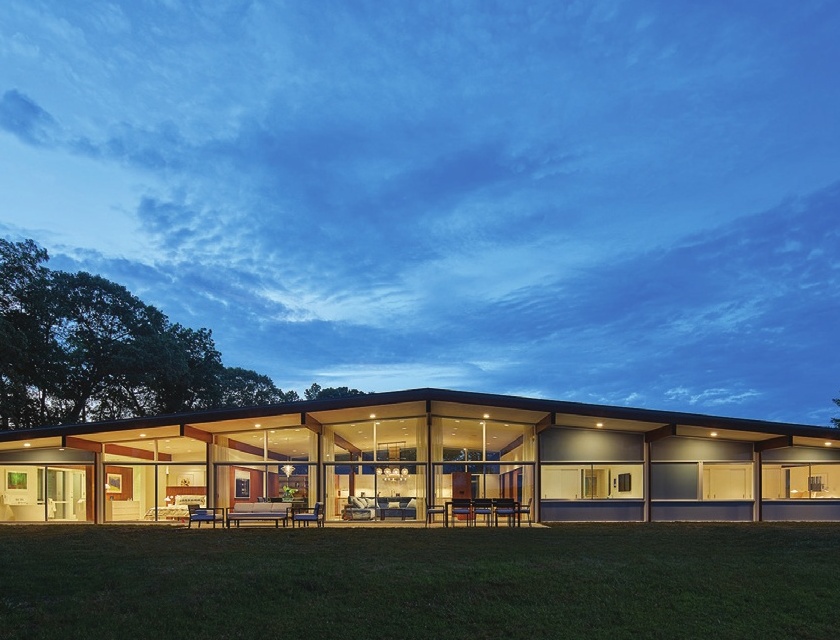
Travelers Rest
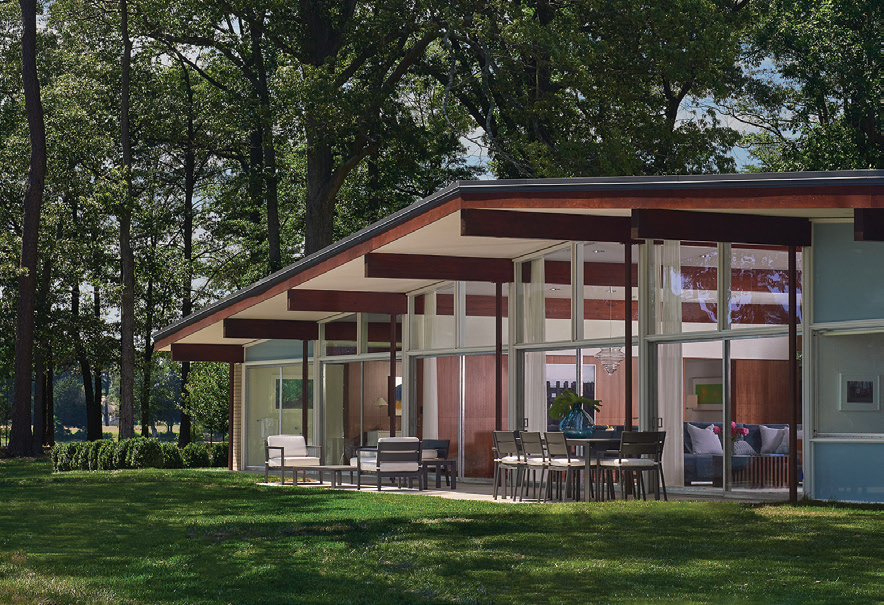
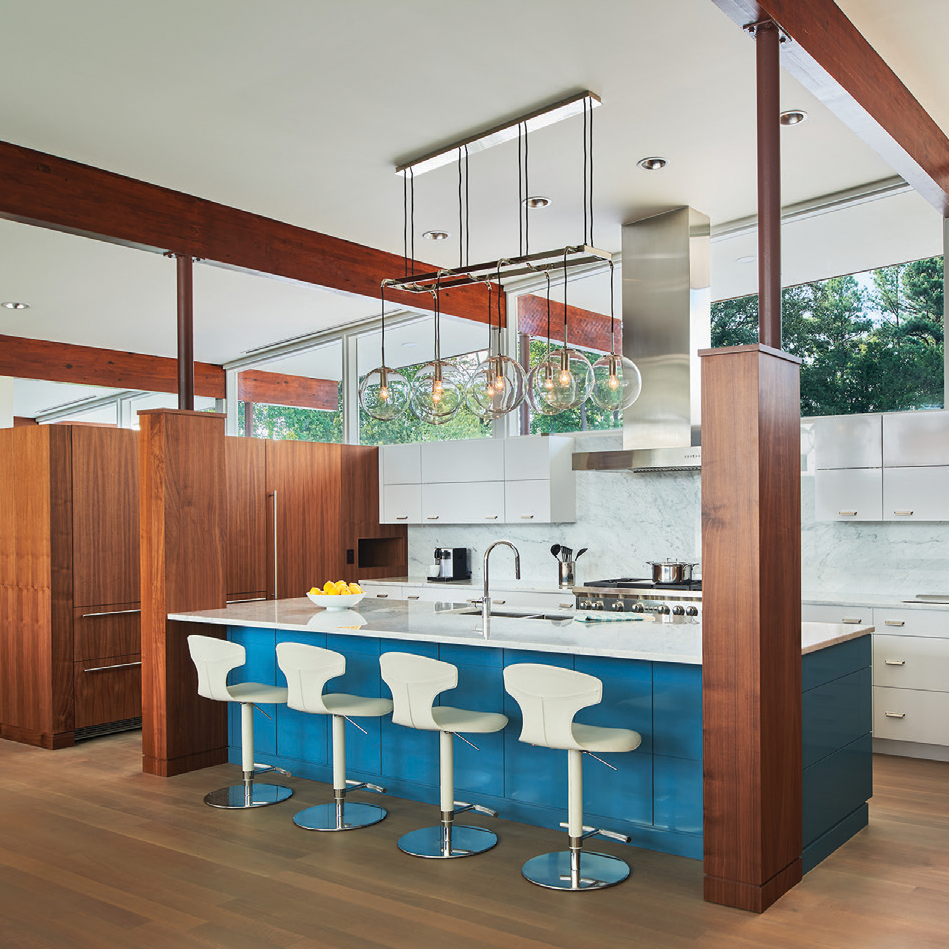
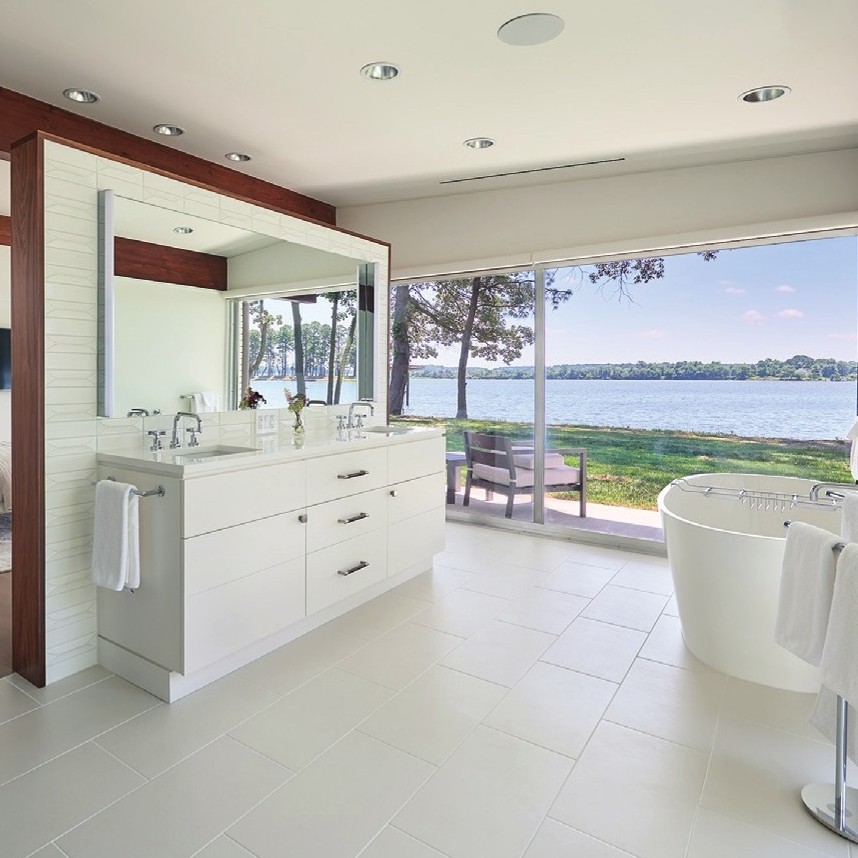
Project highlights: Renovation of a late 1950s era home in severe disrepair. The home featured iconic roof geometry, exposed timber beams, and large expanses of glass. The goal was to renovate the home in a manner that preserved its architectural character while meeting the needs of a 21st century family. New walnut panels were installed to maintain the same door height datum and scale as the original. The west end of the home was converted to a private master suite, maintaining the exposed ceilings and the home’s horizontal datum. All of the existing secondary bedroom built-ins were reconstructed. The exterior was restored, with a new roof and glazing panels. The car port was reconstructed and the attached storage room was converted to a pool house. An in-ground pool was added with a small pool equipment building that anchors the pool terrace.
Waterfront Transformation
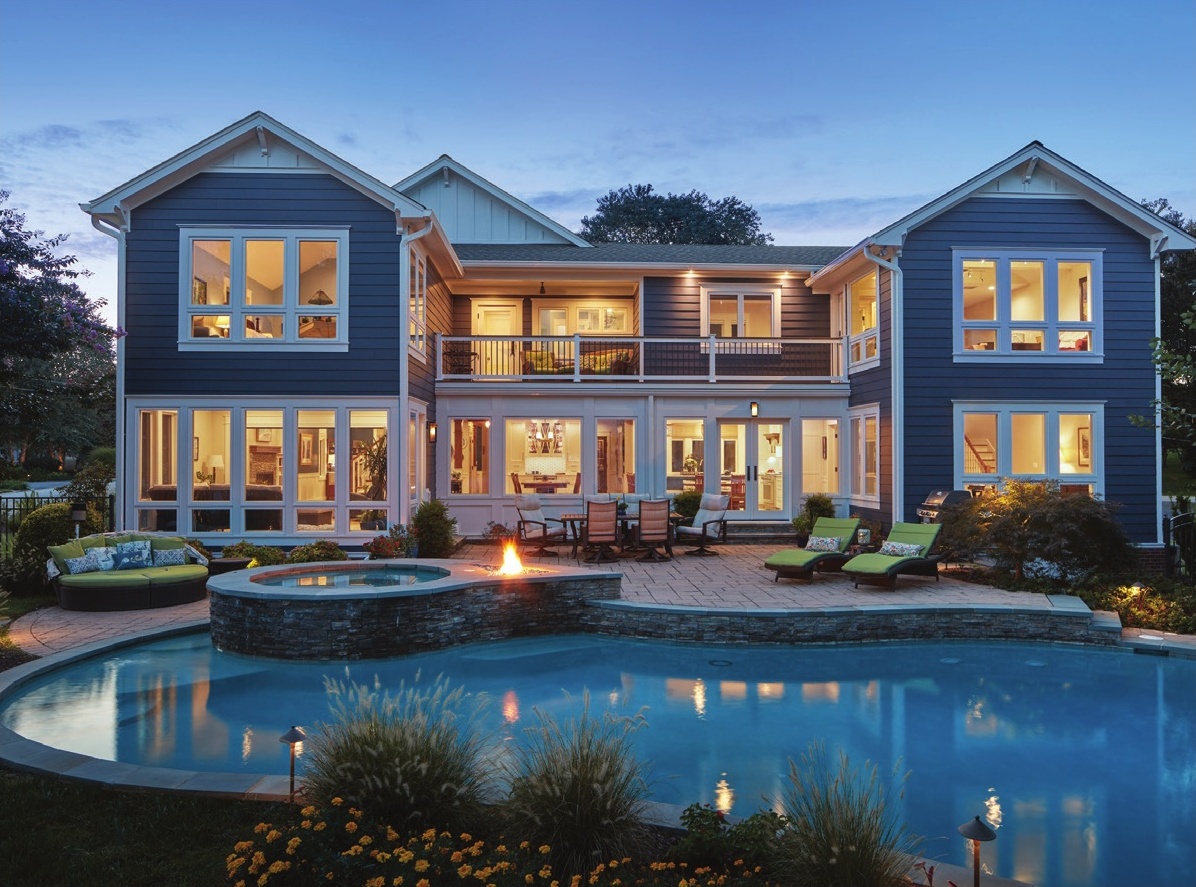
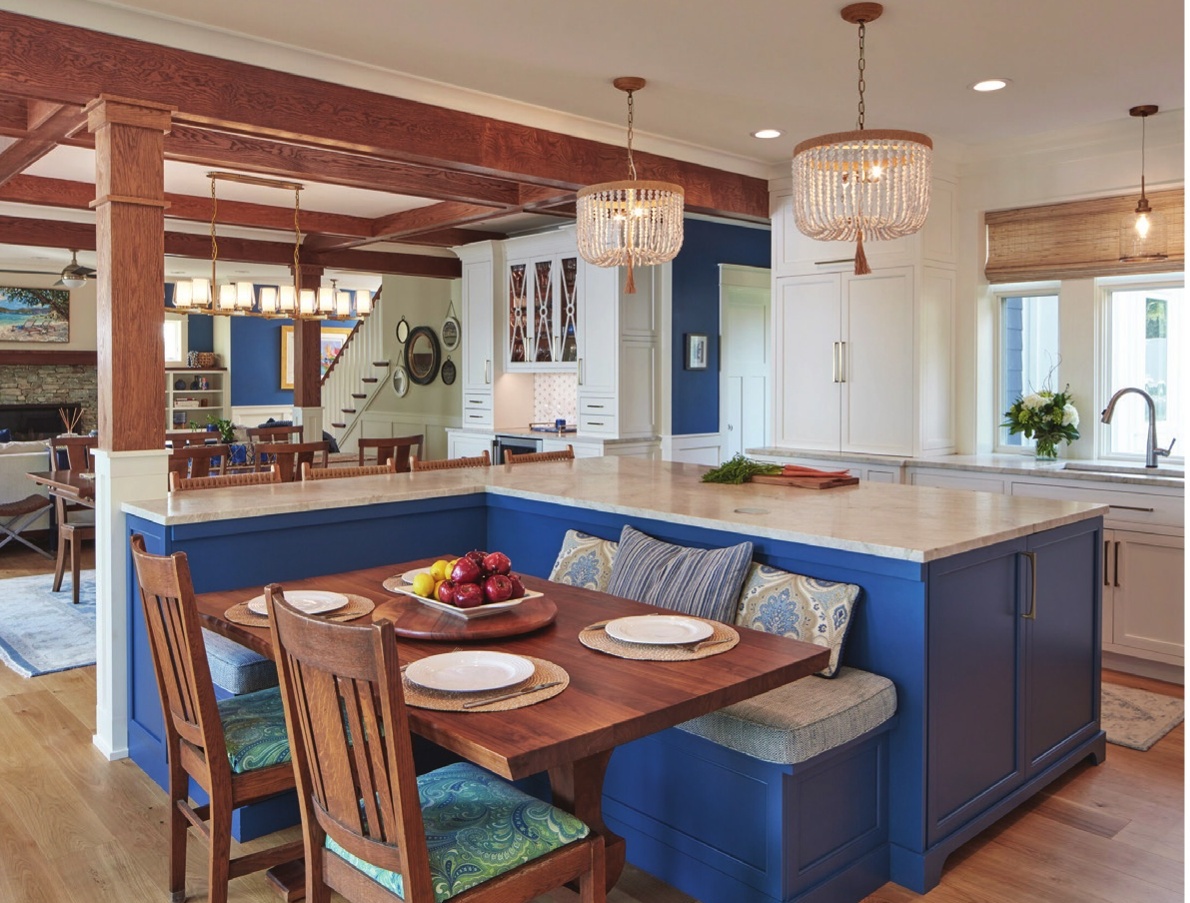
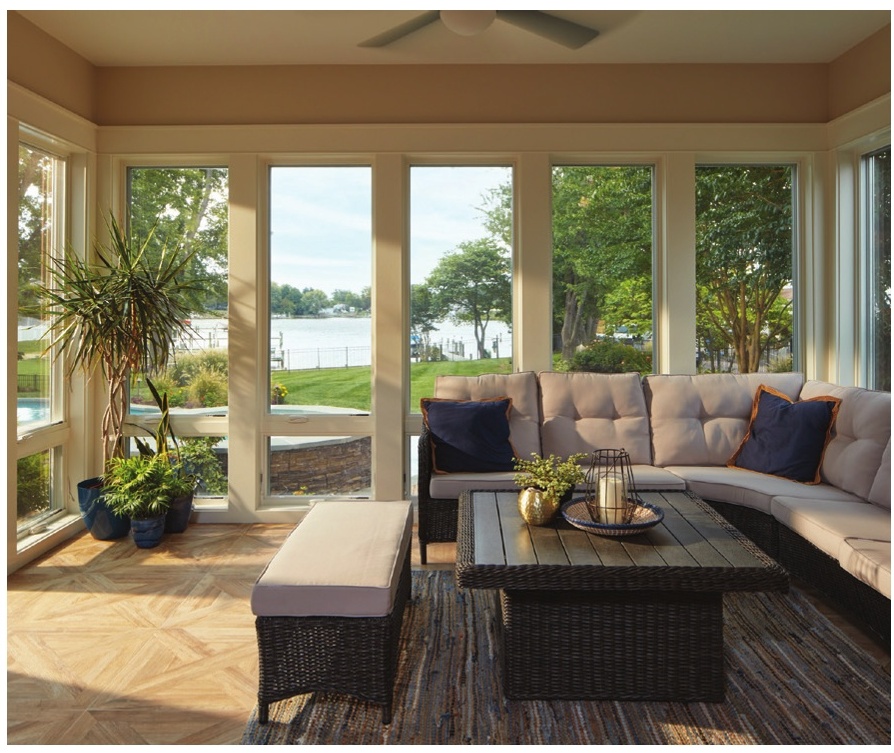
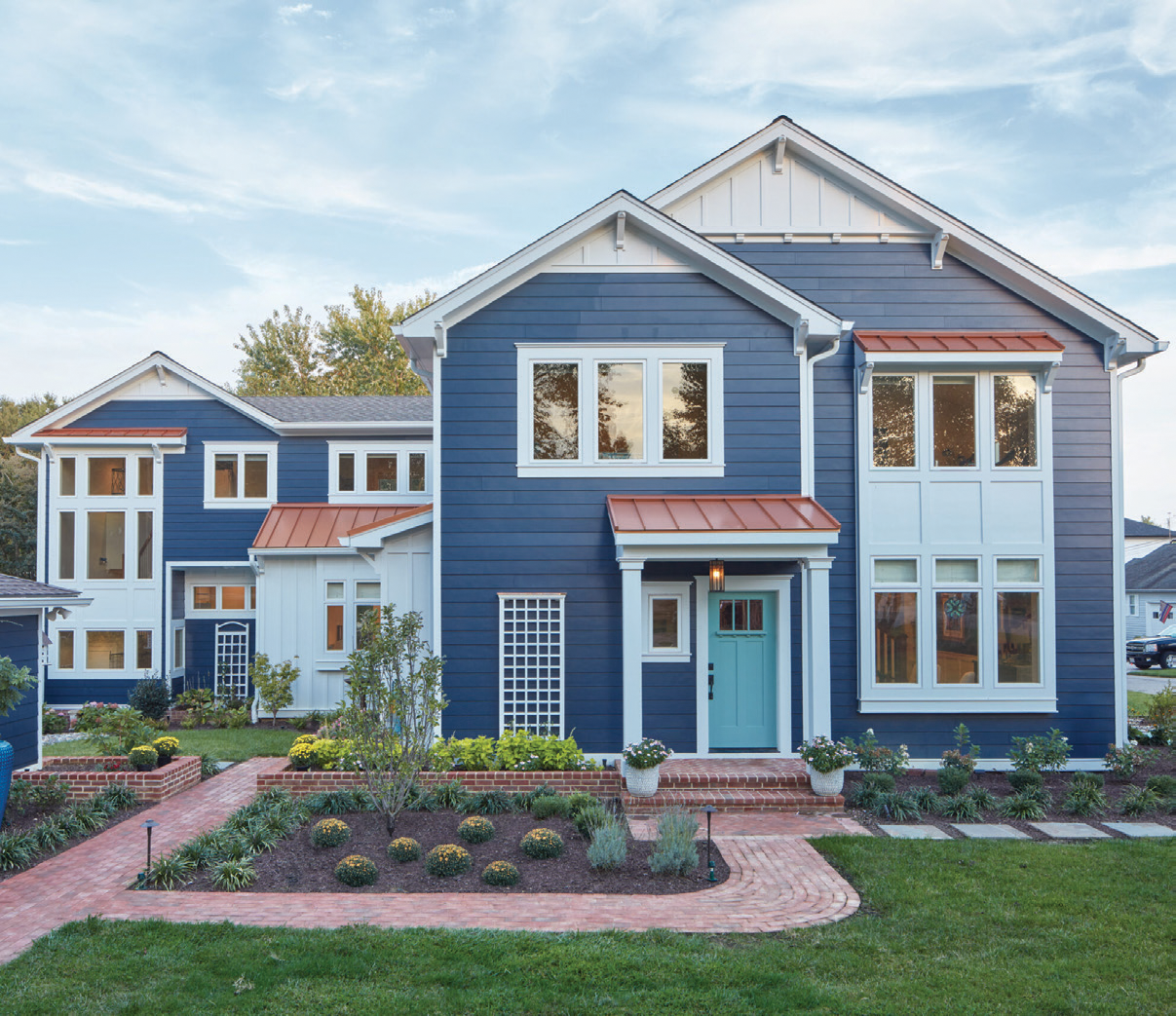
Project highlights: This 1949 waterfront home was reimagined for a blended family of six. Years of disjointed additions had left the house fragmented and inefficient. HD Squared Architects approached the renovation as an opportunity for unification, creating a cohesive, light-filled home that celebrates its connection to the South River. A 275-square-foot addition linked the home’s separate wings and transformed its flow. The new main level opens from entry to kitchen to sunroom, unified by natural wood details and abundant daylight. Upstairs, a vaulted primary suite and covered deck extend views over the water, with over 90 percent of living spaces now oriented outdoors. Sustainable features include upgraded insulation, high-efficiency HVAC, operable windows for cross ventilation, rain gardens to manage runoff, and deconstruction practices that reused and donated materials.
Tidewater Bliss
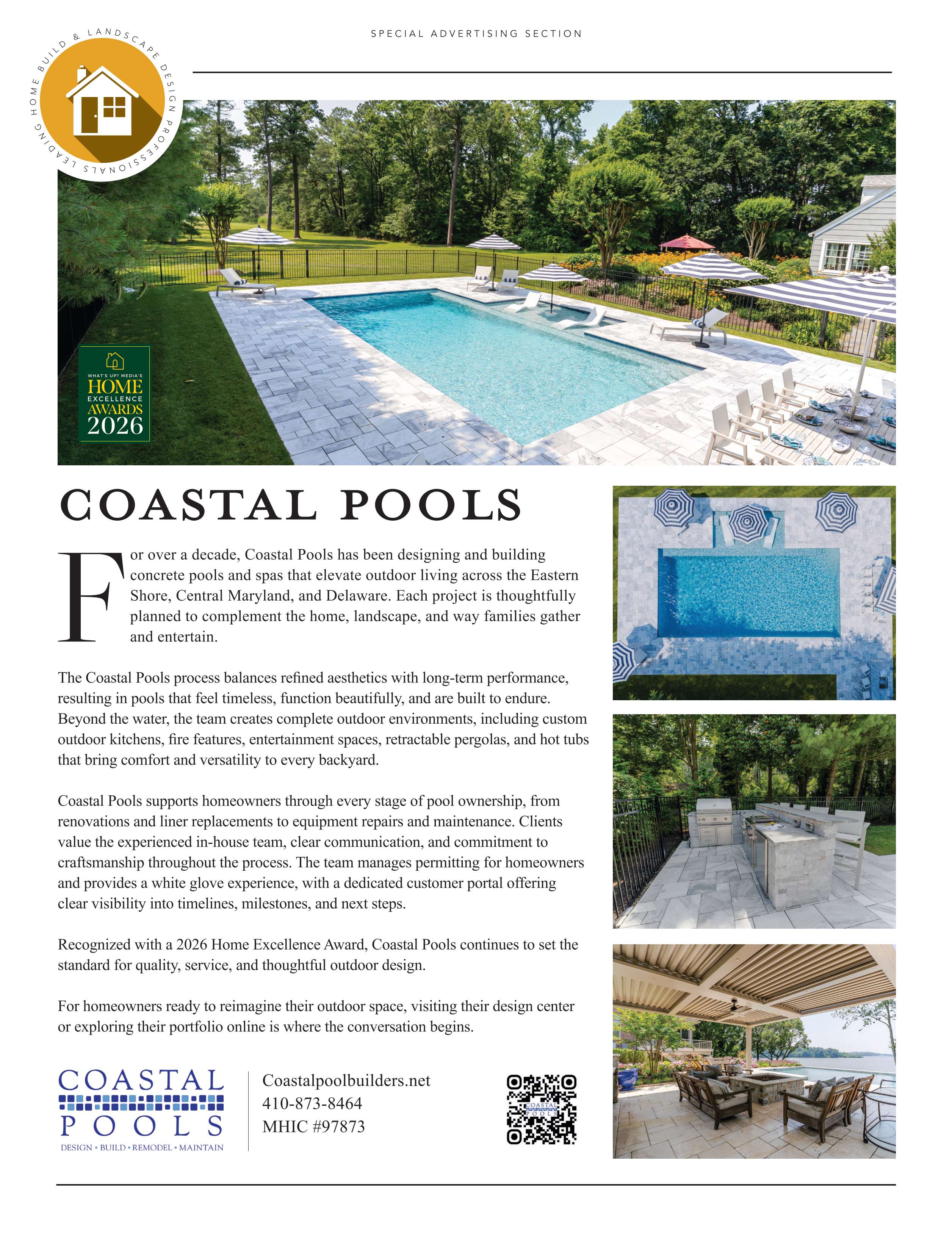
Additional project acknowledgements: Neumann, Lewis Buchannan Architects • Tracy Morris Design • Walnut Hill Landscape • Coastal Pools
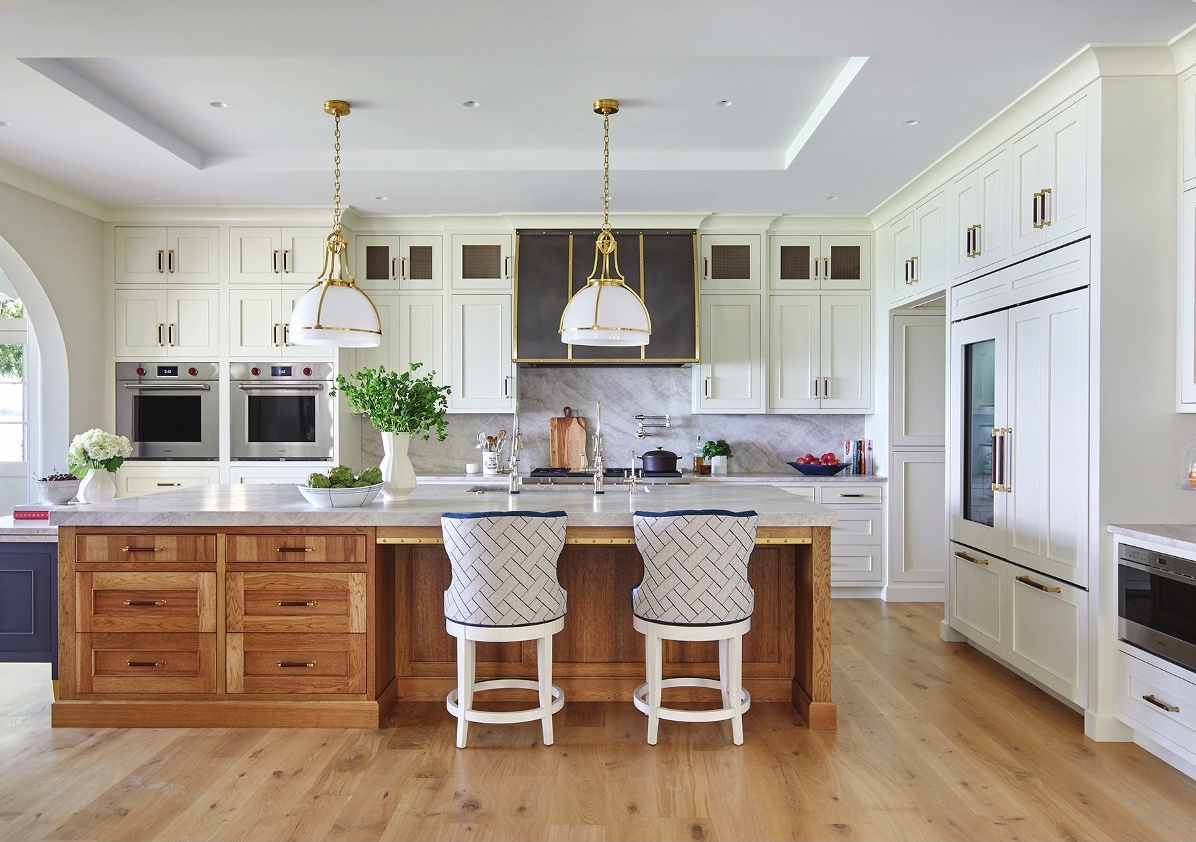
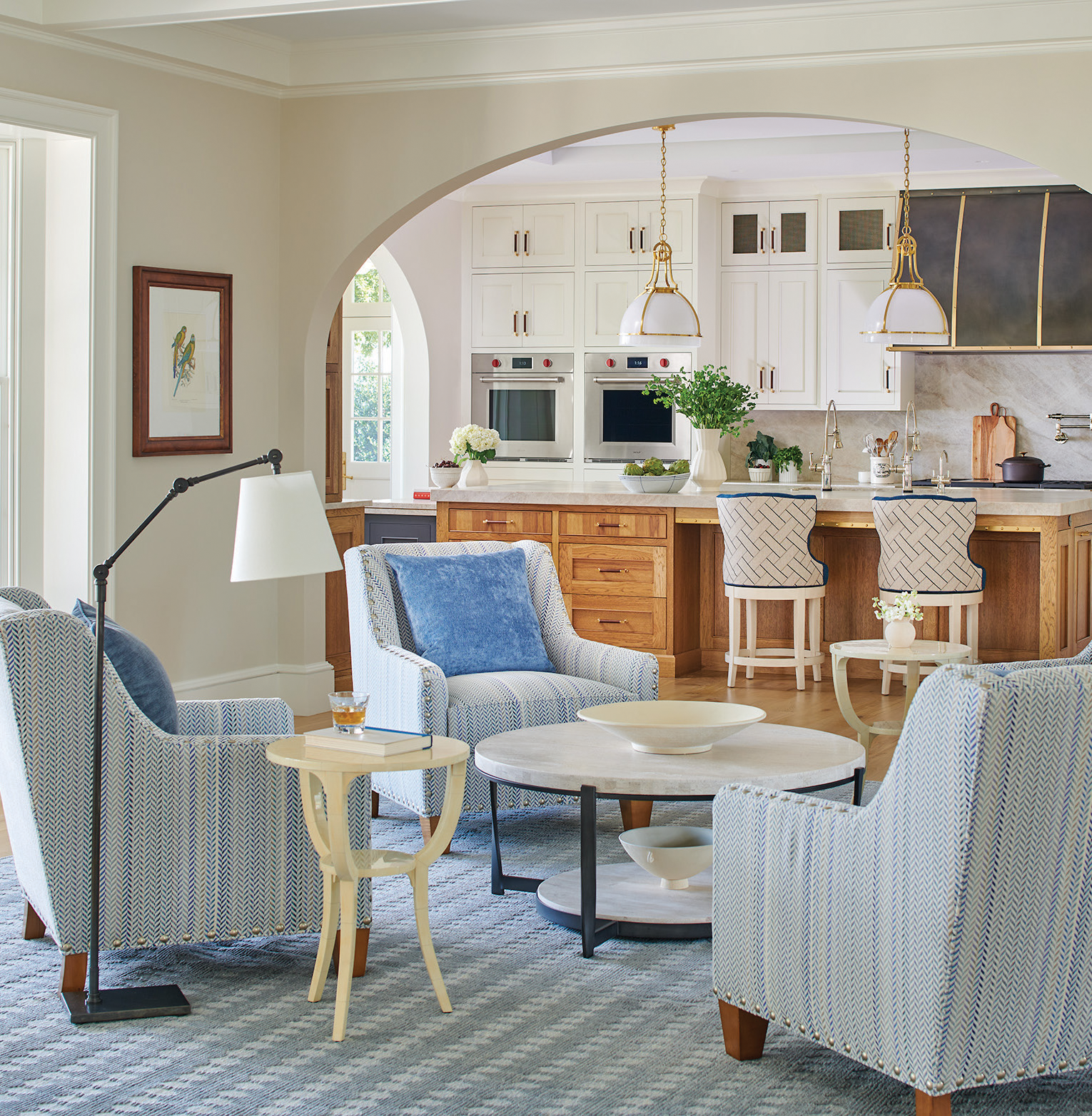
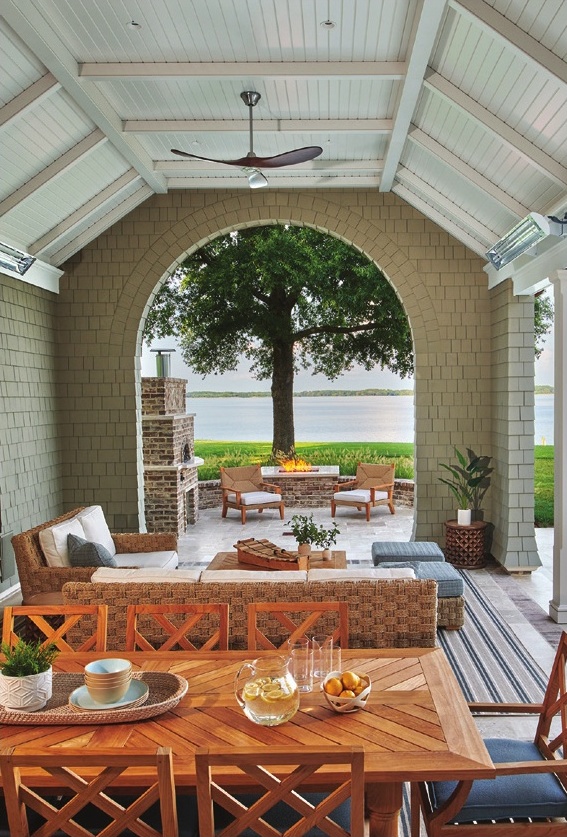
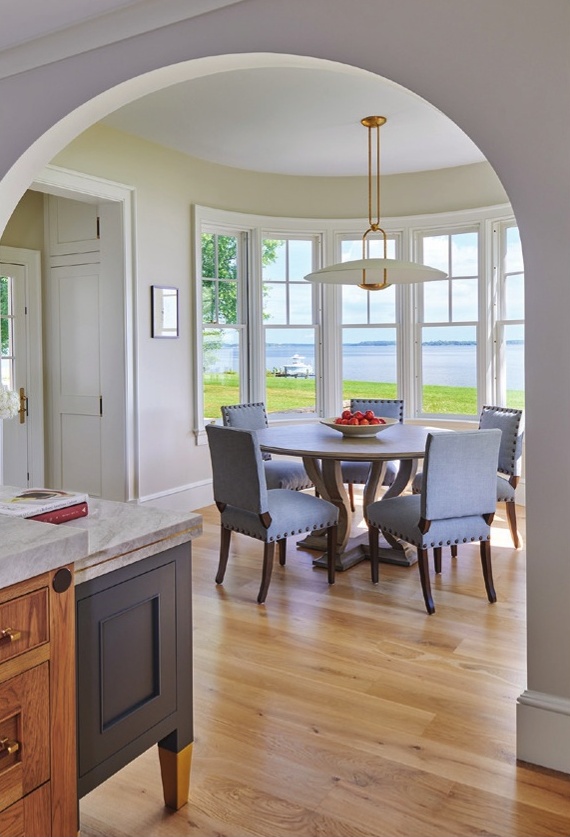
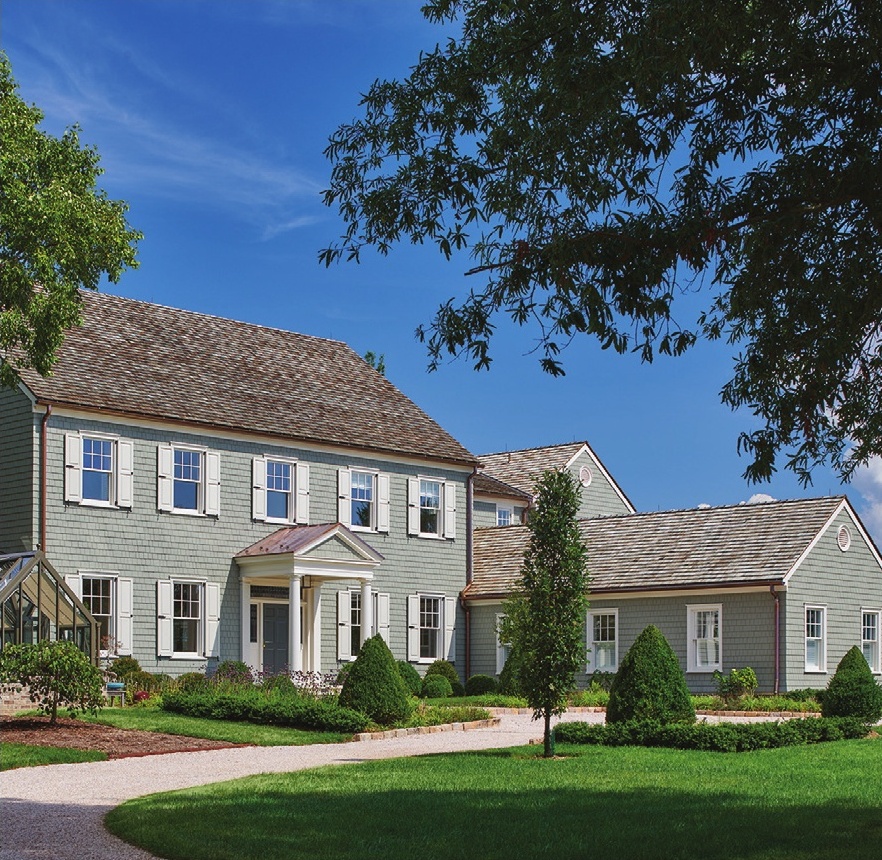
Project highlights: Set along the quiet shores of St. Michaels, this coastal home’s design honors the charm of traditional Eastern Shore architecture while gently opening its rooms to light, water, and sky. A classic, symmetrical façade gives way to a sequence of welcoming interiors—each thoughtfully aligned to capture the changing moods of the Miles River. Inside, soft coastal hues, finely crafted millwork, and bespoke details that speak to a love of craftsmanship rather than showmanship. Spaces are scaled for both intimate family moments and generous gatherings, flowing naturally toward the loggia, pool terrace, and gardens beyond.
Pura Vida
Additional project acknowledgments: Architecture by Sokolow Architects • Photography by Dana Hoff
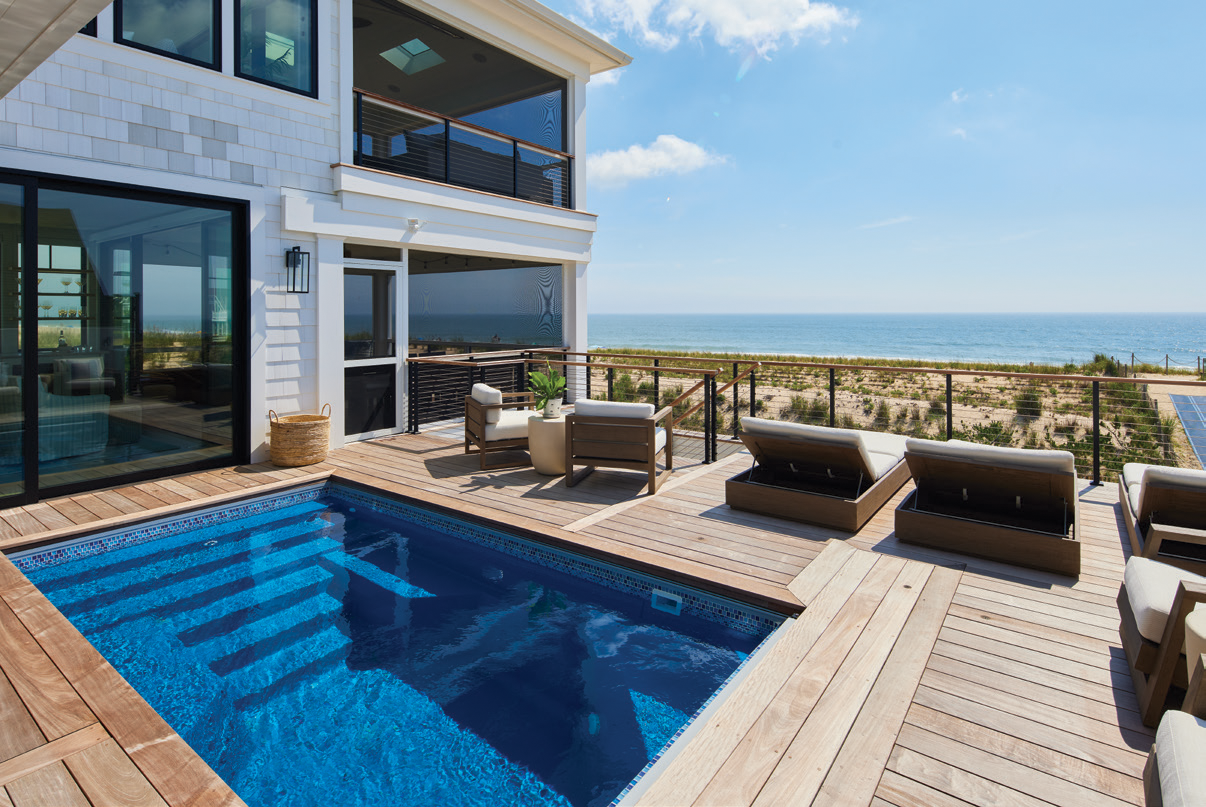
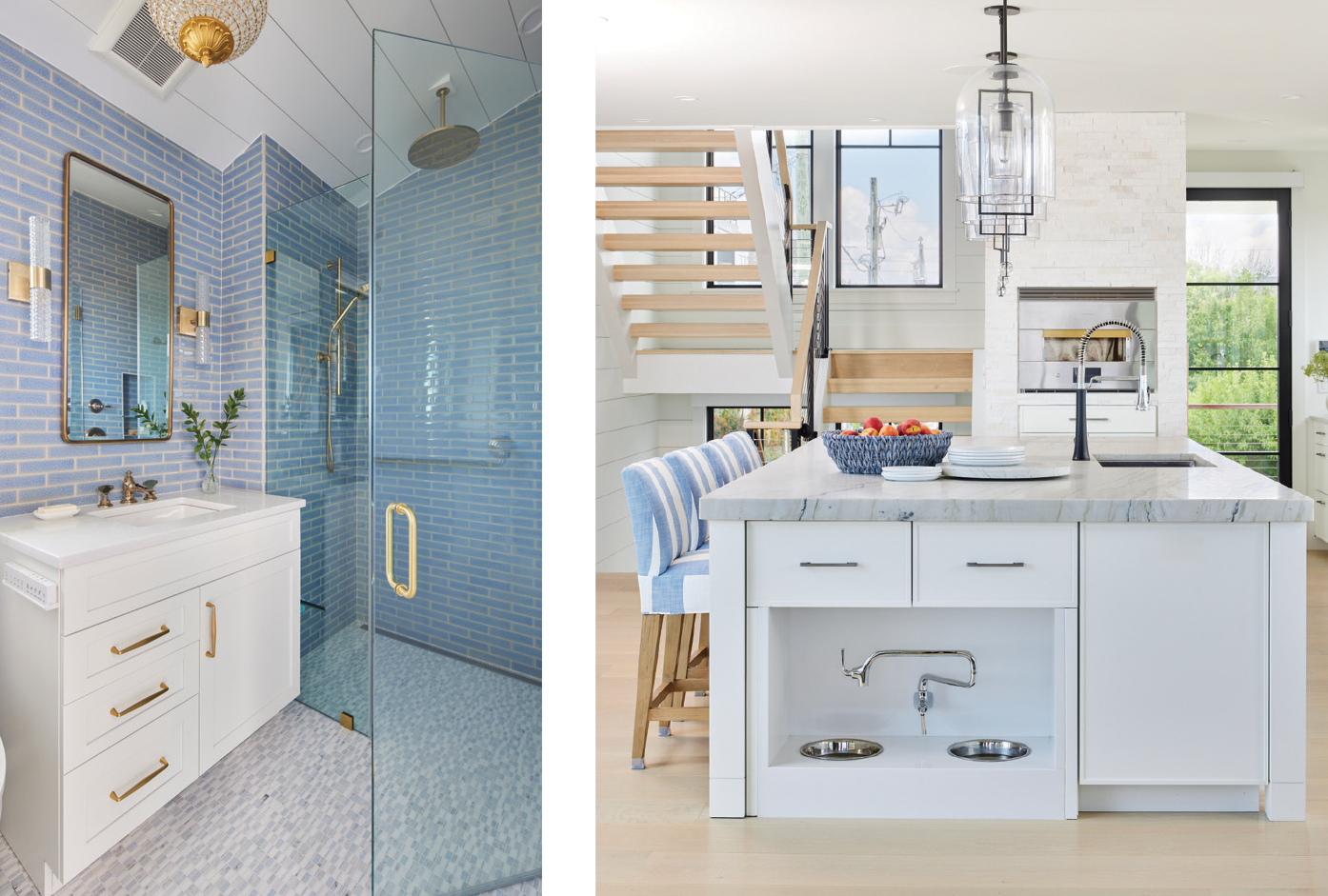
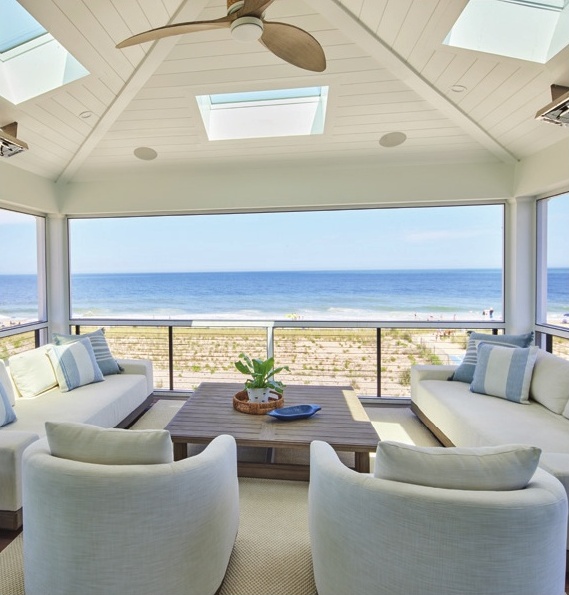
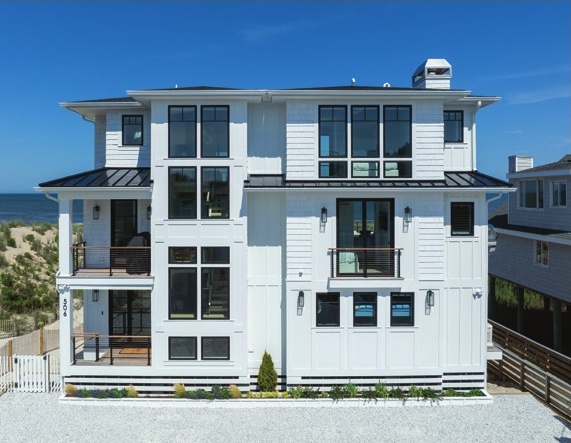
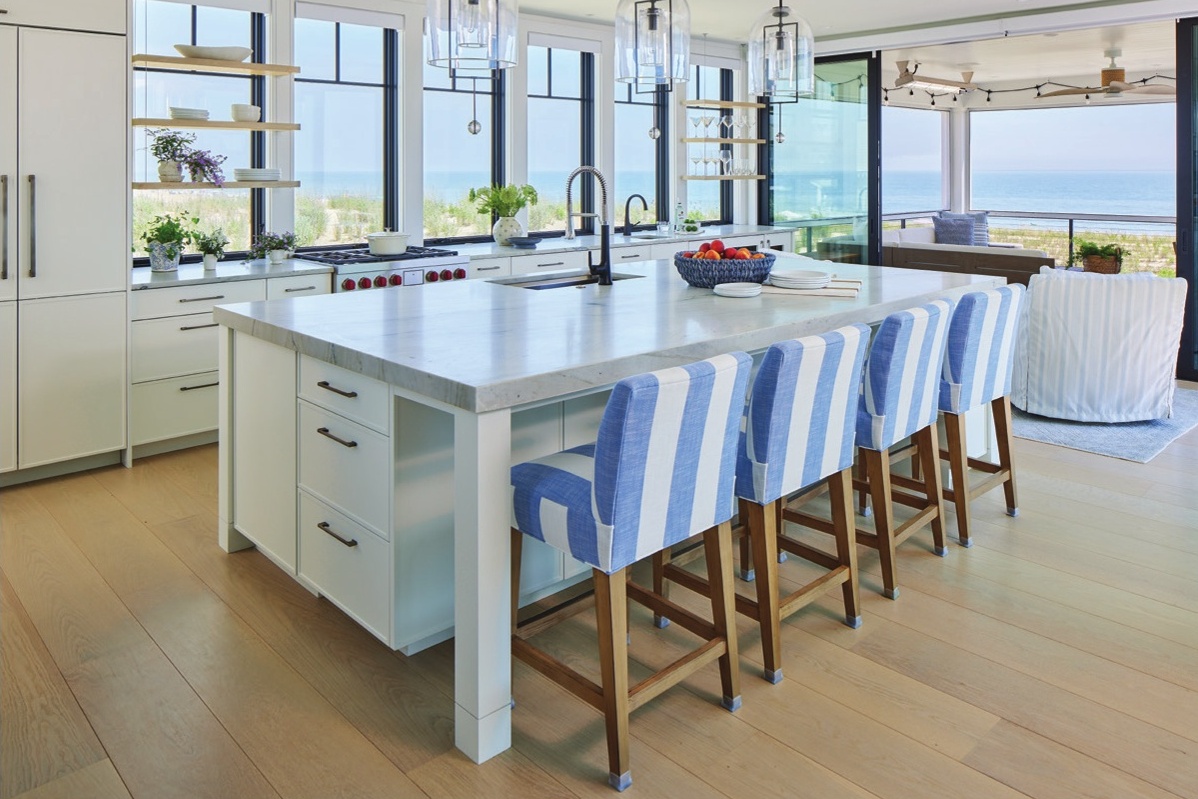
Project highlights: This 3,700-square-foot oceanfront home sits on a corner lot in South Bethany. With sweeping ocean sights to the north and east, the design wraps the kitchen in a wall of windows that flow into an L-shaped stretch of floor-to-ceiling multi-slide doors overlooking the pool and beach beyond. The home is fully custom with built-in bunk rooms and custom beds to clever storage and cozy nooks. The kitchen stuns with White Bellagio Quartzite, custom cabinetry, open glass shelving, and even a built-in pizza oven. Special features include two screened-in porches, one just off the kitchen, and another off the primary suite, complete with skylights. For the pets, there’s an outdoor dog wash station, a builtin dog crate with a view, and a custom feeding station to keep things neat and easy.
exterior renovation
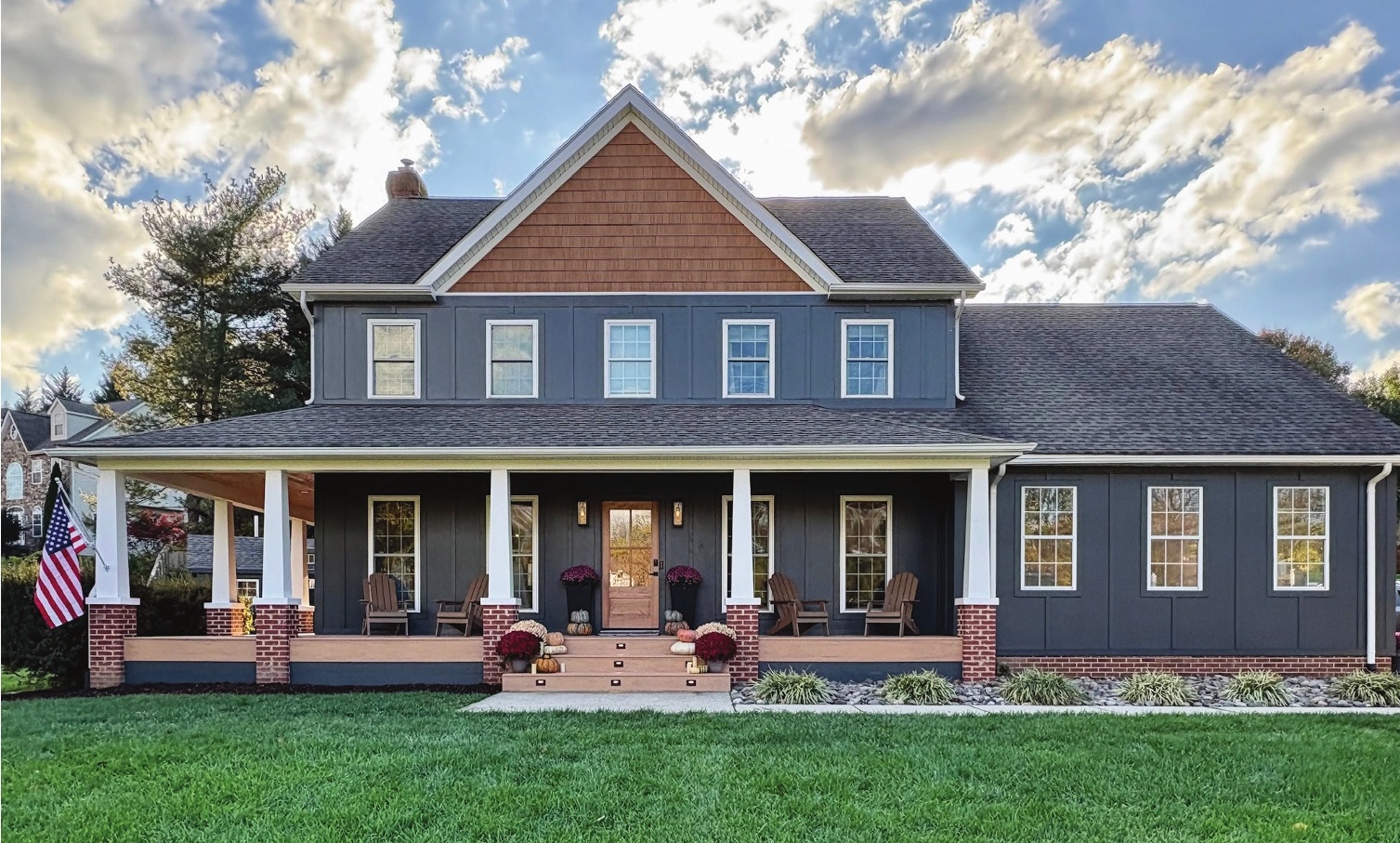
Transitional Farmhouse Exterior Renovation
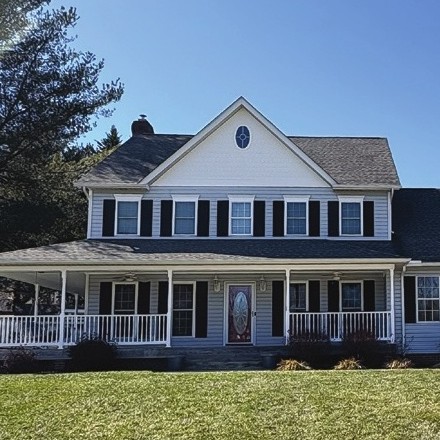
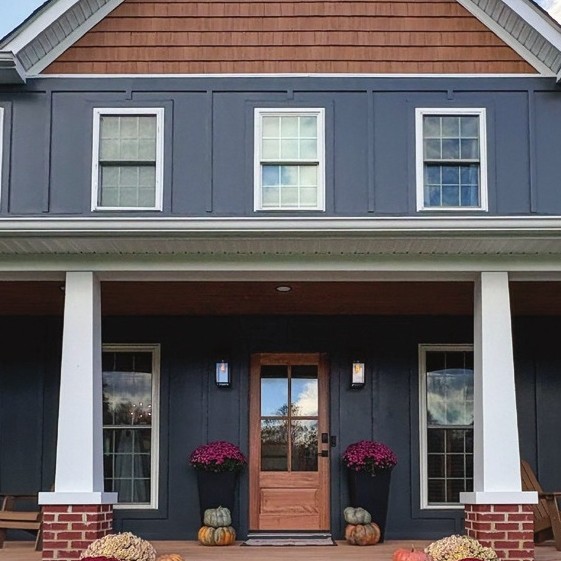
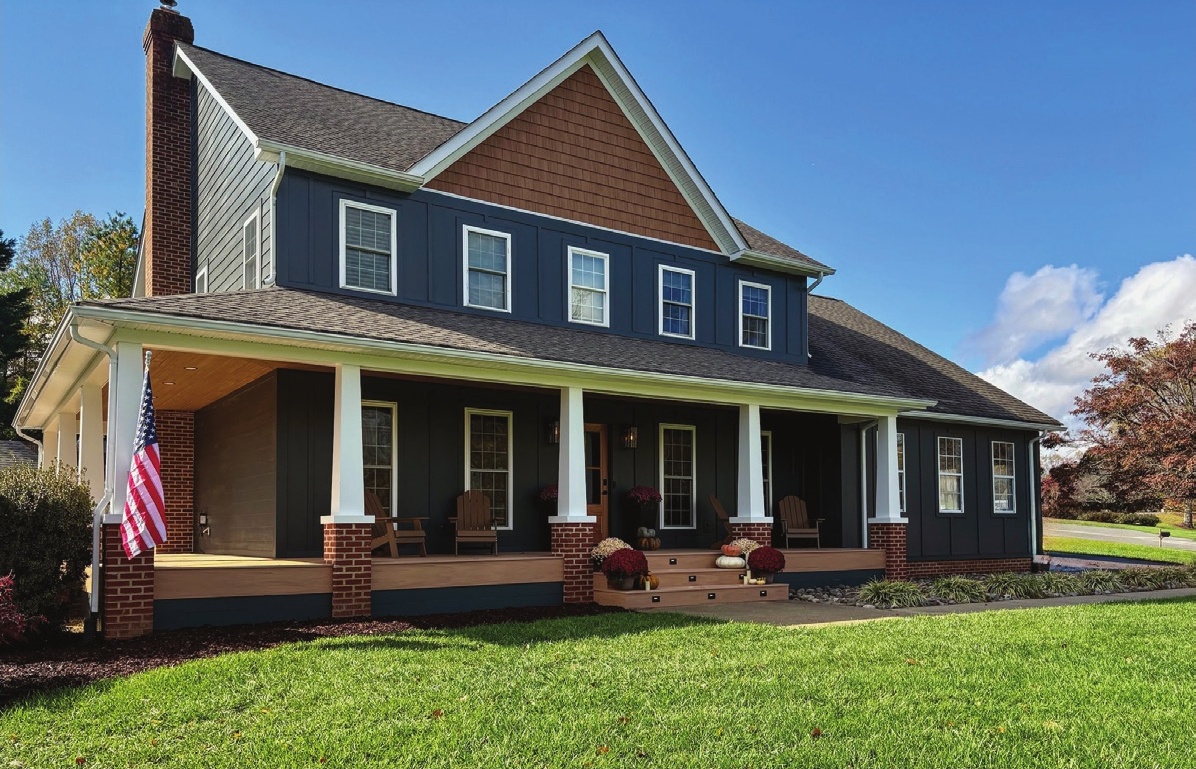
Project highlights: What began as a traditional Colonial has been completely reimagined into a transitional modern farmhouse with Craftsman influences. The exterior was transformed by replacing dated vinyl siding and shutters with rich board-and-batten cladding in a deep charcoal hue. Crisp white trim, cedar shake accents, and brick porch piers introduce natural texture and warmth while balancing the timeless architecture with a bold, contemporary style. A redesigned wraparound porch, enhanced entryway, and landscape lighting enhance this home’s curb appeal and authenticity.
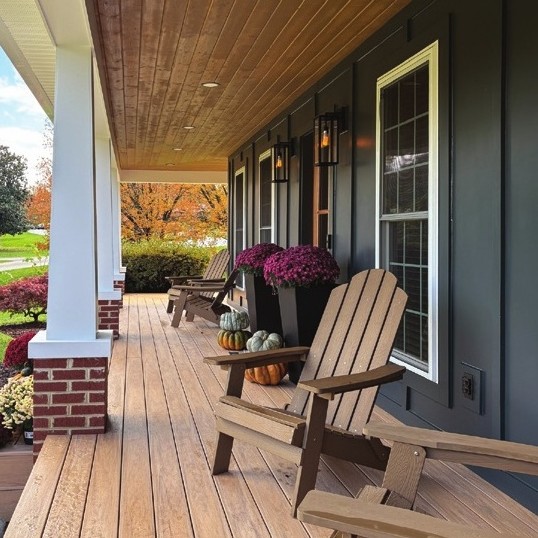
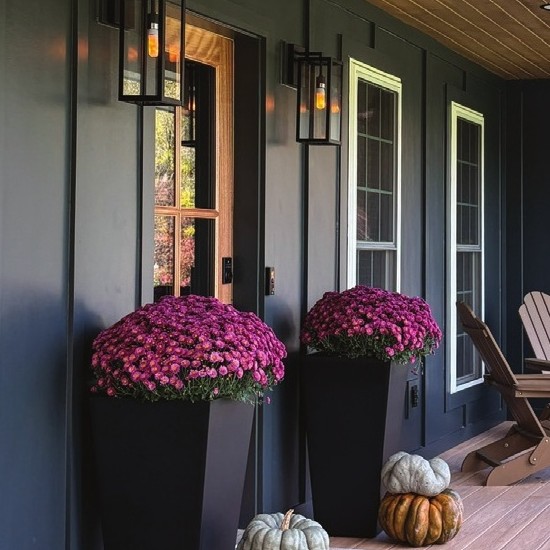
Beautiful Woodsy Home Transformation
Additional project acknowledgements: Photography by Olivea McElyea
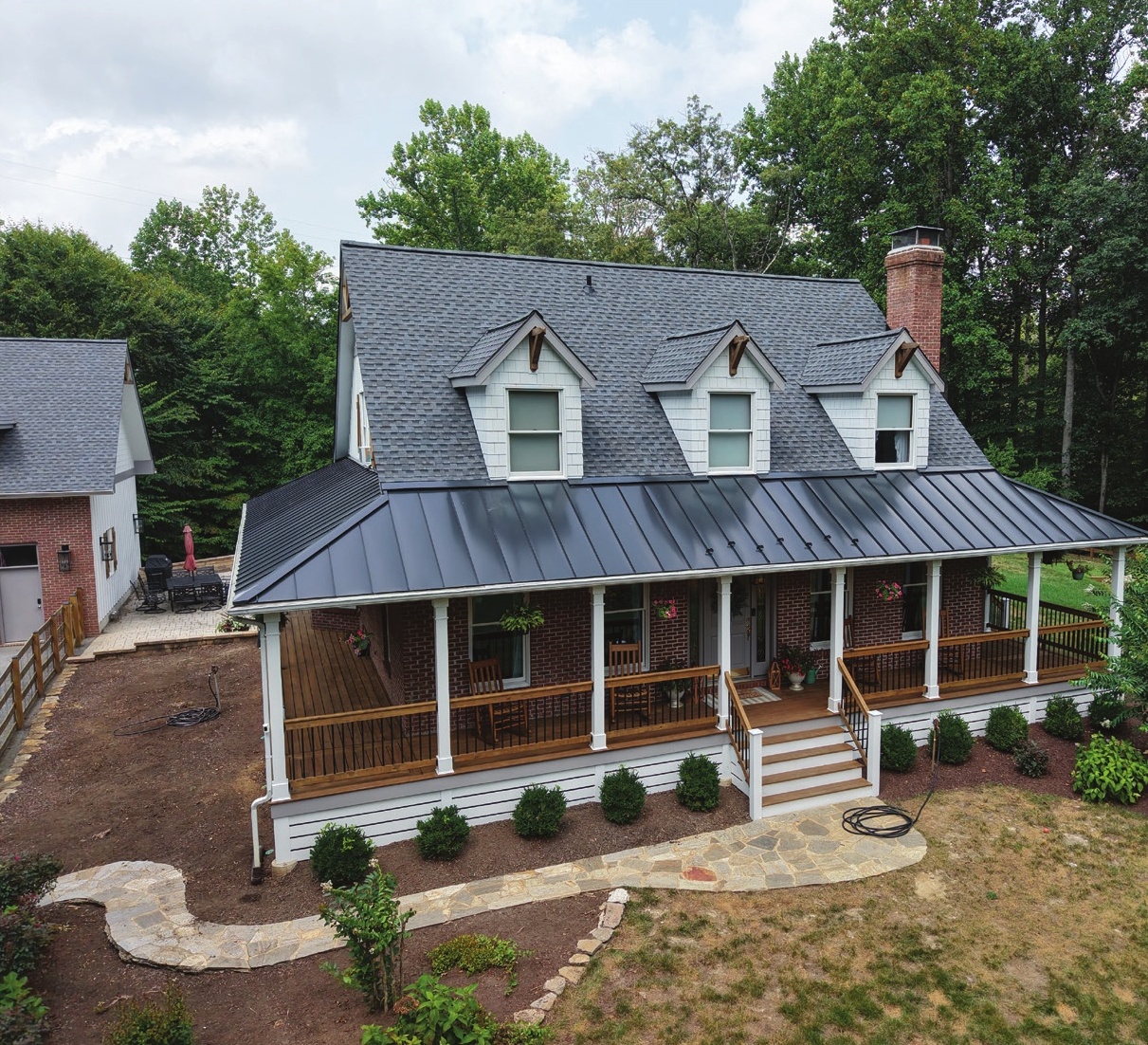
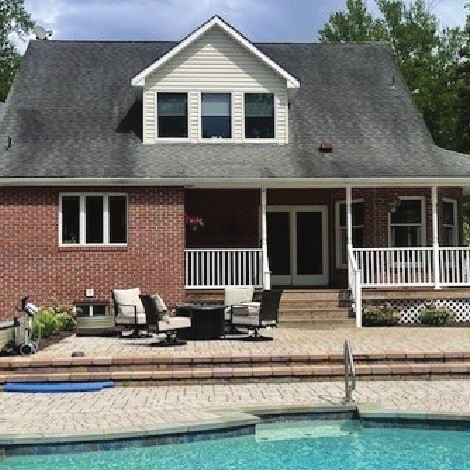
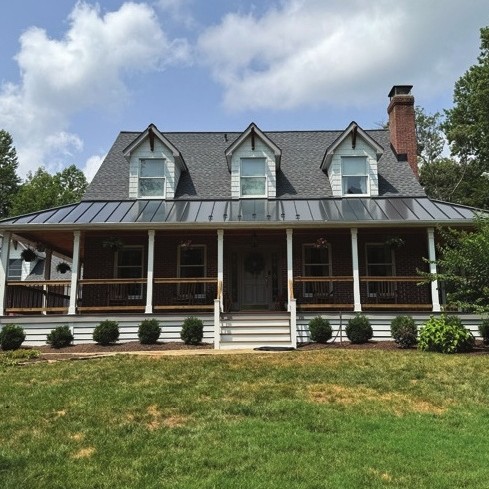
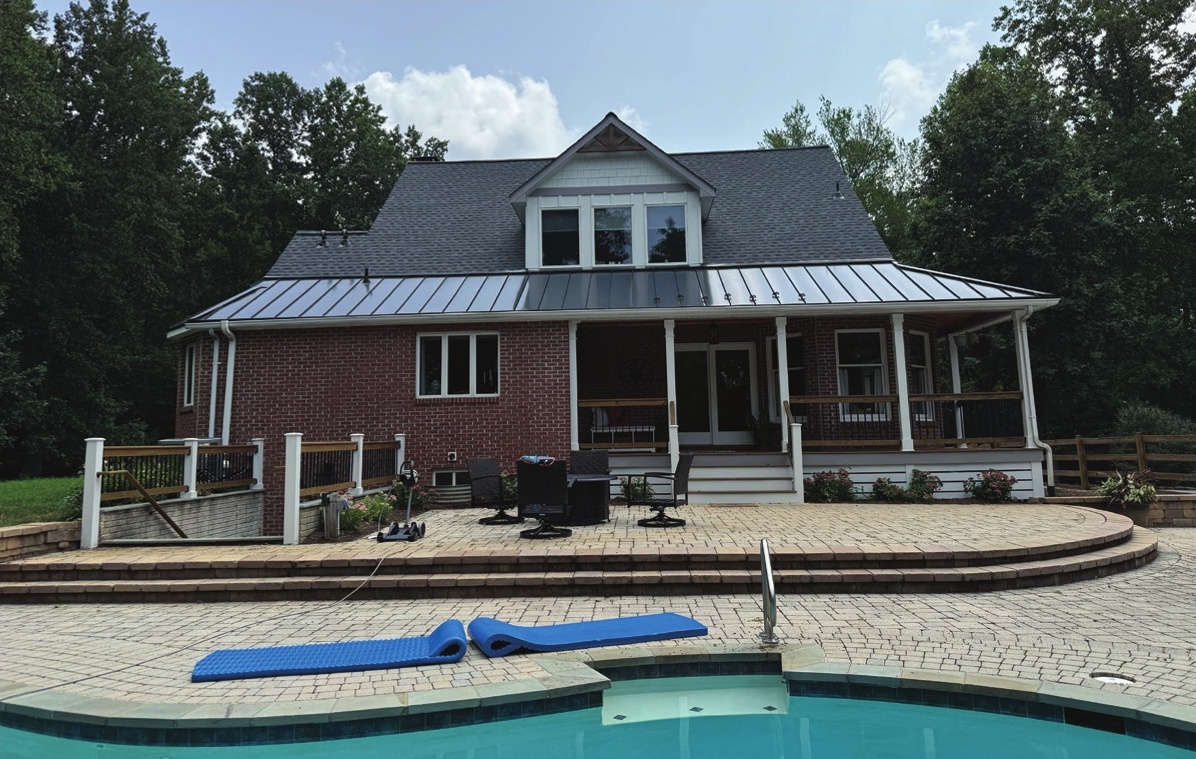
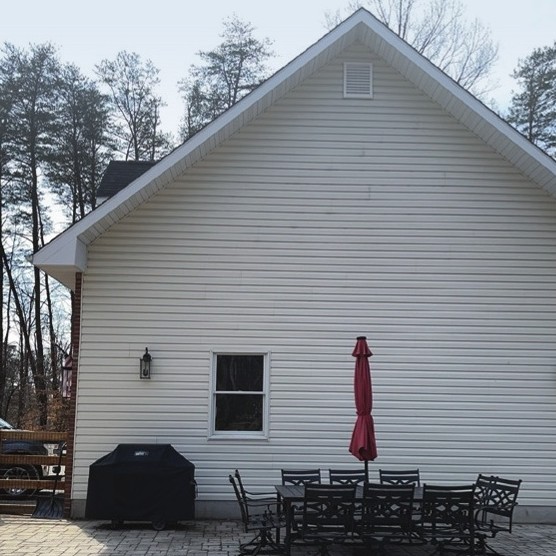
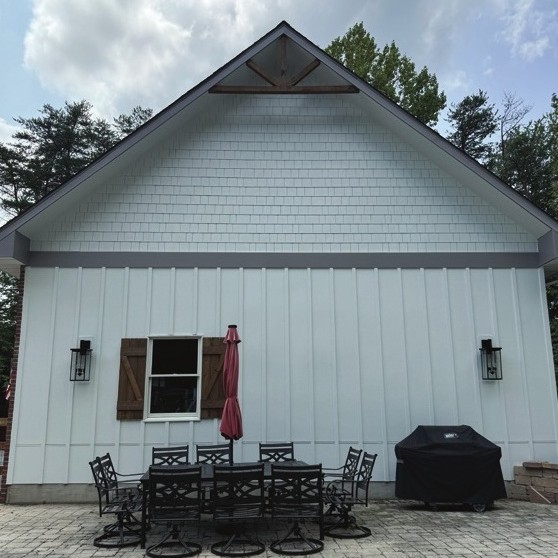
Project highlights: A beautiful, woodsy property tucked away in Crownsville was given an incredible transformation. The wraparound porch received a sleek upgrade with matte black metal roofing. The exterior was refreshed with James Hardie Fiber Cement Shingle Siding in Arctic White on the upper dormers and garage, and Hardie Board and Batten below, separated by a clean boral band. The main roof features GAF Timberline HDZ shingles in Pewter Gray, tying the whole look together. To top it off, pediments were added to the dormers and gable ends, creating an elevated, polished finish.
green/leed design/build
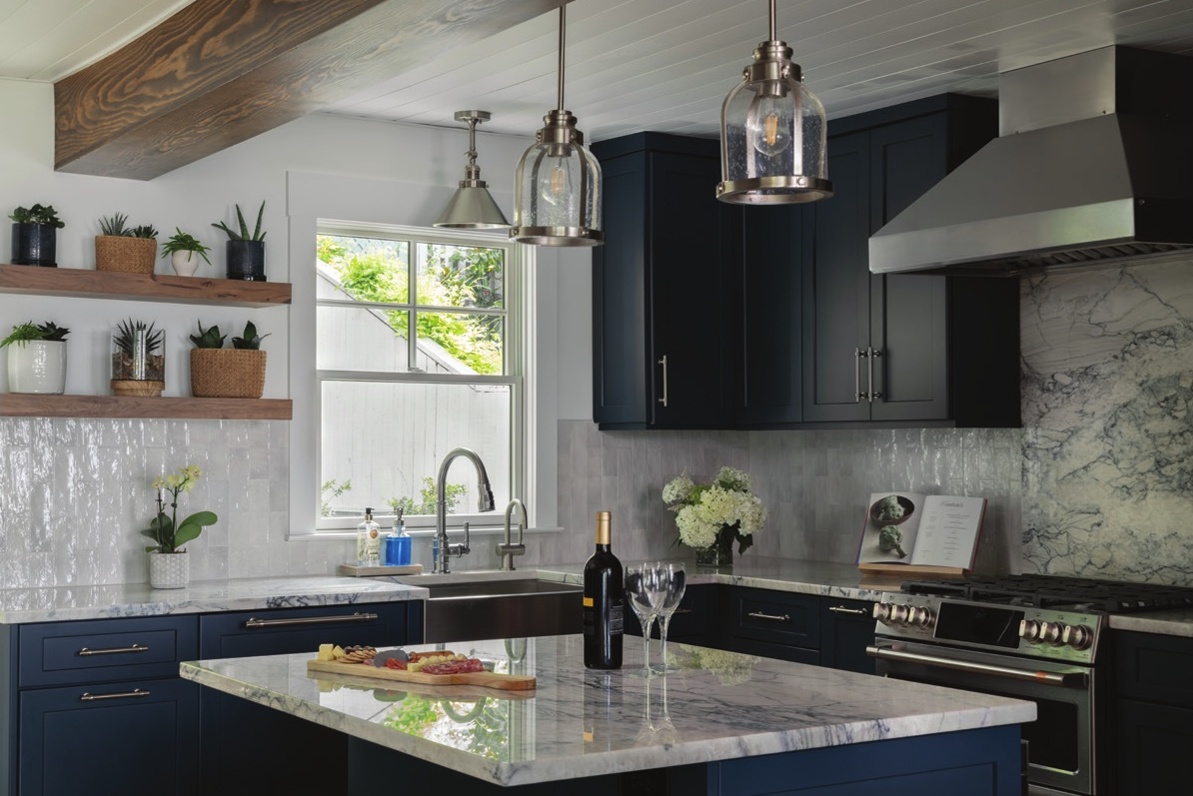
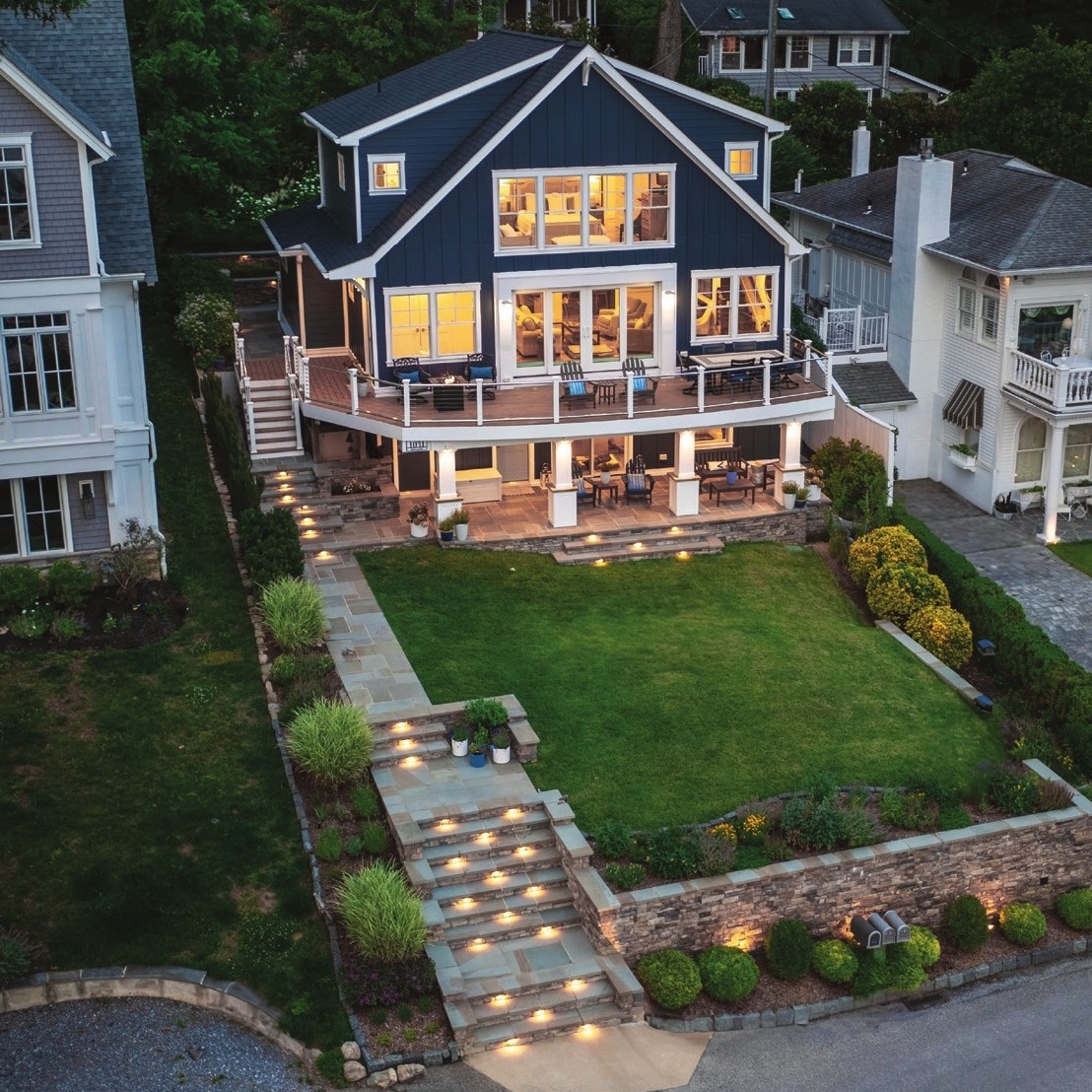
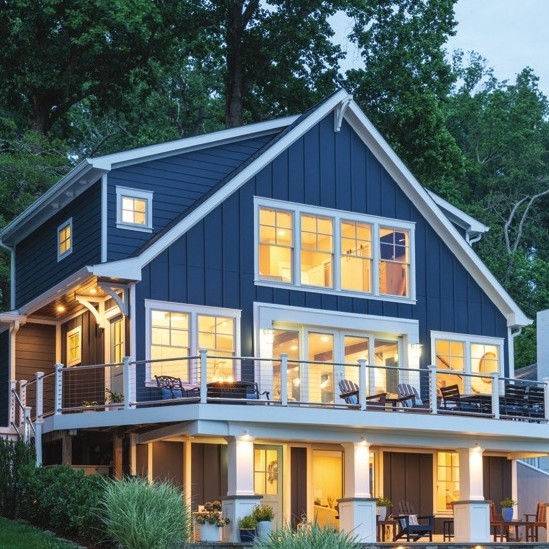
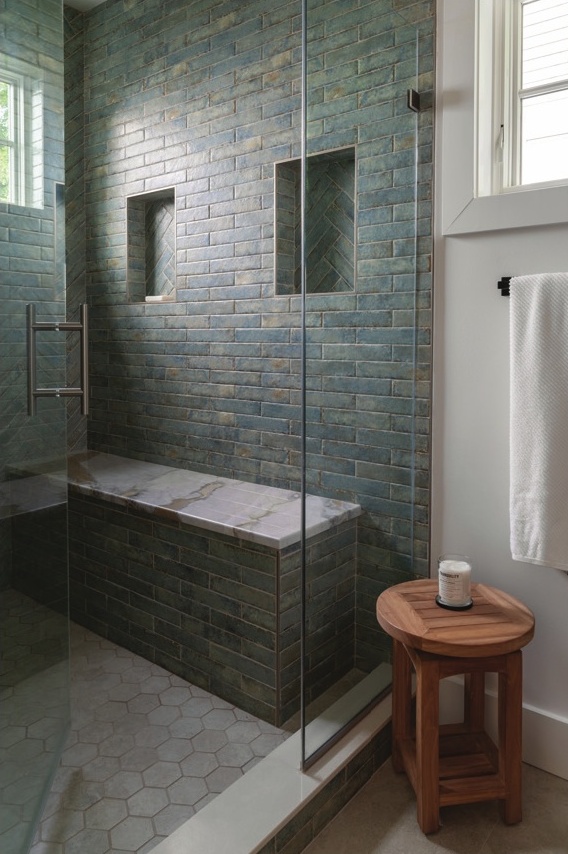
Resilient View on Rio Lane
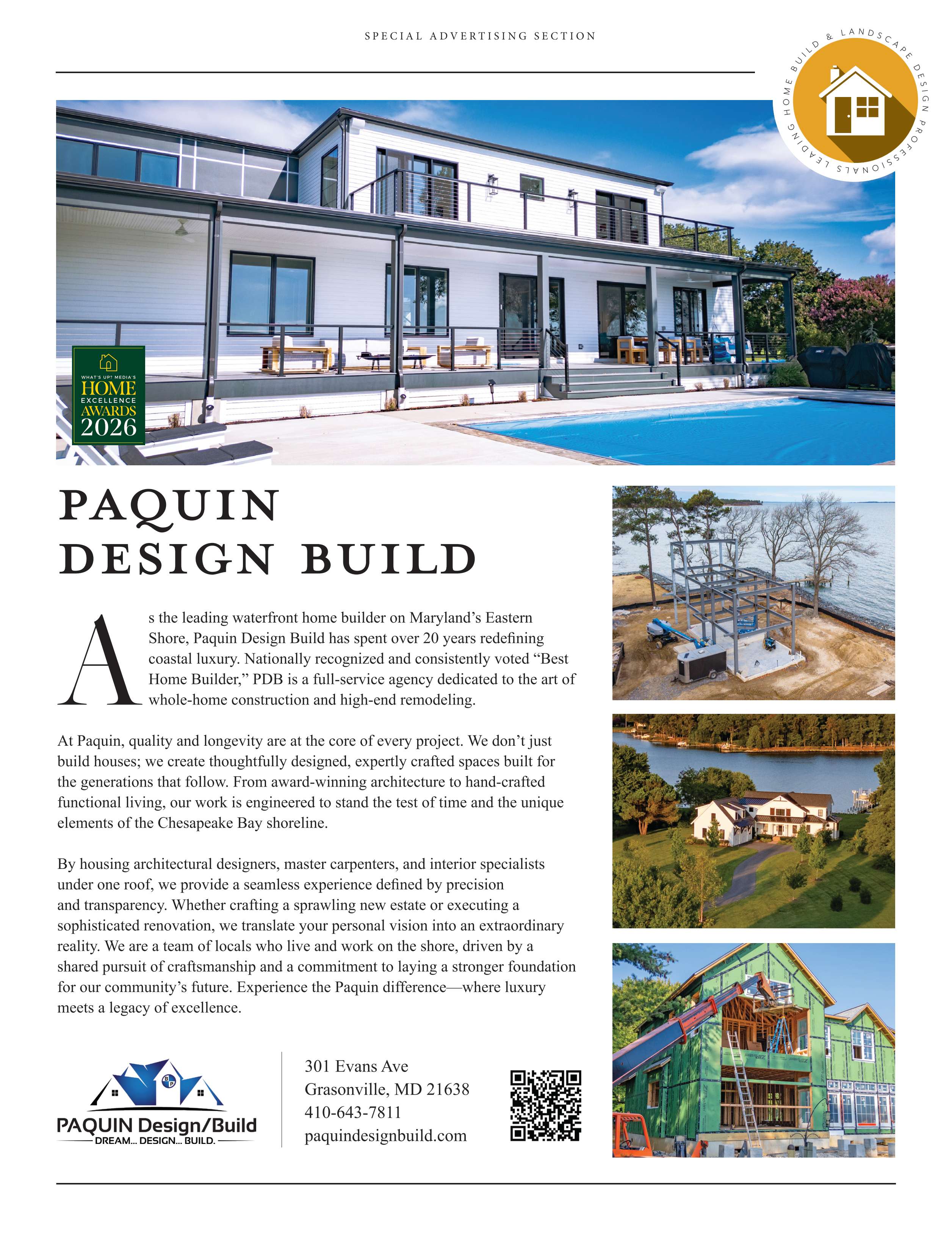
Project highlights: This 1940s waterfront cottage was reimagined into a luminous, view-driven retreat that balances design innovation, structural resilience, and environmental stewardship. Perched on steep slopes overlooking the Severn River, the site’s natural challenges and regulatory constraints demanded creative problem-solving to achieve both beauty and sustainability. What began as modest updates evolved into a complete transformation, including full roof removal and the addition of a new second story. Achieving LEED Gold certification, the home incorporates efficient fixtures, advanced insulation, and reimagined thermal systems. Structural framing issues were resolved with elegant design solutions, while new retaining walls, rain management, and native plantings reinforce the home’s resilience.
Home Comfort and Efficiency
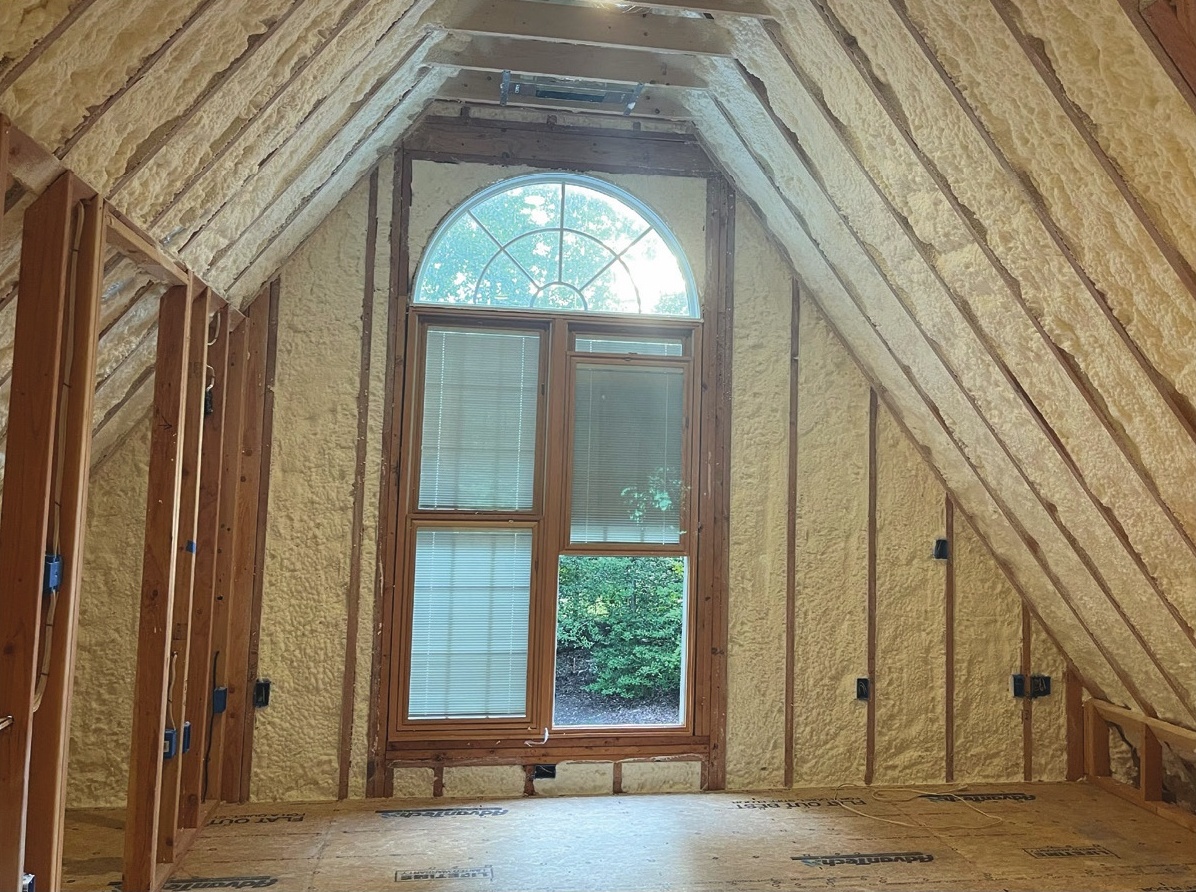
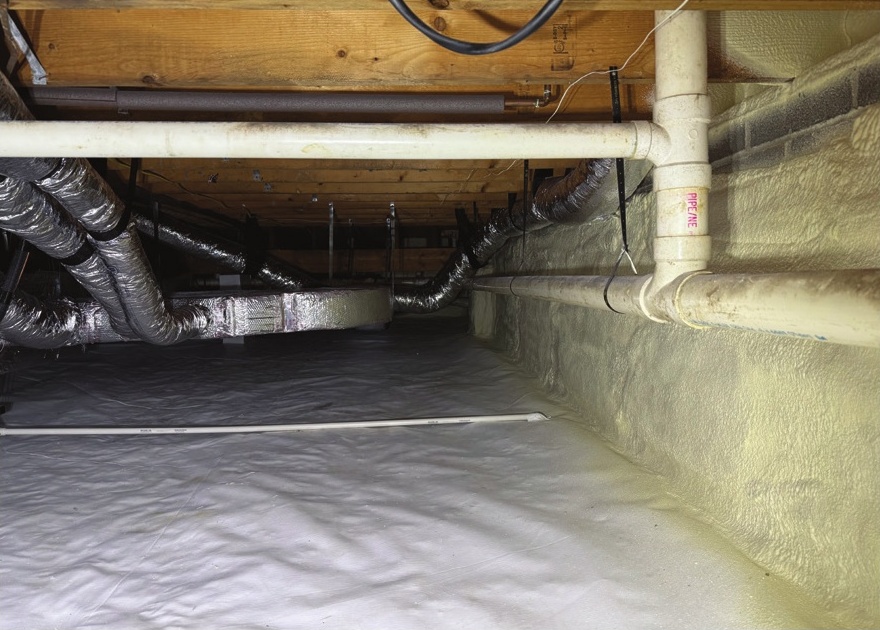
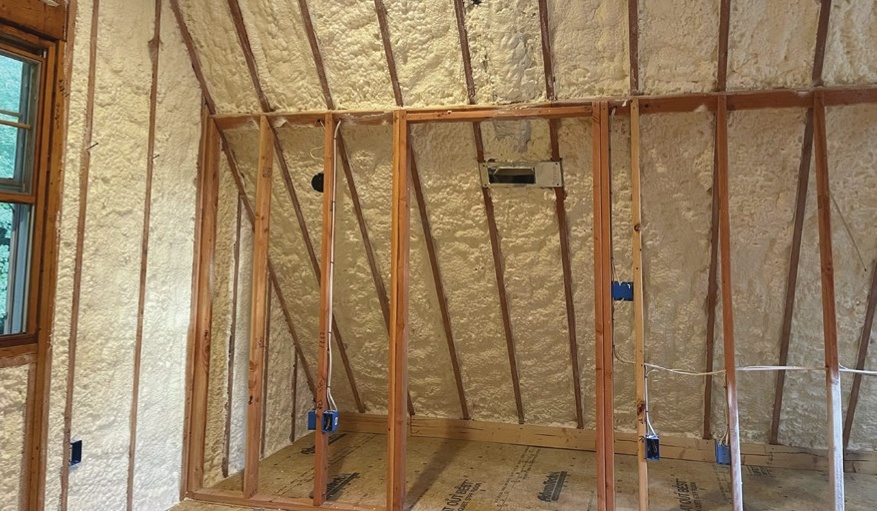
Project highlights: For this home, the THP team encapsulated the crawl space, installed an all-new high-efficiency HVAC system, and replaced the entire ductwork to improve comfort and performance. They also spray foamed the attic, creating a tighter thermal envelope that keeps conditioned air inside and unwanted moisture and heat out. The crawl space encapsulation helps control moisture, reduce humidity, and prevent mold growth, while the upgraded HVAC system and new ductwork deliver cleaner, more consistent airflow throughout the home.

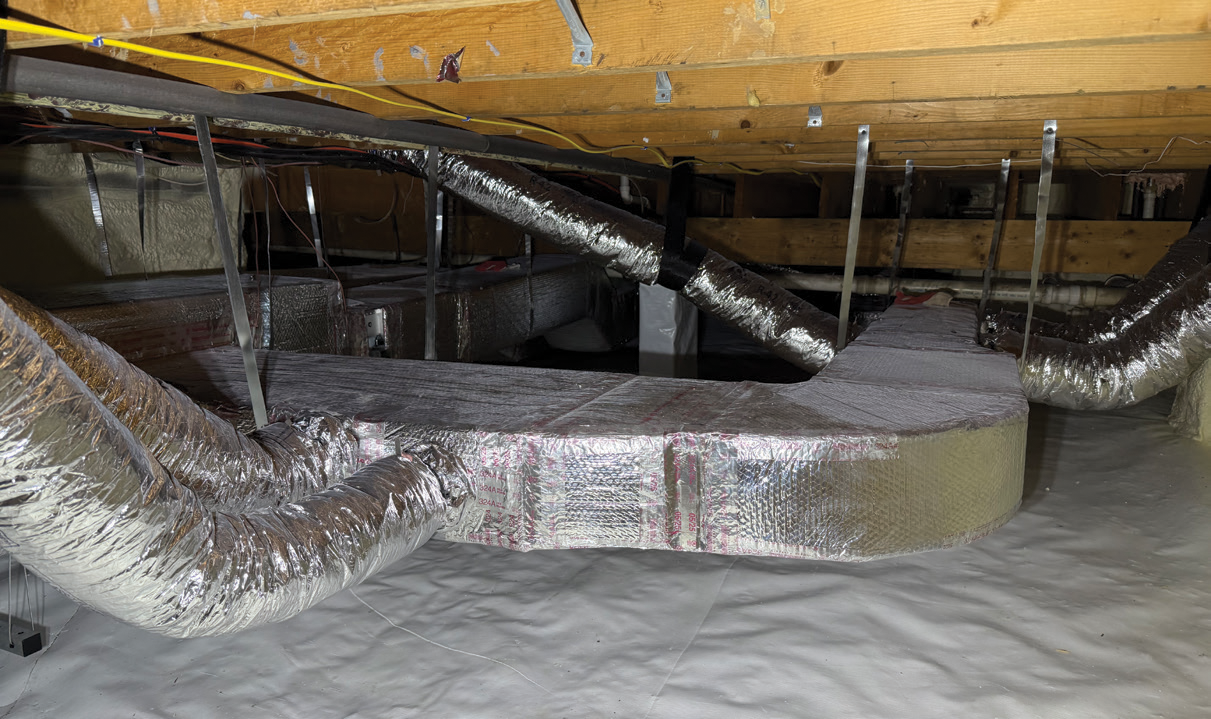
hardscaping
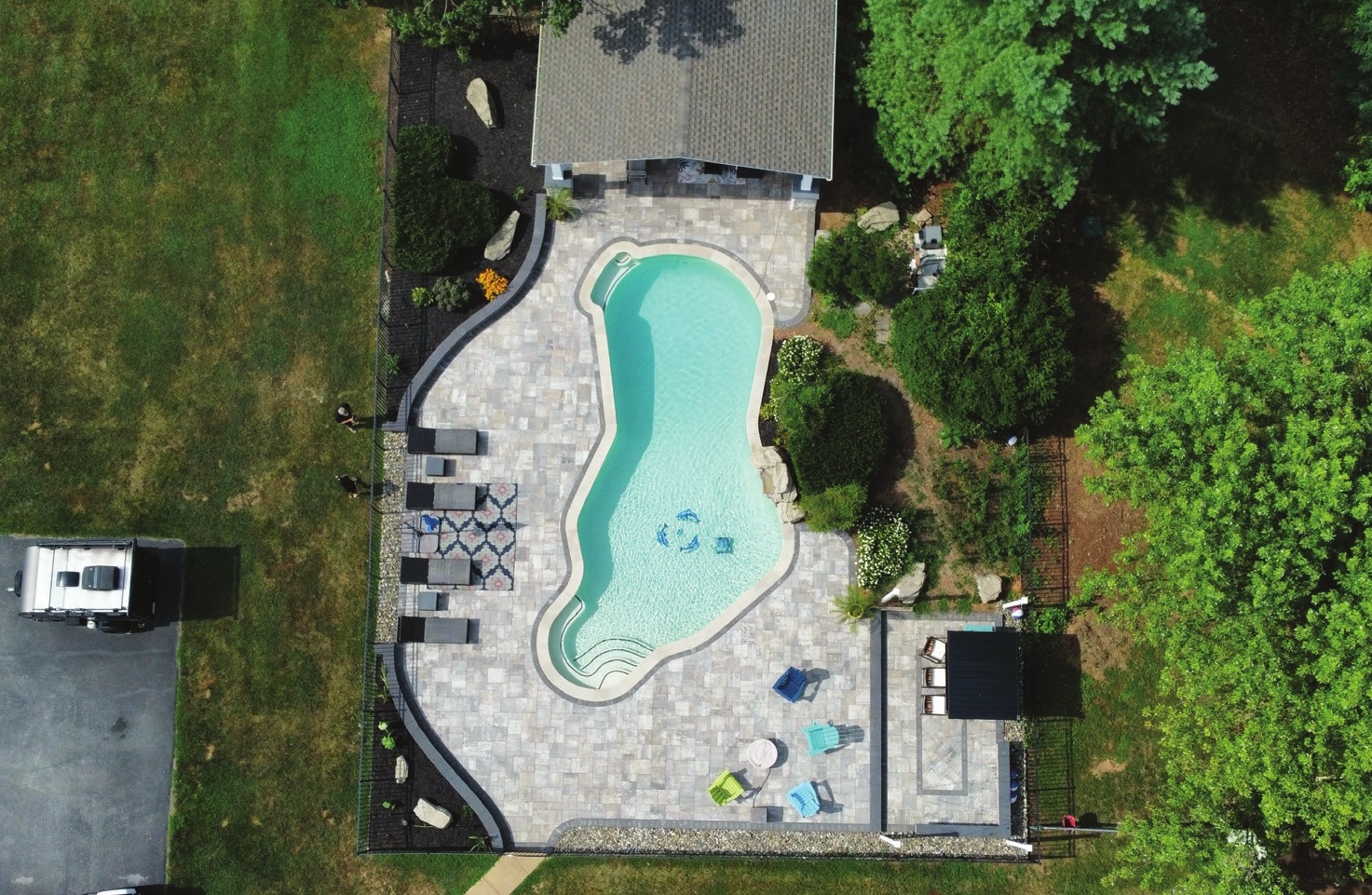
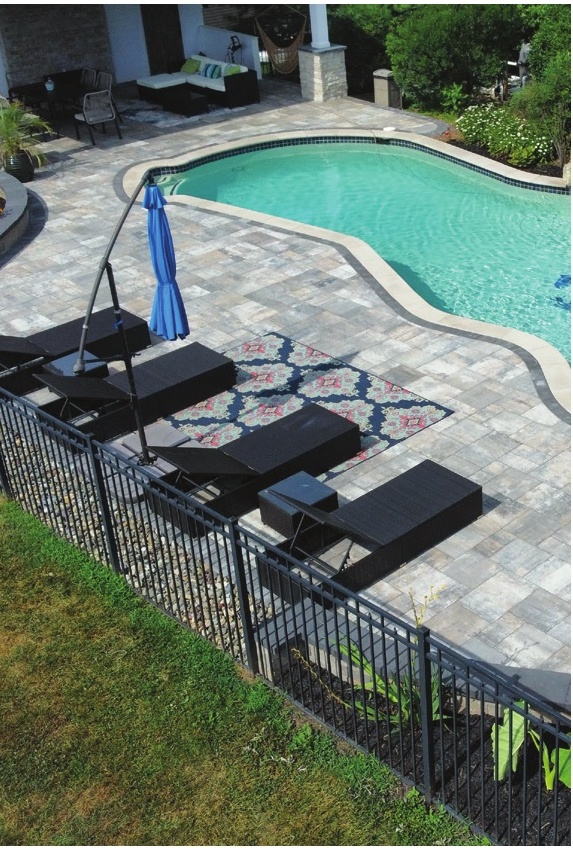
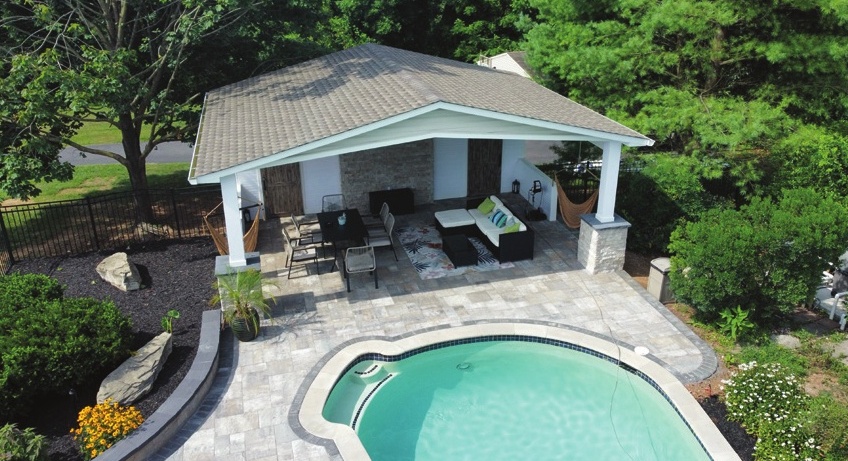
Custom Pool Surround
Additional project acknowledgements: Photography by A Digital Mind
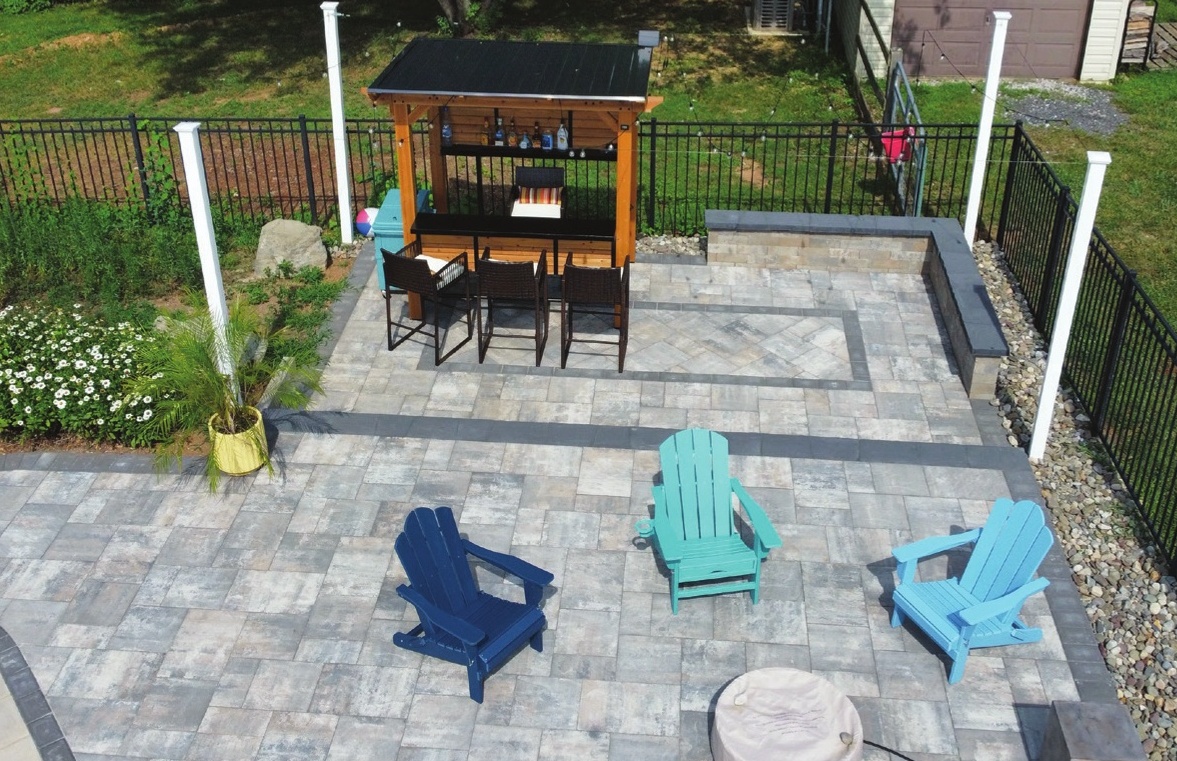
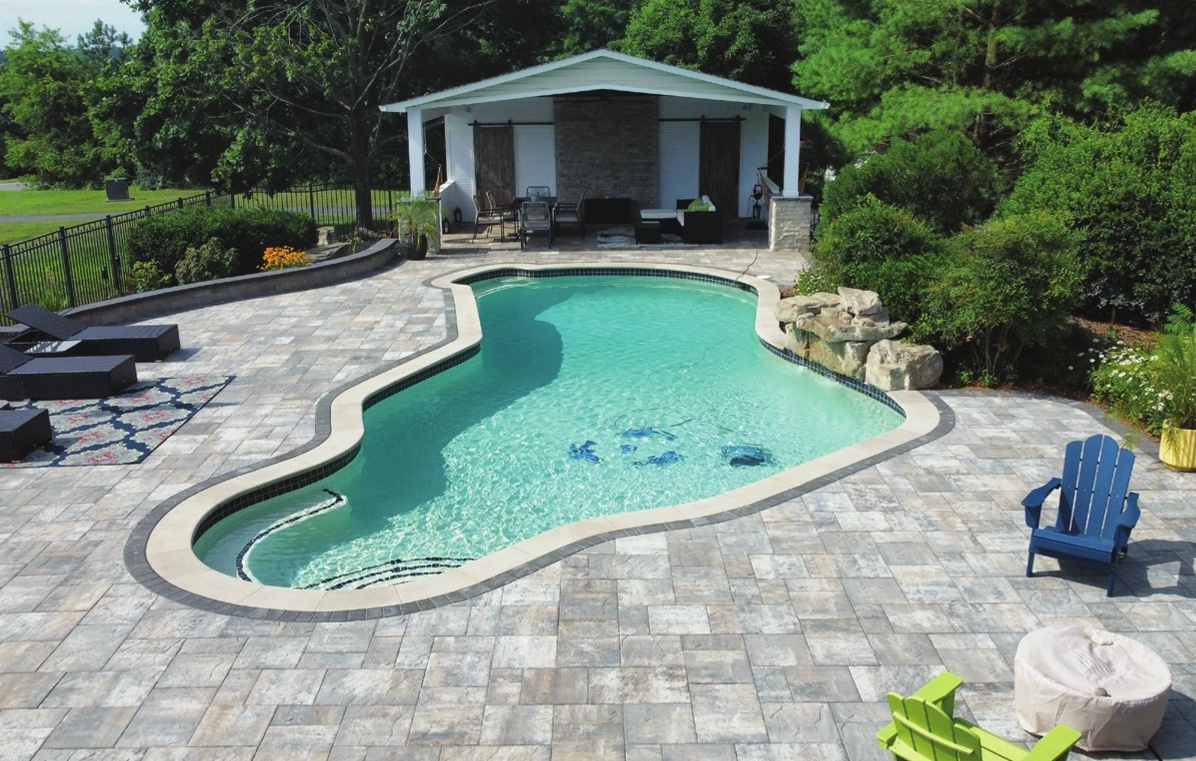
Project highlights: This pool surround used top tier elements, including Cambridge Ledgestone pavers in Stone Harbor Color; river cobble; Cambridge Old English front garden wall with ledgestone caps, LED ledge step lighting; and sitting walls. Plus a side, recessed seating paver patio and custom built 26’ x 20’ pavilion.
home design/build
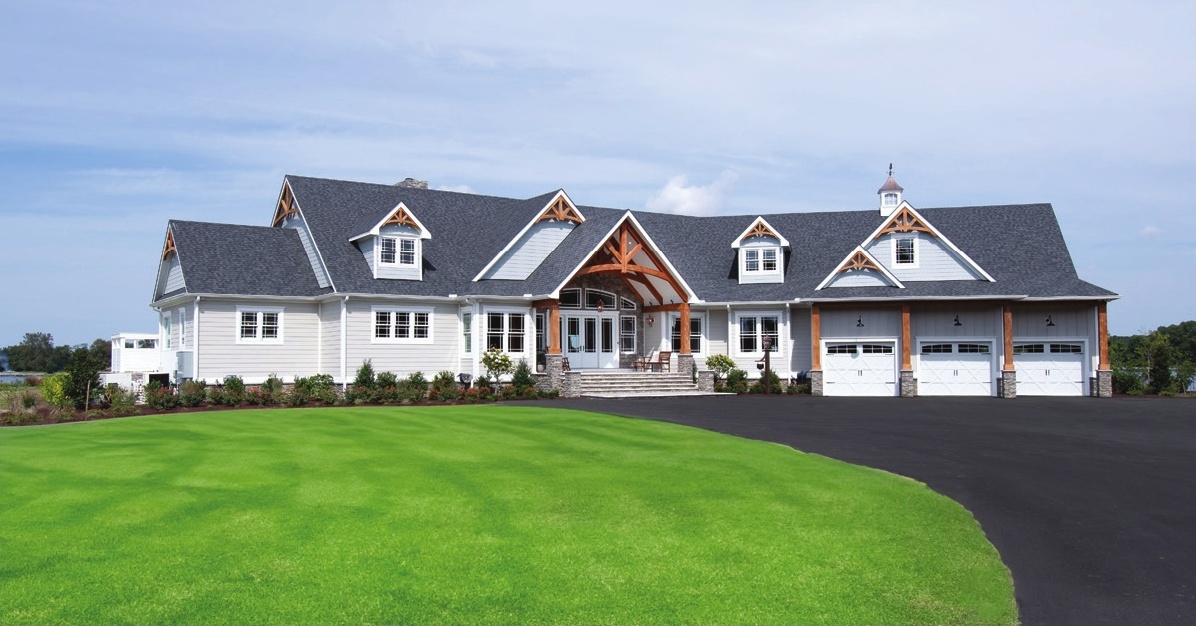
Peace Cliff
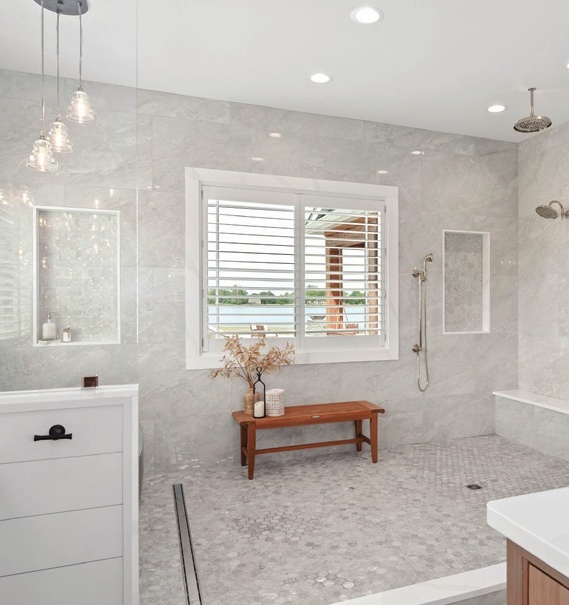
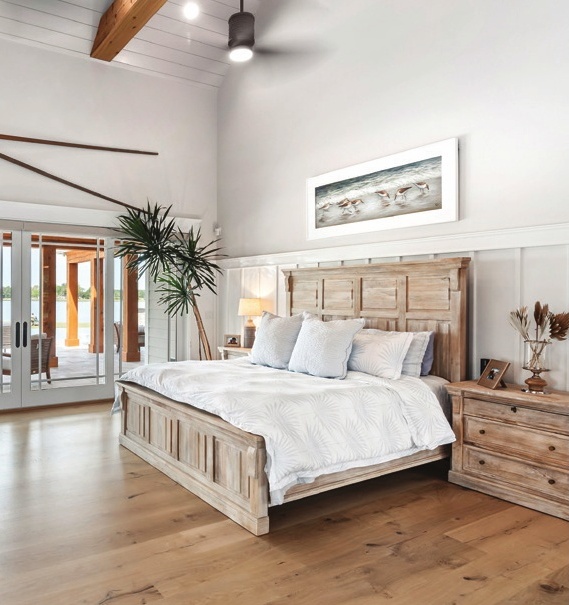
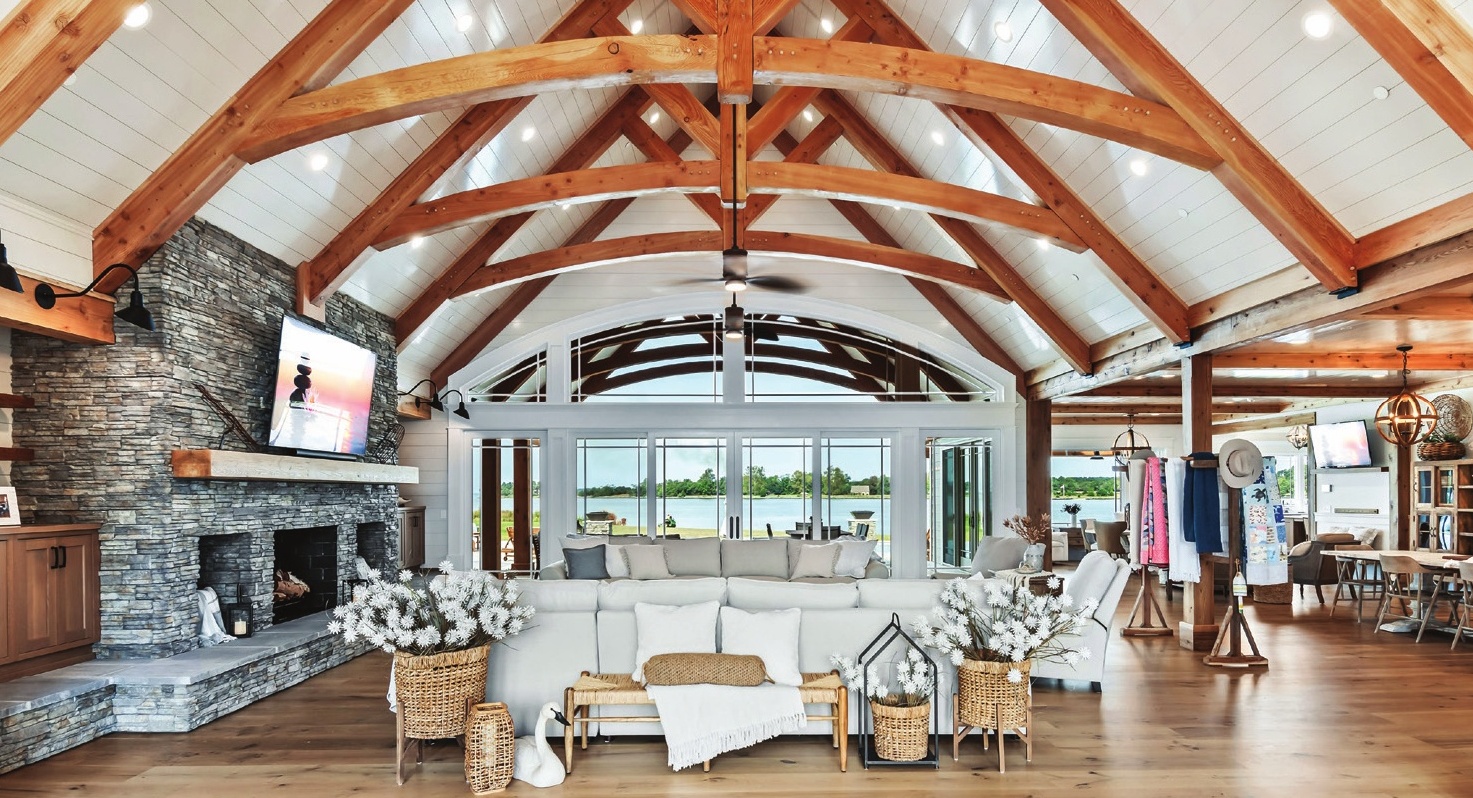
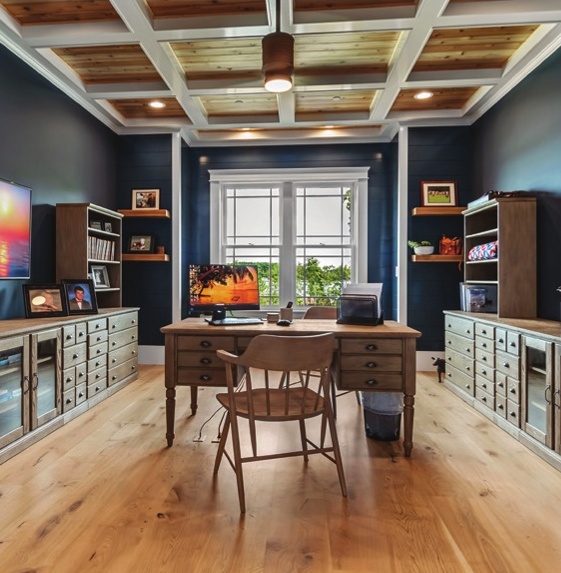
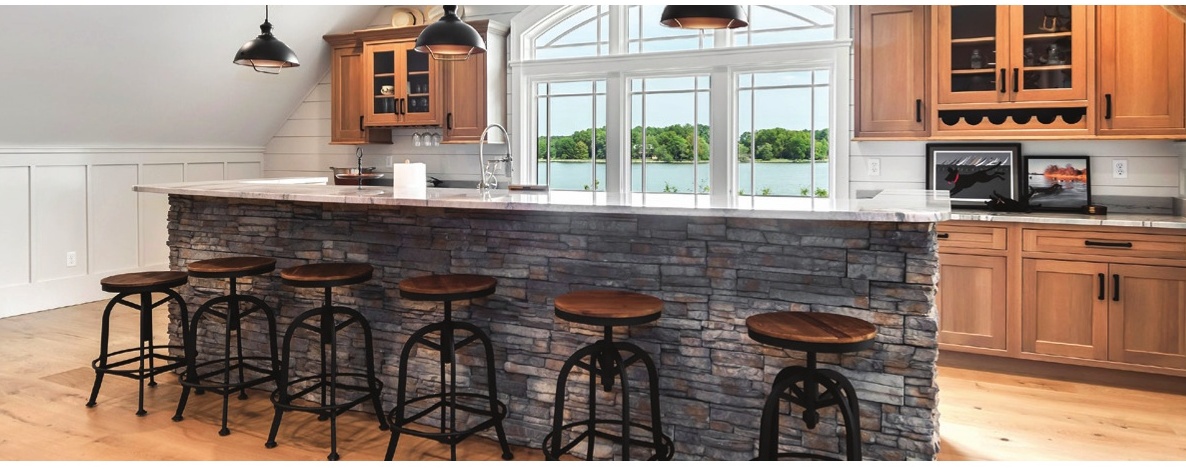
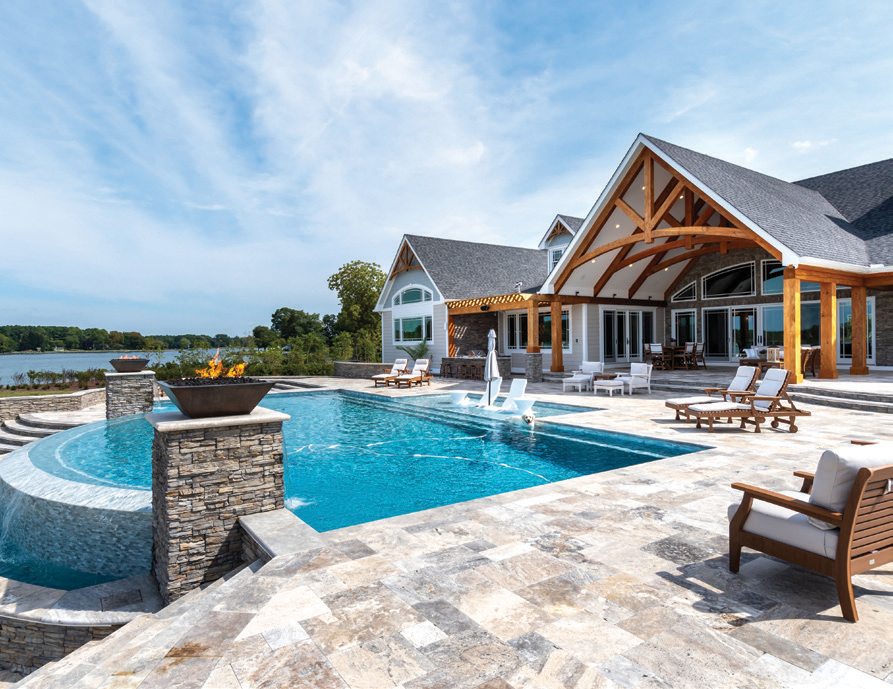
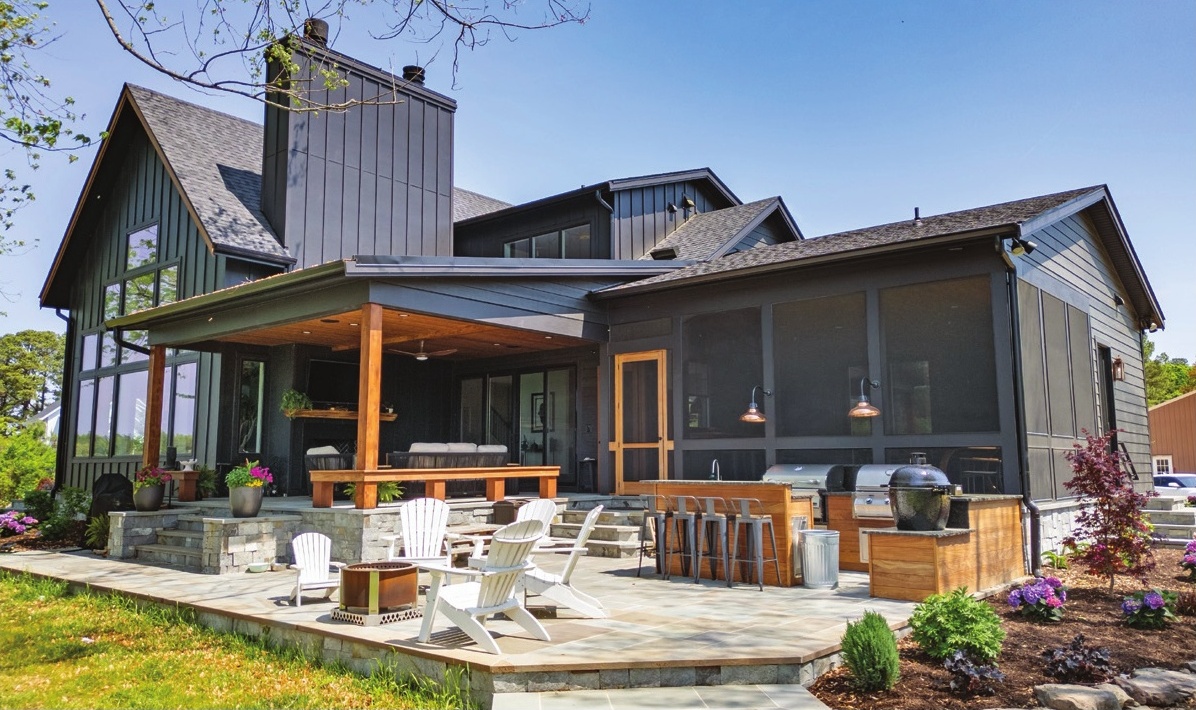
Project highlights: Designed and built by Red Oak Properties on Island Creek Talbot County, this home was built to have the coastal Eastern Shore farm charm with post and beam accents.
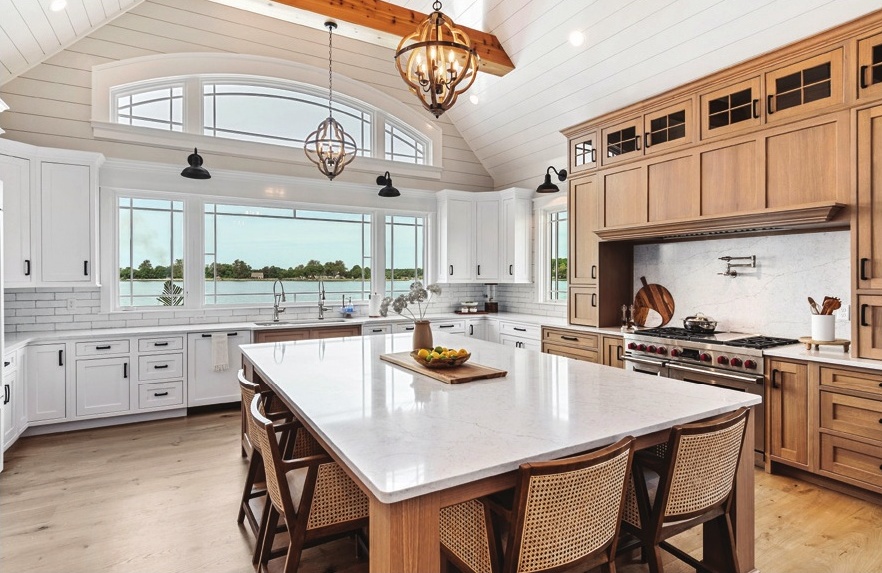
High Performing Home
Additional project acknowledgements: Photography by A Digital Mind
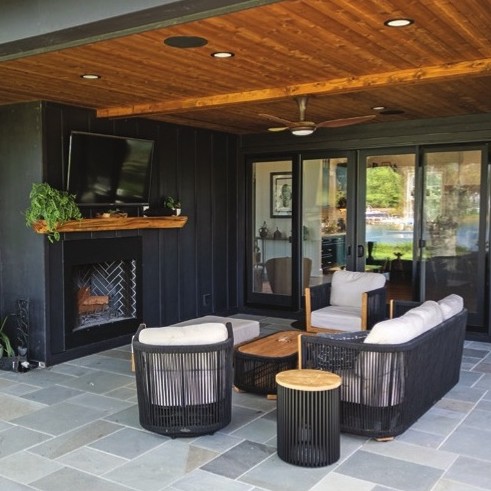
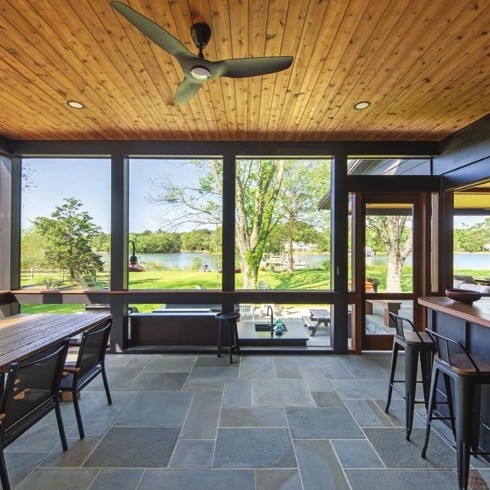
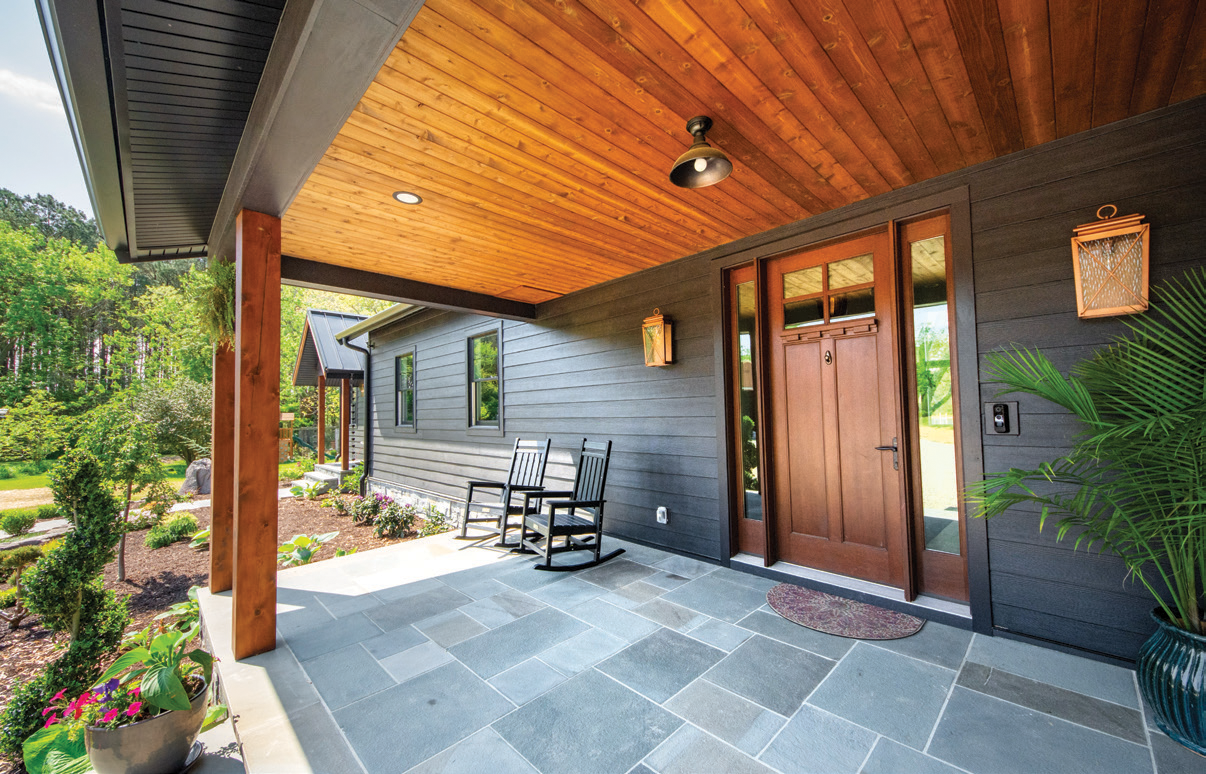
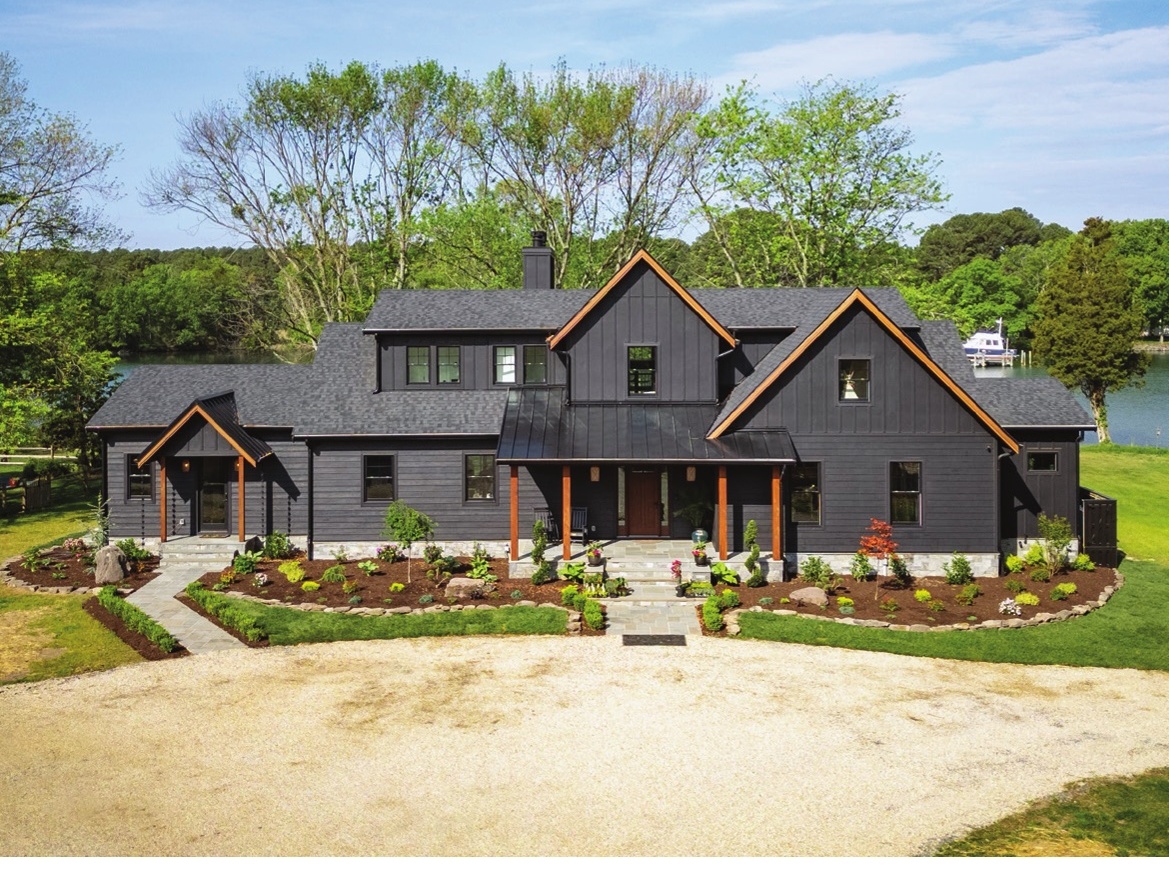
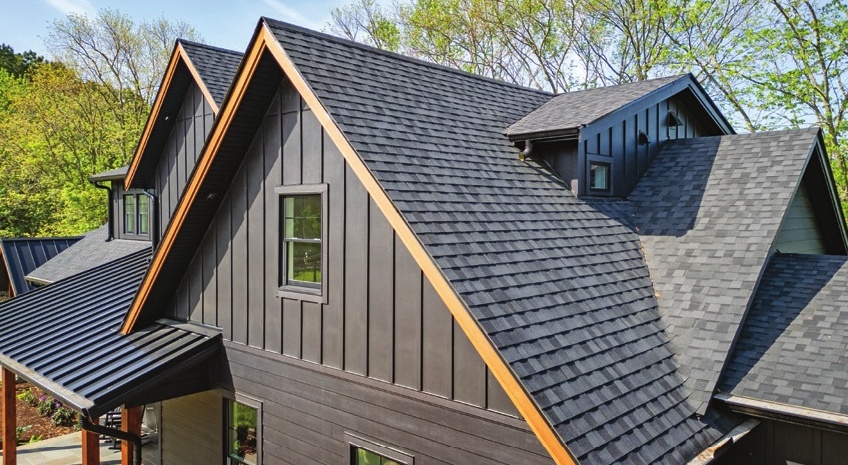
Project highlights: Main level features stained Rift and Quarter Sawn White Oak flooring. A fireplace wall is accented with a black walnut mantle and Graphic Planc tile. The kitchen is anchored by a large island with 60-inch Wolf gas range. The cabinetry is Shiloh with Hartford Flat-Panel doors in Benjamin Moore’s Pacific Sea Teal. The island top is Cristallo Iceberg Quartzite, with white oak butcher block for the countertops. The range hood motor was relocated to the attic to reduce noise. The house is fitted with an Energy Recovery Ventilator for fresh air and two dehumidifiers. The exterior features James Hardie board and batten in Midnight Soot with solid yellow cedar accents stained dark oak. The facade is completed with a Random Ashlar stone veneer and dark roofing.
interior design
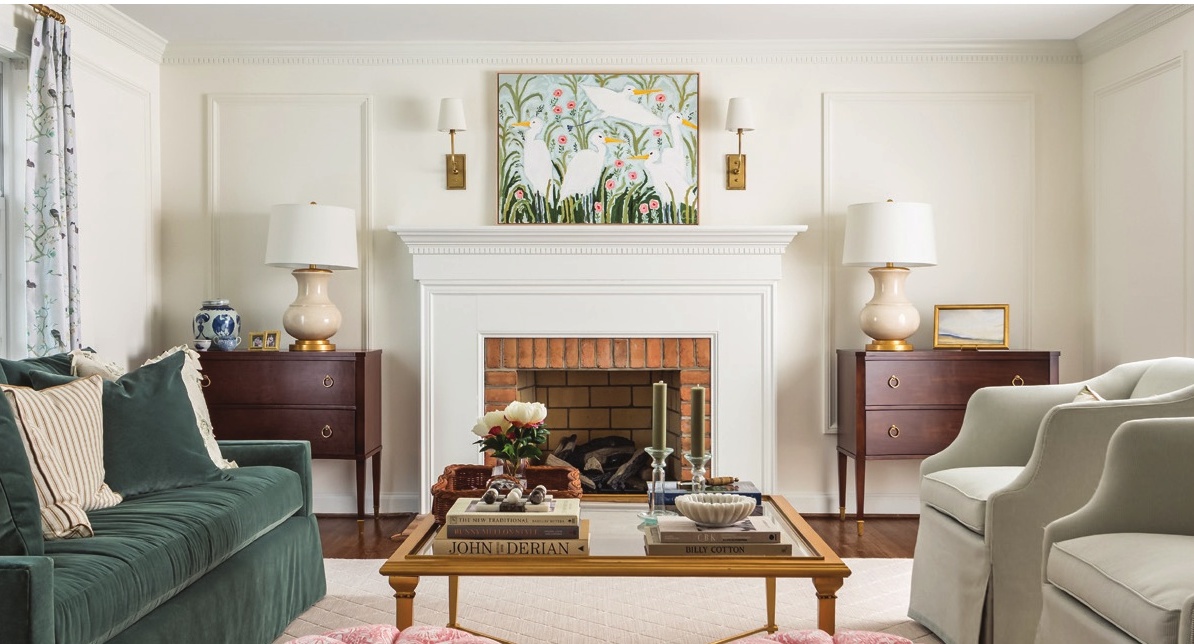
Severna Park Revival
Additional project acknowledgements: Joy Remodeling • Photography by Peak Visuals
Project highlights: This project reimagines a meticulously maintained all-brick Colonial home to reflect its new owners’ personalities while honoring its timeless character. The 3,600-square-foot residential renovation focused on blending traditional aesthetics with modern functionality—updating finishes, adding custom trim, and introducing fresh materials like Carrara marble and slate flooring. Key spaces were re-envisioned, including a new home office, mudroom, and a previously unfinished attic turned into a tranquil retreat.
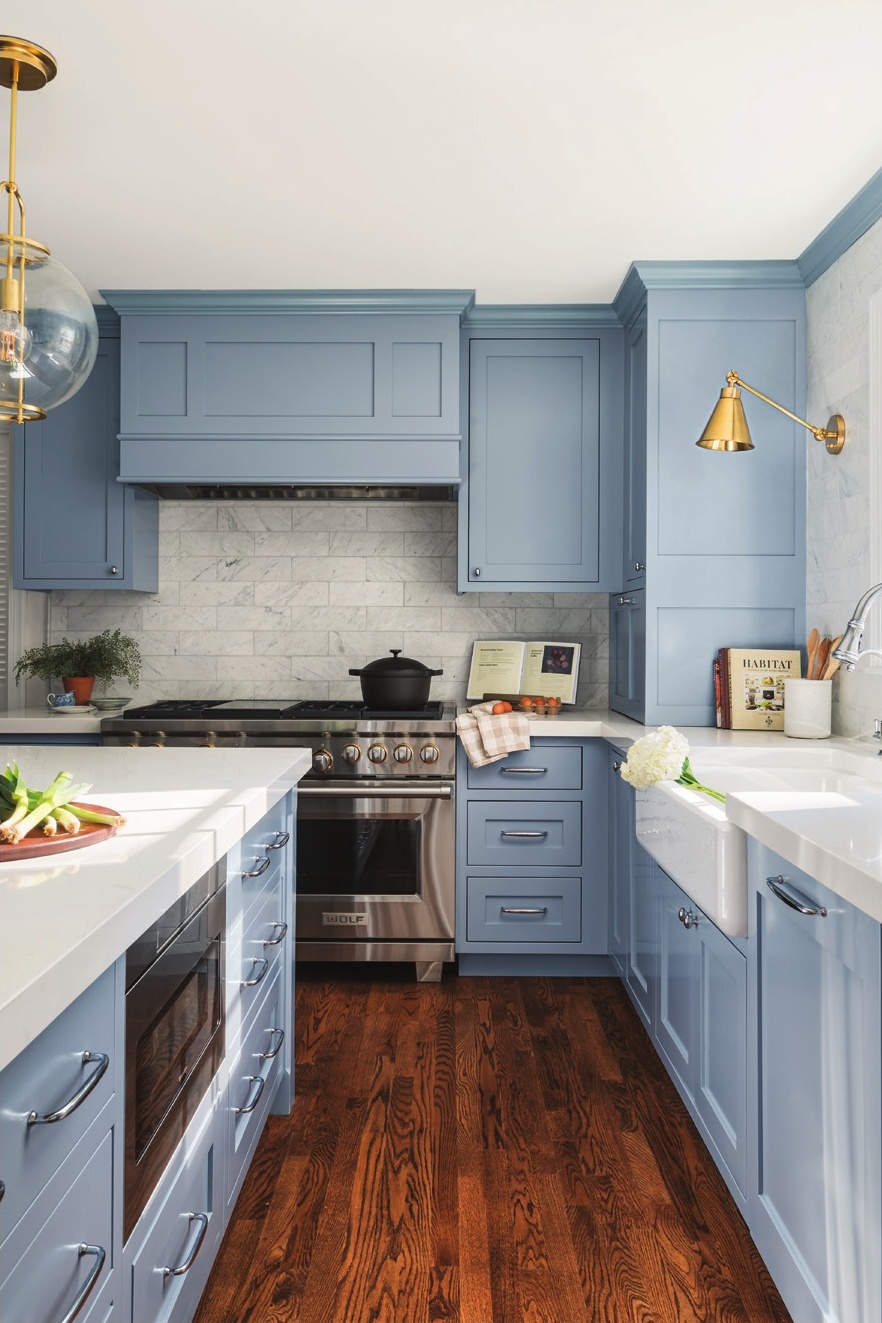
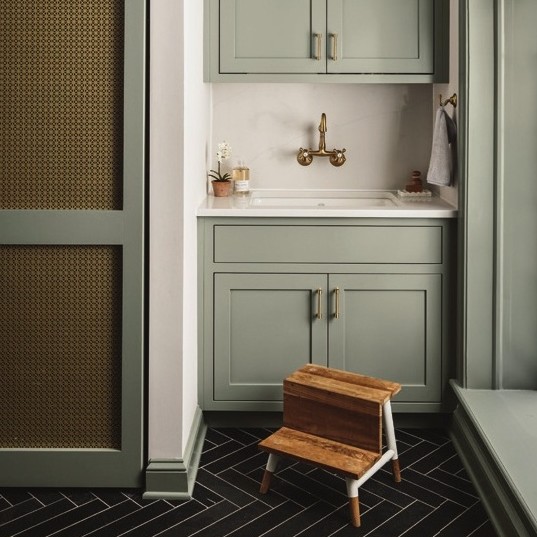
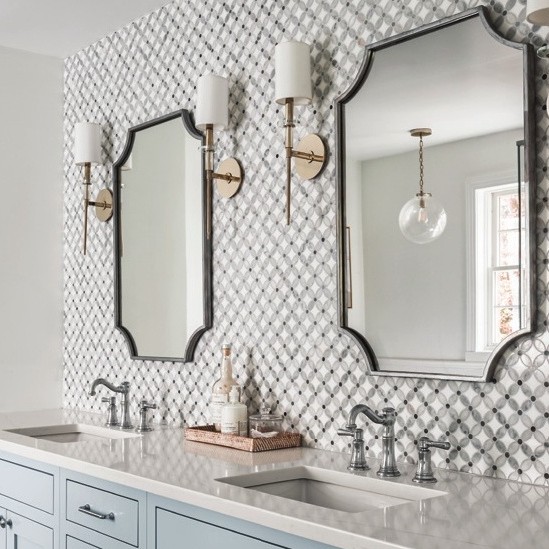
Pool House
Additional project acknowledgments: Photography and styling by Stylish Productions • Builder, Boettger Woodworking
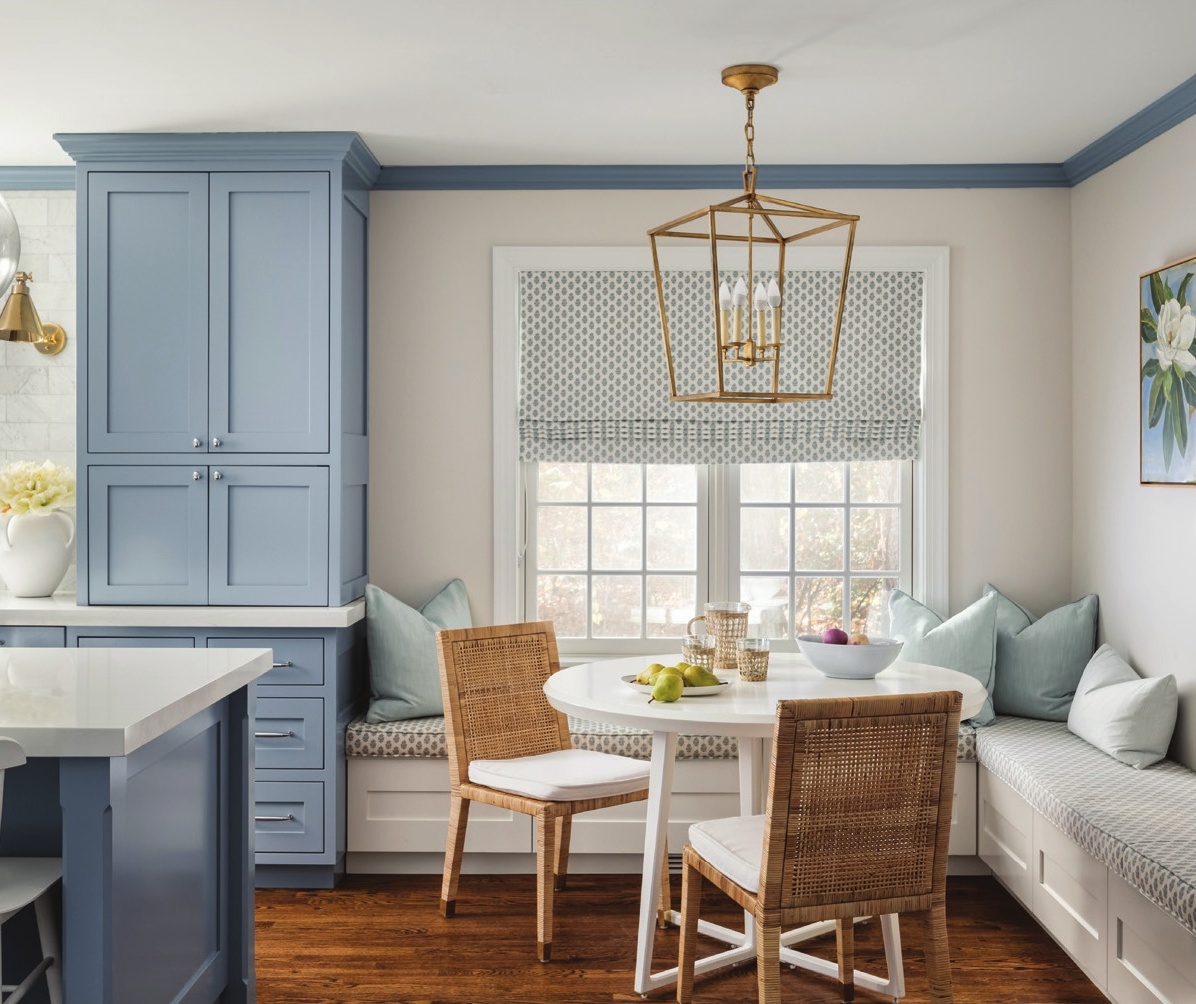
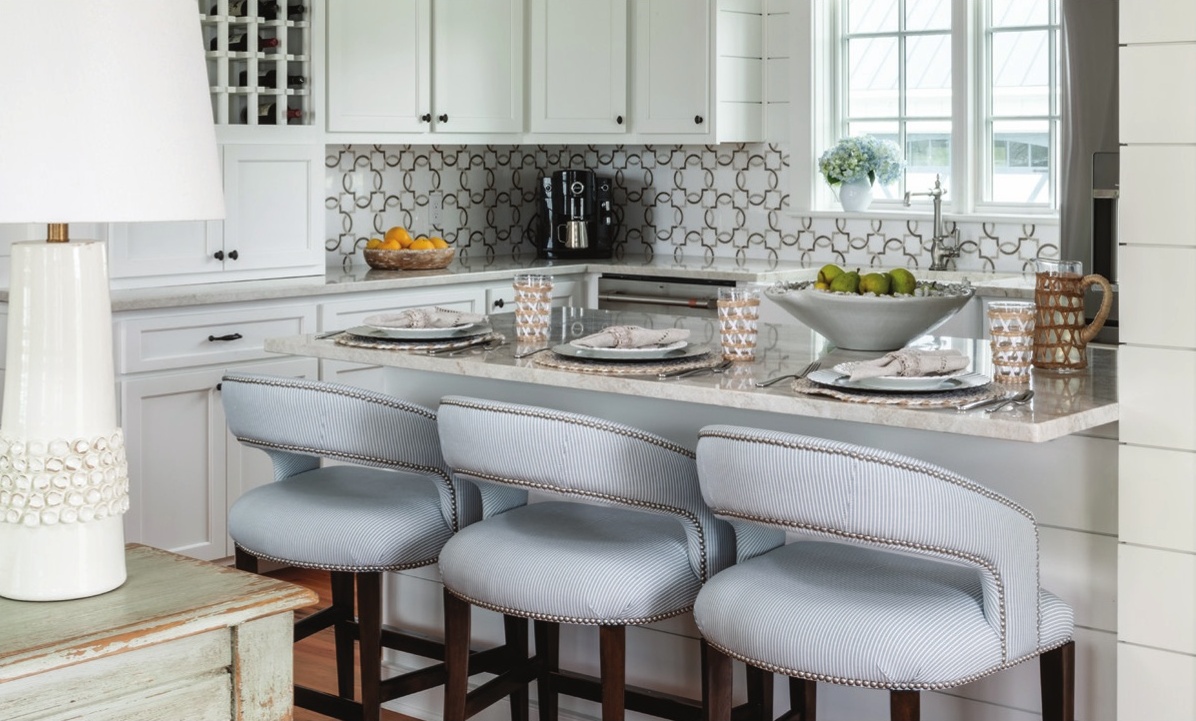
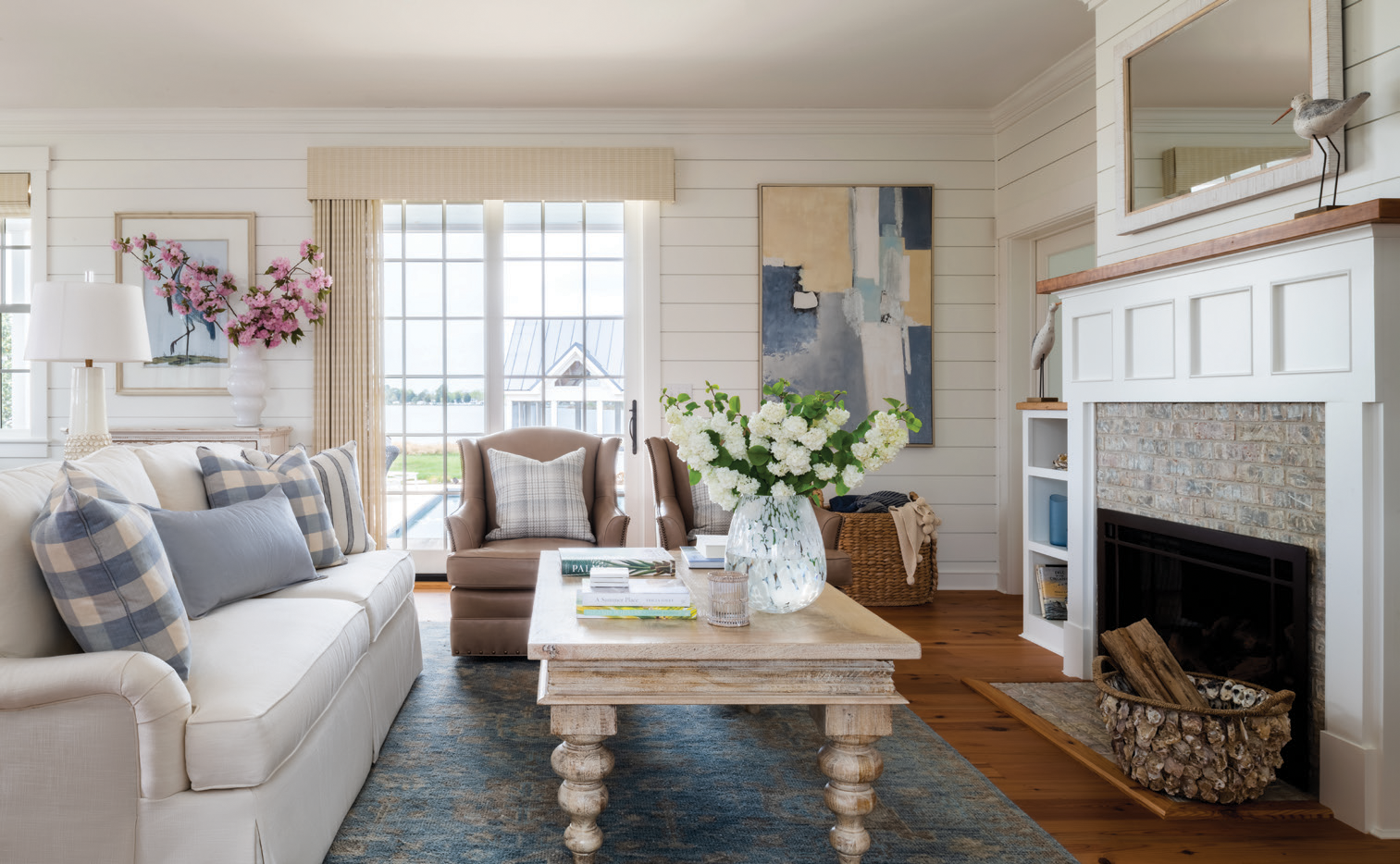
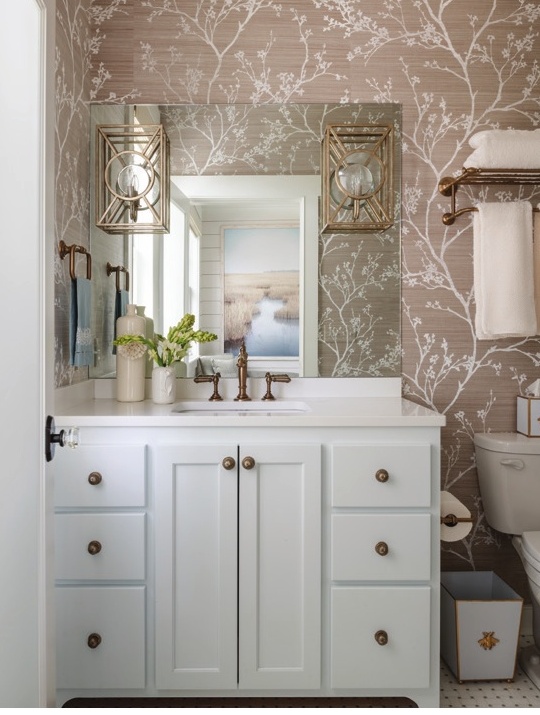
Project highlights: This remodel (Melanie Donohue designed) shows a pool house remodel from Cambridge—a very cute guest cottage. Some of the vendors used were Wesley Hall, Wendover Art, Chelsea House, The Uttermost, and Bell Bridge carpets.
Merrimac Retreat
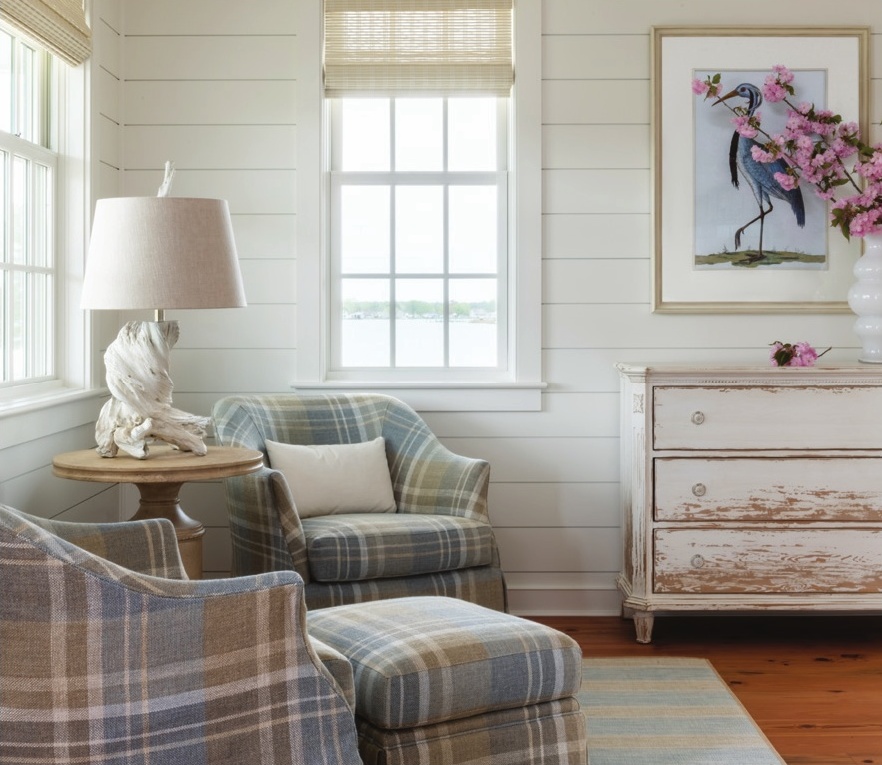
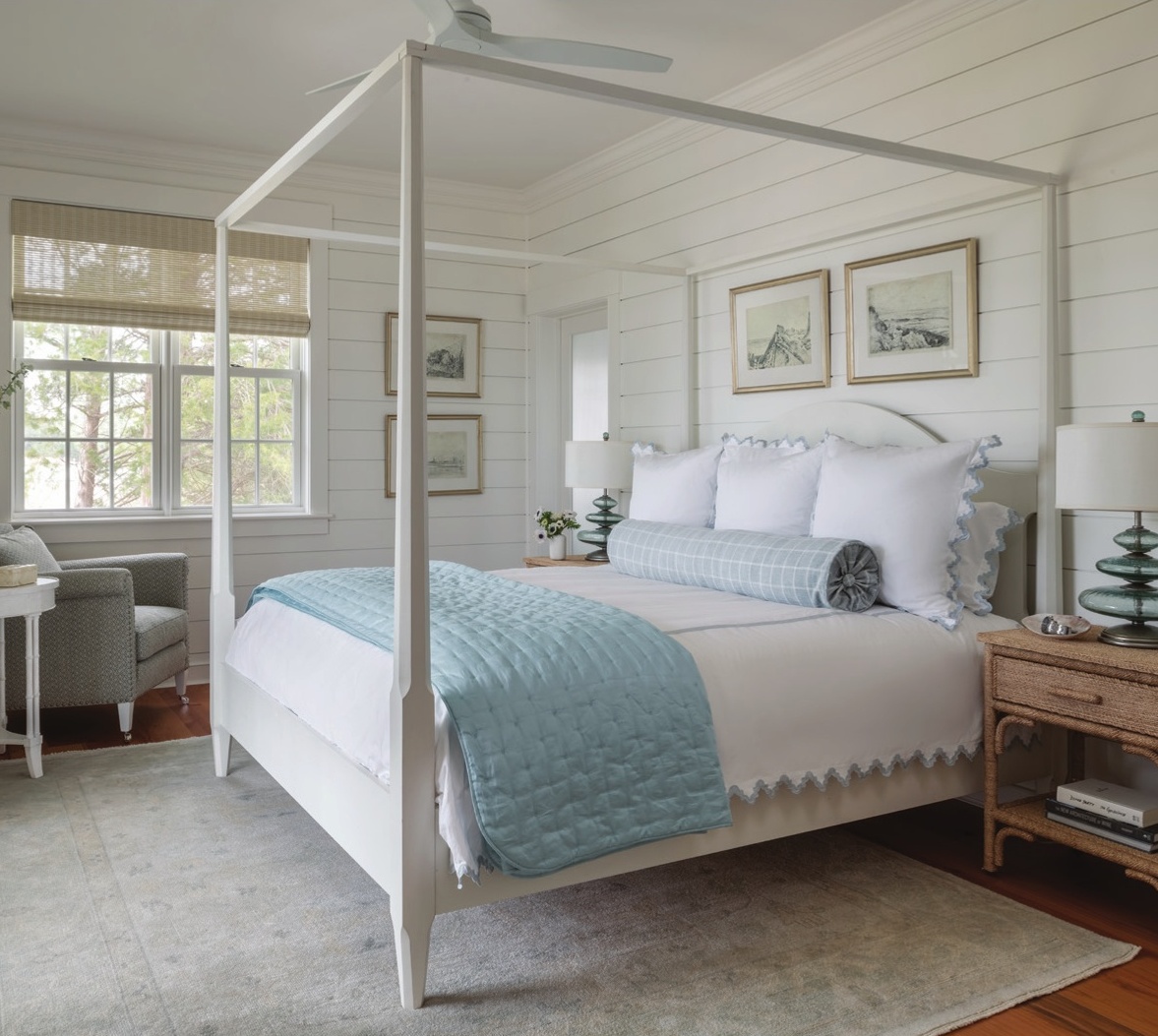
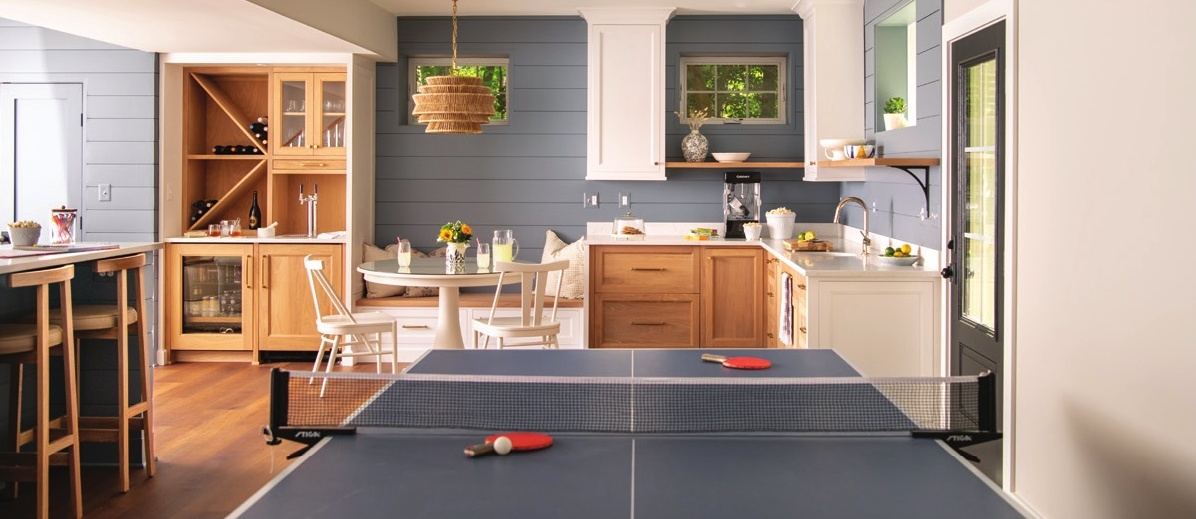
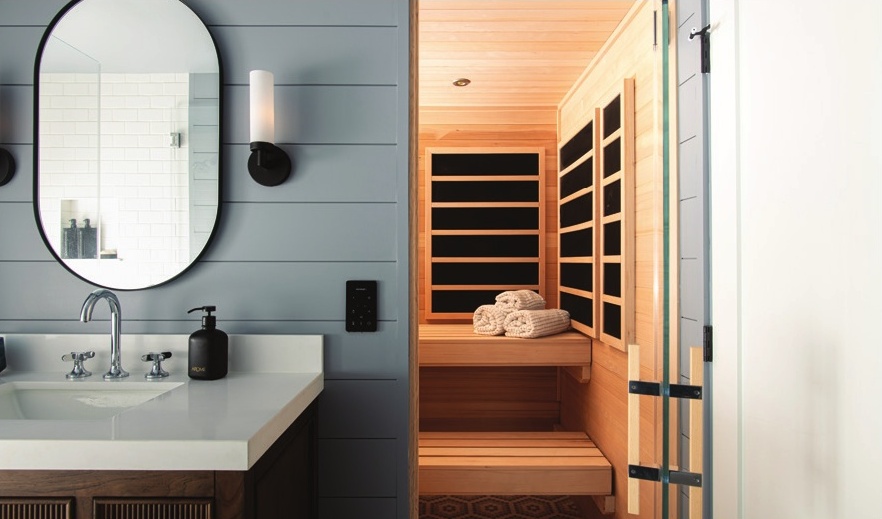
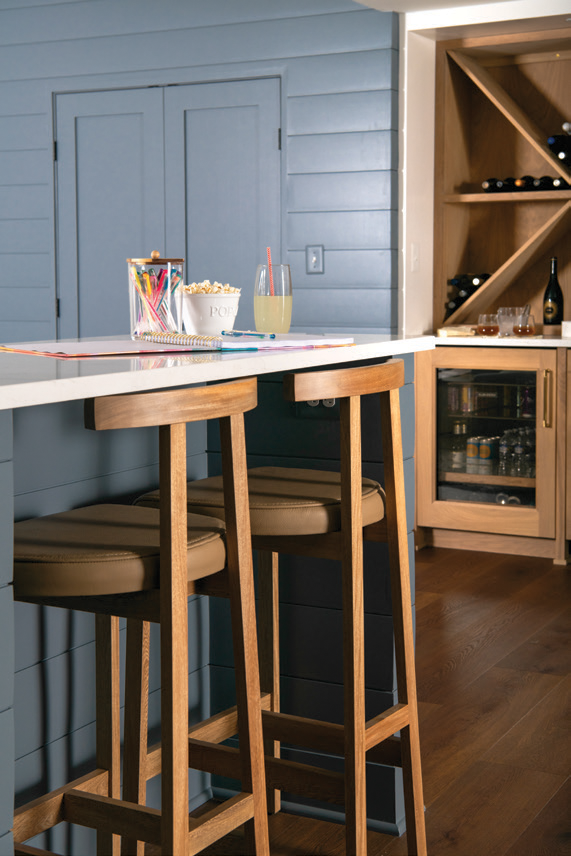
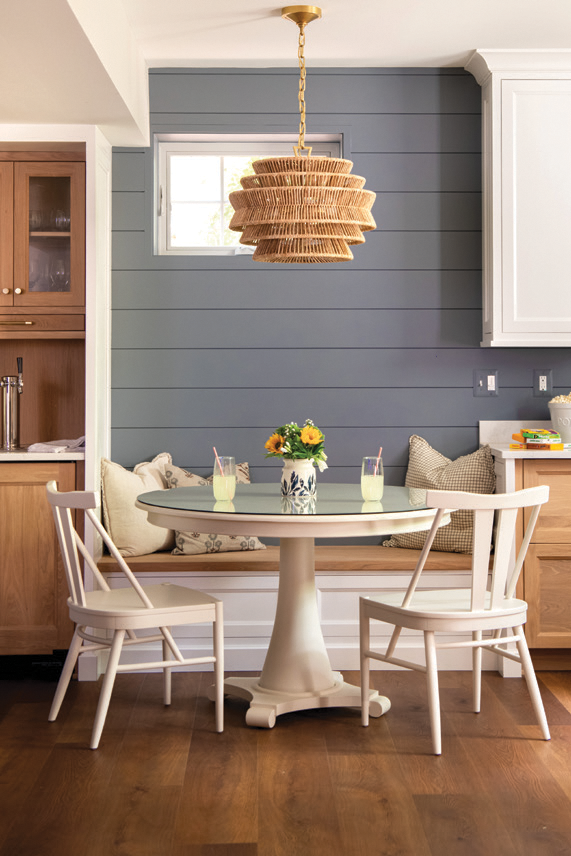
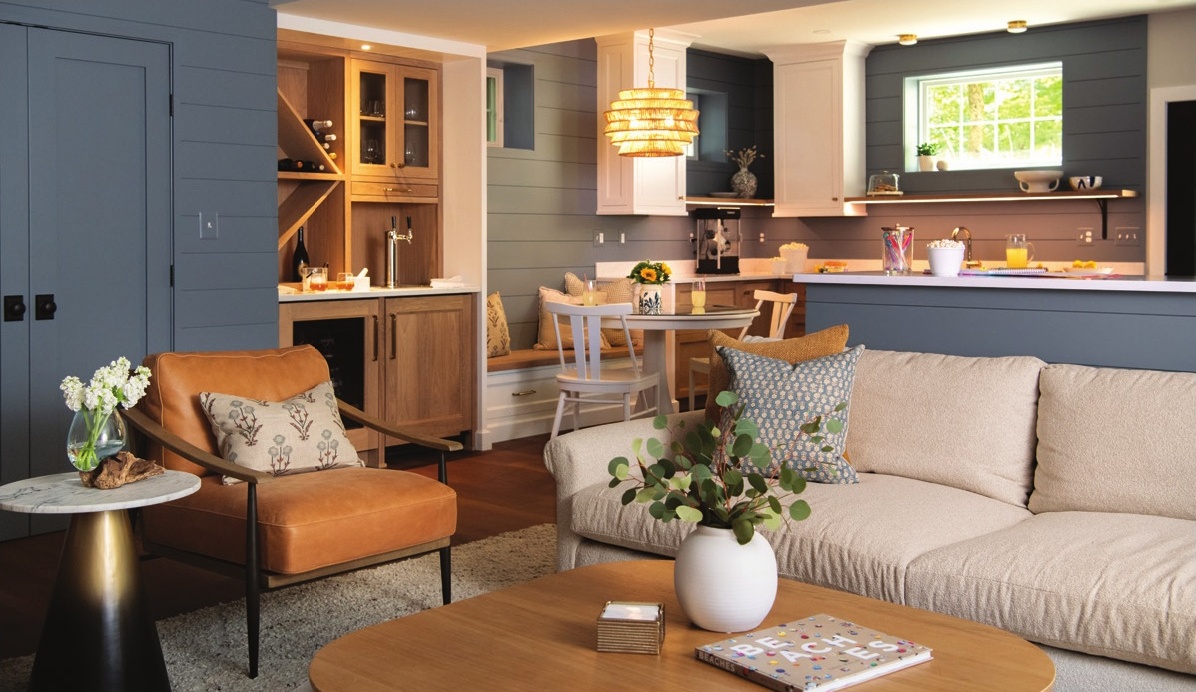
Project highlights: This unfinished basement was transformed into a relaxed, coastal-inspired retreat built for family connection and easy entertaining. Designed with teenagers and guests in mind, the space features a custom bar, ping pong area, and a large-screen TV perfect for movie nights and game-day gatherings. Soft tones, natural textures, and warm lighting create a breezy, laid-back atmosphere that flows through every corner. A private sauna was added as a quiet escape for the homeowner, bringing a touch of spa-like luxury into the home.

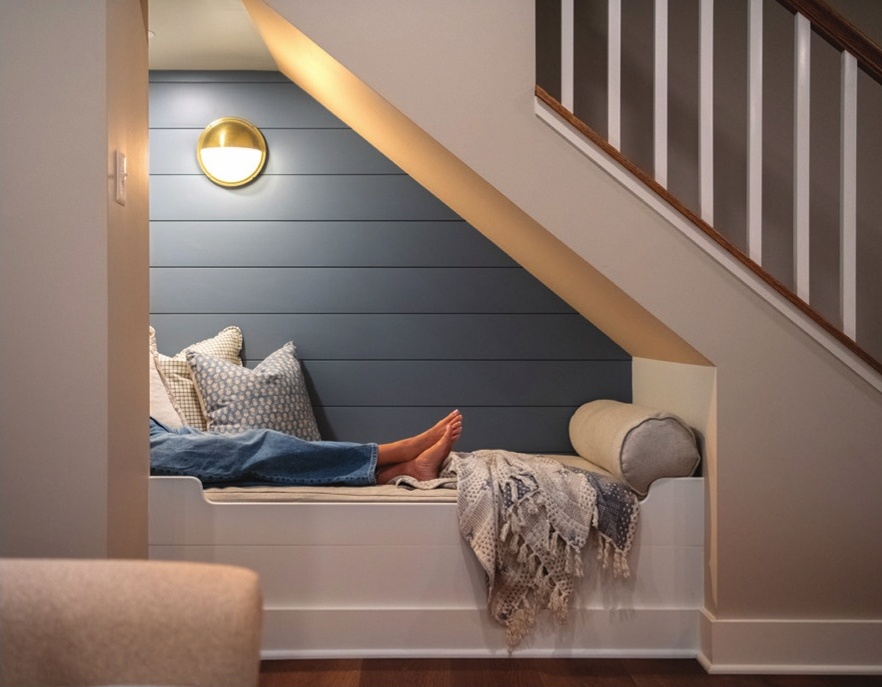
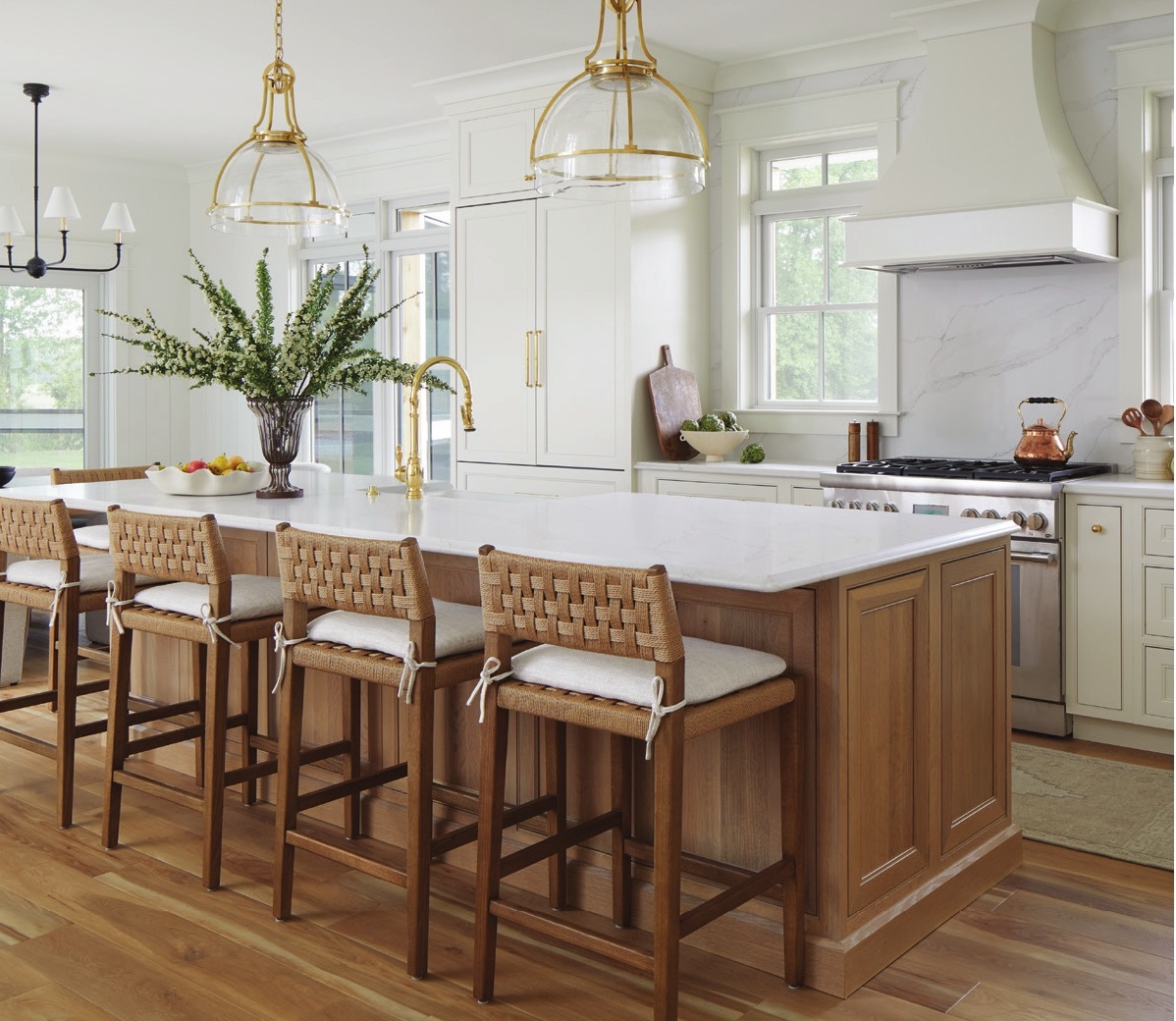
Main Street Project
Additional project acknowledgements: Photography by Keyanna Bowen
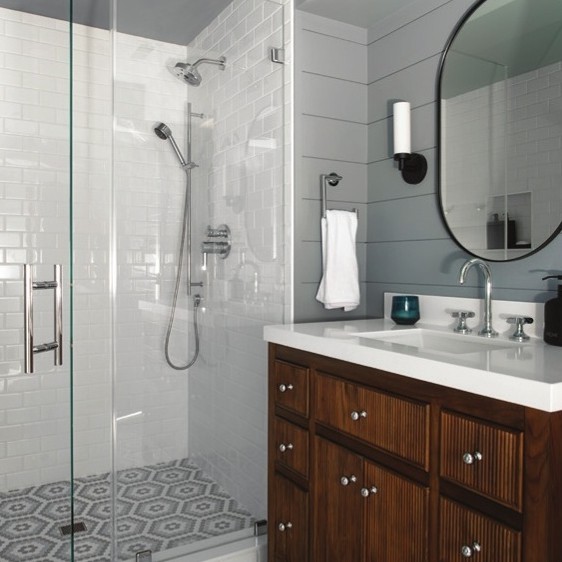
Project highlights: This newly completed coastal contemporary home blends timeless charm with thoughtful modern design. Inside, every detail was curated by Kelley Gable of Gable Interiors to balance light, texture, and functionality. Custom cabinetry offers elegance and efficiency, tailored to fit the family’s lifestyle, while millwork throughout the home elevates each space with craftsmanship and depth. Soothing coastal hues, layered natural textures, and performance-based materials bring durability without sacrificing beauty.
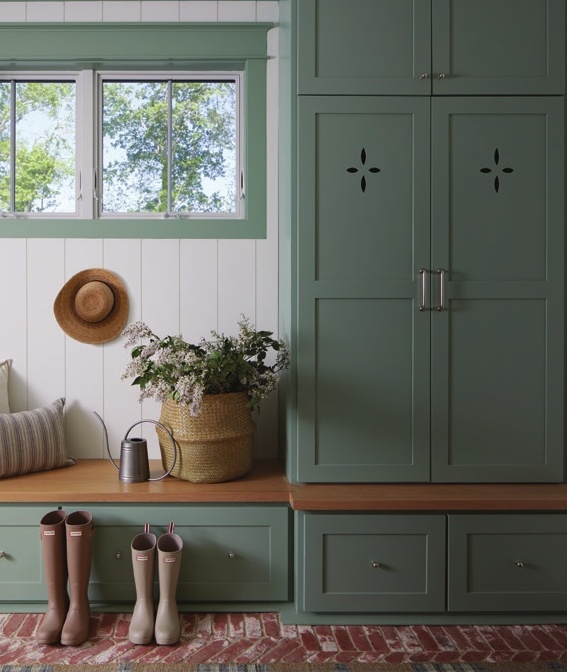
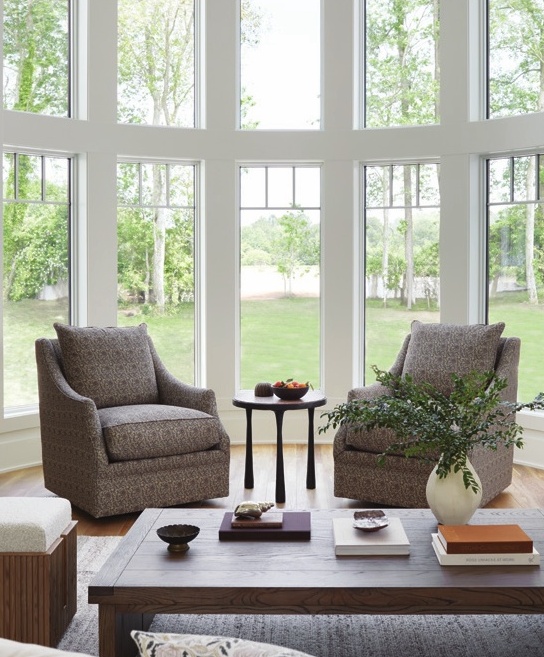
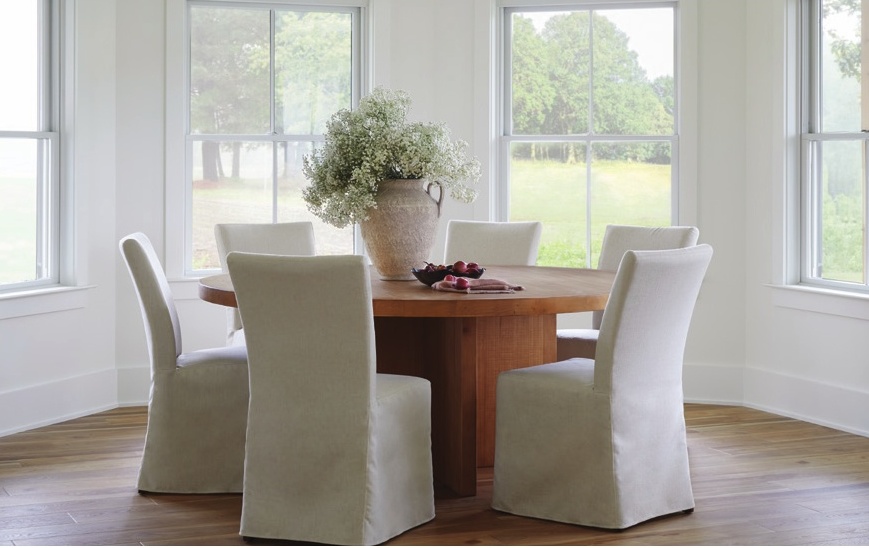
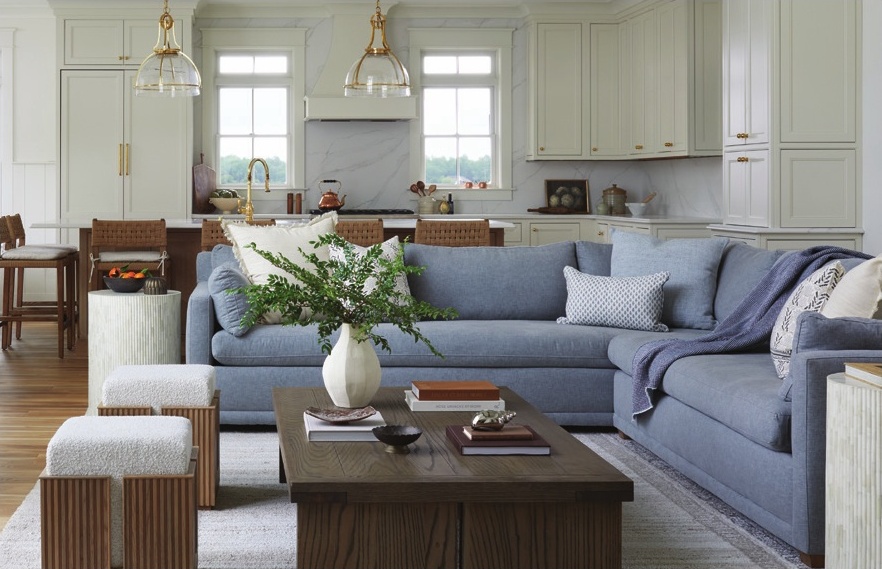
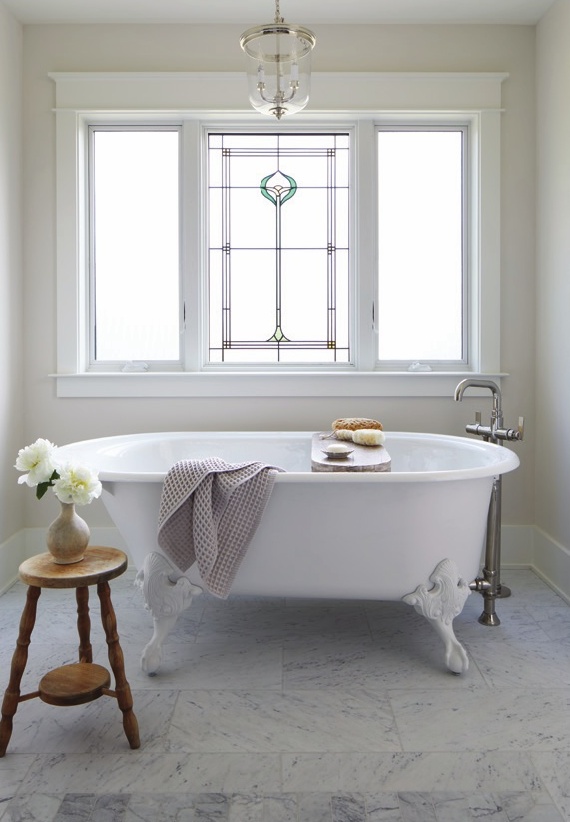

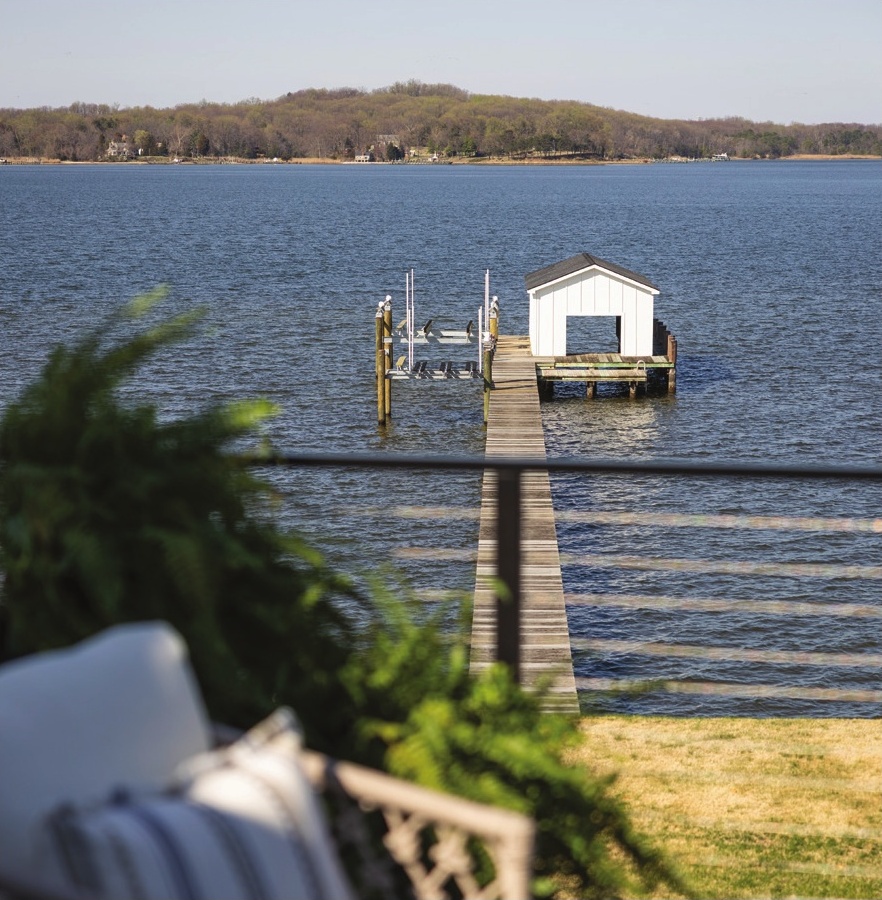
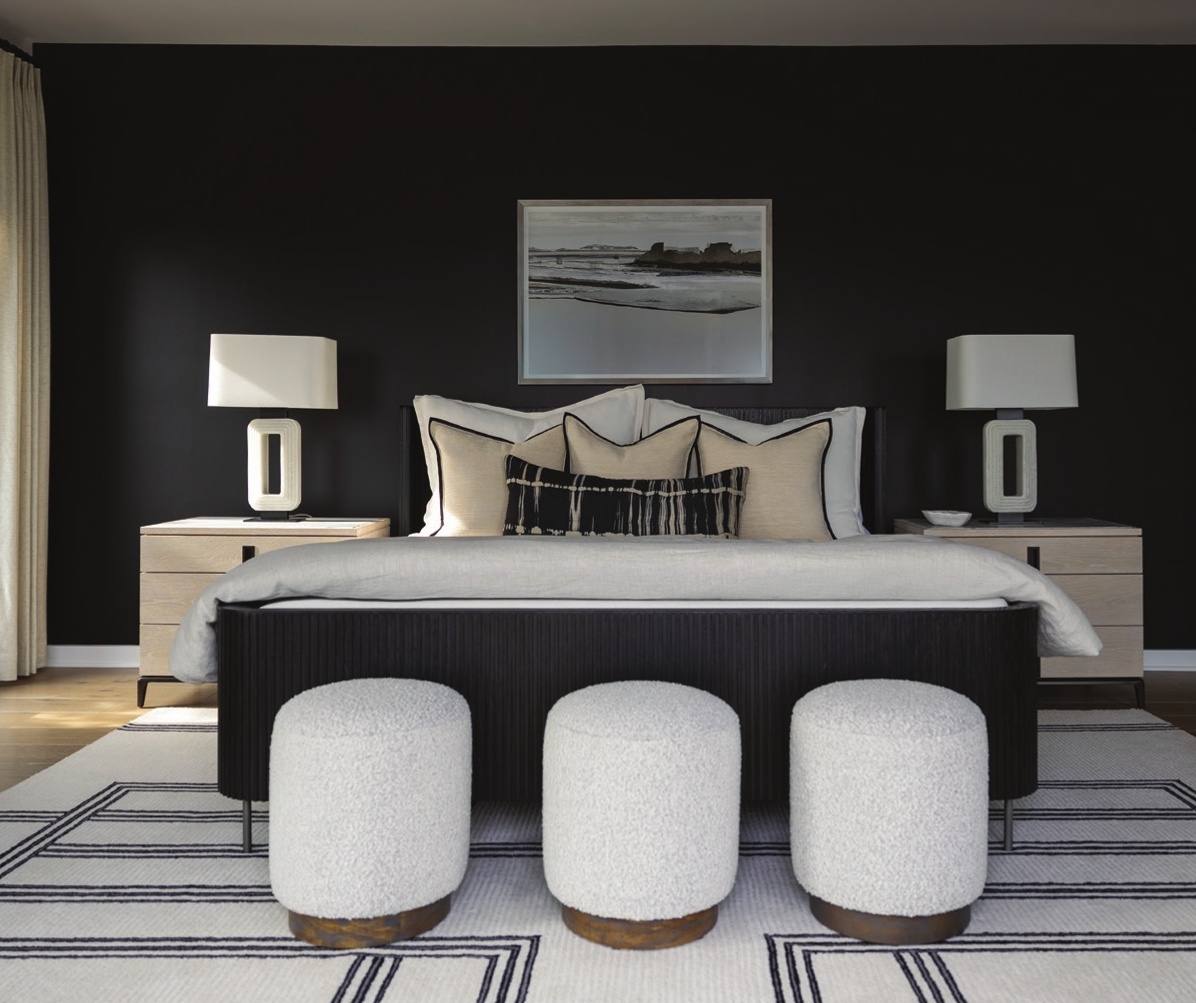
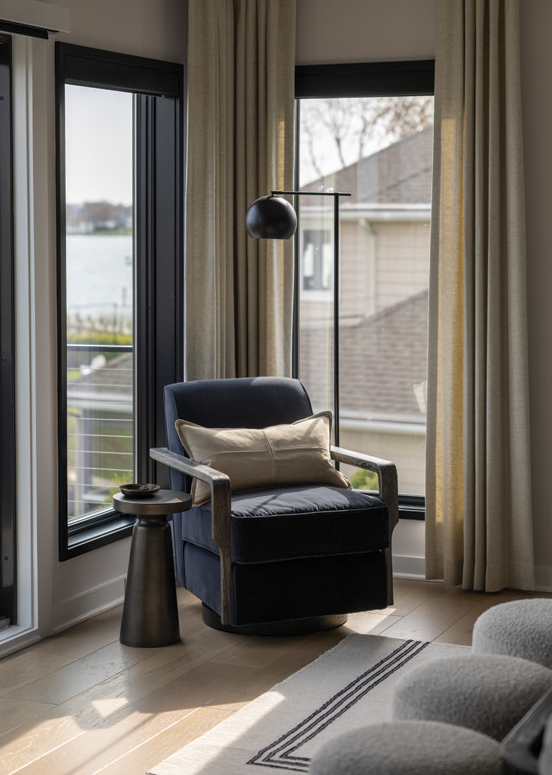
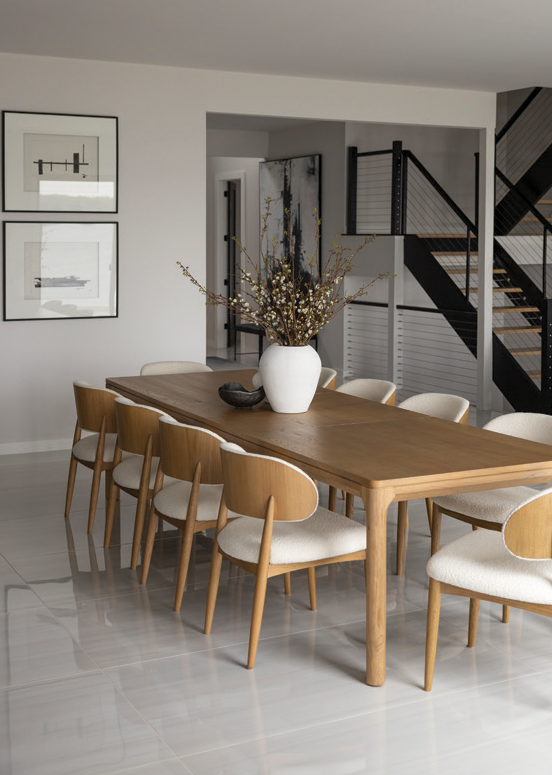
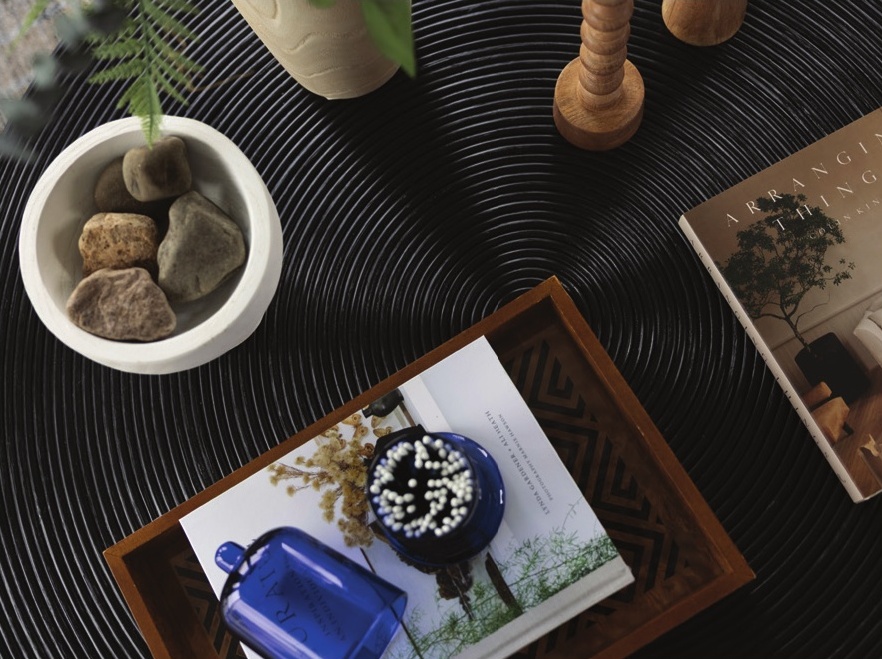
Broadwater Residence
Project highlights: Perched along the water’s edge, this home was crafted as a serene escape from daily life. Designed to capture both the calm of the coast and the clarity of modern design, every detail feels intentional yet inviting. Airy, layered interiors pair crisp lines with tactile warmth, resulting in a space that’s as livable as it is luxurious.
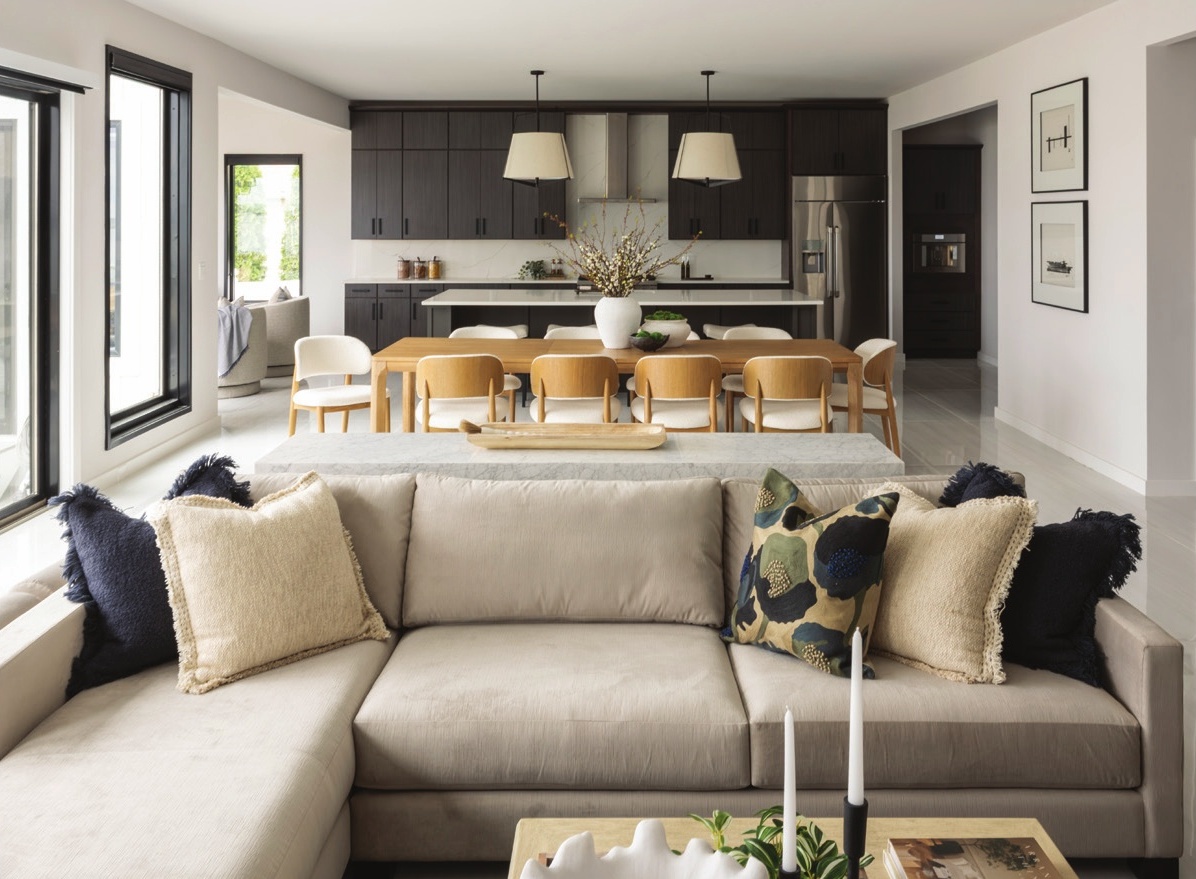
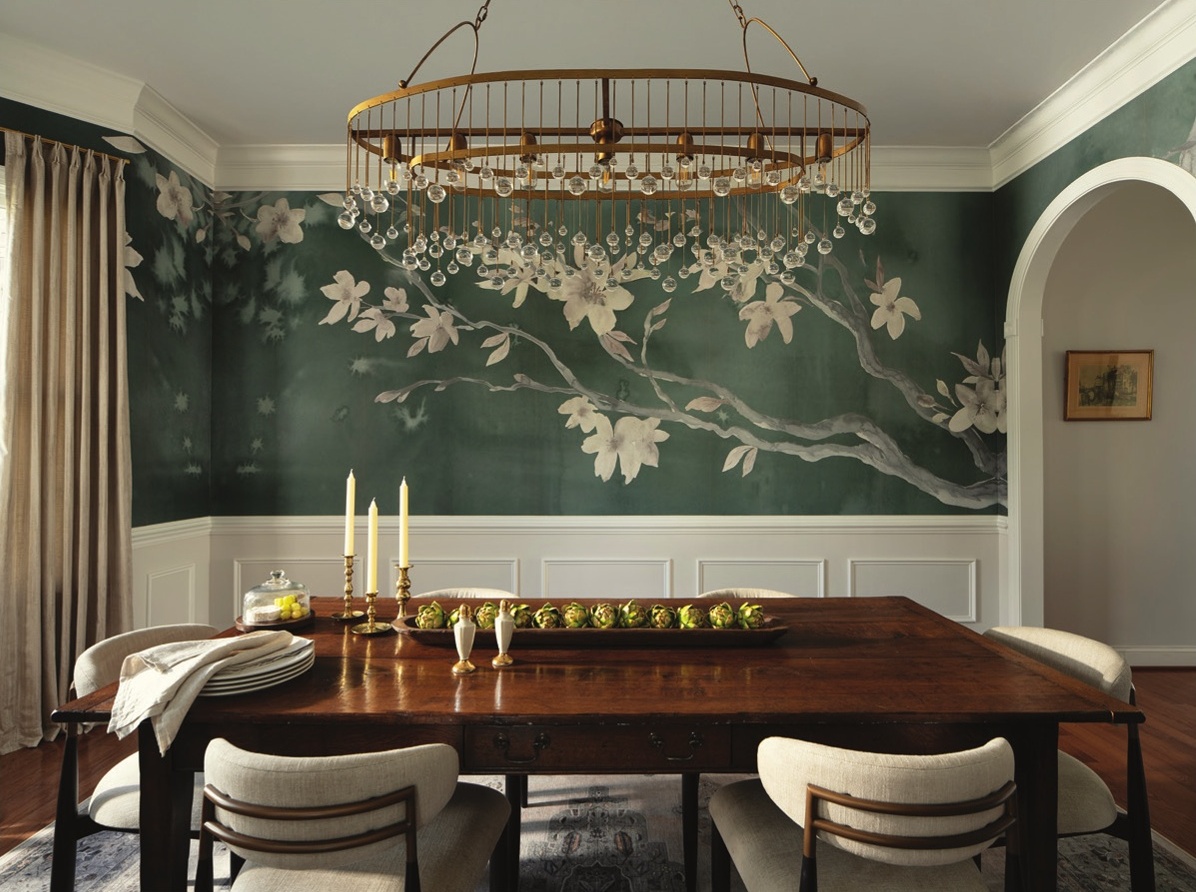
Davidsonville House Comes Alive
Additional project acknowledgements: Design by Victoria Snelgrove of Wisteria Interiors • Photography by Brian Distad Photography • Custom built-ins by Joe McHugh Furniture • Wallpaper install by JE Stokes Jr & Son
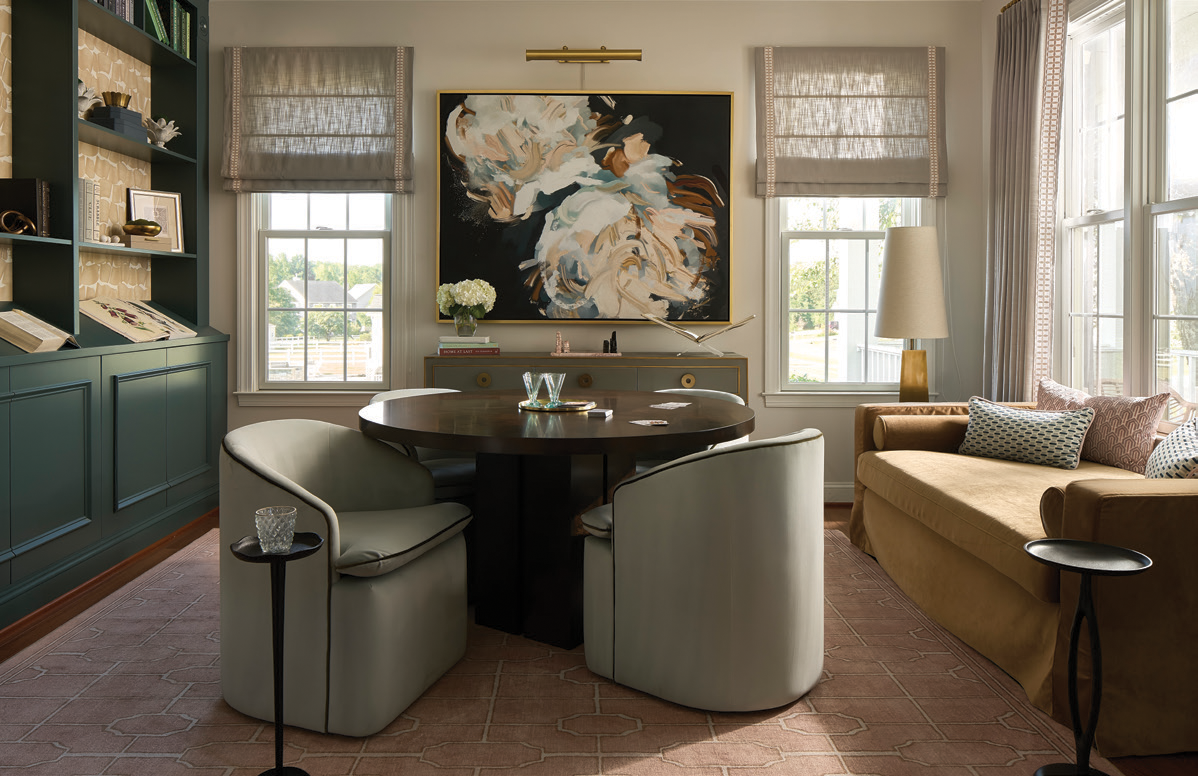
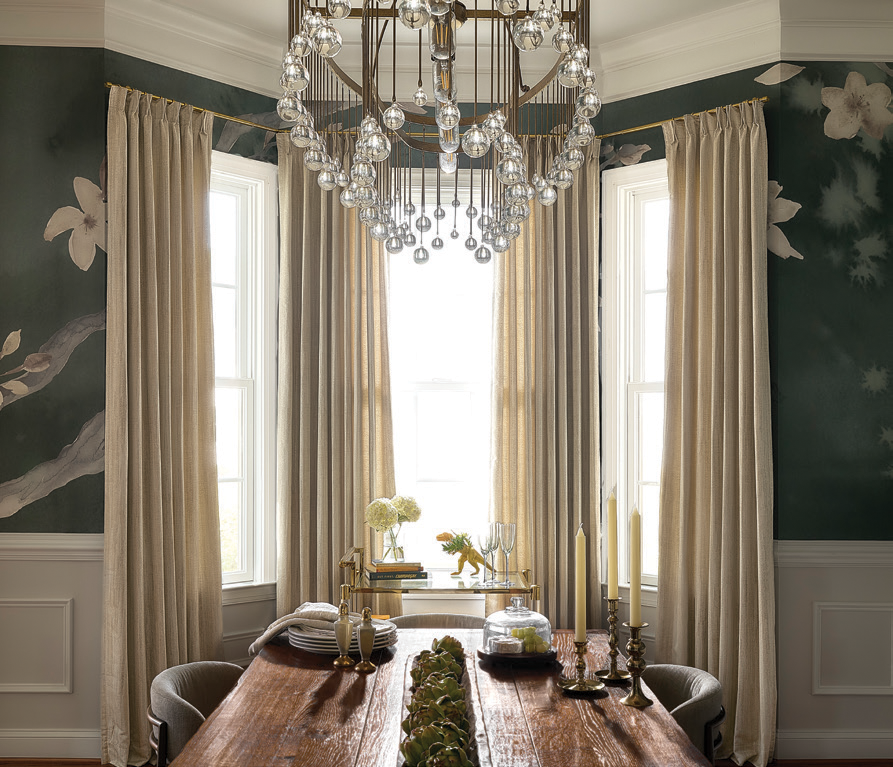
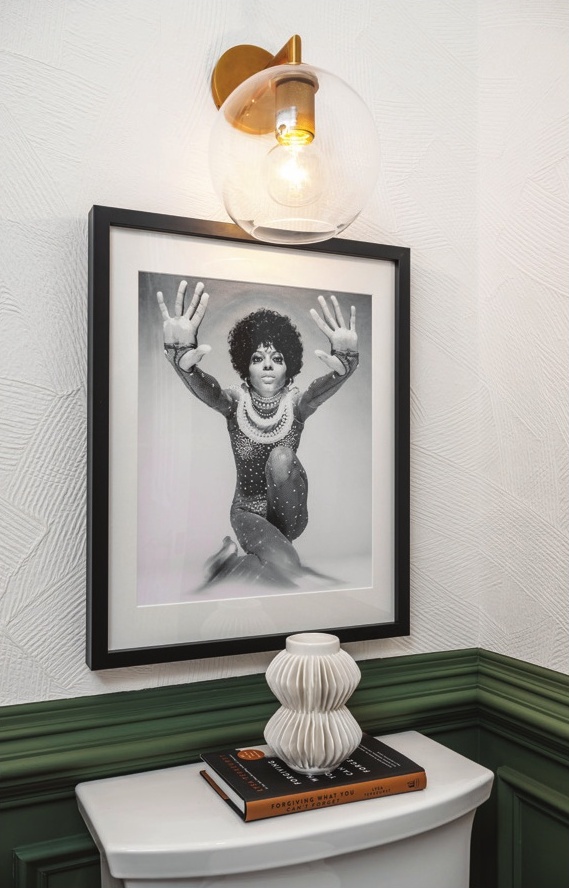
Project highlights: For over a decade, the front rooms of this Davidsonville home went largely unused. With the homeowner’s children nearing adulthood, she wanted those spaces to reflect a new season centered on hosting, entertaining, and celebrating with friends. The transformation begins in the parlor, where floor to ceiling built-ins painted in a bold, statement color create an instant focal point. Across the hall, the dining room is anchored by a beloved family heirloom: a Belgian dining table from her childhood in Europe. Just steps away, the powder bath extends the home’s palette of boldness and fun. Together, the three rooms mark an empty-nest transition.
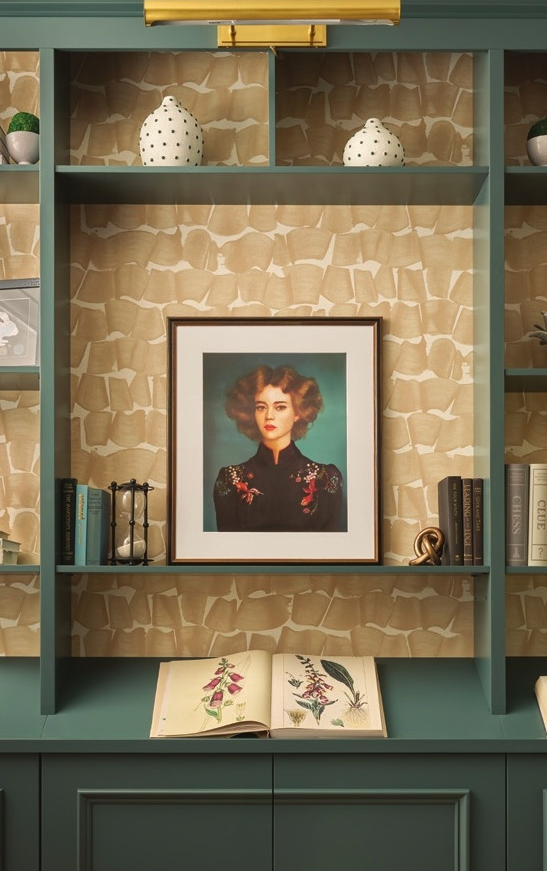
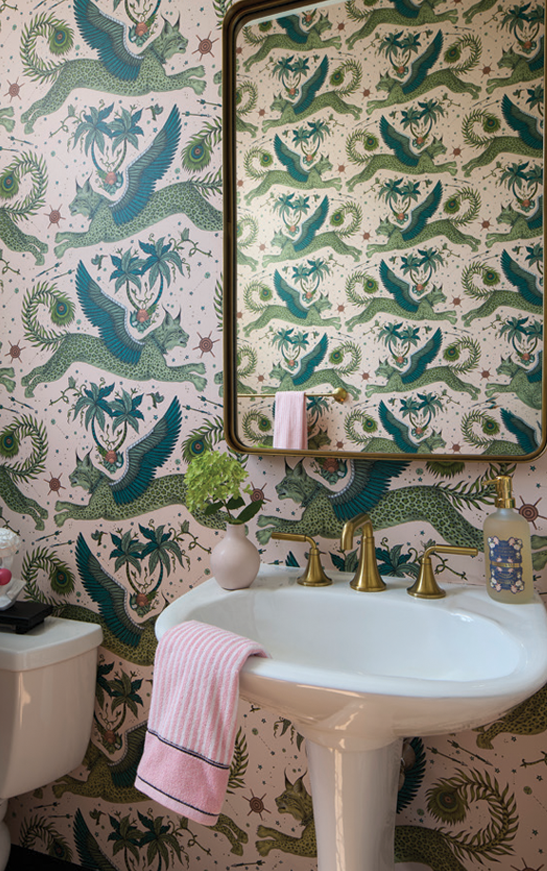
Project Custis
Additional project acknowledgements: Photography by Z Miller Photography
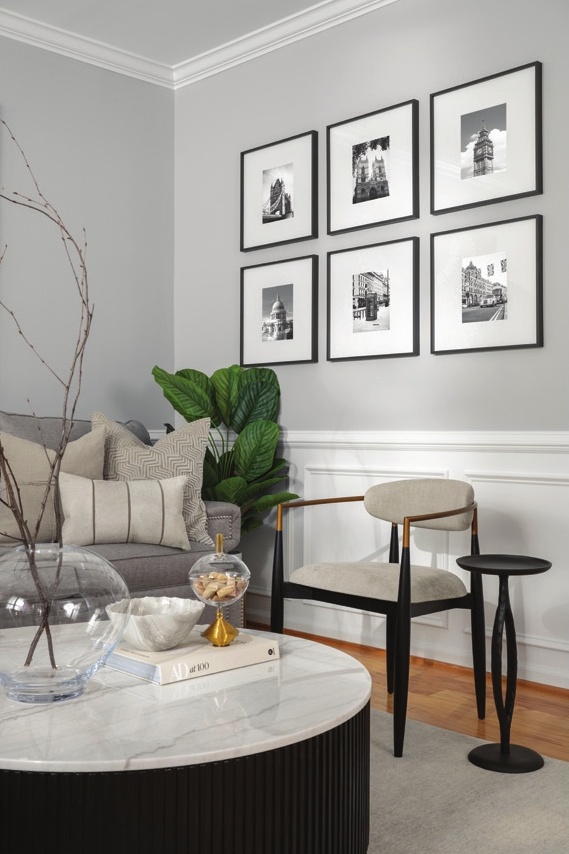
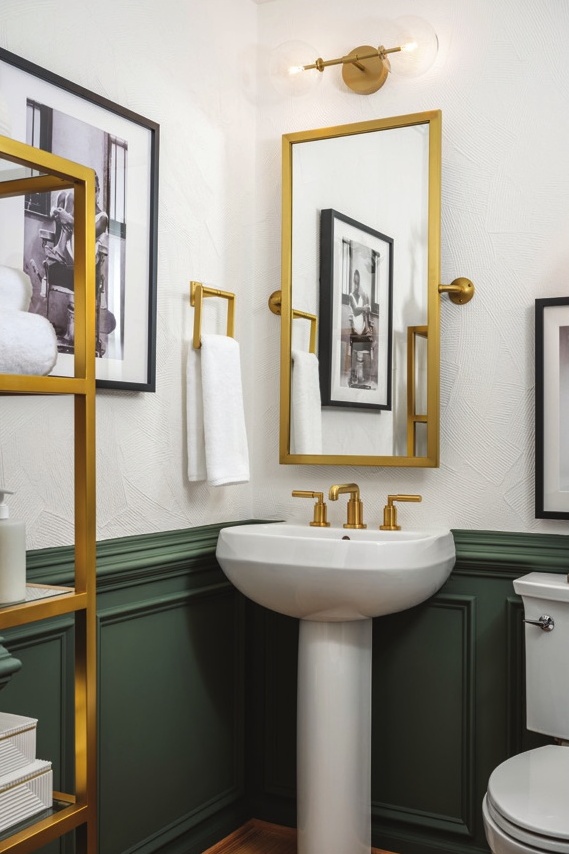
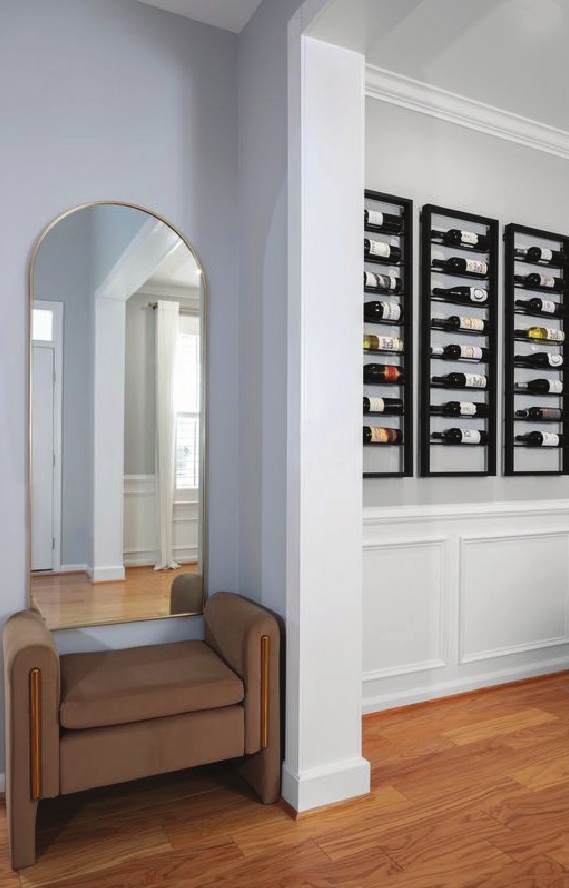
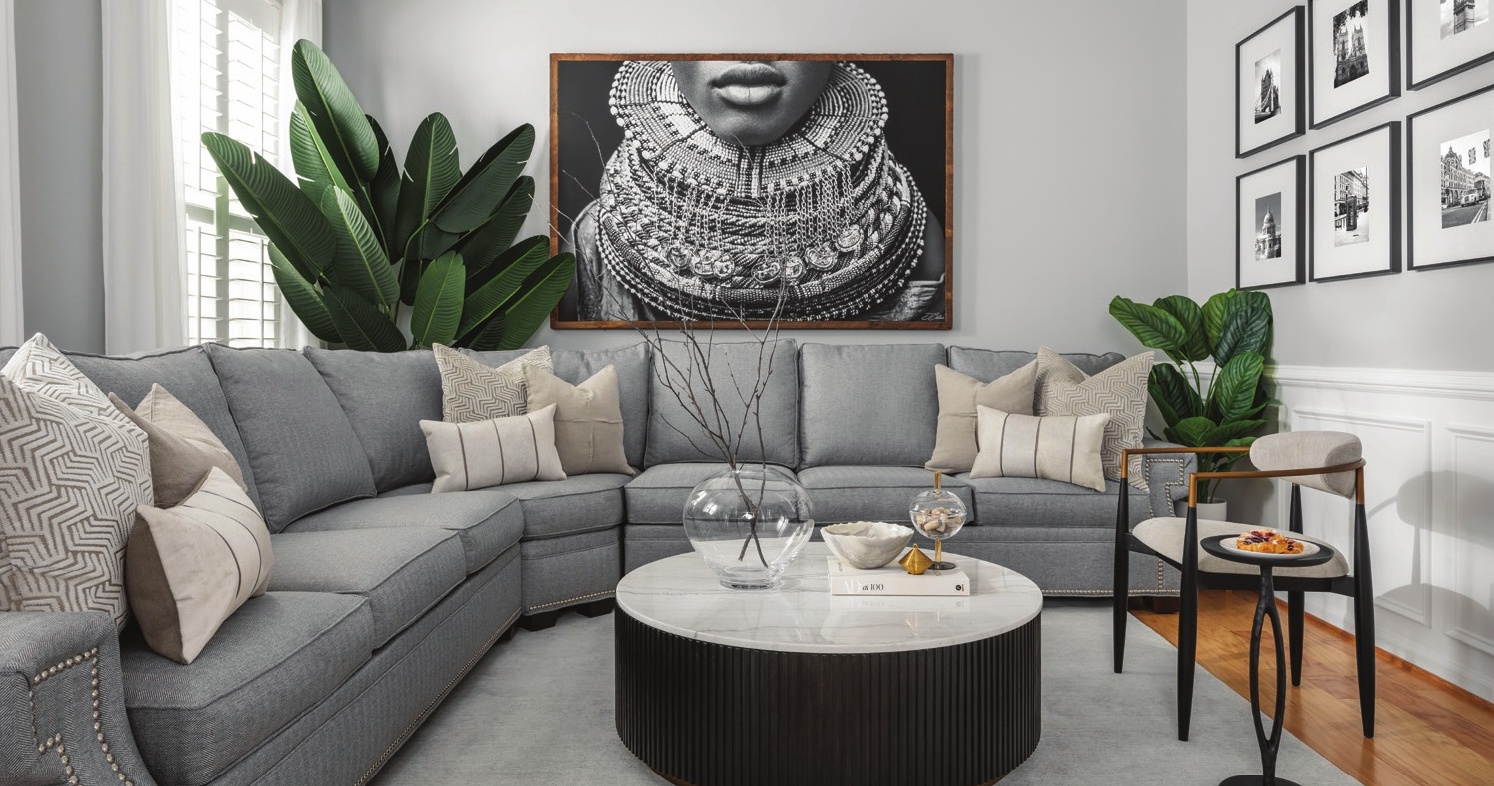
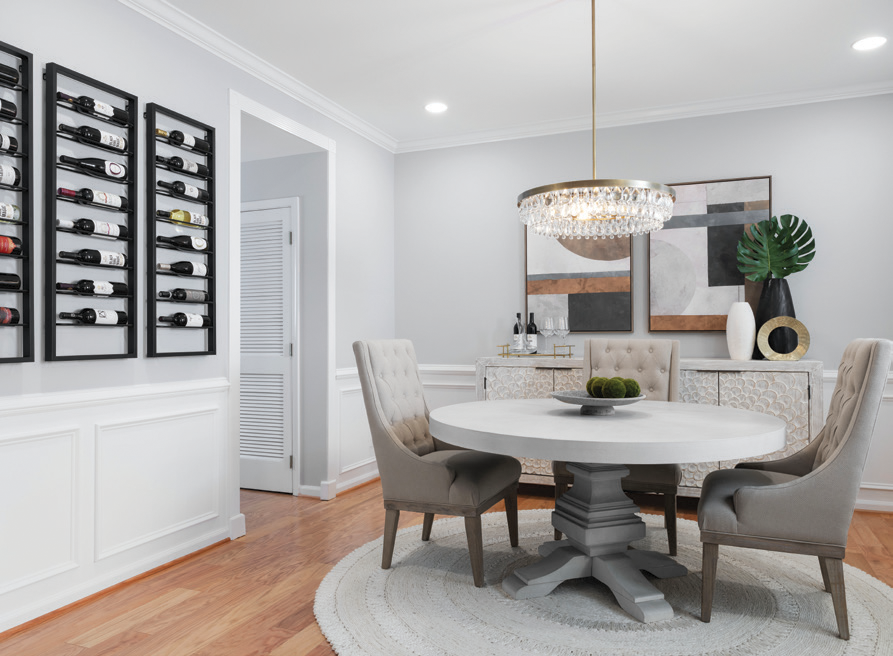
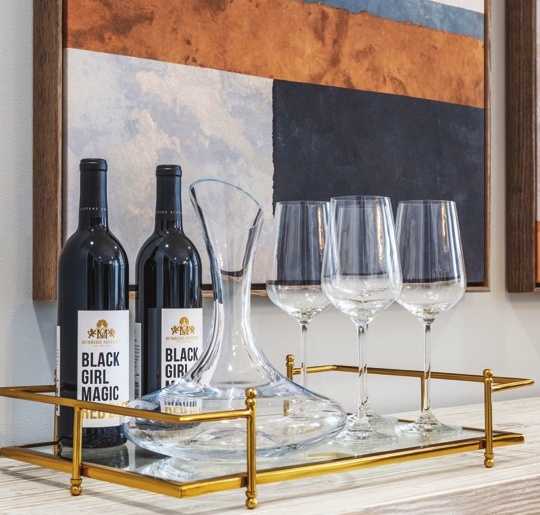
Project highlights: Through thoughtful design, the formal dining, living room, foyer, and powder room were completely redone into a cohesive, personalized, and luxurious living experience. The powder room became a striking statement space with lush green and gold finishes, complemented by textured wallpaper that adds depth and elegance. In the formal living room, statement artwork anchors the space while a gallery wall with custom built-in shelves showcases curated accessories that reflect the client’s unique personality. The foyer sets the tone for the home with a sophisticated wall mirror paired with a sleek bench, creating a welcoming and practical entryway. A custom wine wall adds both flair and functionality.
Glamourous Hunting Lodge
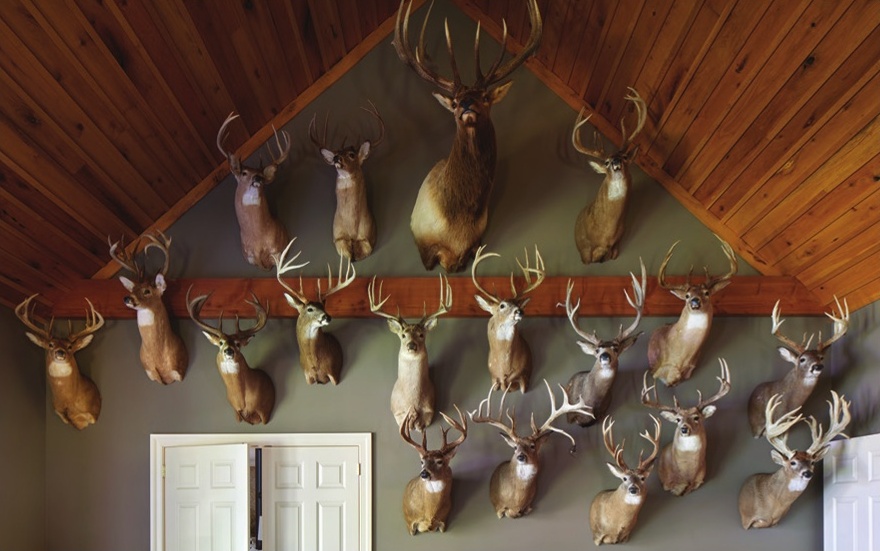
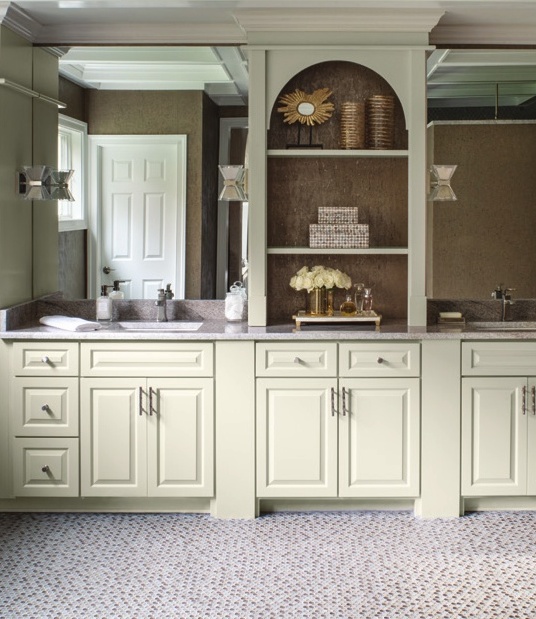
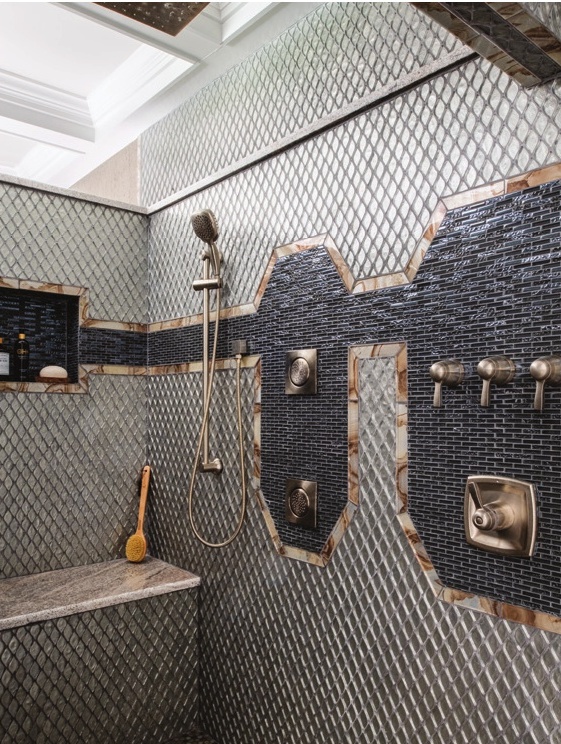
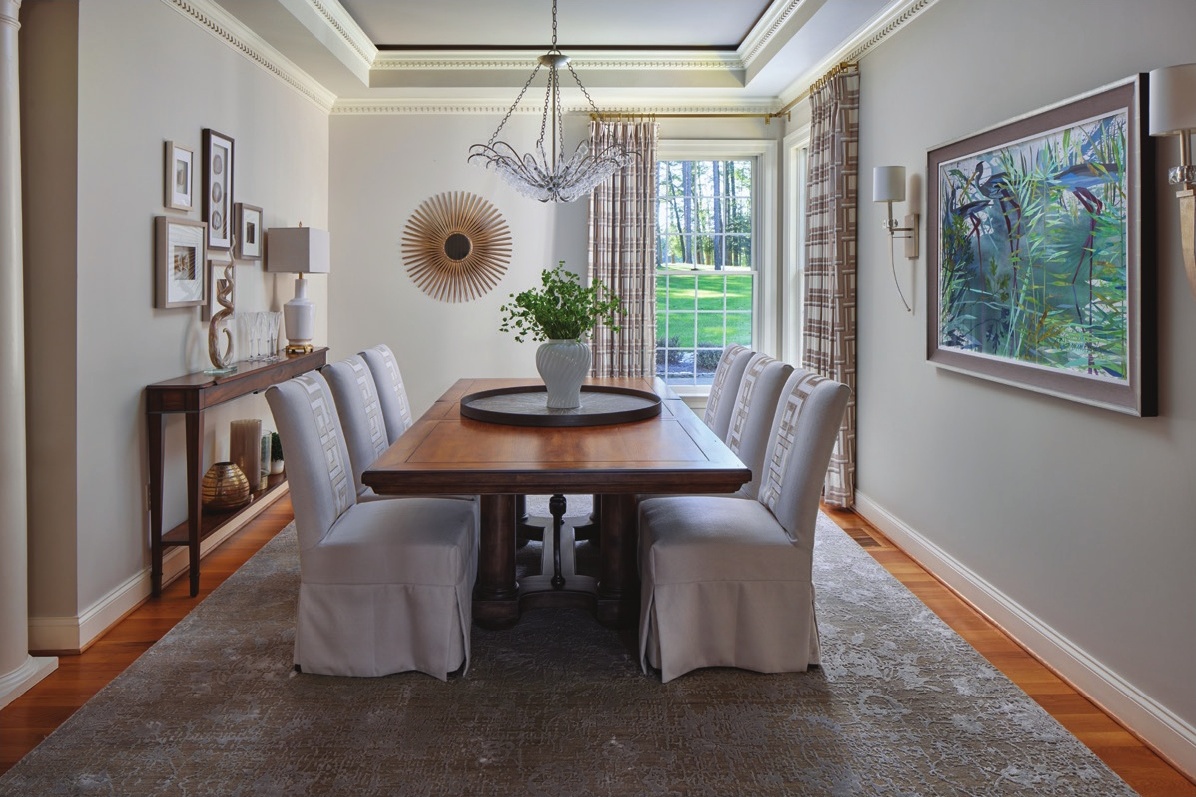
Project highlights: This glamourous Hunting Lodge called for a neutral palette with strong dark contrasts and natural textures. The glamour details help to balance the wood, stone, and animal trophies. The kitchen was designed to handle a lot of traffic with two large islands, two ovens, and two sinks. Oversized bedrooms with cathedral ceilings allow for tall windows to let in a large amount of light. The bathrooms have unique tile designs, selections of mirrored glass, marble, and metallic. A large banquet table which expands to accommodate more guests, establishes the dining room. The custom slip-covered dining chairs feature a velvet Greek key applique. An original Nancy Hammond painting of blue herons walking along the creek adorn the wall and is flanked by elegant silver leafed wall sconces. The trophy room showcases years of successful hunting trips.
Waterfront Transitional
Additional project acknowledgements: Built by Triumph Custom Homes • Photography by Stephen Buchanan
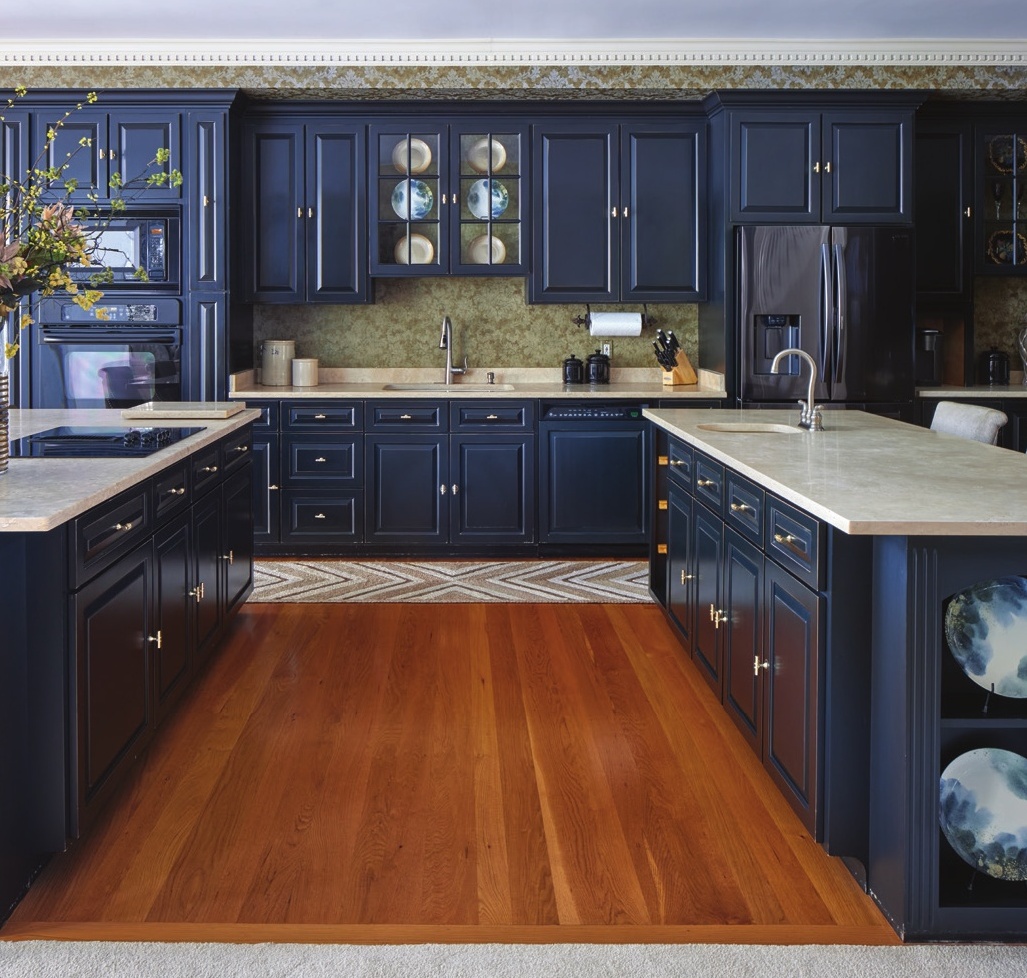
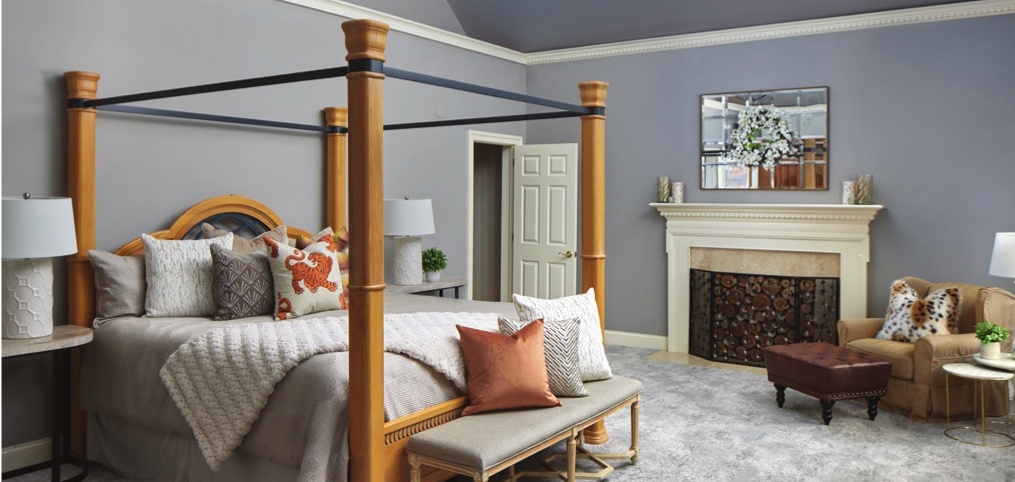
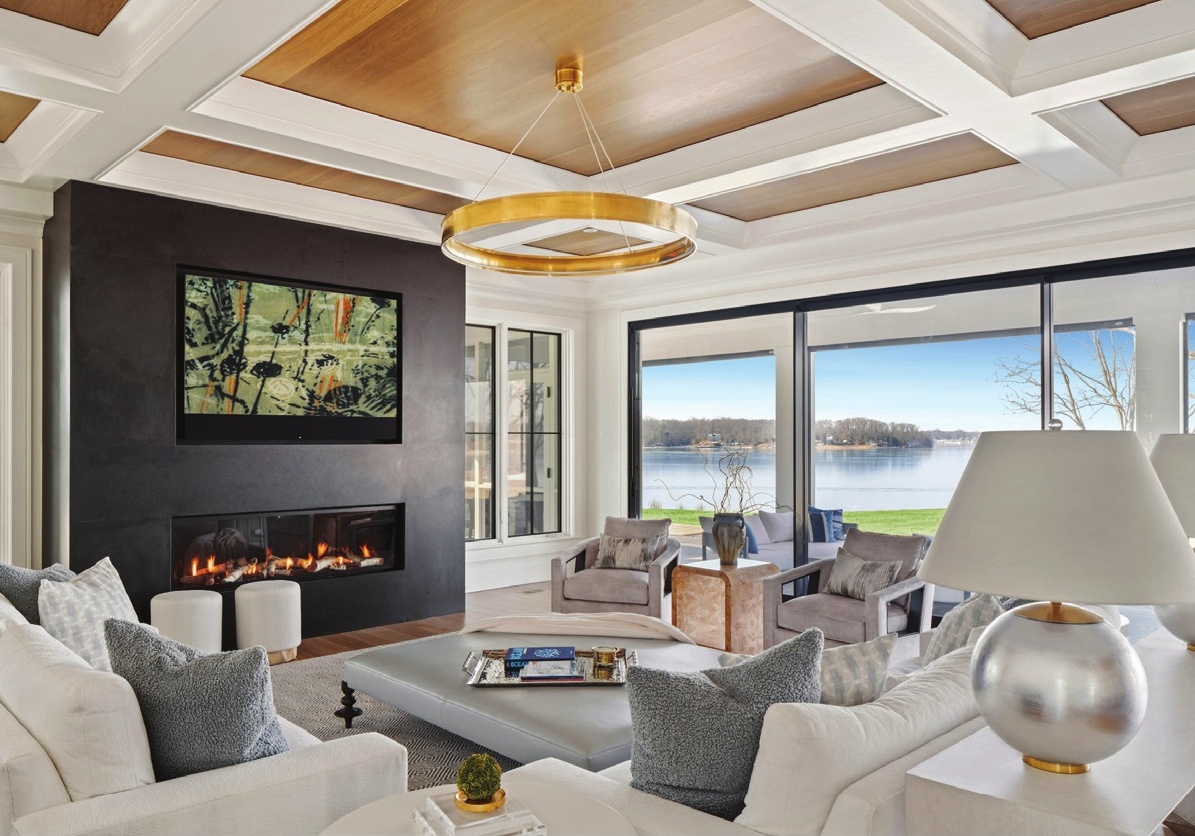
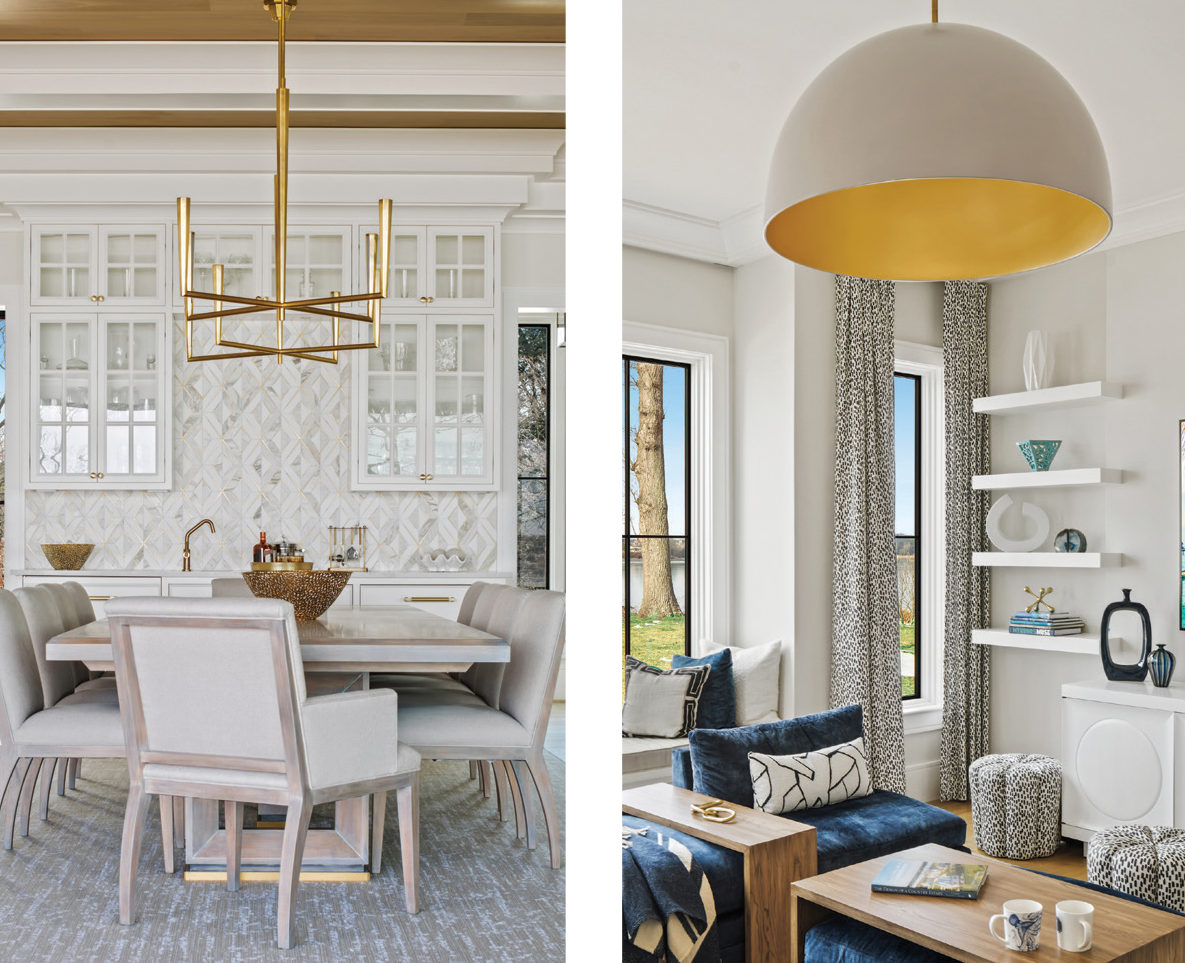
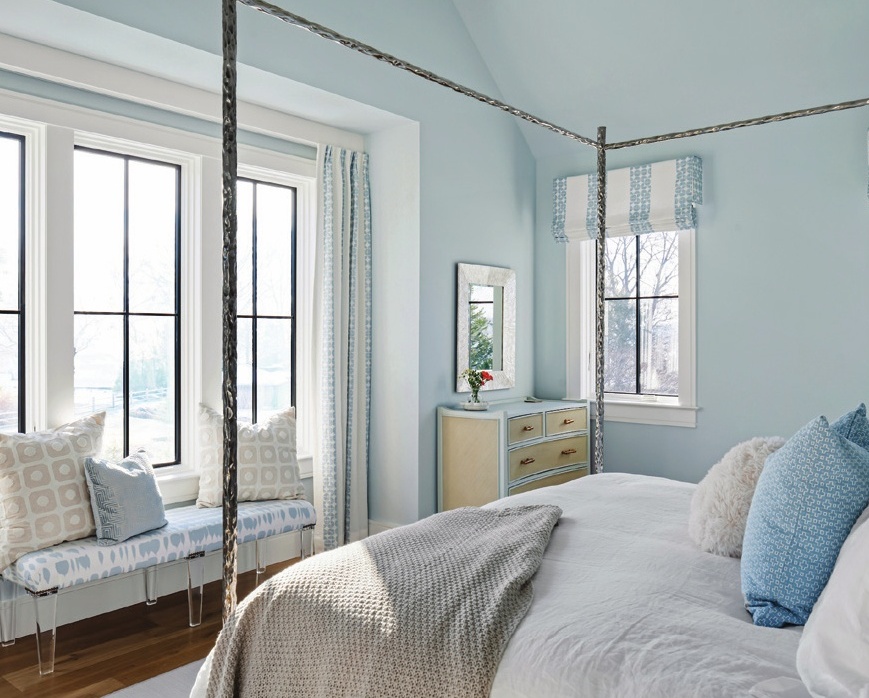
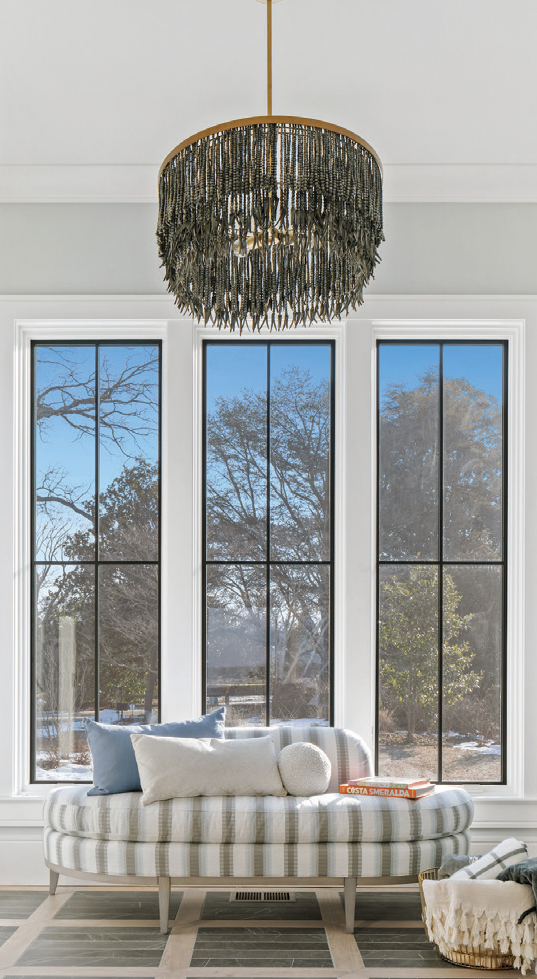
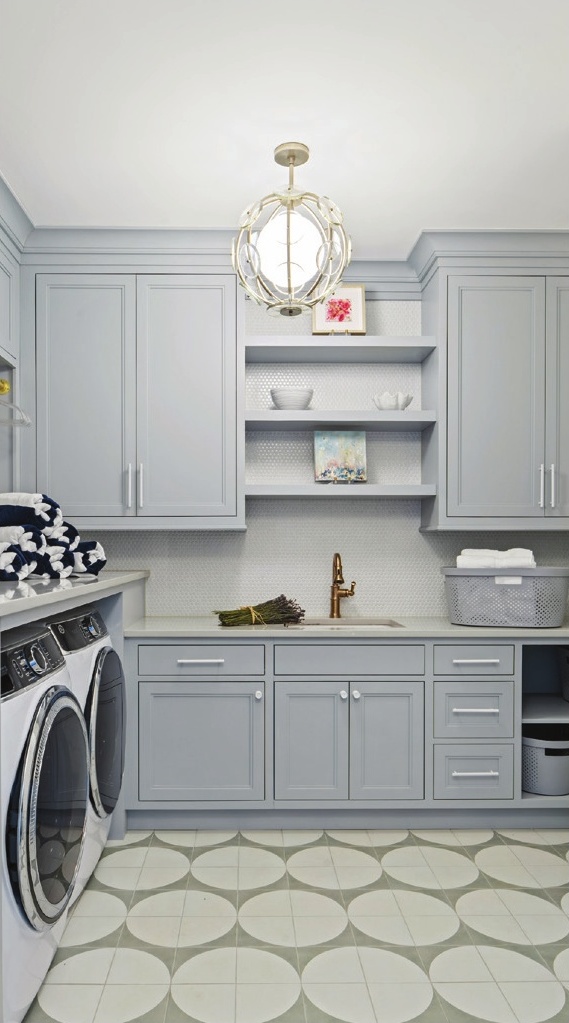
Project highlights: Set along the waterfront of Annapolis, the transitional residence is designed to take advantage of the property’s expansive water views. Upon arrival, guests are welcomed by a striking multi-tiered Sputnik chandelier that anchors the gallery hall and stairwell with sculptural drama. At the core of the home, an expansive great room—seamlessly integrating living, dining, kitchen, and bar areas—is defined by clean lines and abundant natural light. Nearly every room in the home has panoramic views of the Chesapeake Bay, including multiple bedrooms. Additional, distinctive spaces include a four-seasons room and a contemporary home office—complete with a custom two-toned zebra print cowhide rug.
interior renovation
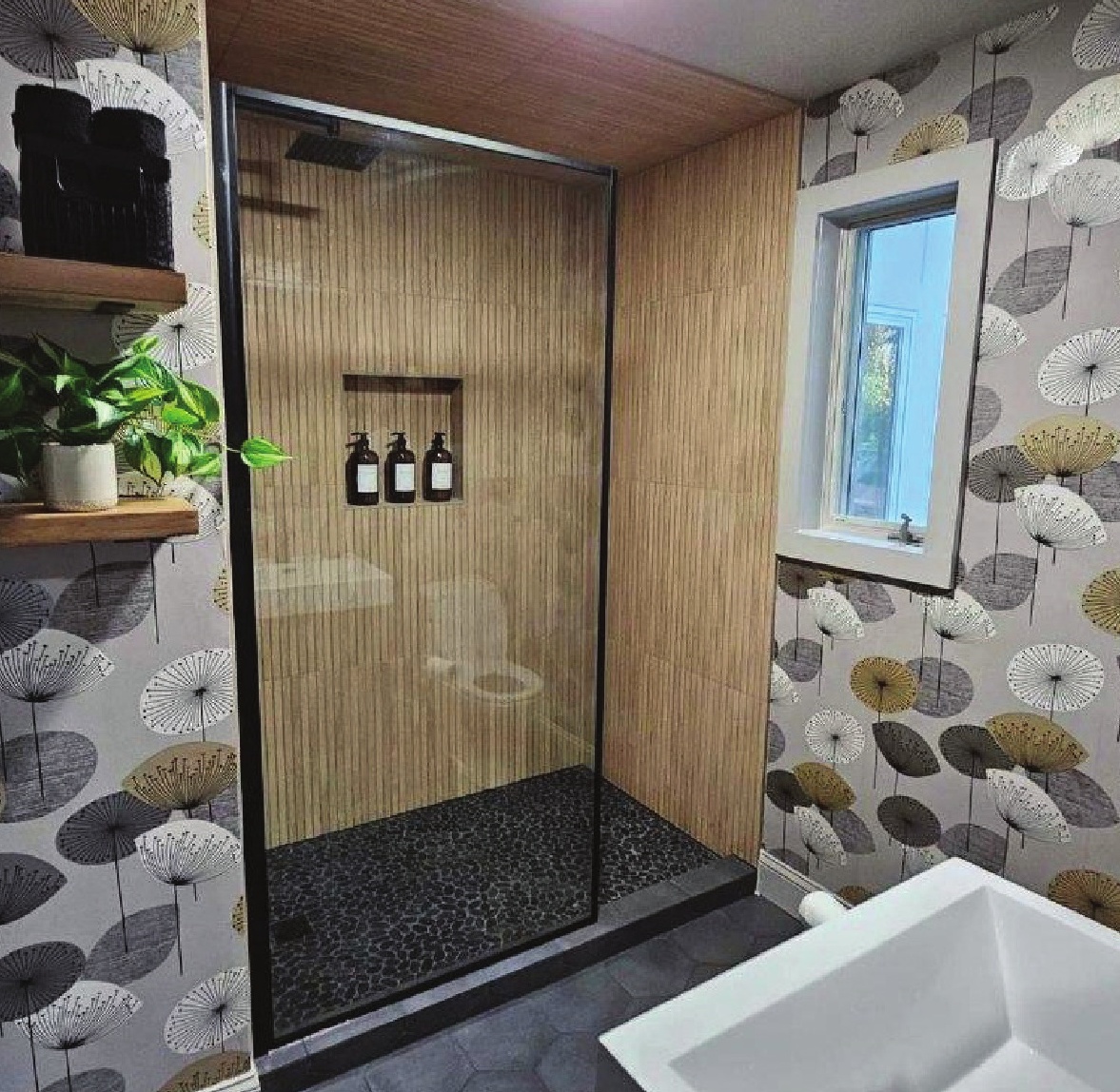
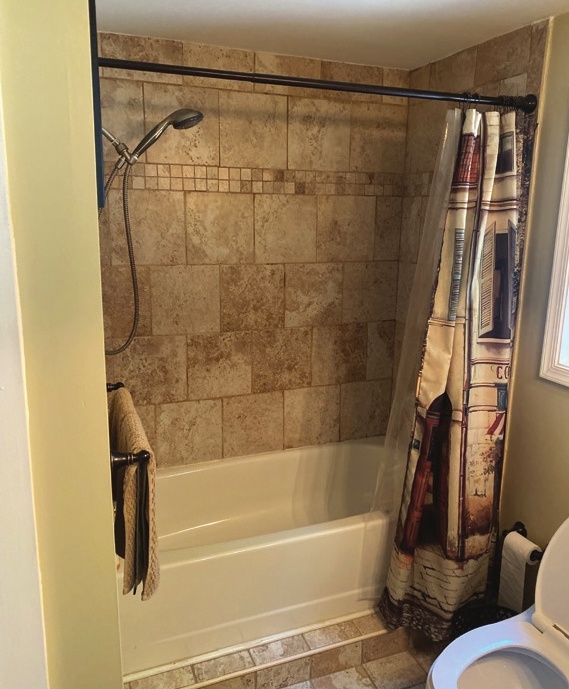
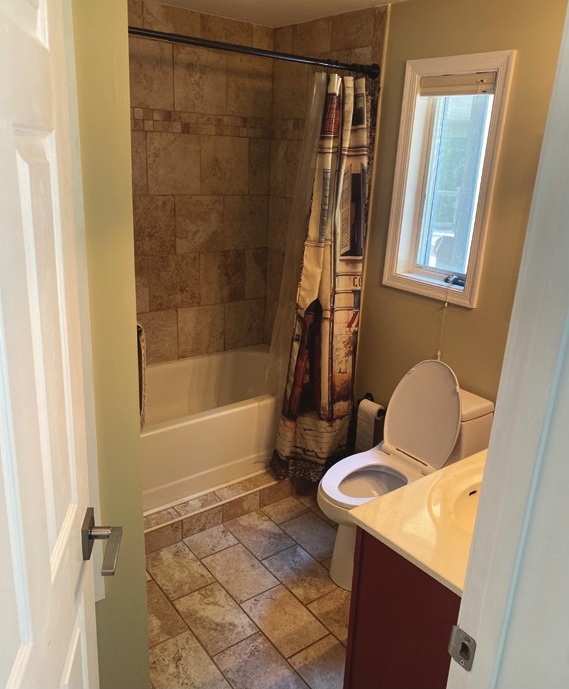
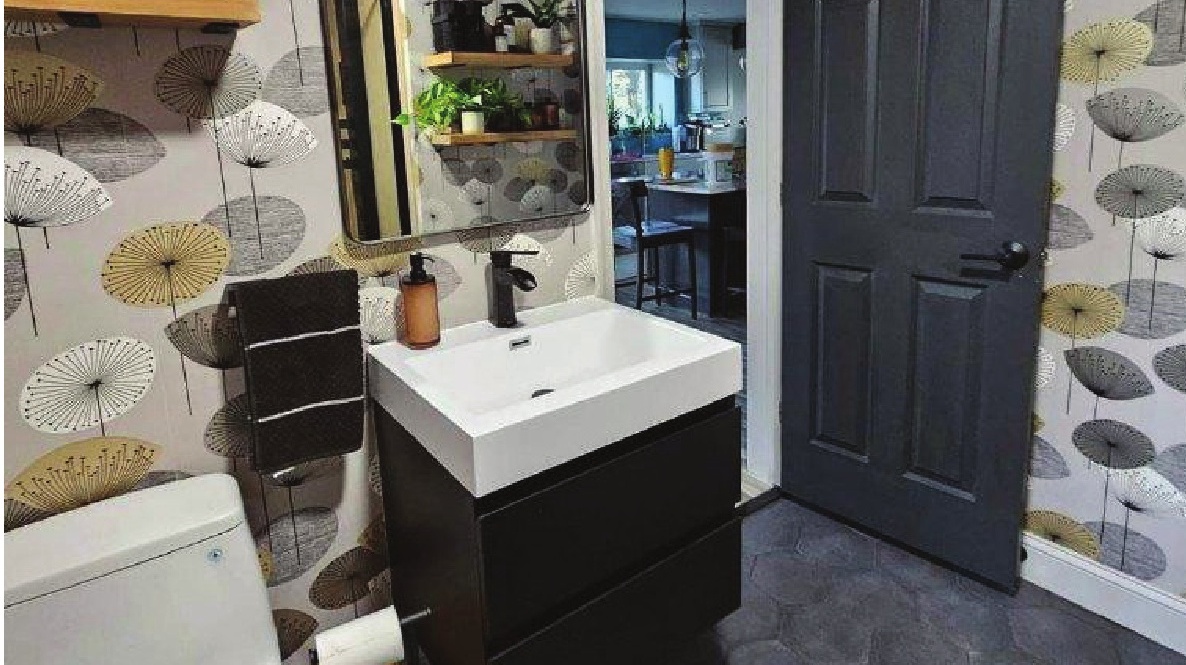
Annapolis Bathroom Remodel with Rustic Charm
Project highlights: This 1950s Annapolis home received a stunning bathroom transformation with a tub-to-shower conversion. The project came with a unique challenge: the house was built with radiant heat flooring. Relocating the toilet and vanity meant rerouting plumbing that was tied directly into the radiant system. To achieve the new layout, the team carefully broke through the concrete slab to access the existing copper piping, then reworked the plumbing to create a more functional space. A floating, wall-mounted vanity enhances the sleek, modern design. The shower features Kenridge Ribbon Maple matte porcelain wood-look tile, while the floor is finished in Nature Oval Alor black honed mosaic pebble. Fresh wallpaper completed the look.
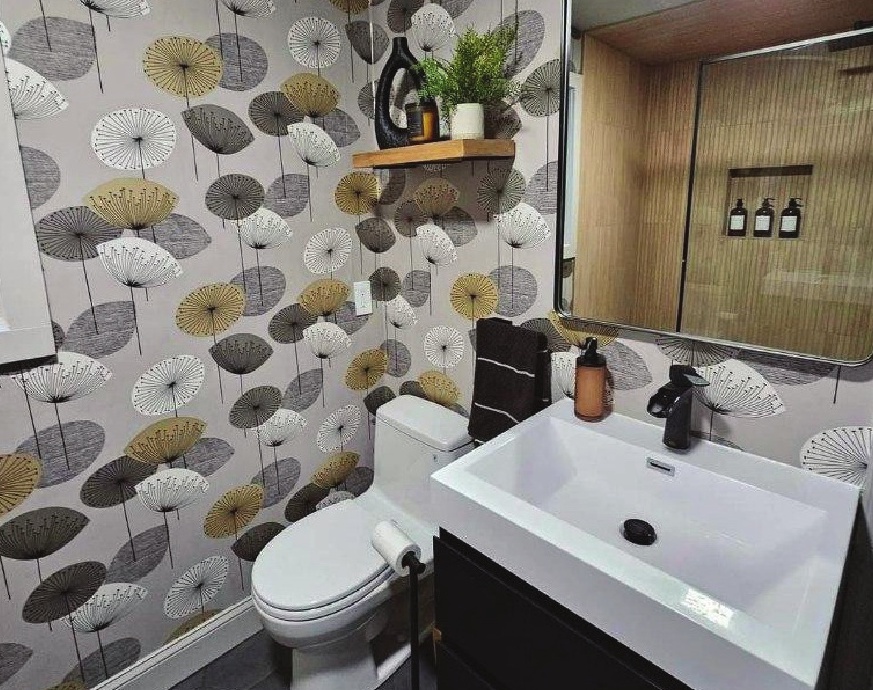
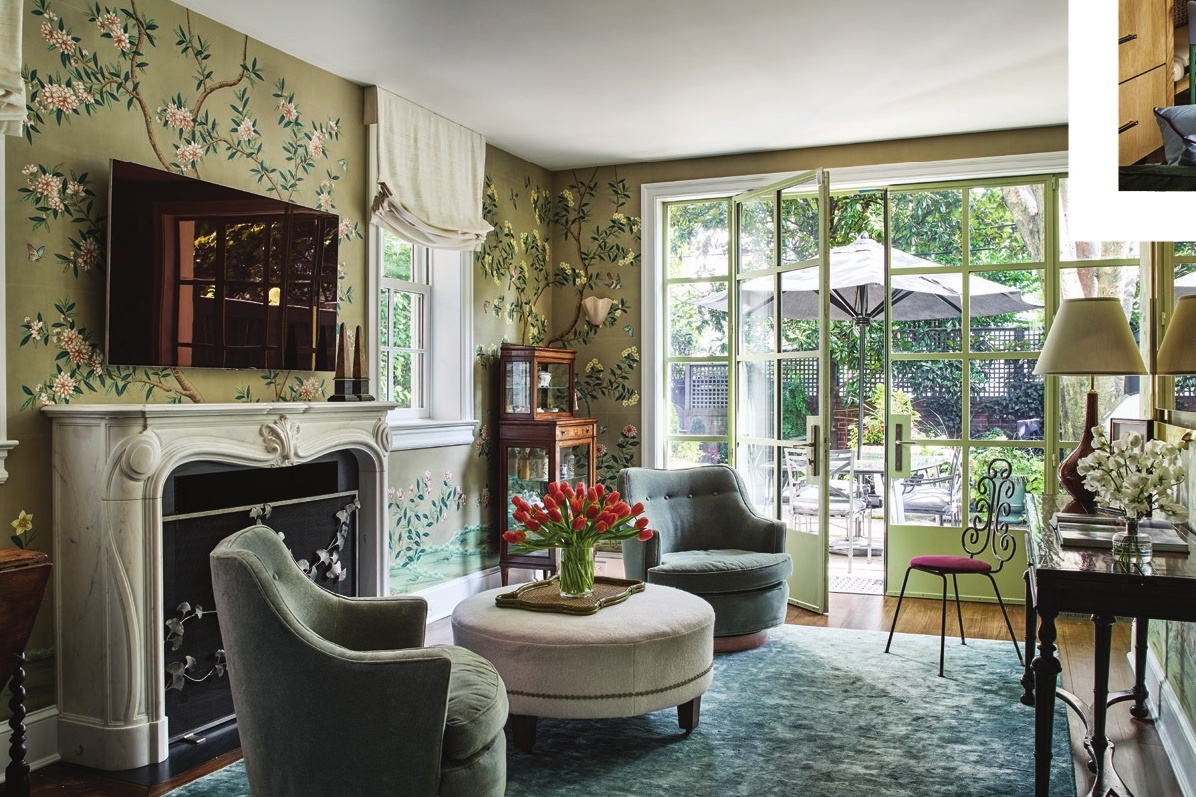
P Street
Additional project acknowledgements: Architect, Overmyer Architects • Interior design by Zoe Feldman Design • Photography by Stacy Zarin Goldberg • Landscape architecture by Richardson & Associates
Project highlights: Originally built in 1810, the home’s renovation required careful architectural intervention to honor its Federal-era bones while meeting contemporary needs. Structural updates included reconfiguring the main floor for improved flow and light, achieved through widened openings and a new rear addition that connects the kitchen to the garden. Historic moldings, fireplaces, and staircases were meticulously restored, while new millwork and custom cabinetry were designed to echo period detailing. The project’s success lies in its seamless integration of old and new—authentic materials like marble, plaster, and brass are paired with modern systems and energy-efficient updates.
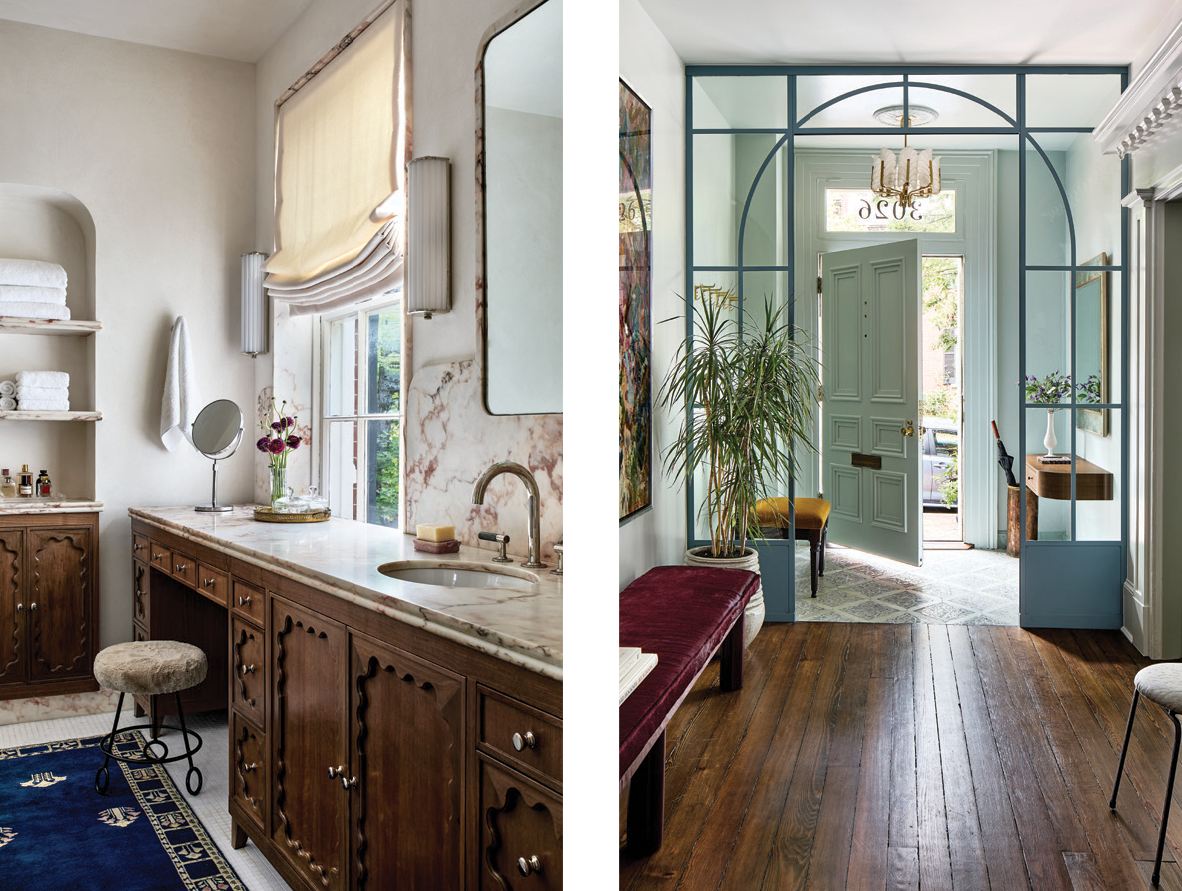
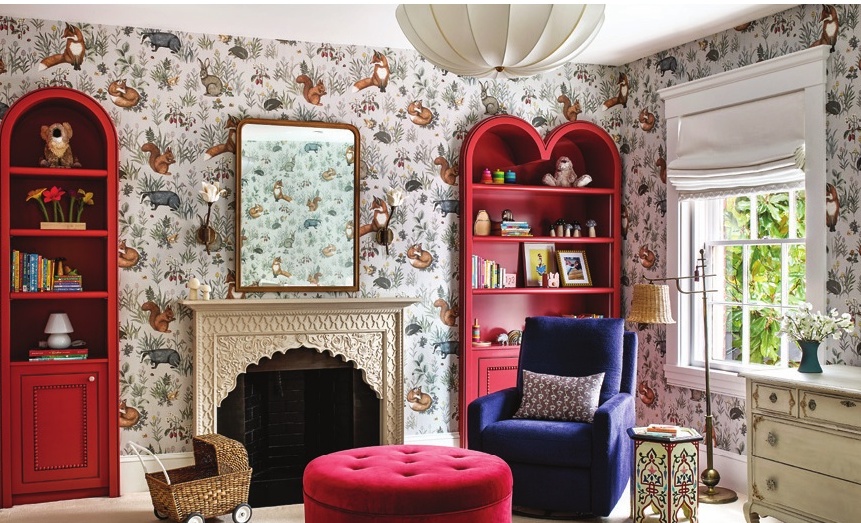
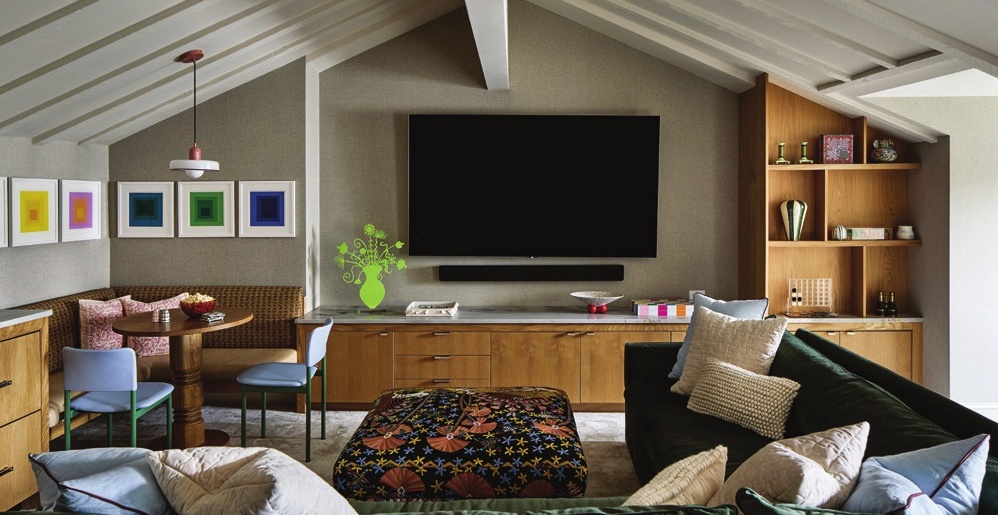
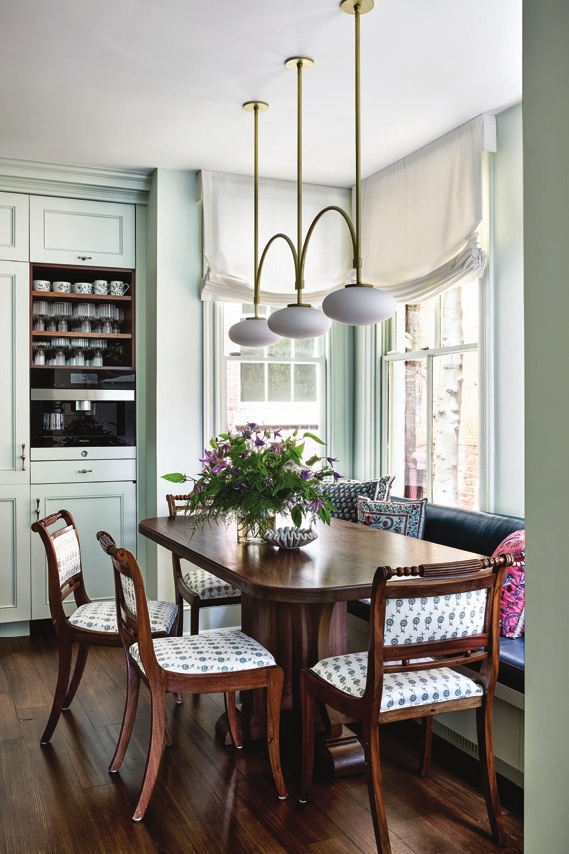
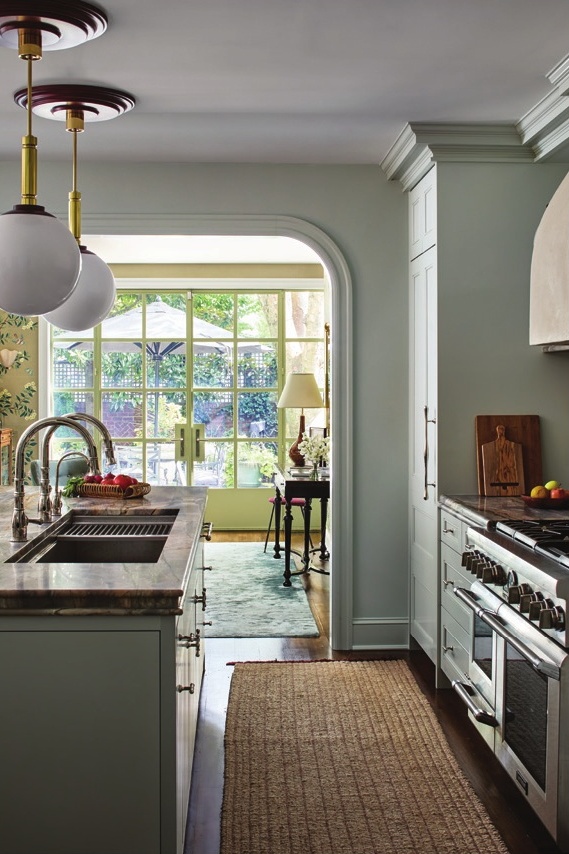
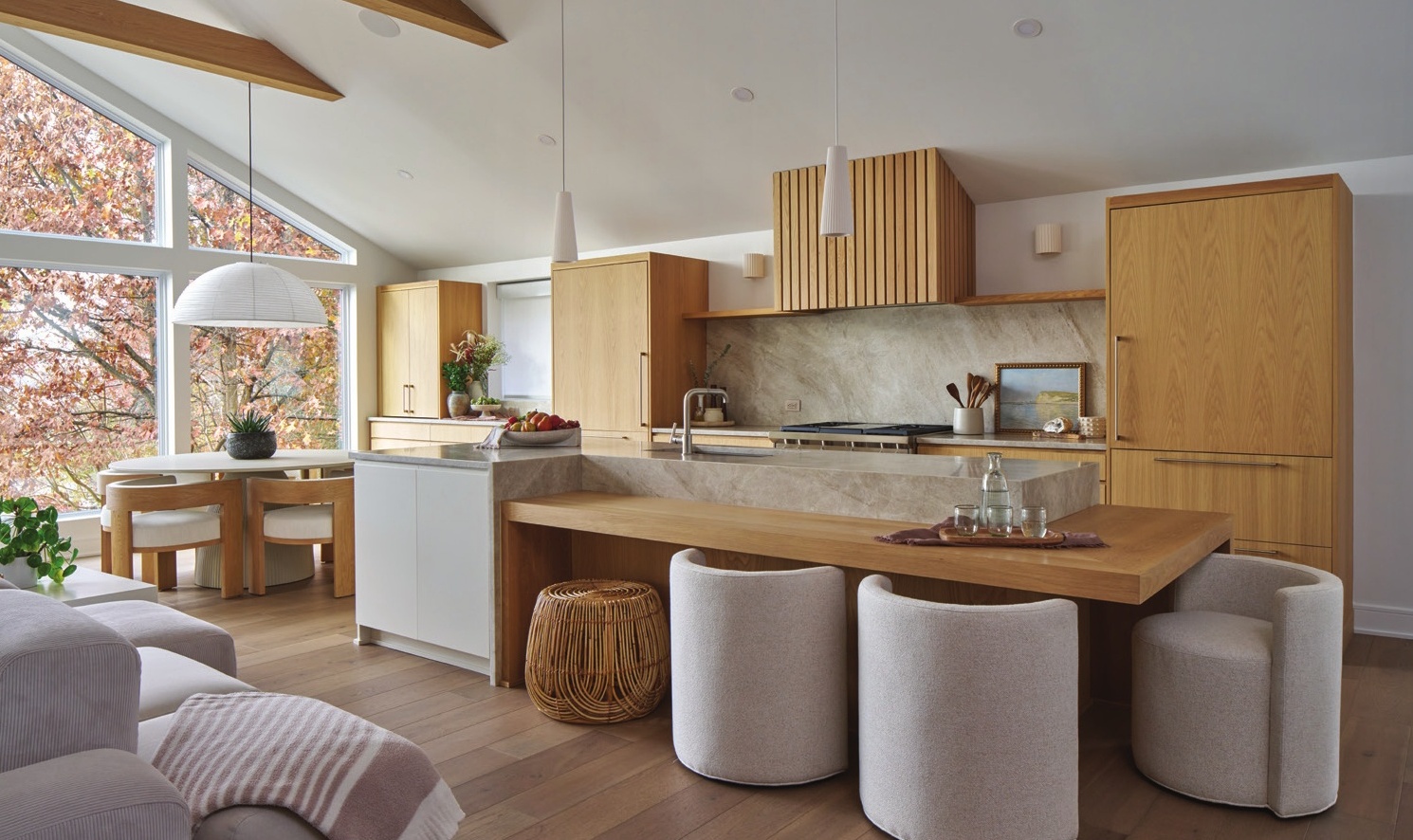
1970s Waterfront Home Transformation
Project highlights: This renovation reimagines a dated 1970s home while maximizing its natural setting and views. The original structure featured dark wood cladding and a screened-in porch off the back that obstructed sightlines to the water. By reworking the entire floor plan, the screened porch was incorporated into the main living area, opening the home to its surroundings and creating a seamless indoor–outdoor connection. A vaulted ceiling was introduced to bring volume and light into the space, accented by custom white oak collar ties. Expansive new windows were installed to frame the water views. Finishes throughout the home were carefully selected with a minimalist, Scandinavian-inspired approach.
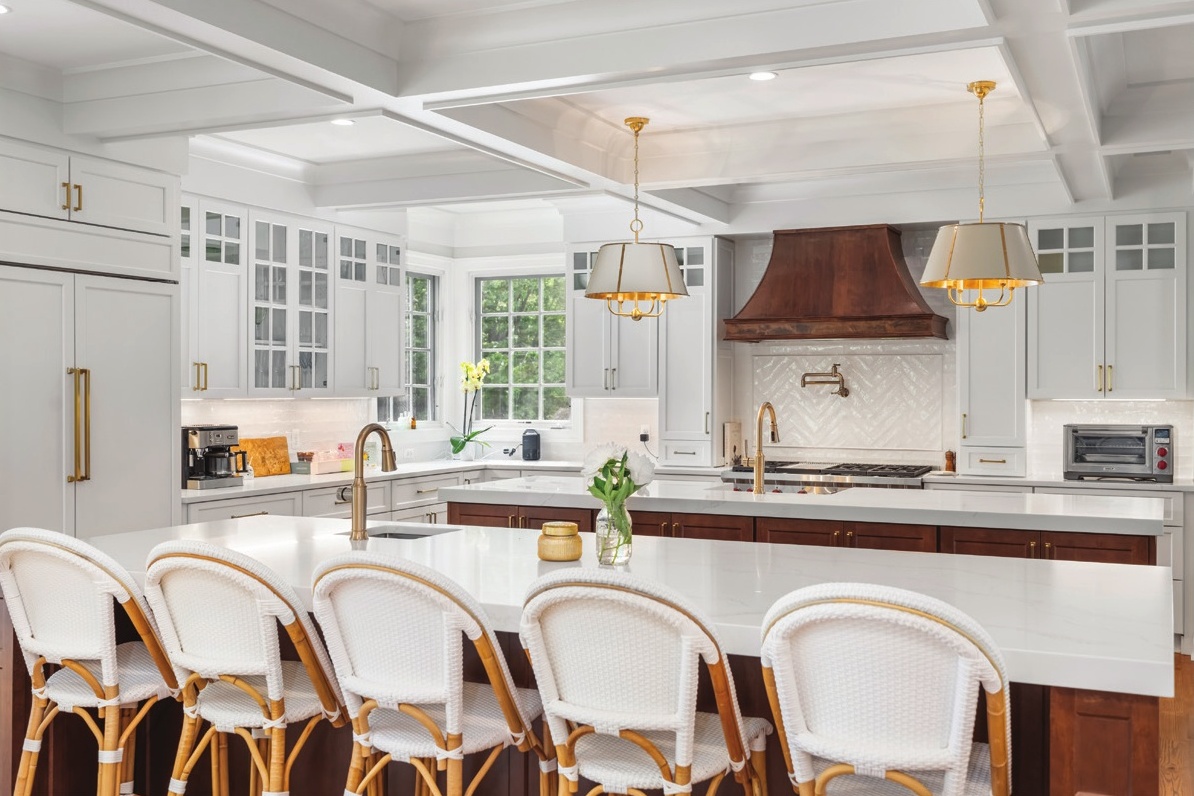
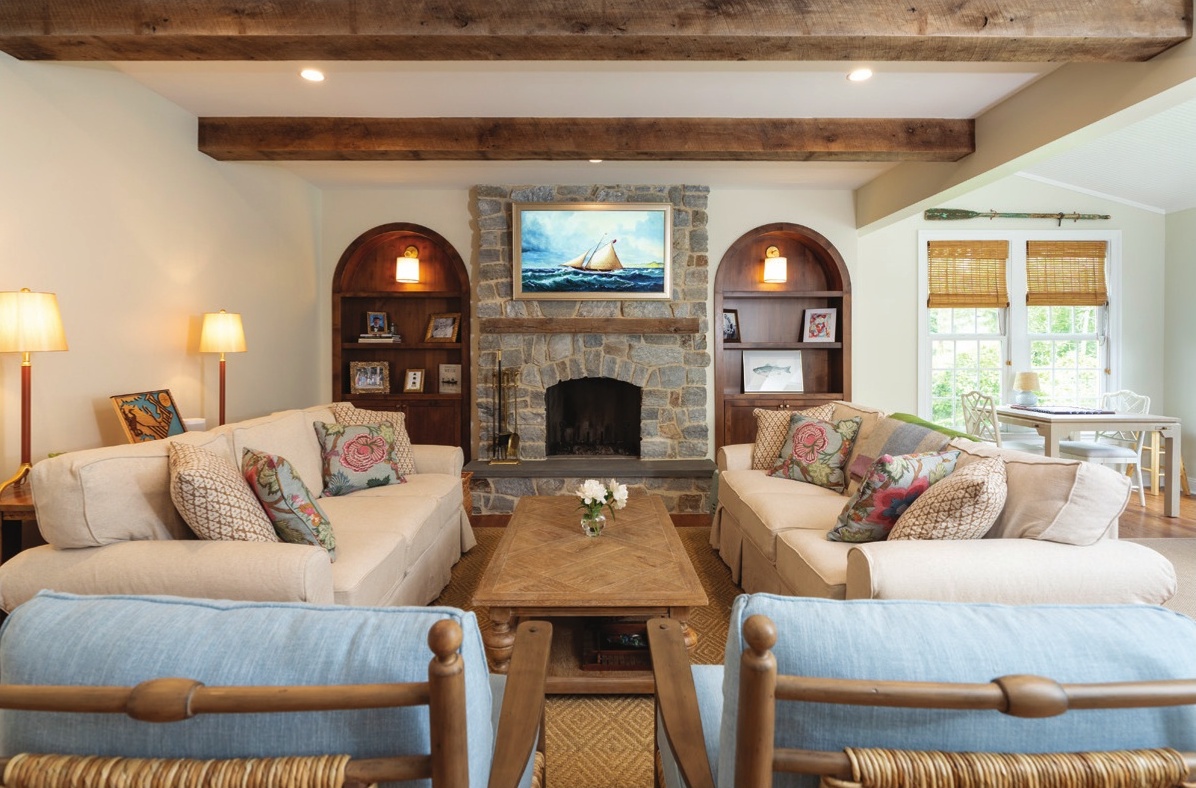
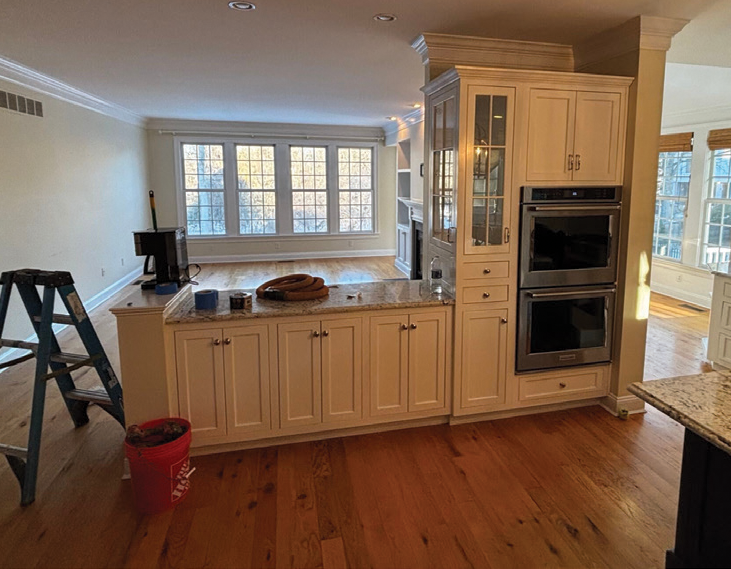
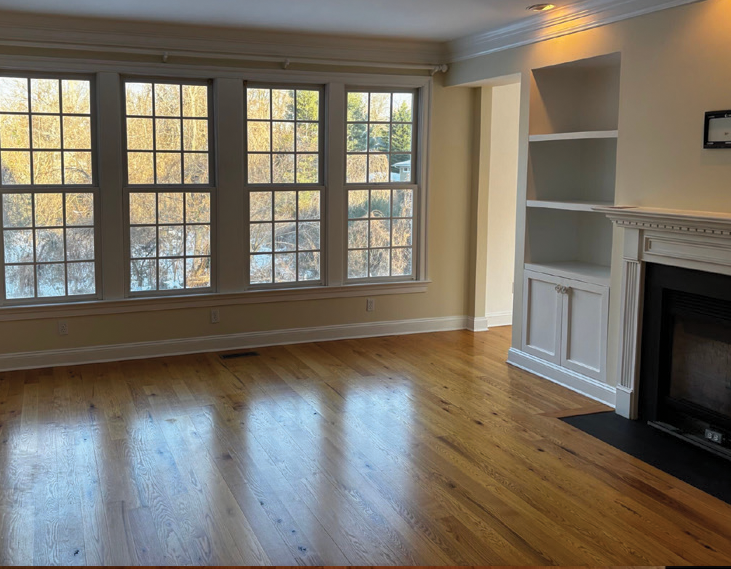
Family Room Remodel
Additional project acknowledgements: Christy Julian Interiors
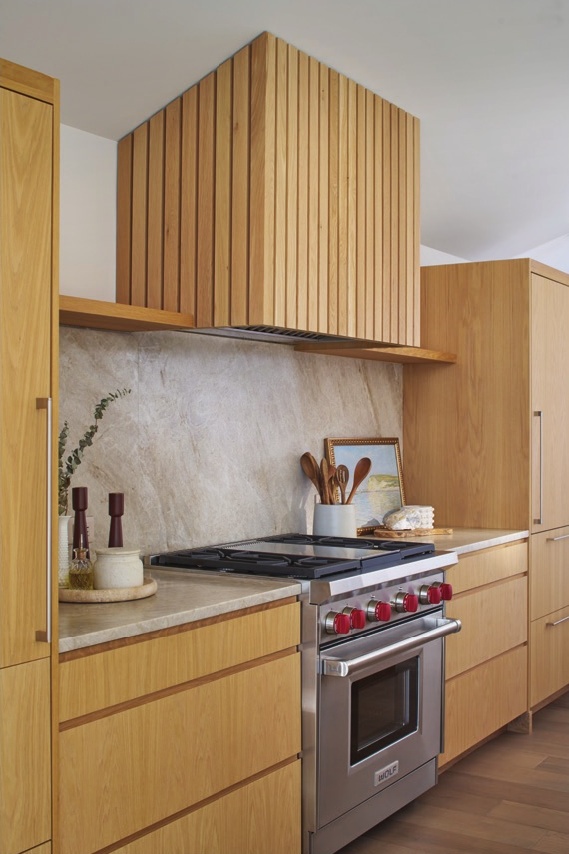
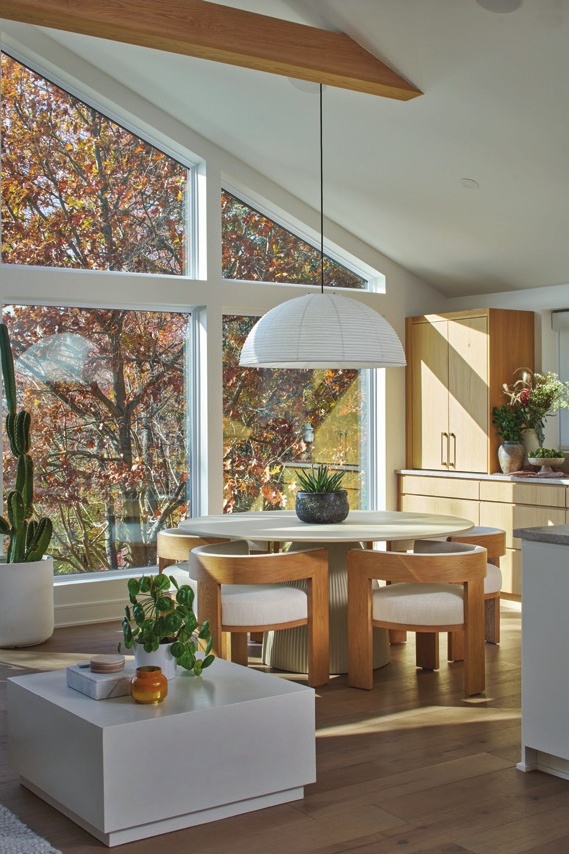
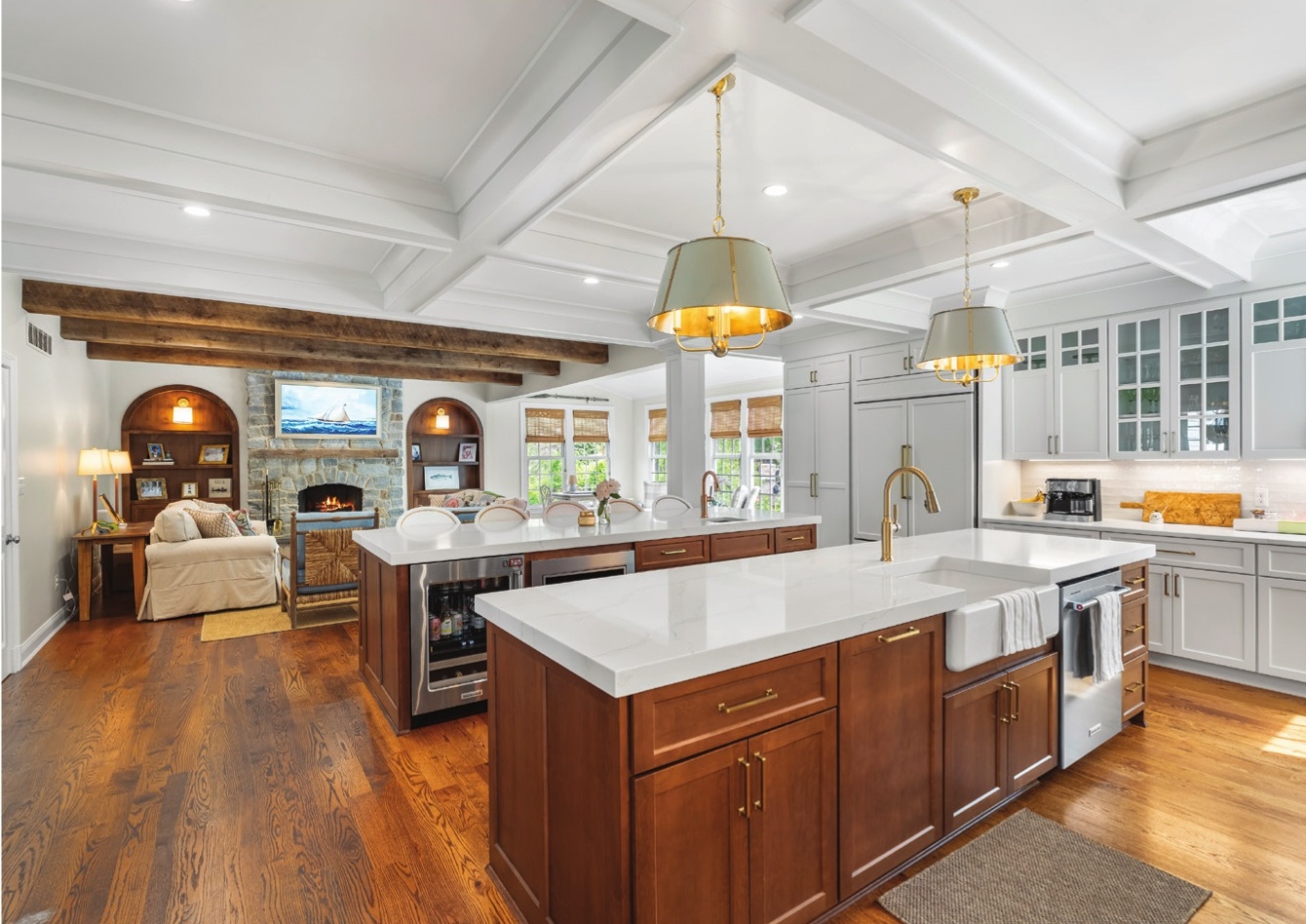
Project highlights: This kitchen and family room remodel transformed the first floor into an open-concept space ideal for entertaining, cooking, and relaxing, achieved by restructuring the second floor to create a seamless flow throughout the main level. The chef-grade kitchen features coffered ceilings, a custom-built range hood, and a unique two-island layout that provides generous prep space while inviting family and friends to gather. A rustic stone wood-burning fireplace framed by custom built-ins anchors the family room, while repurposed antique beams and matching alder cabinetry tie the two spaces together with warmth and character.
Restoration to Recreation
Entered by: Floor Coverings International of Bowie • floorcoveringsinternational.com/locations/us/md/bowie
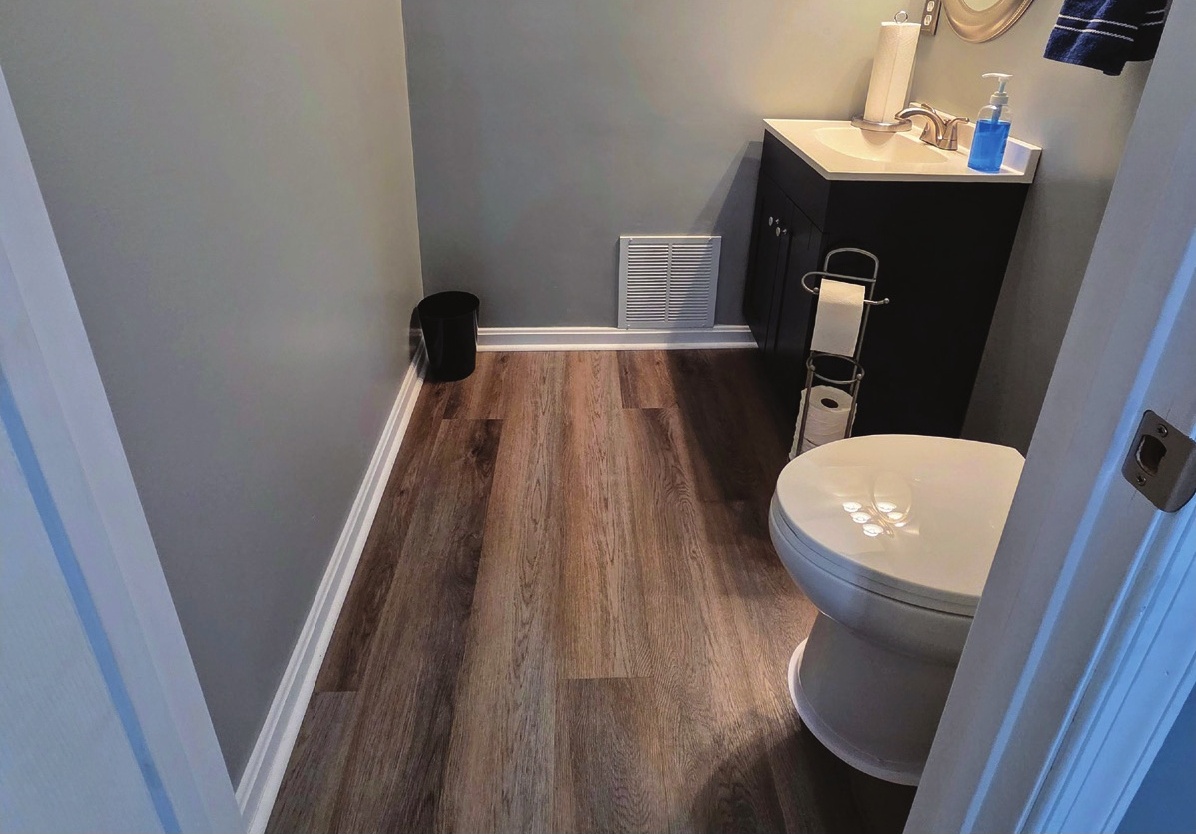
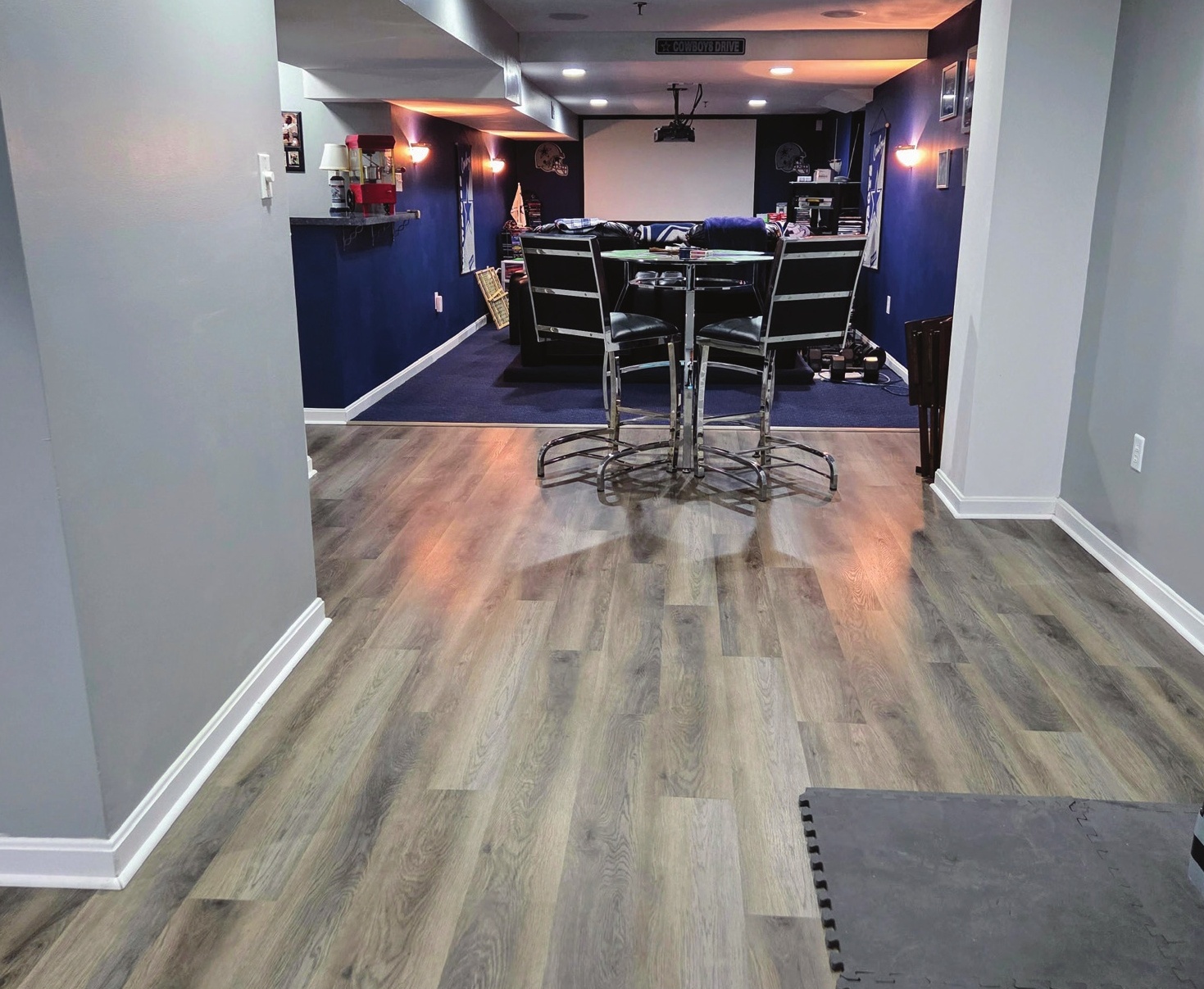
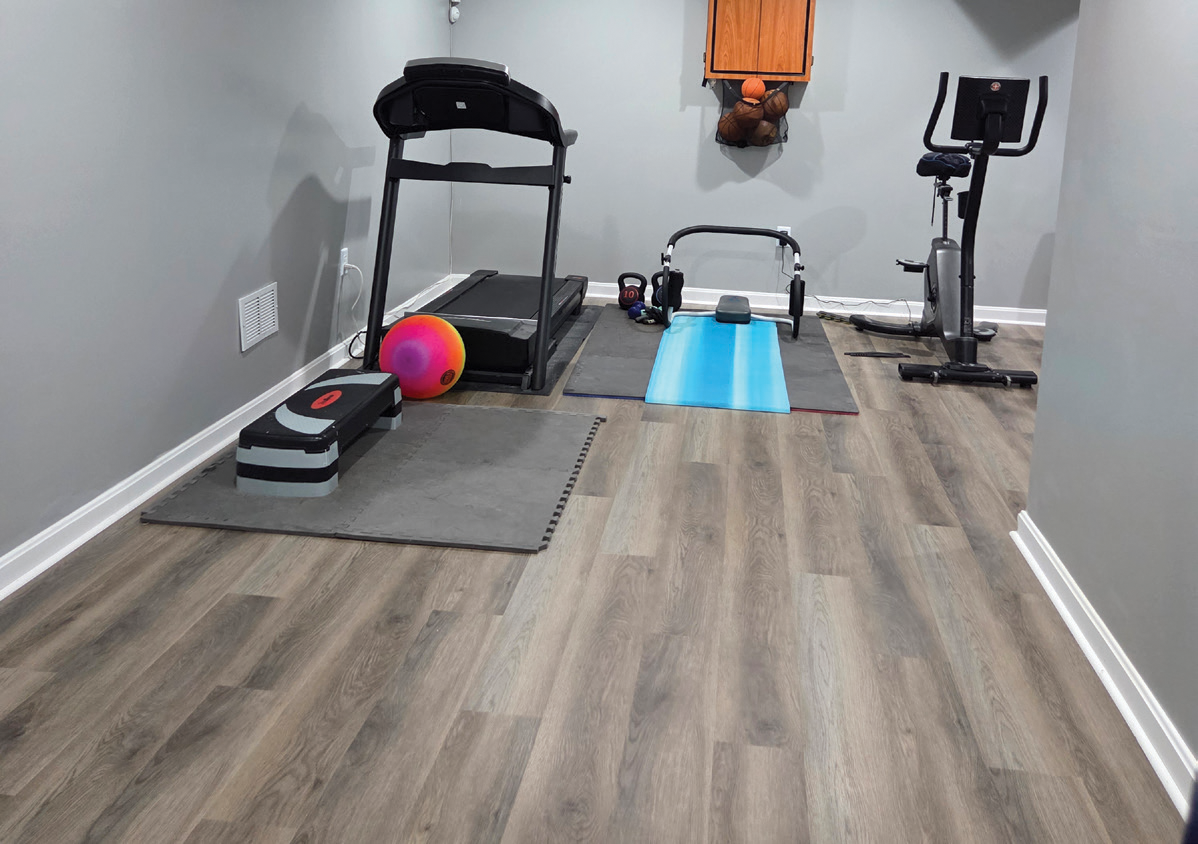
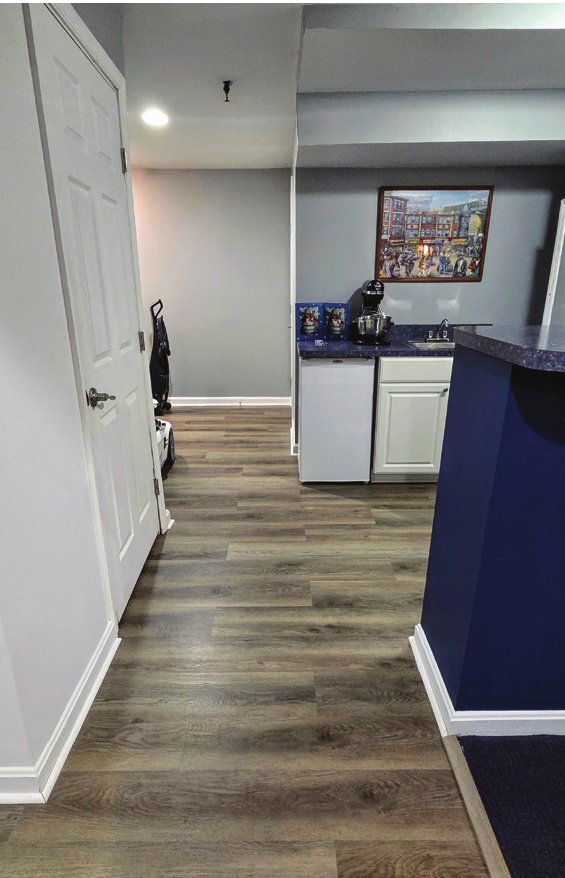
Project highlights: This series of images showcases a stunning basement renovation, transforming a water-damaged space into a durable and elegant living area. The centerpiece of this upgrade is the LVP (Luxury Vinyl Plank) flooring. The natural wood-like appearance complements the Dallas Cowboys theme, seen in the vibrant blue accent walls and various memorabilia. The space is multi-functional, featuring a comfortable entertainment area with a large projection screen and a bar-style table, a well-equipped home gym, and a stylish half-bathroom. The consistent use of gray walls and white trim creates a clean, modern backdrop, allowing the rich blue accents and new flooring to stand out.
Art Deco Inspired
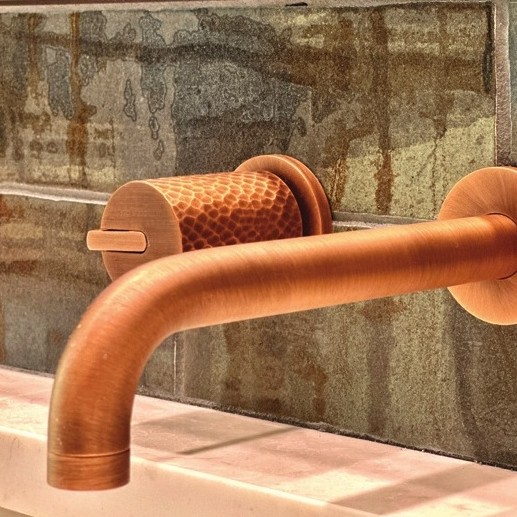
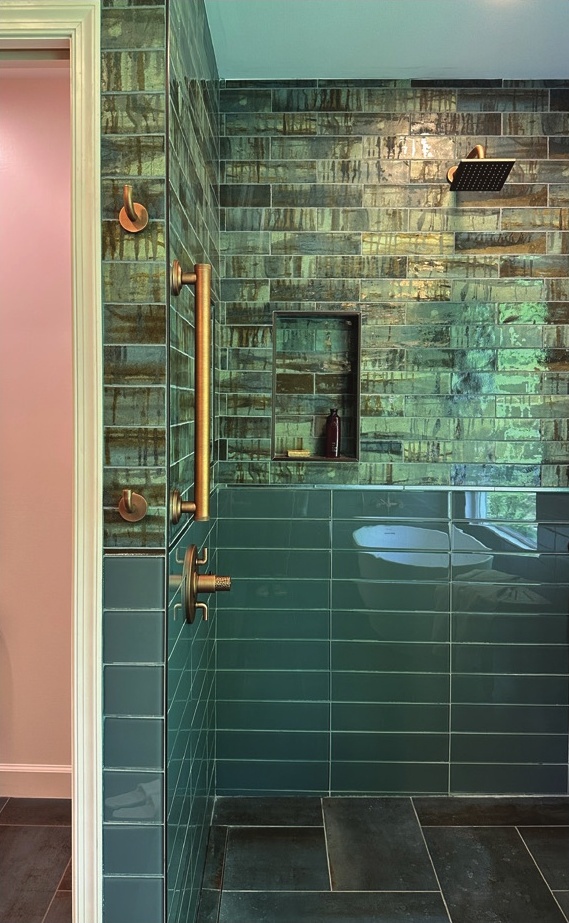
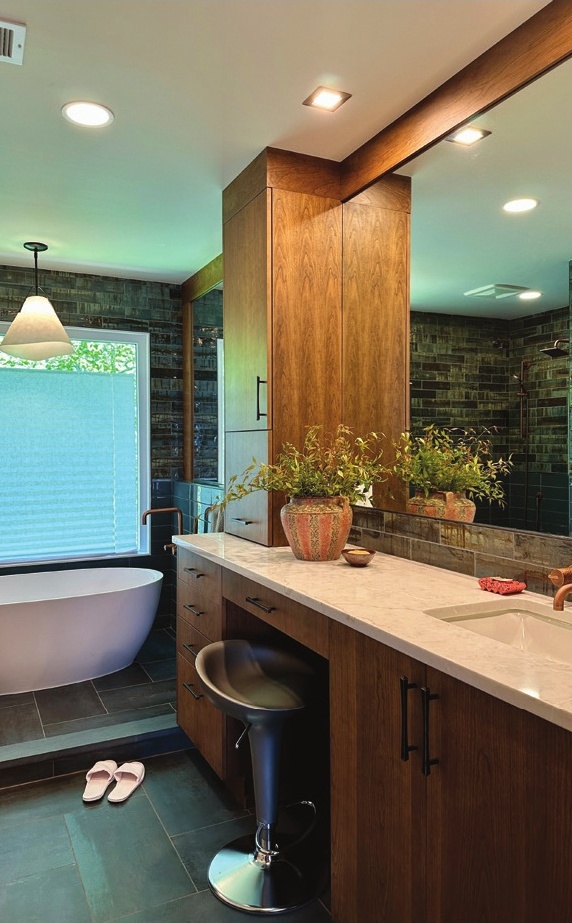
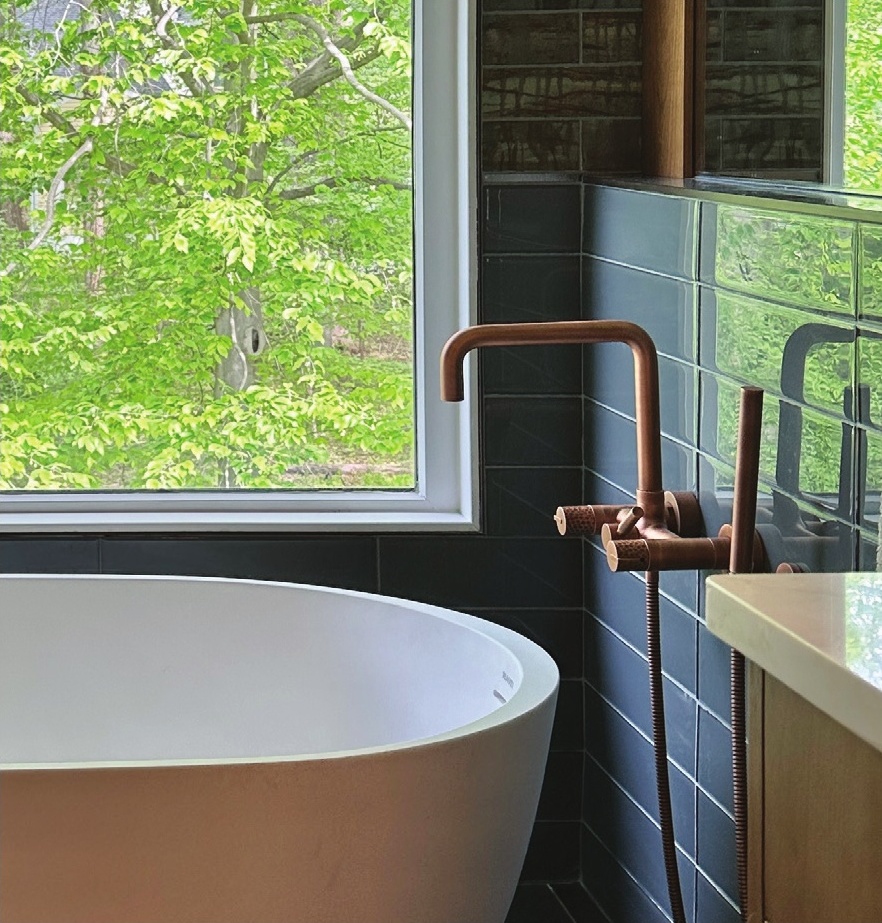
Additional project acknowledgements: Installation by Apogee Construction • Lighting by Bright Lights, Inc. • Tile by Atlas Marble and Tile • Countertops by In Home Stone • Copper fixtures by Ferguson
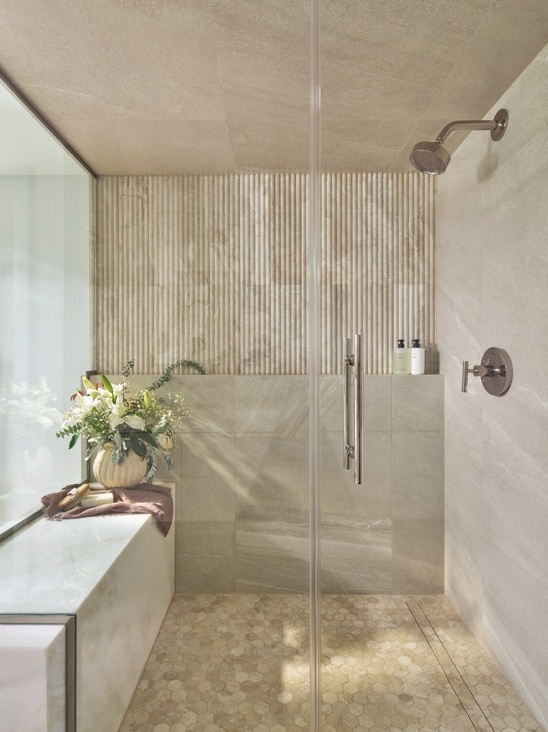
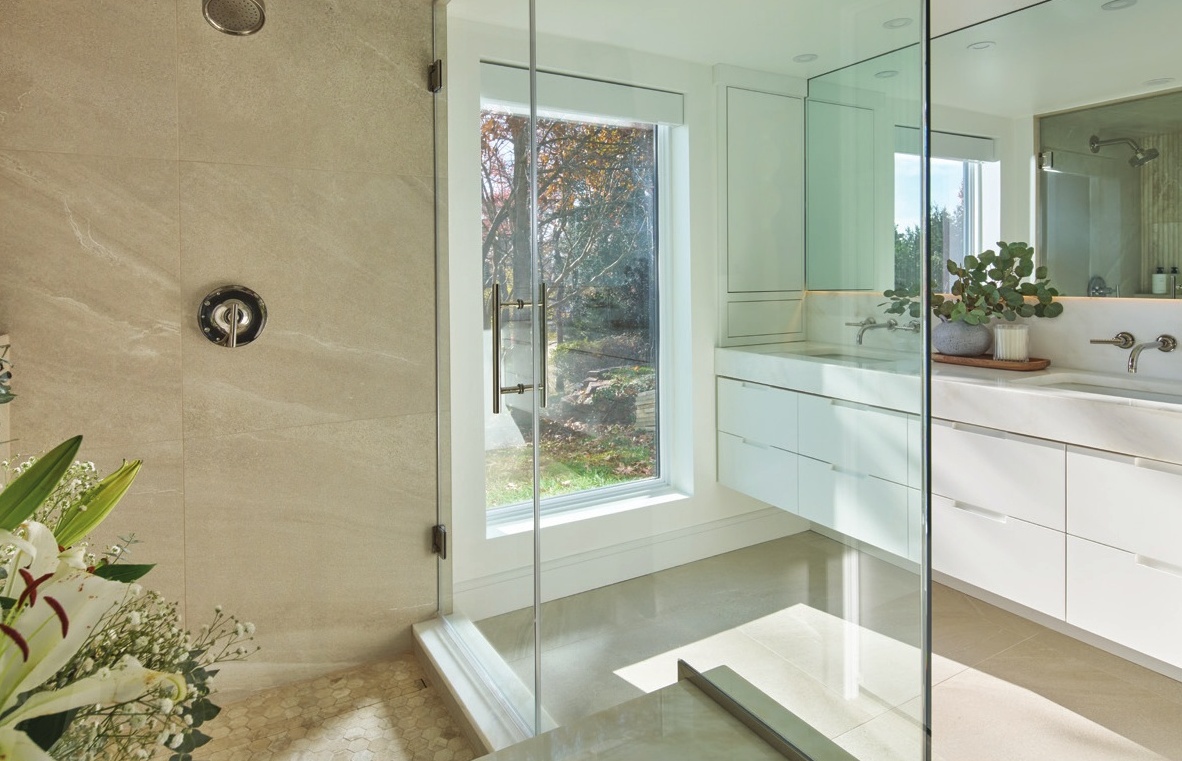
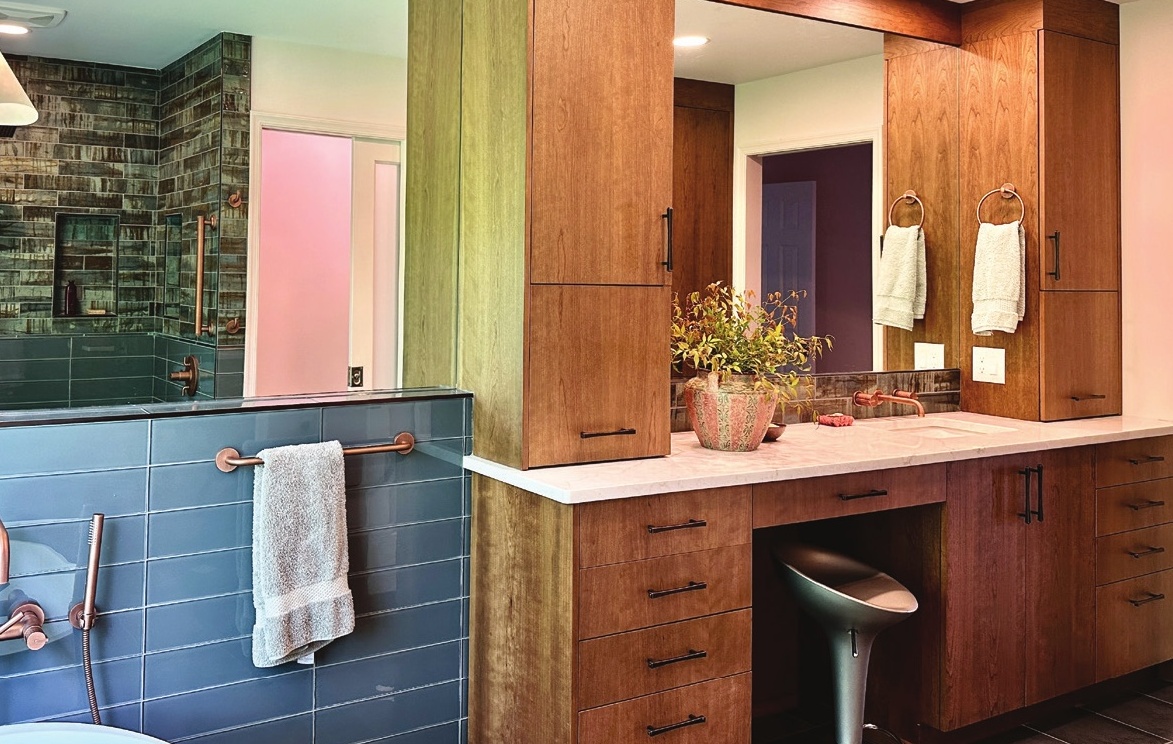
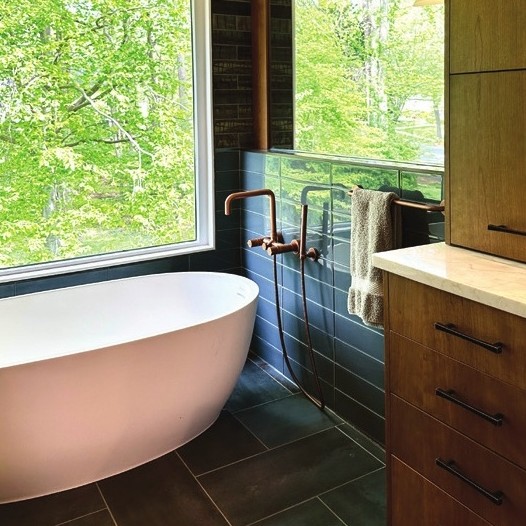
Project highlights: Designer Andrea Wheeler used this client’s collection of Asian art deco pieces as inspiration for this primary bath remodel. The entire primary suite was reconfigured, creating a large walk-in closet and bathroom space. The toilet was tucked behind walls and additional storage was added with tall cabinetry. The double sinks were exchanged for a single bowl, more fitting for the client’s lifestyle and adding more storage opportunity. The wet area is defined by the dramatic choices in tile with floor-to-ceiling patterned tile alongside glass and metallic accents. Cherry cabinetry and copper fixtures complement the blue-green tile work. Extending the mirror wrapped in cherry frame ensures brightness and reflection.
landscaping
Mondrian Garden
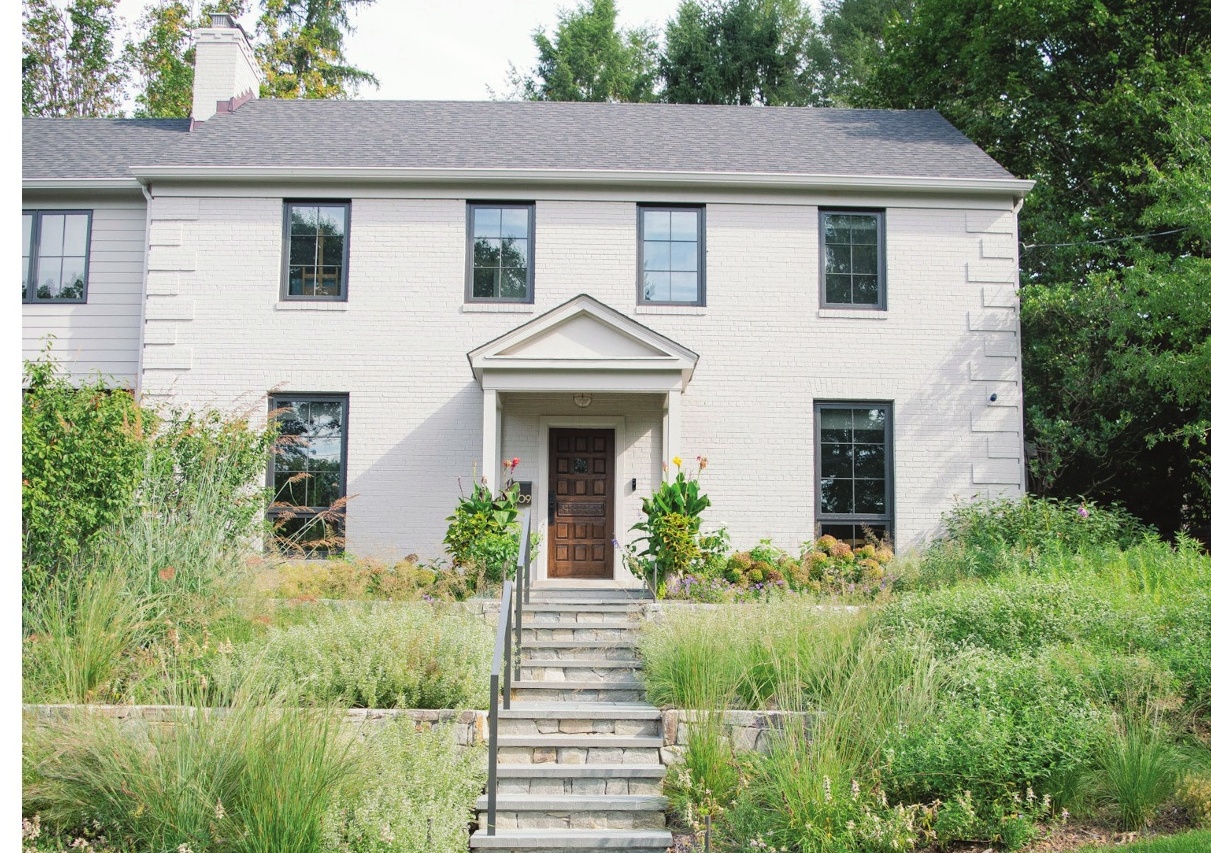
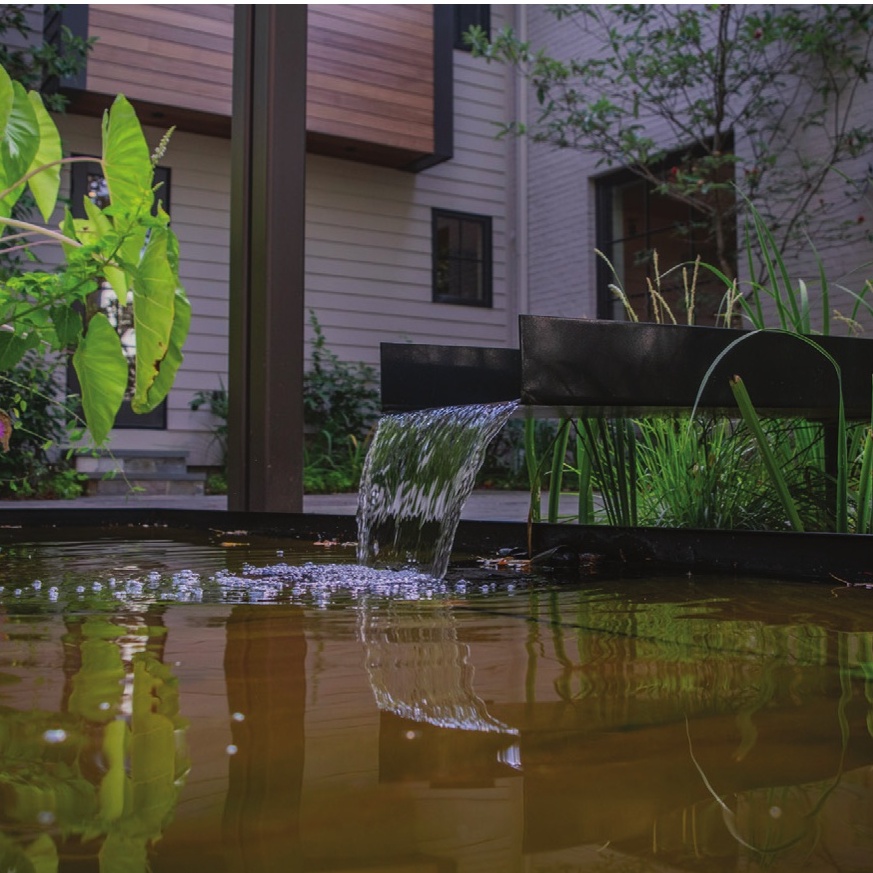
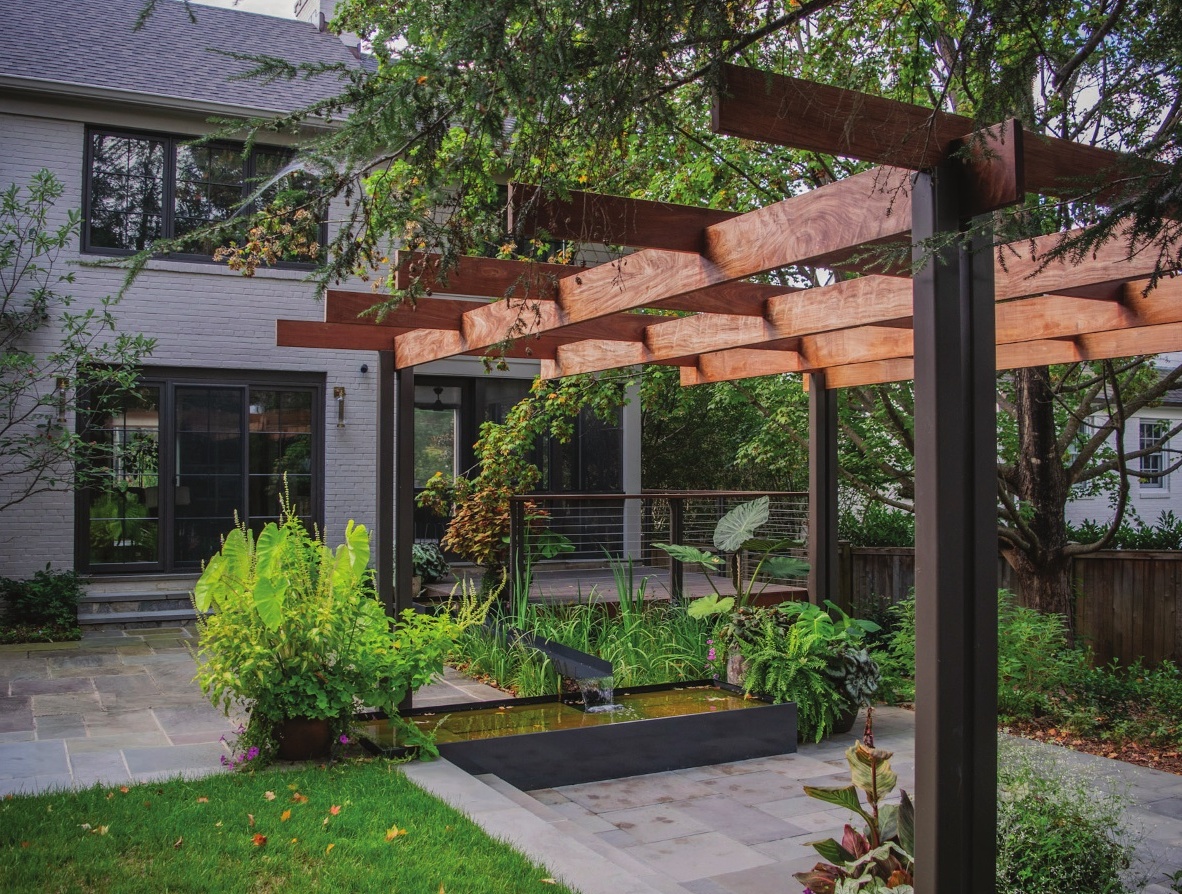
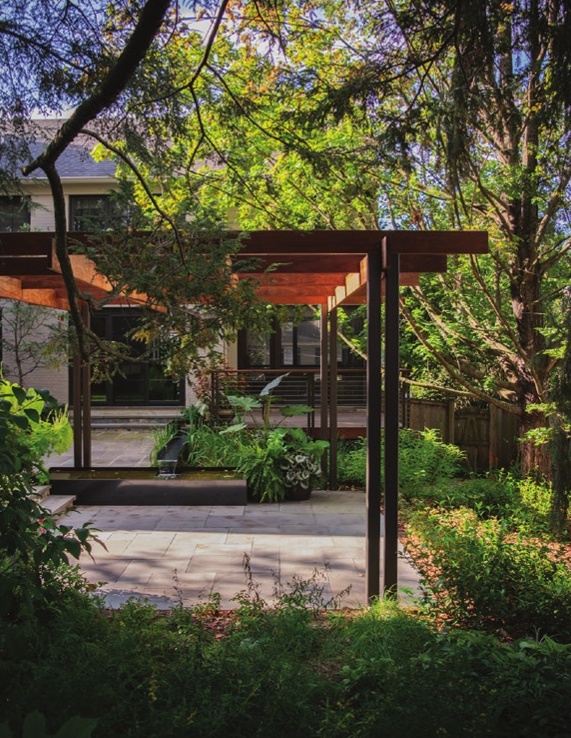
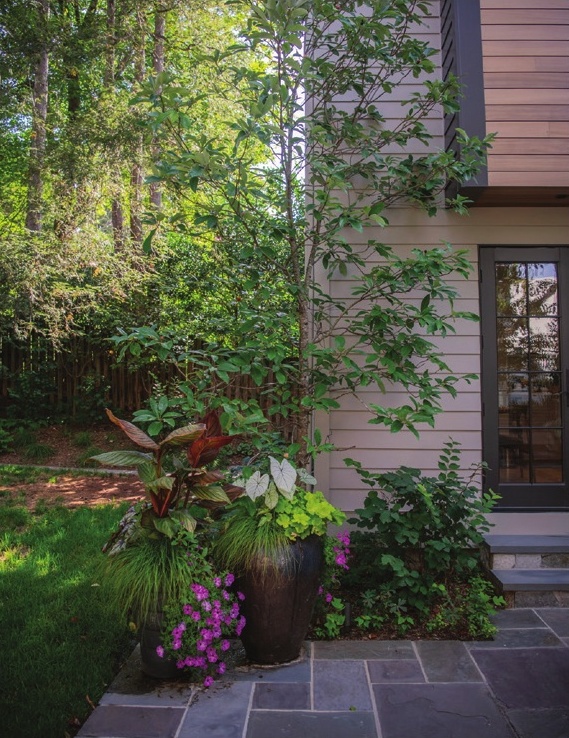
Project highlights: In the spirit of Mondrian’s iconic grid, strong linear retaining walls negotiate the steep slope of the front garden, organizing the site into a sequence of planted terraces. A layered planting strategy introduces trees that mediate between curb and roofline. A direct stone path establishes a clear connection from the street to the front door, while branching stepping-stone paths extend the grid outward to the driveway and side gardens. In the rear garden, spaces unfold across varied levels. Plantings soften the geometry, weaving natural textures through the ordered framework. A floating deck extends the sunroom seamlessly outdoors. A raised water runnel provides a tranquil soundscape. Paired water boxes act as reflecting planes, mirroring the landscape grid. An arbor establishes a vertical counterpoint and canopy for the terrace.
pool design/build
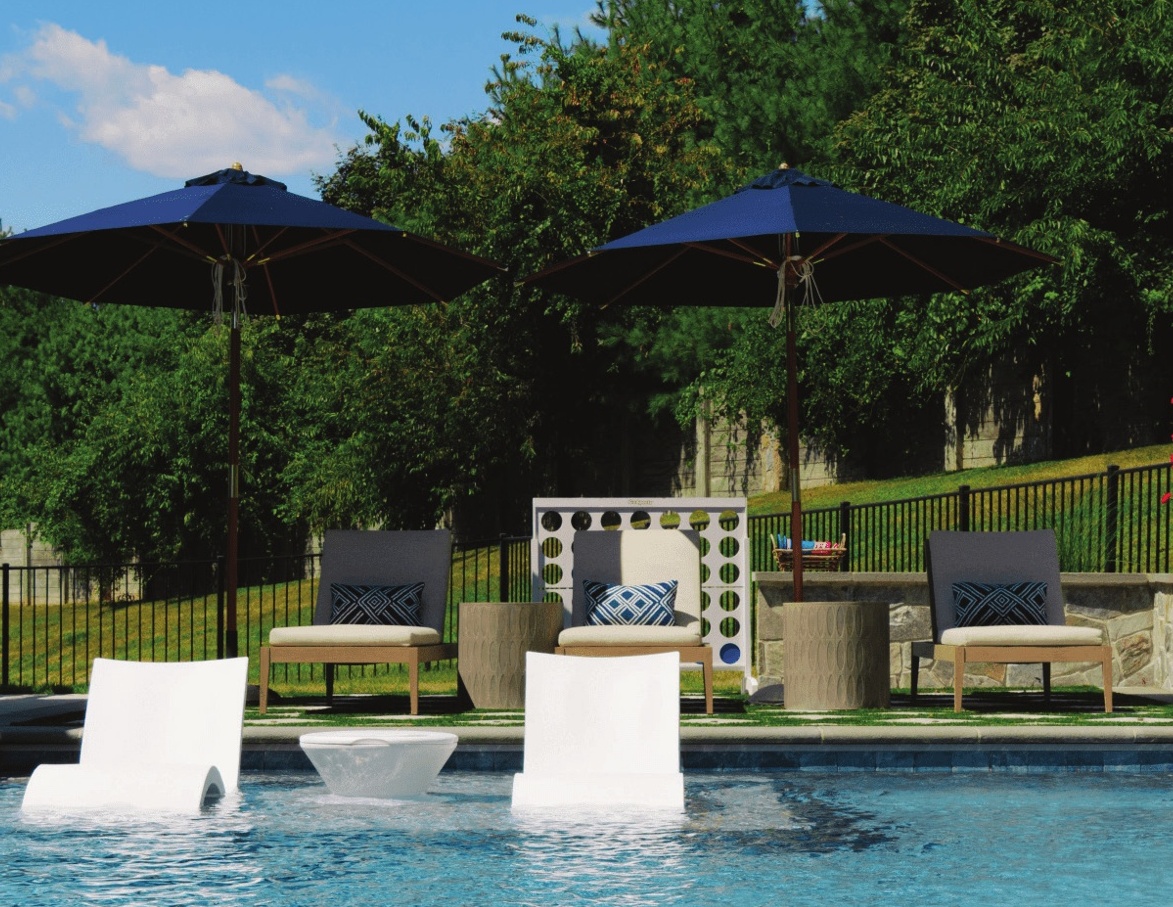
Blue Granite Retreat
Additional project acknowledgements: Home Town Landscape
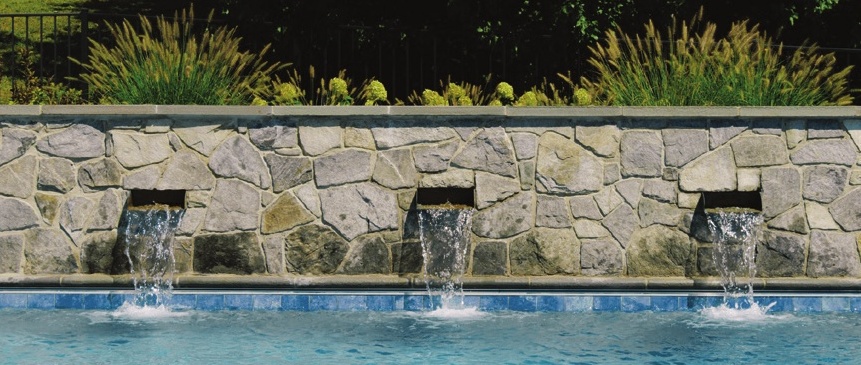
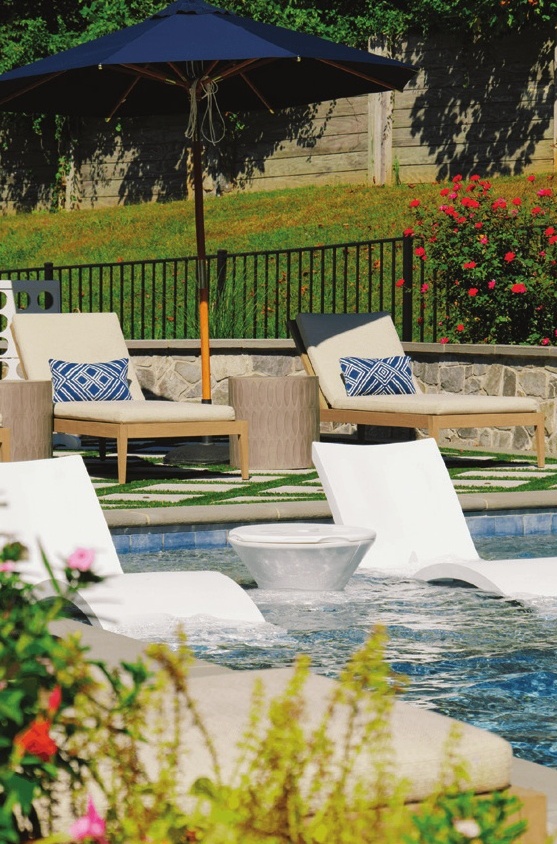
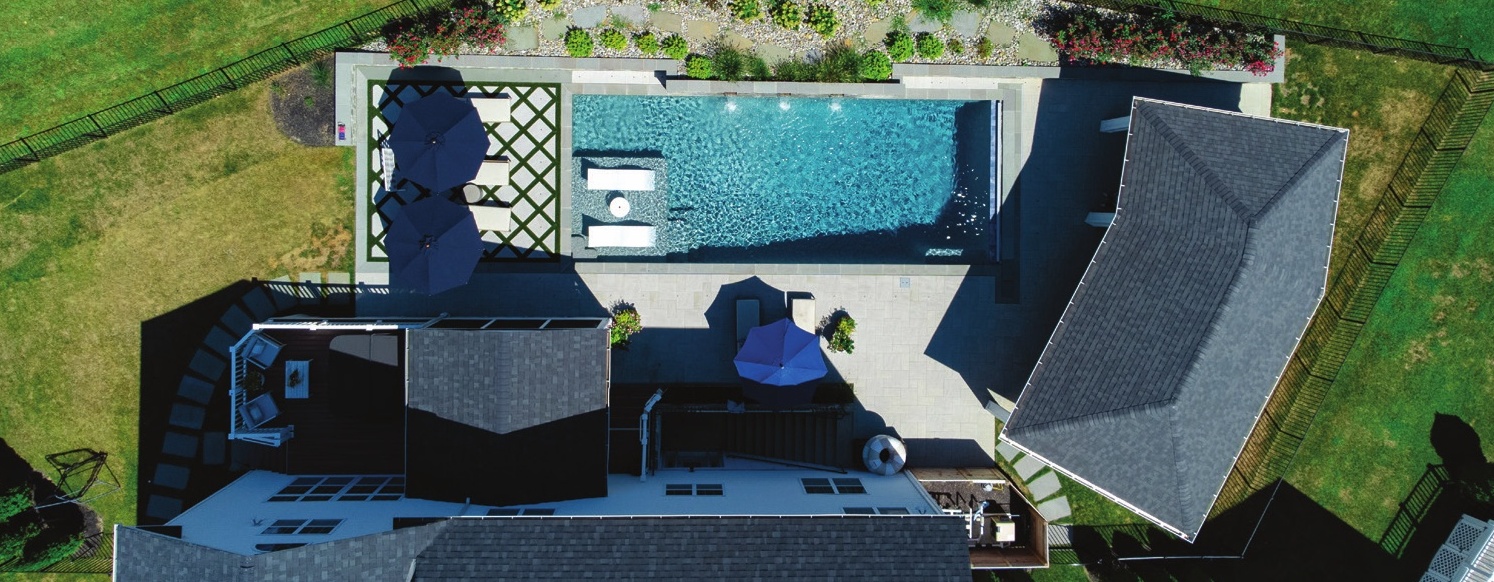
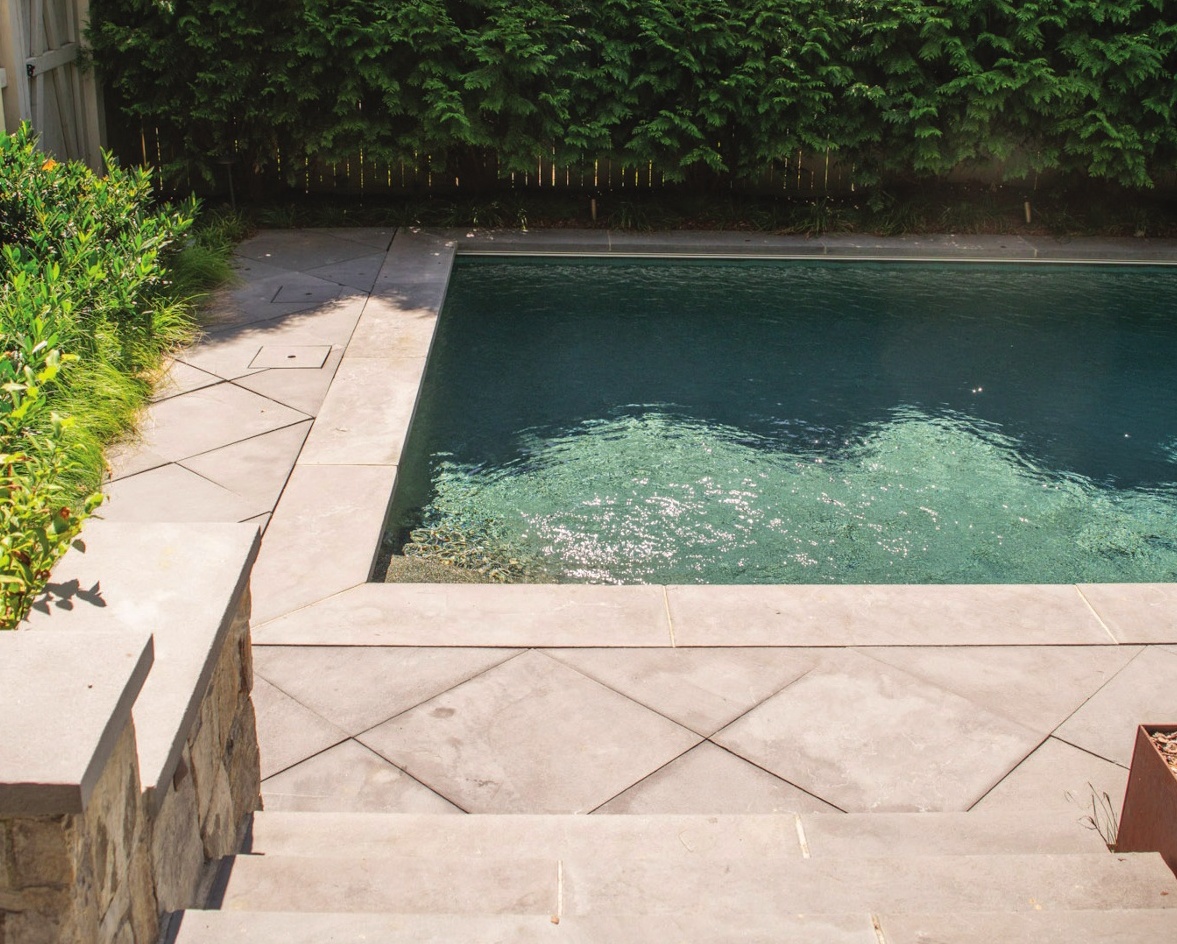
Project highlights: This project features a custom gunite pool and pool house that seamlessly blend natural materials with refined finishes. The pool’s PebbleTec Blue Granite finish provides a rich, reflective water color complemented by 12x24 True Blue Bluestone coping and matching wall accents for timeless sophistication. Three 12-inch copper Picard scuppers create a calming visual and auditory focal point, while the gray automatic safety cover maintains the clean, modern aesthetic. Terrasini Blue waterline tile adds depth and dimension. The pool house extends the outdoor living experience with cohesive architecture and integrated functionality. Surrounding patio and veneer elements complete the space with natural harmony.
Perennial Poolside
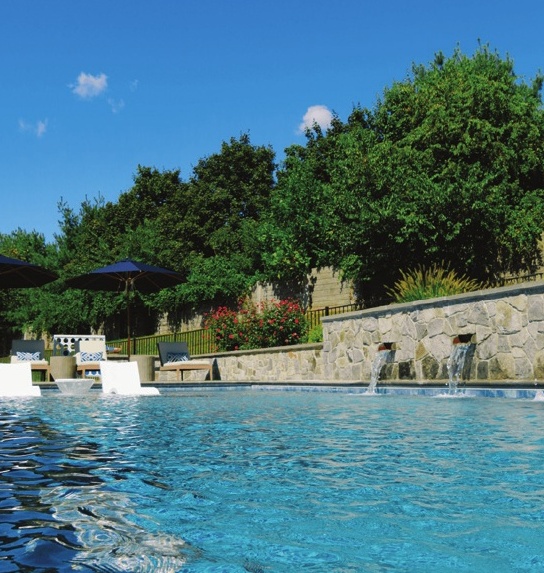
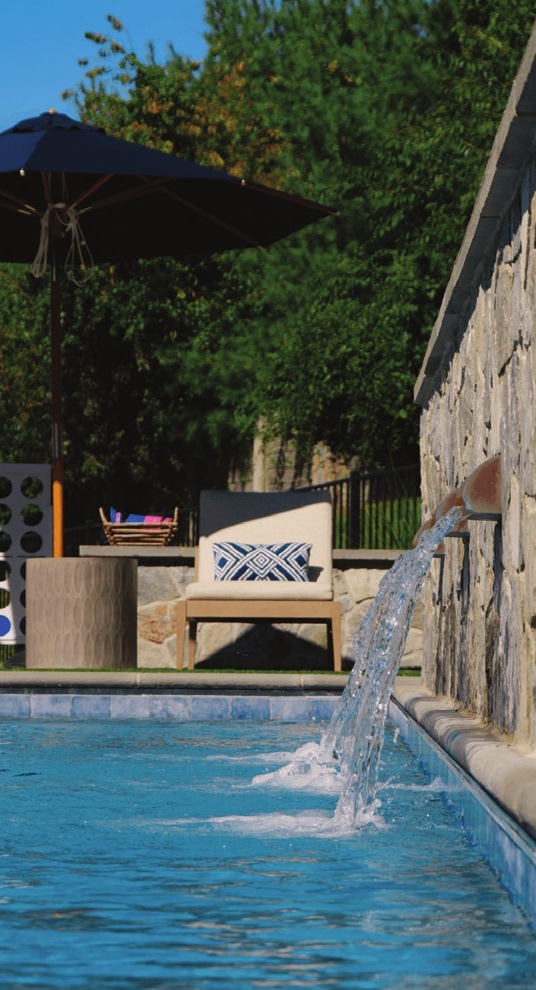
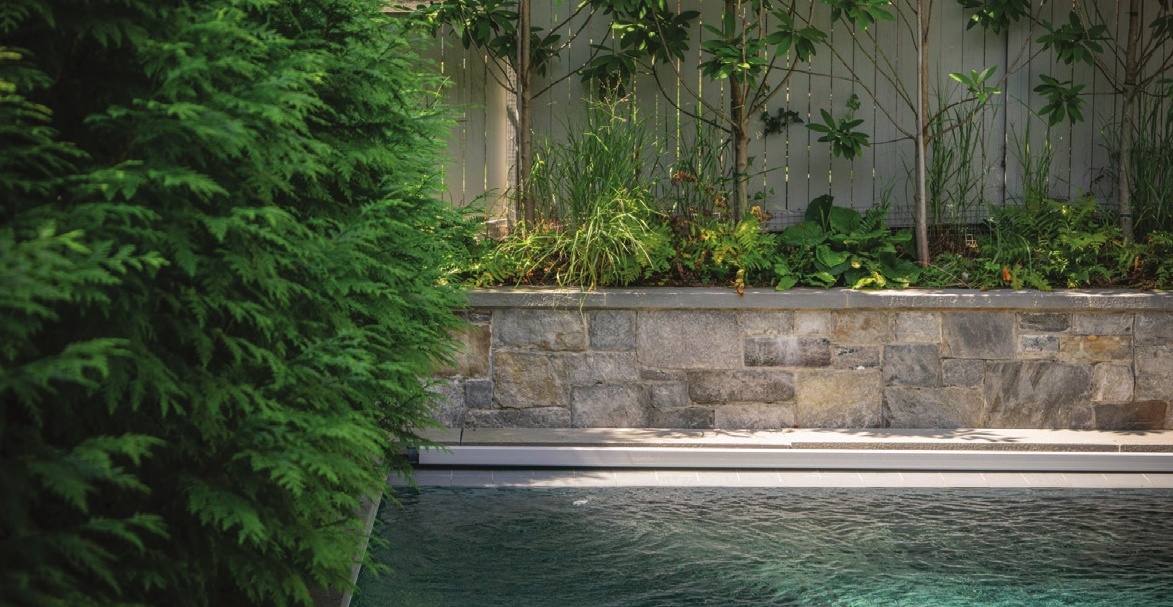
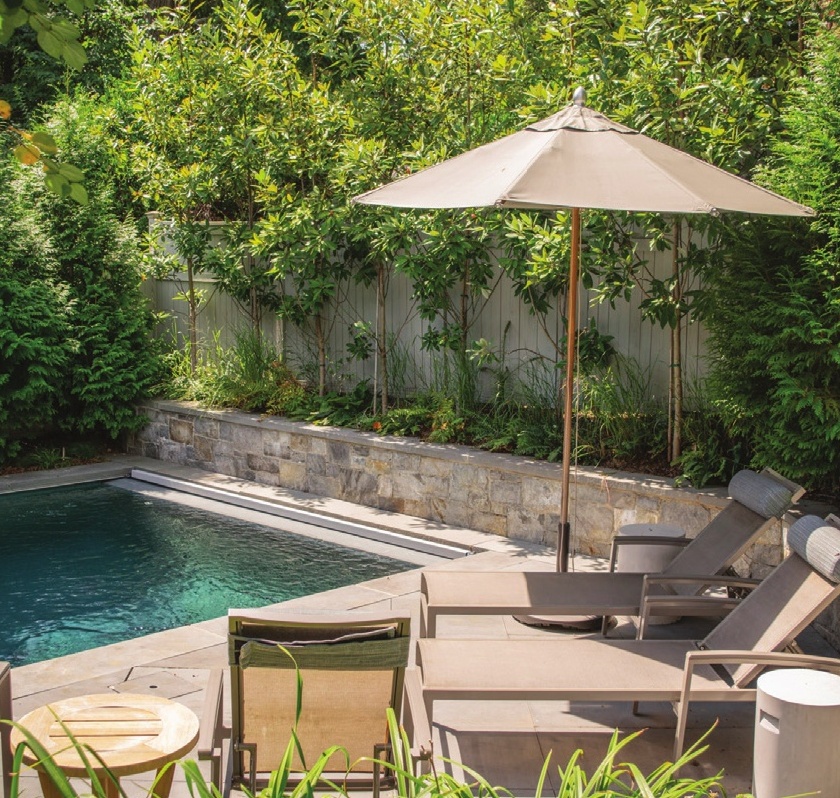
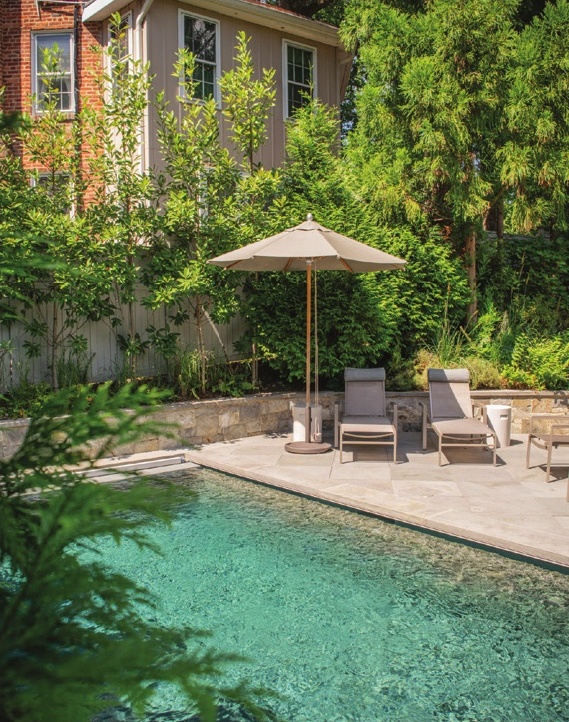
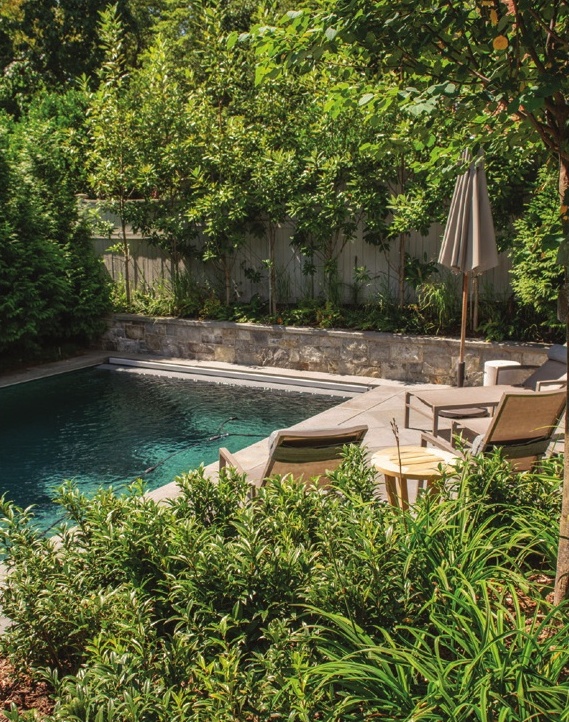
Project highlights: Formerly designed as interpretive play space, the lower terrace was transformed into a pool-scape bordered by lush plantings. The space’s organization was based on the design set forth in the original upper terrace work, done in an earlier phase of life and growth for this family. A new corten wall helps create an upper and lower plant bed, defining the spaces and softening the transition between the terraces. Extensions of the stone retaining walls around the perimeter help to further navigate the site’s grade change while also allowing planting screening to sit higher than the terrace, evoking a feeling of being surrounded by nature in the urban environment.

property addition
Chartwell Classic
Additional project acknowledgements: Architect Amy Taylor
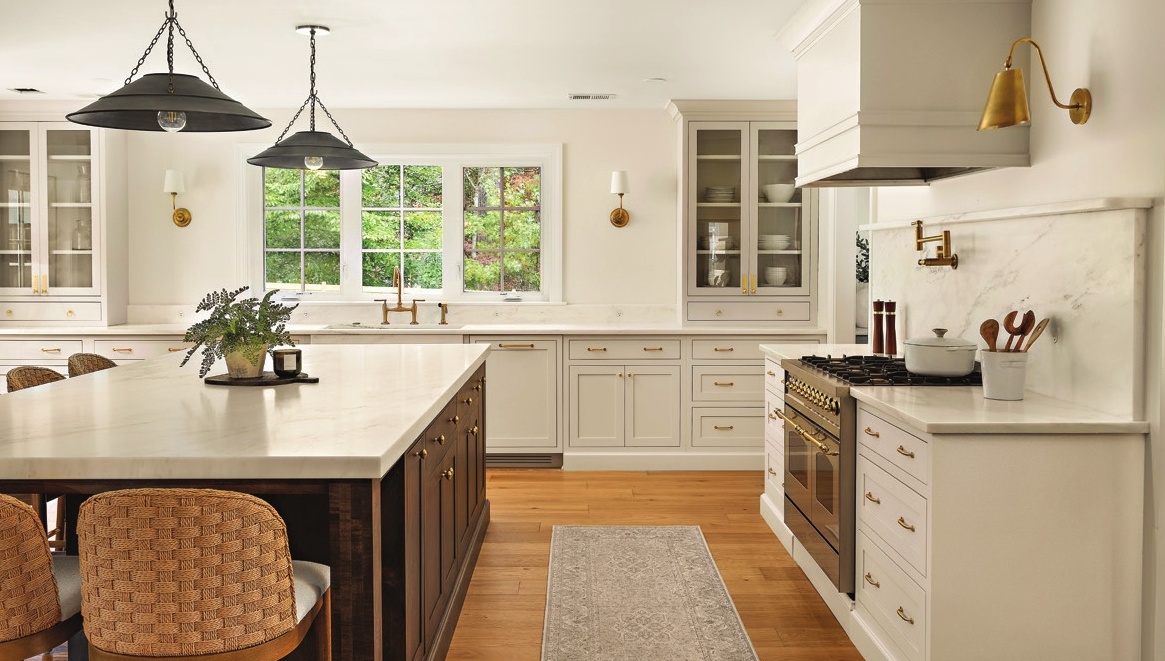
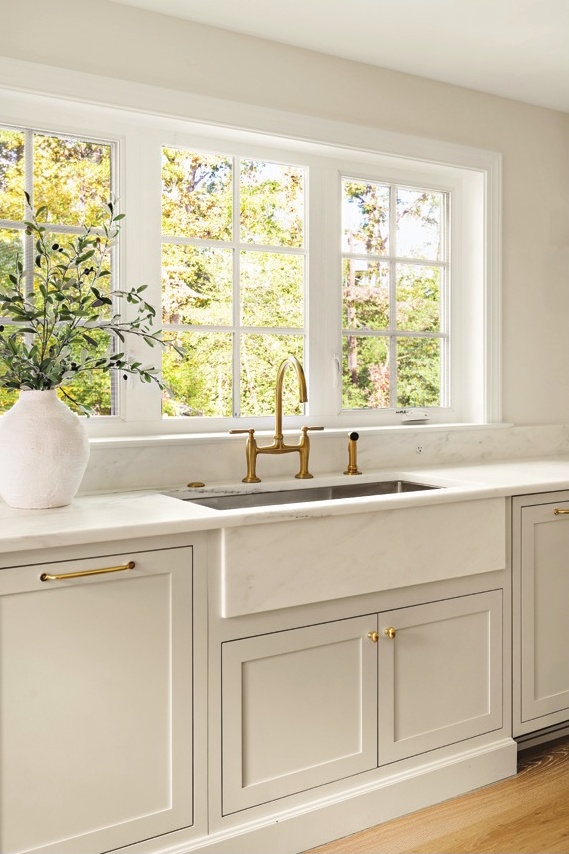
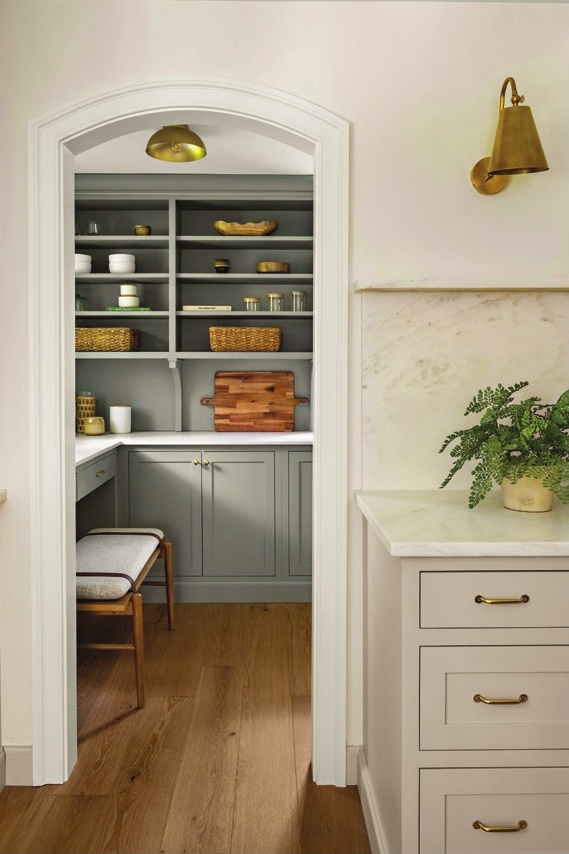
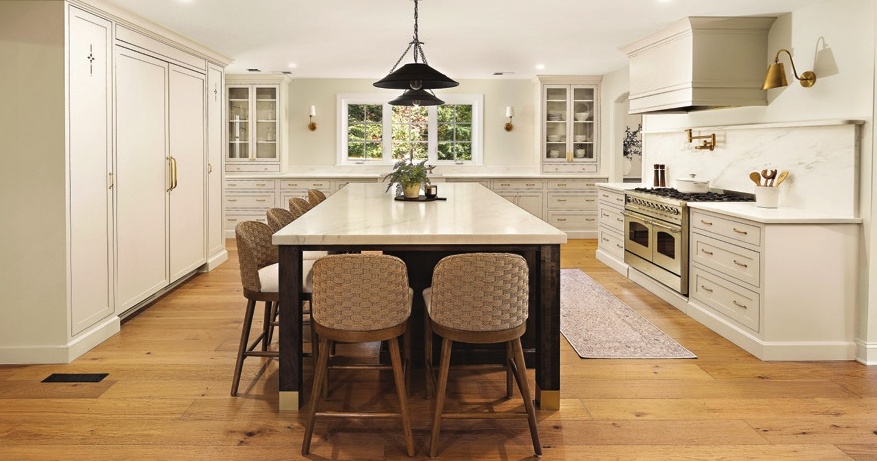
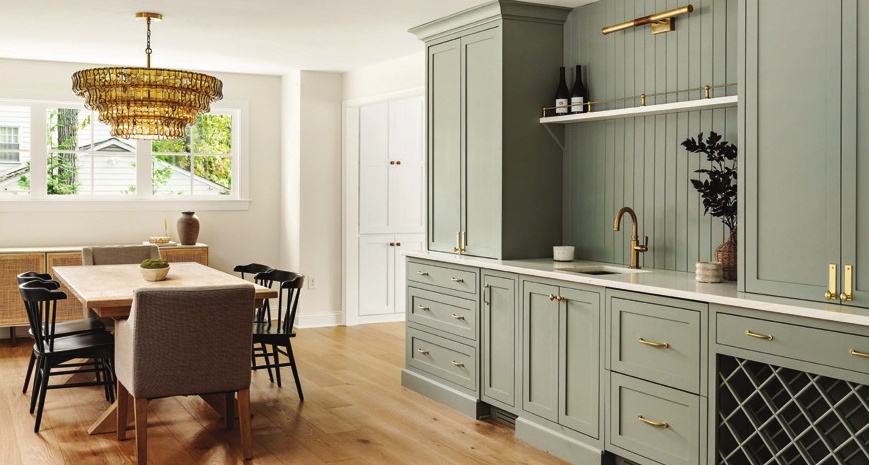
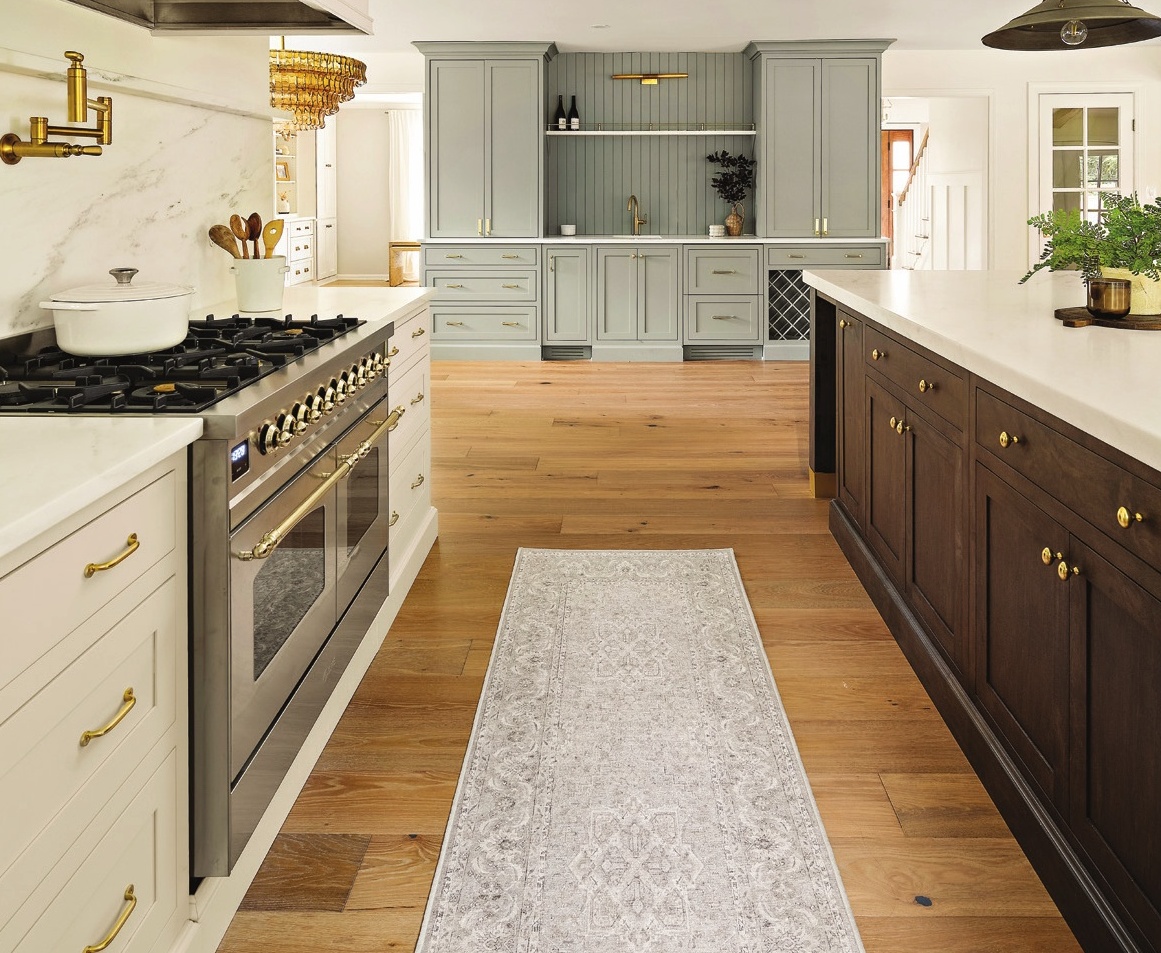
Project highlights: Created as part of a thoughtful addition, this kitchen blends timeless elegance with modern functionality. Soft, creamy cabinetry contrasts beautifully with the rich island, while aged brass fixtures add warmth and refinement. Every detail feels intentional, from the marble countertop running up the back walls to the serene color palette in the pantry and beverage center. The new square footage provides an airy layout with expansive windows, resulting in a space that feels elegant, yet livable.
North Bethany Beach Coastal Addition
Additional project acknowledgements: Photography by Krista Valliant
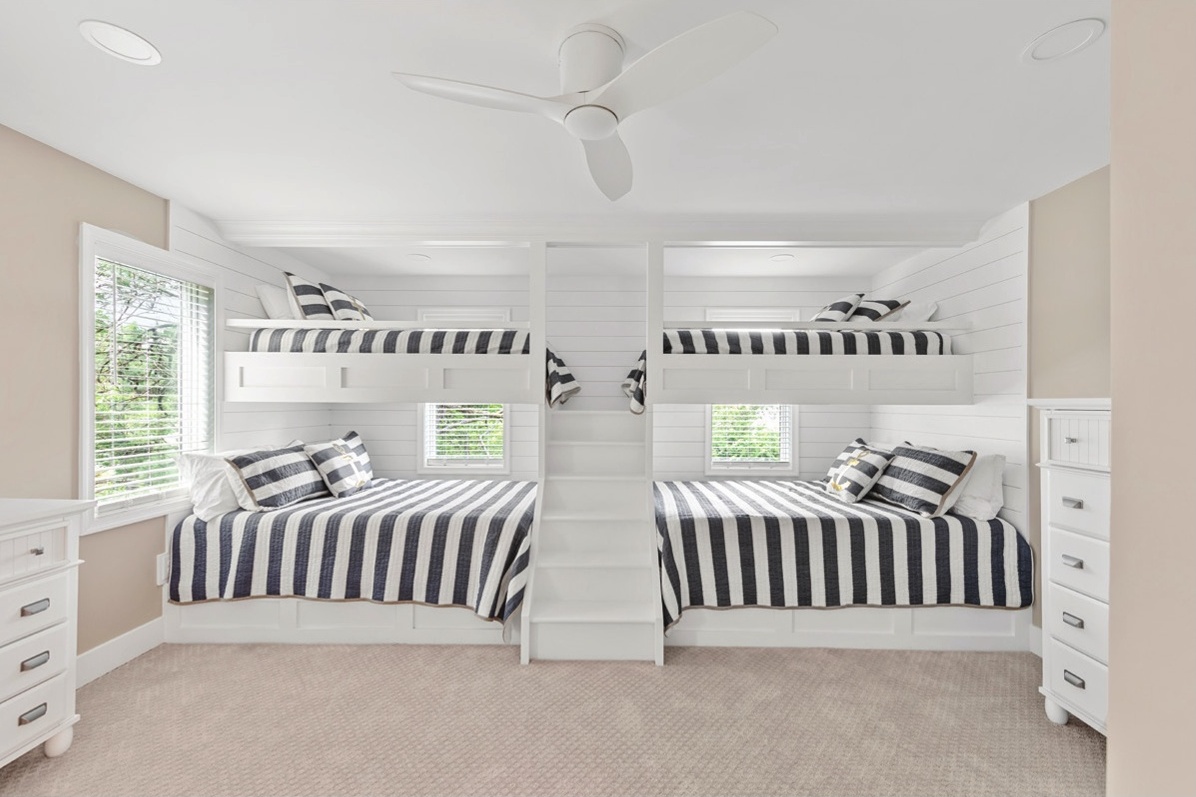
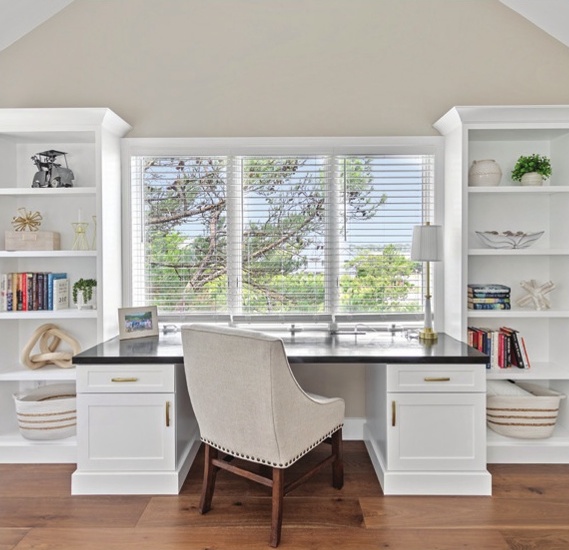
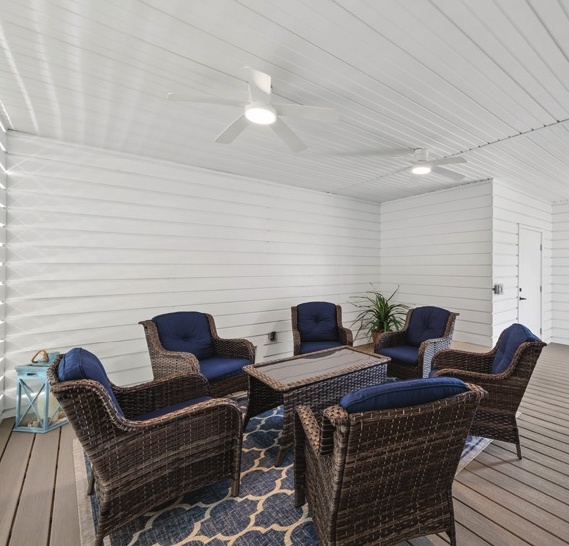
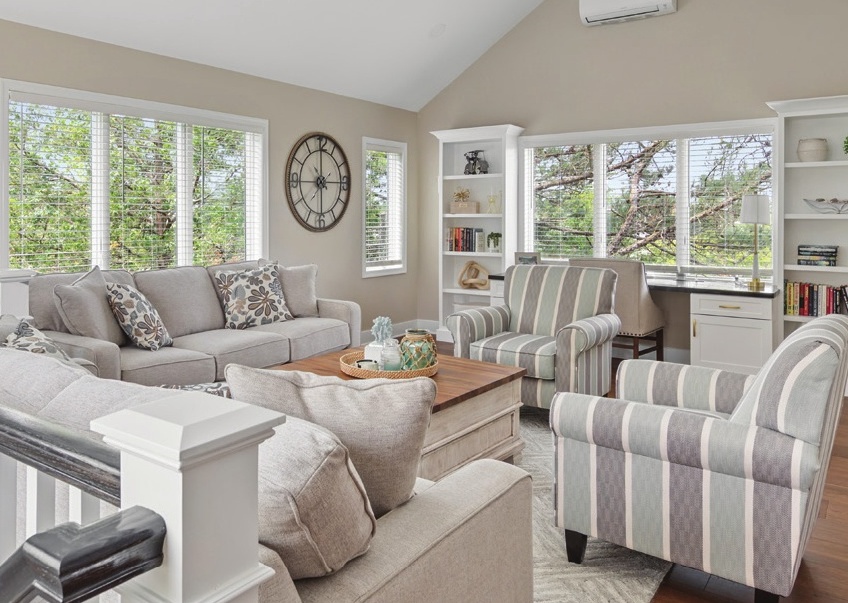
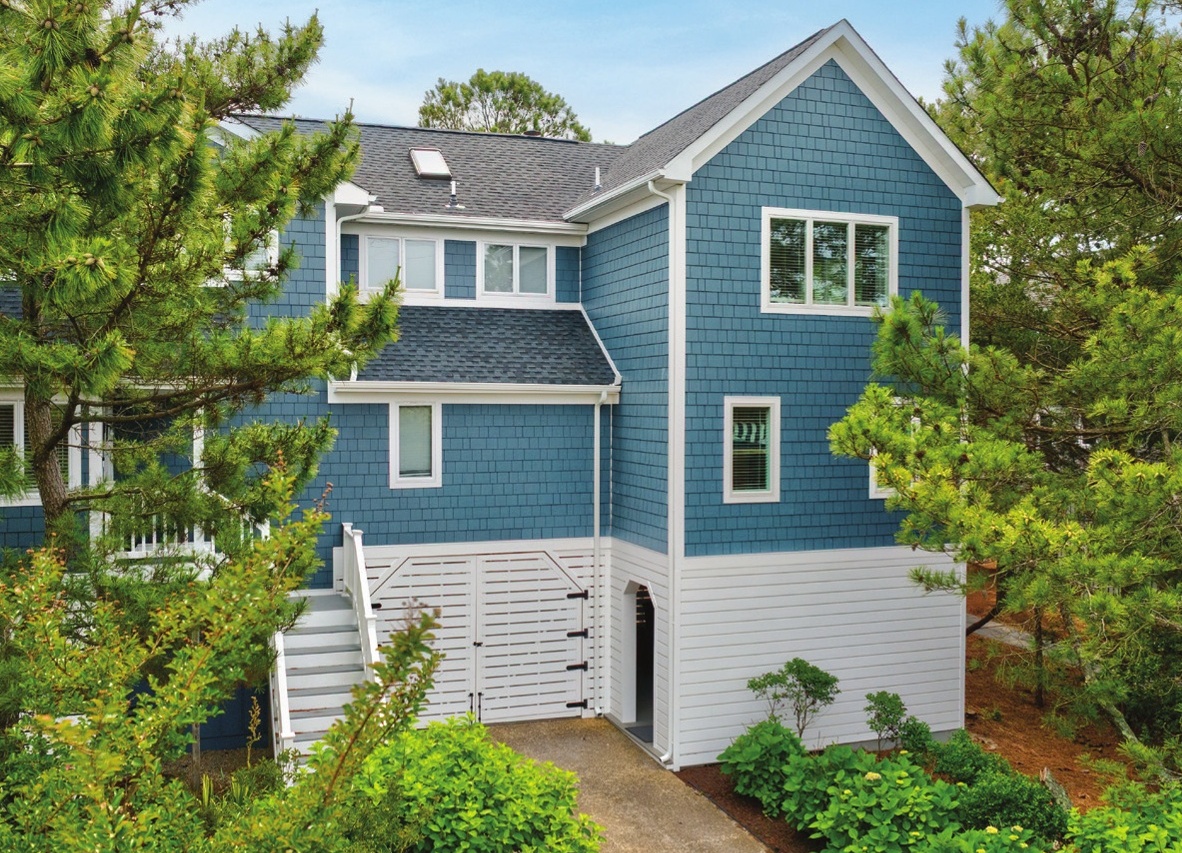
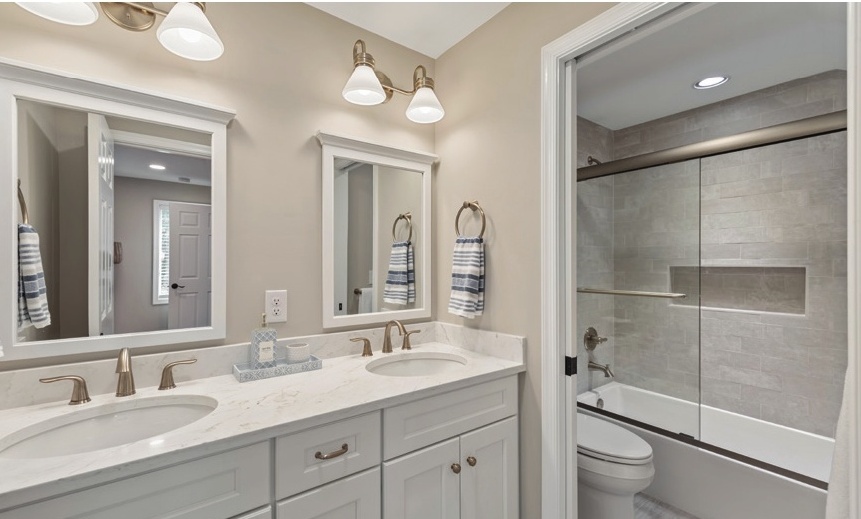
Project highlights: This two-story, 850-square-foot coastal addition was designed to expand a cherished beach home while preserving its original character. The addition blends seamlessly with the existing architecture, mirroring the home’s siding, roof pitch, and color palette to create a cohesive connection between the original home and the new space. Thoughtfully placed windows bring in an abundance of natural light and beautiful views of the Indian River Bay. A newly covered outdoor area adds functional space for seating and storage under the house while also providing a comfortable spot to relax outside even on rainy beach days. Inside, the addition features a custom-built bunk room that sleeps six, a full bath, and a sitting area with a handcrafted desk overlooking the bay.
waterfront/critical area design/build
Waterfront Retreat
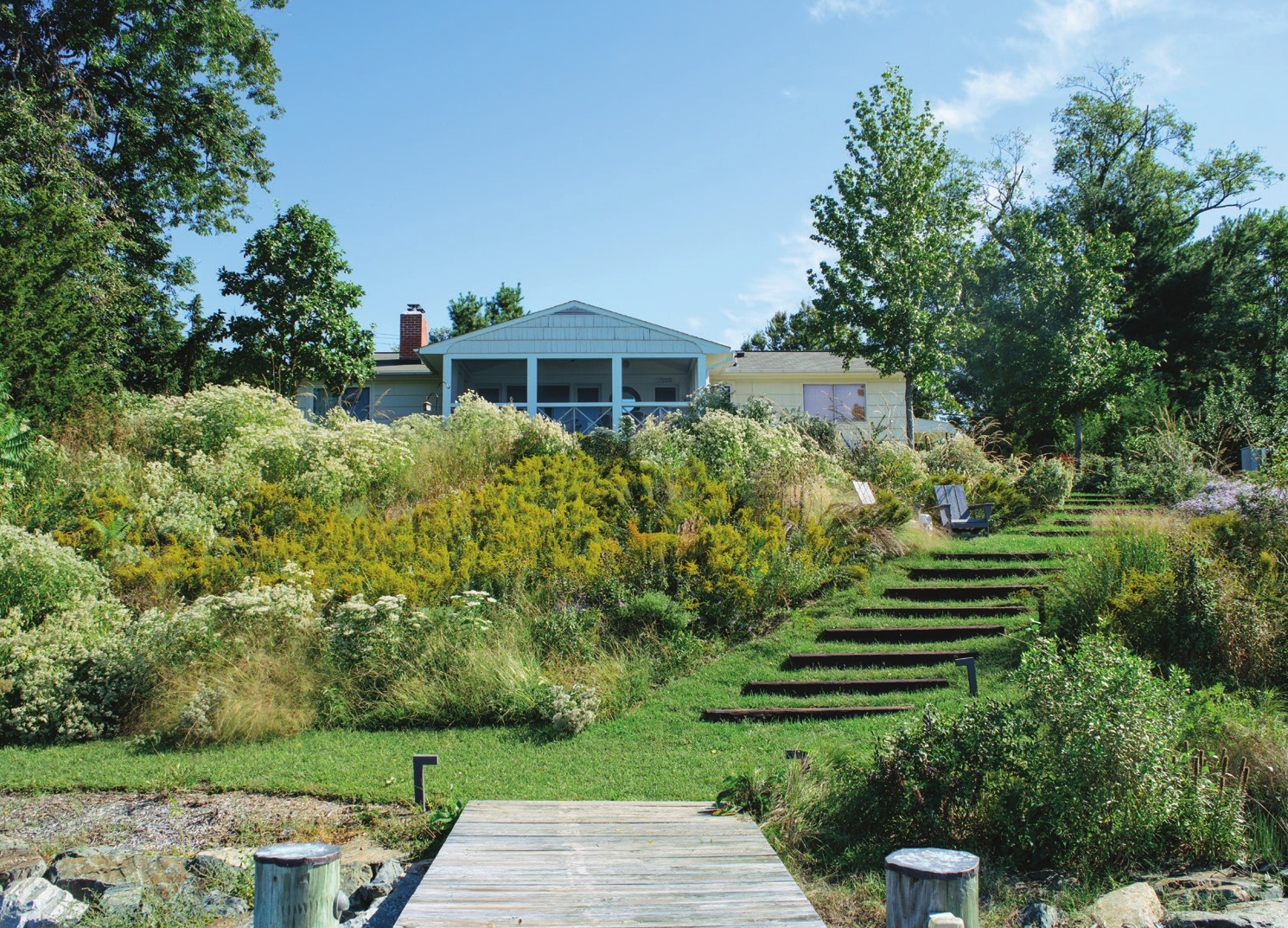
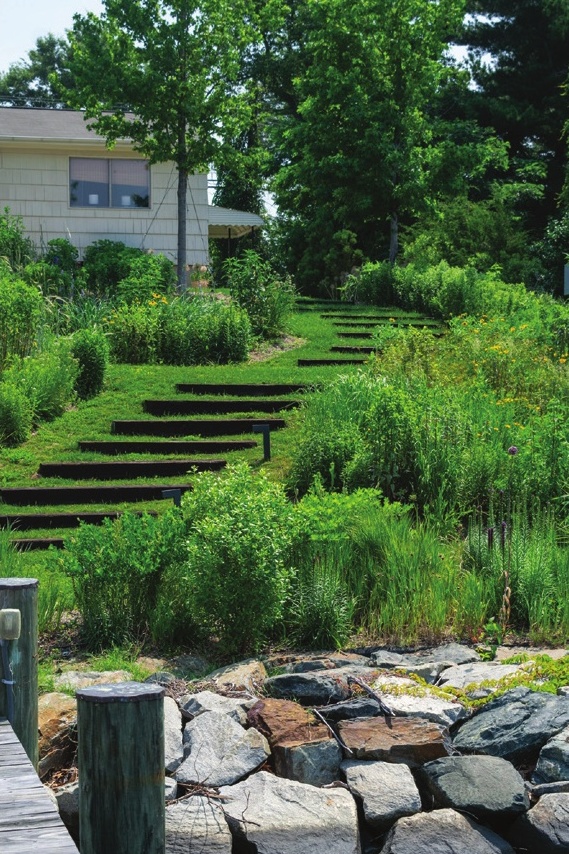
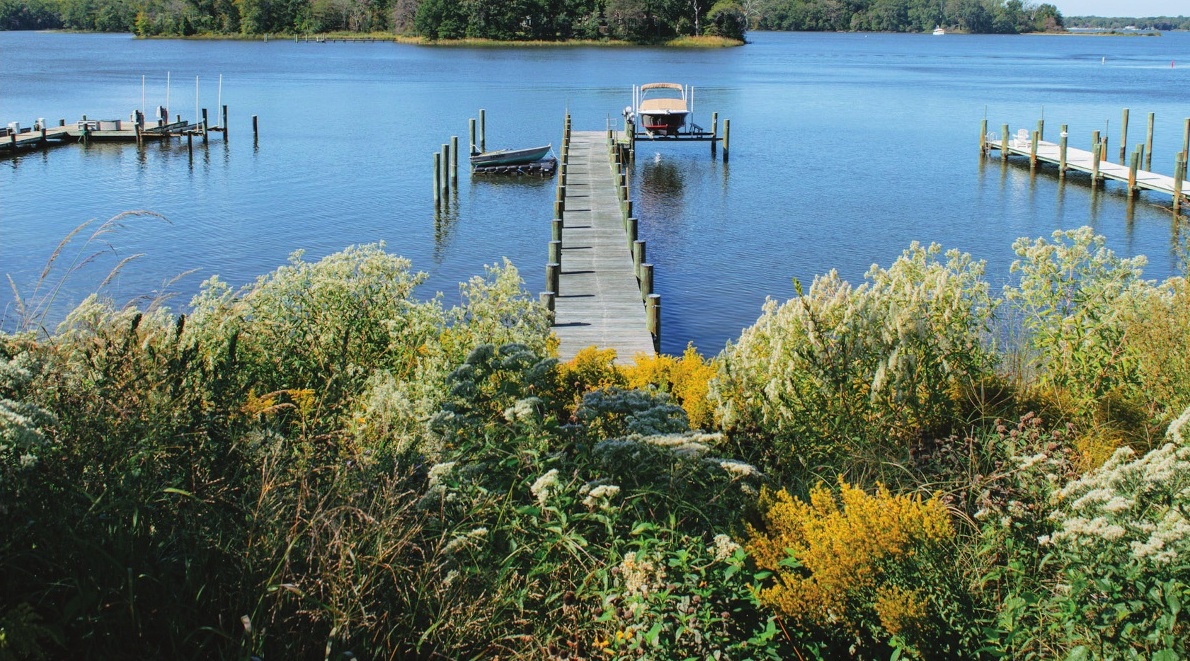
Project highlights: On the banks of the Magothy River, this hillside cottage needed a transformation to ground the house into a natural setting appropriate for the steep waterfront site. The client wished to implement a native garden that would resolve erosion issues and attract pollinators to this sloped site of the Critical Area on the shoreline of the Chesapeake Bay. A native seed mix was applied to the slope with larger specimens of perennials and ornamental grasses interplant-ed in clusters on the hillside. Every season provides a new visual show, as the seeds from the seed mix germinate. As the hillside directly drains into the river, best practices were used both during construction and into the maintenance period. Near the cottage house and on the edges of the property, native trees, shrubs and perennial gardens were implemented.


Waterfront Oasis
Additional project acknowledgments: Photography by Sarah Ditto and Nicole Bailey
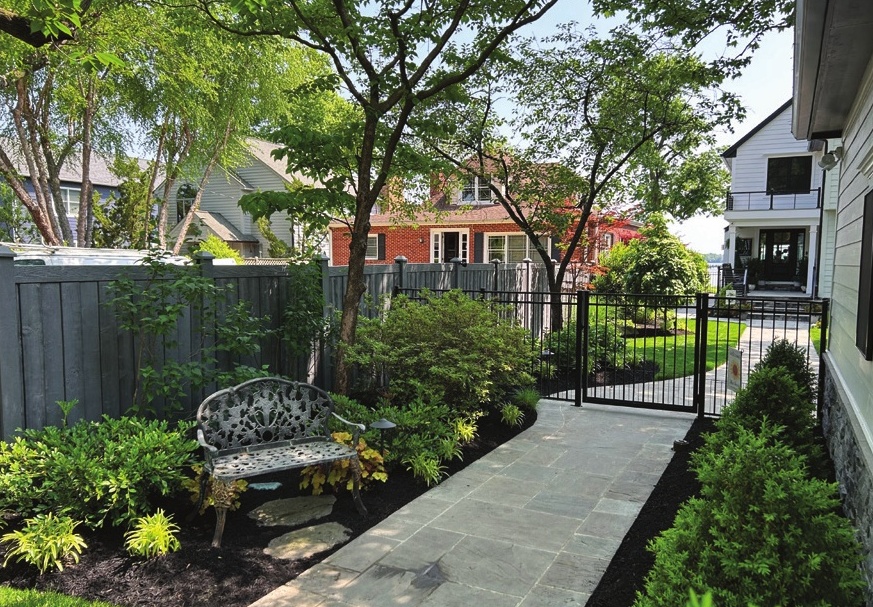
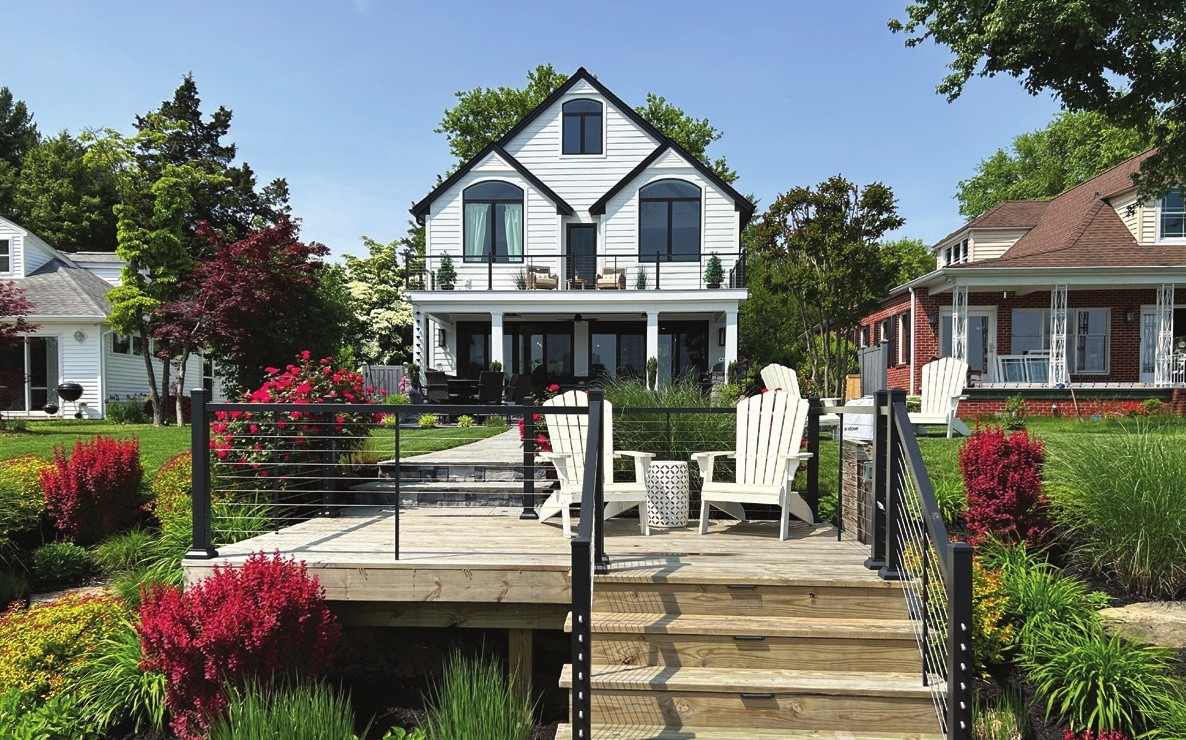
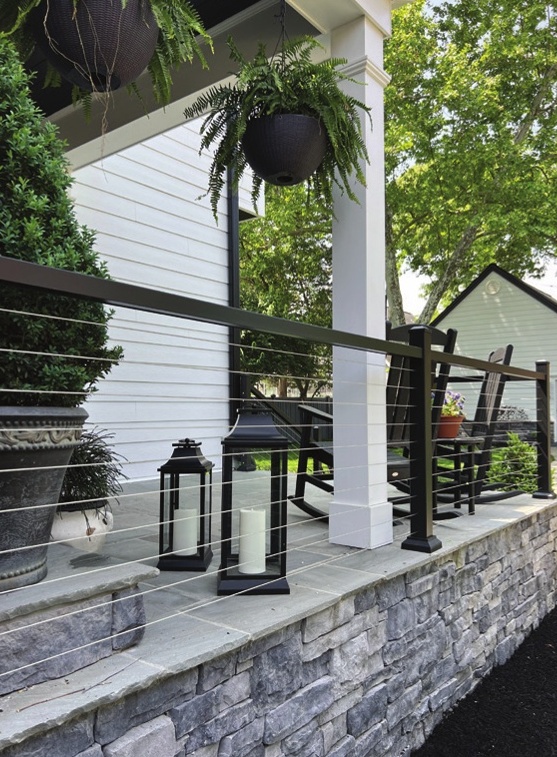
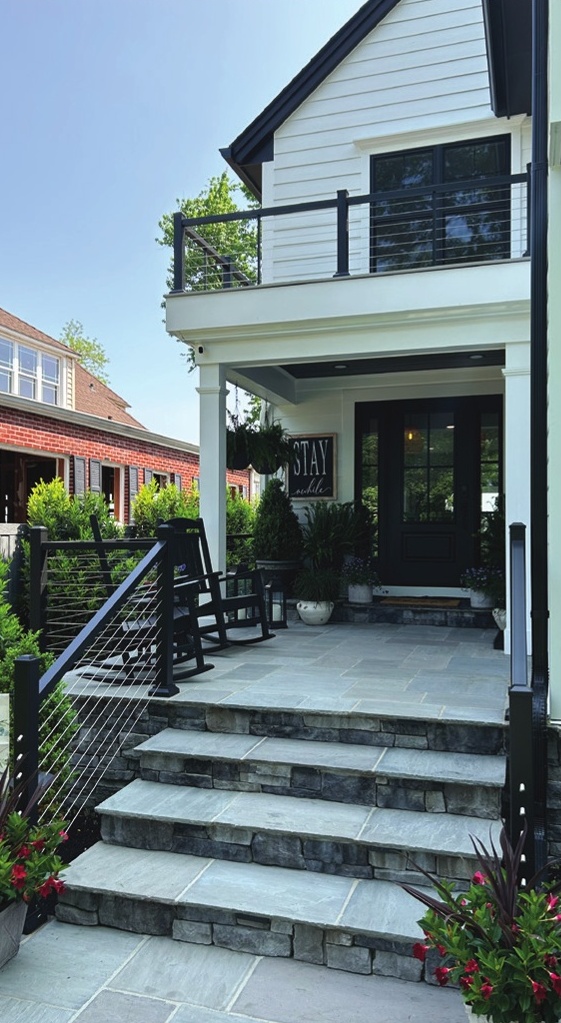
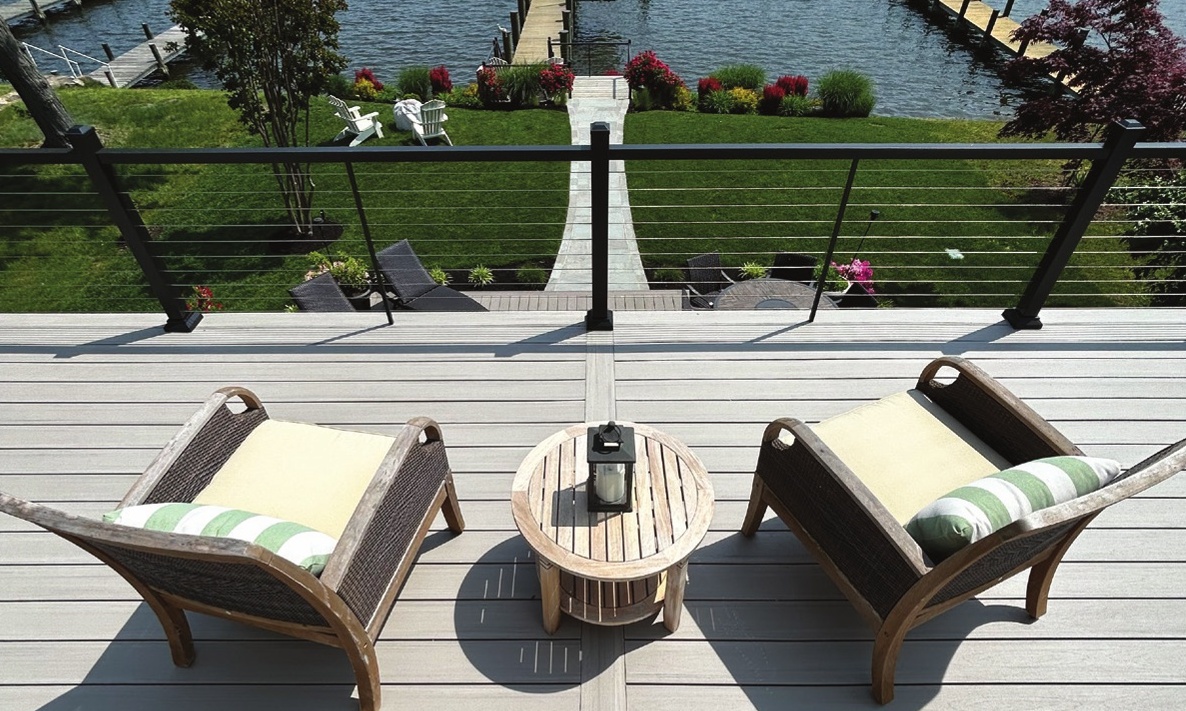
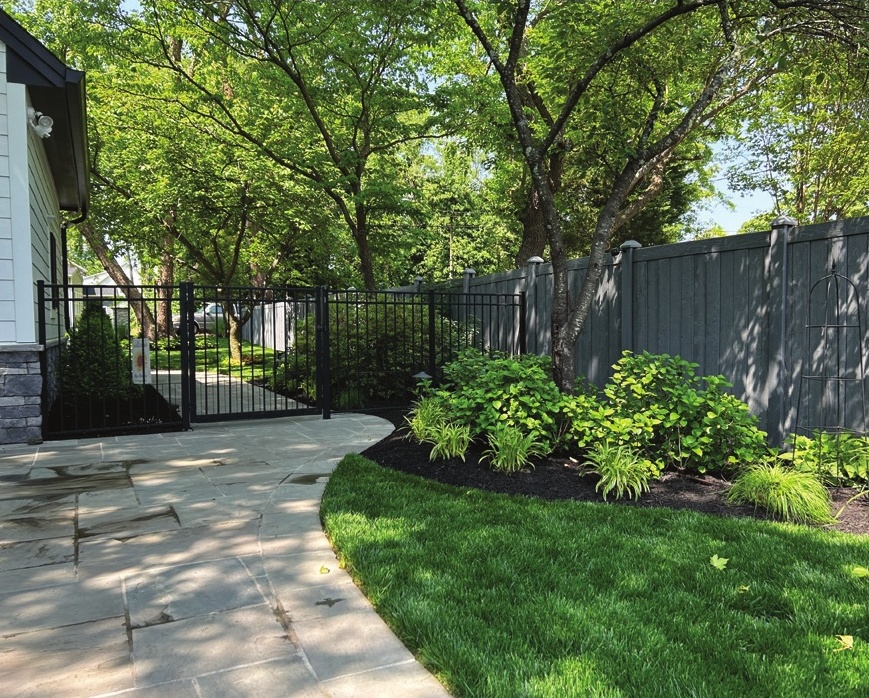
Project highlights: This waterfront home in Severna Park features this new outdoor space. The decks showcase both TimberTech Advanced PVC deck boards in the Vintage Coastline and Landmark Boardwalk Gray colors, complemented by sleek aluminum cable rail on the second story deck for an unobstructed view of the water. Surrounding the property is a six-foot-tall Simtek composite fence in Nantucket Gray, providing both privacy and style.




BUSY BEES!
2026
SUMMER CAMPS & PROGRAMS GUIDE
Our region is rich in summer camp options, but also a vast number of families, children, and teens to fill them up! So, parents, this is your cue to start planning. Many camps have begun the enrollment process. Each February we put together this guide, which offers a sampling of options for enrichment, education, and athletic camps in our region. Check out more than a few of our favorites to help plan your summer!
ANNAPOLIS OPERA COMMUNITY & EDUCATION PROGRAMS 2026
Location: Maryland Hall for the Creative Arts—801 Chase Street #304A, Annapolis Contact: Box Office: 4102670087; Administrative Office: 4102678135; info@annapolisopera.org; annapolisopera.org
Ages/Levels: All ages for family and community programs; older teens and adults for performance-based educational events
Session Format/(Last Known) Schedule and Cost: Year-round educational and community programs including interactive recitals, Opera Insight Series talks, Stories Through Music library concerts, Opera Up-Close recitals, and family-friendly matinee performances. Events may be ticketed or free and schedules vary seasonally.
Description: Annapolis Opera provides professional opera performances alongside educational and outreach programs designed to engage audiences of all ages. Programs introduce young audiences to classical music, vocal arts, and opera through interactive concerts, storytelling, workshops, and special matinees. Educational events may include discussions with performers, demonstrations, and opportunities to explore music in a hands-on way.
Note: Annapolis Opera does not operate a traditional summer day camp or multi-week training program for children and teens. Families seeking operatic training opportunities may consider the Maryland Opera Summer Camp in Baltimore or other local youth performing arts camps.
ANNAPOLIS SYMPHONY ACADEMY (ASA) YOUTH ENSEMBLES & EDUCATION PROGRAMS 2026
Location: Maryland Hall for the Creative Arts—801 Chase Street, Annapolis Contact: Annapolis Symphony Orchestra Education Department, info@annapolissymphony.org; 410-263-0907 Ages/Levels: Approximately ages 6–18, depending on ensemble; beginner through advanced pre-college musicians Program Format/(Last Known) Schedule and Cost: Year-round, audition-based youth music education program with weekly rehearsals during the academic year and periodic performances, workshops, and special events. Ensembles include Lyra Chamber Ensemble (younger musicians), Aries Youth Chamber Orchestra, Aquarius Wind Ensemble, and Orion Youth Orchestra (advanced students). Tuition is offered on a sliding scale, with need-based assistance available; fees vary by ensemble. Description: The Annapolis Symphony Academy is the education arm of the Annapolis Symphony Orchestra, offering ensemble-based training for young musicians seeking a high-quality orchestral experience. Students rehearse regularly under professional conductors and music educators, develop ensemble skills and musical literacy, and perform in concerts throughout the season. While ASA does not operate a stand-alone summer camp, participants may take part in special events, workshops, and family-focused music programs that occur in late spring and summer, including performances connected to the Symphony’s community outreach efforts.
Note: The Annapolis Symphony Academy does not currently offer a traditional week-long or multi-week summer camp. Families should consult the ASO website or contact the Education Department directly for 2026 ensemble placement details, audition requirements, tuition information, and any summer-adjacent programs or events.
ARCHBISHOP SPALDING HIGH SCHOOL SUMMER CAMPS 2026
Location: 8080 New Cut Road, Severn
Contact: 4109699105; archbishopspalding. org/campus-life/summer-camps Ages/ Levels: Youth and students approximately ages 6–17-plus, depending on the specific camp and grade level Session Format/ (Last Known) Schedule and Cost: Weekly summer camps offered June through July, including academic enrichment and athletic skill-building programs. Academic camps cover art, creative writing, engineering, and test preparation. Athletic camps include basketball, baseball, soccer, softball, dance, and other sports. Session lengths and tuition vary by camp, ranging from $150 (half-day) to $300-plus per week. Description: Archbishop Spalding High School provides structured summer programs designed to enhance both academic and athletic skills. Academic camps focus on skill development, creativity, and test preparation, while athletic camps emphasize fundamentals, teamwork, and leadership. Camps are led by experienced staff and coaches, offering hands-on instruction and opportunities to build confidence, discipline, and collaboration. Note: Specific 2026 dates, registration deadlines, age/grade eligibility, and tuition details are published annually. Families should check the summer camps page or contact the school directly for the most current information.
BALLET THEATRE OF MARYLAND SUMMER INTENSIVE 2026
Location: BTM Annex Studios—1981 Moreland Parkway, Building 4, Bay 45, Annapolis, MD Contact: Conservatory, via BTM main website Ages/Levels: Beginner/Intermediate (ages 8+); Advanced (pre-professional/emerging professional) Tentative Session Format/Schedule and Cost: 5 Week Intensive: June 22 through July 24—$2,500; 3 Week Intensive: July 6 through July 24—$1,350; 2 Week Beginner-Intermediate (Children, younger dancers): June 22 through July 2—$900 Description: A fullday summer intensive for serious ballet students, combining rigorous classical ballet training with pointe or pre/demipointe work, variations, partnering (when appropriate), jazz, contemporary/modern, conditioning, and acting or musical theatre, along with daily choreography rehearsals. The program is intended to deepen technical skill, stamina, musicality, and artistry—and to give a professional-style “company experience,” culminating in an inhouse Summer Showcase. Note: Families should check the BTM website or contact the Conservatory directly for current 2026 details and to confirm audition placement/levels.
CABIN FEVER PLAY CENTRE OPEN PLAY & SEASONAL PROGRAMS 2026
Location: 442 Race Street, Cambridge
Contact: 410-228-2122; cabinfeverplaycentre.com Ages/Levels: Primarily ages 1–12; dedicated toddler area for children ages 5 and under Session Format/(Last Known) Schedule and Cost: Open play offered year-round in timed sessions (typically 2 hours). Last known pricing: approximately $16 per child on weekdays and $18 per child on weekends; Toddler-only sessions offered weekly (typically Thursday mornings) at a reduced rate. Group visits, field trips, and private parties available by reservation; pricing varies. Description: Cabin Fever Play Centre is an indoor family play facility designed for active, imaginative play in a climate-controlled environment. Features include a large multi-level climbing and slide structure, interactive play elements, a Ball Blaster Arena, arcade games, and a separate Tot Spot for younger children. The space encourages physical activity, social interaction, and free play, making it a popular option during summer heat, rainy days, or as a flexible alternative to outdoor activities. Parents or guardians are required to supervise children during play sessions. Note: Cabin Fever Play Centre does not operate a structured instructional summer camp. Offerings are based on open play sessions and special events. Families should check the website or contact the facility directly to confirm summer hours, session availability, and current pricing for 2026.
HISTORIC ANNAPOLIS EDUCATION & FAMILY PROGRAMS 2026
Location: Multiple Historic Annapolis sites throughout downtown Annapolis, including the Museum of Historic Annapolis, William Paca House & Garden, Hogshead, and Waterfront Warehouse—Annapolis
Contact: info@annapolis.org; 410-990-4514; annapolis.org Ages/Levels: Programs designed for a range of ages, from young children (approximately ages 3–7 for storytime and family activities) through teens (ages 13–18 for Junior Docent and volunteer opportunities) Program Format/(Last Known) Schedule and Cost: Year-round educational and family programming offered on select dates, with increased activity during spring and summer months. Offerings include interactive museum experiences, hands-on history activities, garden-based storytime sessions, scavenger hunts, and special family events. Description: Historic Annapolis brings local and national history to life through immersive, place-based learning experiences set in authentic historic homes, gardens, and waterfront buildings. Children and families are encouraged to explore history through storytelling, guided discovery, crafts, and interactive exhibits that make the past accessible and engaging. Older students can deepen their interest through Junior Docent opportunities, developing public speaking, leadership, and historical interpretation skills while working alongside professional educators and historians. While not a traditional summer camp, Historic Annapolis offers flexible educational enrichment well suited for summer learning and family outings. Note: Historic Annapolis does not currently operate a multi-week or full-day summer camp. Families should consult the Historic Annapolis website or events calendar for confirmed 2026 program dates, age guidelines, registration requirements, and pricing details.
HOSPICE OF THE CHESAPEAKE YOUTH GRIEF SUPPORT PROGRAMS 2026
Location: John & Cathy Belcher Campus—90 Ritchie Highway, Pasadena
Ages/Levels: Children and teens approximately ages 6–18, depending on program
Session Format/(Last Known) Schedule and Cost: Offers year-round grief support programs including age-specific support groups, workshops, and therapeutic camps such as Camp Nabi (see separate listing). Activities include art, music, drumming, and nature-based sessions. Registration is required; programs are typically offered at low or no cost, with financial assistance available. Dates and program formats may vary each year. Description: Hospice of the Chesapeake provides comprehensive support for children and teens grieving the loss of a loved one. Programs combine emotional support with creative expression, peer connection, and therapeutic activities designed to help young people process grief, build coping skills, and develop resilience. Note: See Camp Nabi listing for traditional camp listing.
HOSPICE OF THE CHESAPEAKE’S CAMP NABI GRIEF CAMP
Location: Arlington Echo Outdoor Education Center, 975 Indian Landing Road, Millersville Contact: Chesapeake Life Center: 1-888-501-7077; Griefinfo@chesapeakelifecenter.org Ages/Levels: Ages 6 to 18 Dates/Times: August 7–9, 2026 Cost: $100 (scholarships are available). Description: A full weekend overnight camp experience for children and teens ages 6 to 18 who have experienced the death of a loved one. With a full team of counselors and trained volunteers, campers will participate in activities focused on memorializing their loved ones, learning coping skills in small groups, and using integrative arts to help kids express their grief. This also will include fun camp activities, like swimming, field games, ropes course, and more.
ICODE GREATER CROFTON/ GAMBRILLS SUMMER STEM & CODING PROGRAMS 2026
Location: 1034 MD3 (Route 3), Suite B, Gambrills Contact: 443-7987672; icode-school.com Ages/Levels: Children and teens ages 6–18, depending on program
Session Format/(Last Known) Schedule and Cost: Weekly summer camps and classes covering coding, robotics, game design, digital creation, and other STEM topics. Sessions typically run one week, with hands-on instruction and project-based learning. Past tuition starts around $399 per session (subject to change). Programs may include Minecraft modding, Roblox/game development, drone coding, YouTube creator workshops, VEX robotics, and 2D/3D design. Description: iCode Greater Crofton/Gambrills provides an engaging STEM and technology curriculum where students learn coding, robotics, and digital design in a hands-on, project-based environment. Classes encourage problem solving, collaboration, and creativity, using a structured belt progression to build skills and confidence. Students gain real-world experience while exploring topics aligned with their interests and abilities. Note: Specific 2026 session dates, themes, and tuition have not yet been published. Families should consult the iCode website or contact the campus directly for the most up-to-date summer schedule, registration deadlines, and program details. Free trial classes may be available prior to enrollment.
SUMMER AT THE CREEK—INDIAN CREEK SCHOOL 2026
Location: Indian Creek School—1130 Anne Chambers Way, Crownsville Contact: Bob Laffey, Director of Summer Programming—summer@indiancreekschool.org; 4109233660 Ages/Grades: Approx. 4–14 years (Pre-K through rising middle school)
Dates/Times: Summer at the Creek is expected to run across six weeks. Typical daily schedule: 9 a.m.–3 p.m., with before and aftercamp care options available. Cost: 2026 tuition and fees not yet published; 2025 rates ranged roughly $400–$900 per week depending on program and care options. Families should confirm 2026 pricing when registration opens. Description: Summer at the Creek offers a mix of themed, age-appropriate programs across arts, STEM, athletics, outdoor adventures, and classic summer camp activities. Campers explore Indian Creek’s 114-acre campus, participate in character-building activities, enjoy daily lunch, and engage in Water Wednesdays and other summer fun. Counselor-in-Training (CIT) weeks are available for older students. Each week emphasizes skill development, social growth, and community in a fun, supportive environment.
Note: 2026 program schedule and fees will be announced on February 1, 2026. Families should check the Indian Creek School Summer Programs page or contact the Director of Summer Programming for the most up-to-date information.
SUMMER AT KEY—KEY SCHOOL SUMMER PROGRAMS 2026
Location: Key School—534 Hillsmere Drive, Annapolis Contact: summer@keyschool.org; 4433212575; keyschool. org Ages/Levels: Children and teens ages approximately 3 through middle/high school, grouped by age and skill level
Session Format/(Last Known) Schedule and Cost: One-week themed day camps running throughout June and July. Full-day sessions typically 9 a.m.–3:30 p.m., with supervised lunch and optional extended care. Tuition varies by camp type, generally $200–$565+ per week. Recent offerings include STEM, arts, athletics, outdoor exploration, performing arts, and specialty skill camps. Description: Summer at KEY offers a wide variety of engaging programs designed to inspire creativity, build skills, and encourage active play. Campers can participate in hands-on STEM and maker projects, canoeing and crabbing on Kitty Duvall Creek, culinary workshops, coding and digital media, performing arts, athletics, and traditional summer camp activities. Programs are led by experienced instructors and counselors, with low camper-to-staff ratios and access to Key School’s athletic fields, science labs, music rooms, and playgrounds. Note: Specific 2026 session dates, registration deadlines, and detailed camp listings are updated annually. Families should consult the Summer at KEY website or contact the camp office for the latest information on age requirements, tuition, and extended care options.
LIVE ARTS MARYLAND PERFORMING ARTS PROGRAMS 2026
Location: 801 Chase Street, Annapolis Contact: hello@liveartsmd.org; 4437715198; liveartsmd.org Ages/Levels: Children, teens, and adults of all experience levels; specific youth programs vary by offering Session Format/(Last Known) Schedule and Cost: Year-round performing arts programs including youth workshops, theater classes, and creative studio sessions. Programs cover acting, playwriting, improvisation, musical theater, movement, and stagecraft. Schedules and tuition vary by program and are published seasonally. Description: Live Arts Maryland provides high-quality educational and performance experiences in theater, music, and dance. Youth programs introduce participants to acting, stagecraft, storytelling, and ensemble collaboration. Many classes and workshops culminate in showcases or performances that highlight participants’ creative growth. The organization also produces concerts, chorale and orchestral presentations, and community arts events. Note: Live Arts Maryland does not operate a traditional summer camp with fixed multi-week daily schedules. Families should consult the Live Arts Maryland education page or contact the organization directly for 2026 program dates, pricing, and age-level information.
MARYLAND HALL FOR THE CREATIVE ARTS SUMMER PROGRAMS 2026
Location: 801 Chase Street, Annapolis
Contact: info@marylandhall.org; 410-2635544; marylandhall.org Ages/Levels: Children and teens approximately ages 5–18, depending on program Session Format/(Last Known) Schedule and Cost: Weekly summer arts day camps and classes, offered midJune through midAugust. Programs may be half-day or full-day, with tuition varying by session and age group. Offerings include visual arts, ceramics, mixed-media, jewelry, fiber arts, theater, dance, music, and digital arts. Description: Maryland Hall for the Creative Arts provides a rich, hands-on summer arts experience for youth, guided by professional teaching artists. Programs encourage skill development, creative expression, and collaboration among peers. Students explore multiple art forms and gain confidence in their abilities, culminating in projects or performances that showcase their growth. Maryland Hall also hosts year-round exhibitions, performances, and community arts events. Note: Specific 2026 session dates, schedules, age requirements, and tuition are updated annually. Families should consult Maryland Hall’s summer program catalog or contact the organization directly for current registration information and details.
MIDATLANTIC SYMPHONY ORCHESTRA YOUTH & EDUCATION PROGRAMS 2026
Location: Eastern Shore of Maryland and Southern Delaware (primary administrative office in Easton) Contact: info@midatlanticsymphony.org; midatlanticsymphony.org Ages/Levels: Youth and students ages approximately 12–25 for competitions; all ages for school and community outreach programs Session Format/(Last Known) Schedule and Cost: Year-round educational and outreach initiatives including school visits, instrument demonstrations, youth master classes, and access to symphony performances. Programs are arranged with schools or community partners; fees vary depending on program type. The Elizabeth Loker International Concerto Competition provides performance opportunities for advanced young musicians. Description: The MidAtlantic Symphony Orchestra is a professional ensemble serving Maryland’s Eastern Shore and southern Delaware. Beyond its concert season, the orchestra engages students through classroom visits, interactive demonstrations, master classes, and performance experiences that support music education and inspire young musicians. The orchestra also offers youth access to symphonic concerts and organizes competitions for developing soloists. Note: The MidAtlantic Symphony Orchestra does not operate a traditional summer camp with daily sessions or multi-week programming. Families seeking structured summer music camps may consider options such as the Chesapeake Youth Symphony Orchestra Summer Orchestra Camp in Annapolis.
MONSIGNOR SLADE CATHOLIC SCHOOL SUMMER PROGRAM 2026
Location: 120 Dorsey Road, Glen Burnie
Contact: Summer Program Director, Mrs. Suzanne Peters; speters@msladeschool.com; 4107667130 x2502; msladeschool.com/studentlife/summer-programs Ages/ Levels: Children in PreK2 through 7th grade Session Format/(Last Known) Schedule and Cost: Fullday summer program offered weekly throughout the summer months. Hours typically run 7 a.m.–5 p.m. for younger children and 7 a.m.–6 p.m. for older campers. Weekly themed activities include arts and crafts, water play, sports and games, and field trips. Families may enroll for any number of weeks. Tuition and registration details are released annually. Description: Monsignor Slade Catholic School’s summer program provides a structured, engaging experience for children during summer break. Weekly themes guide hands-on projects, outdoor play, organized games, and excursions, all in a nurturing school environment. Extended care is typically available before and after program hours to accommodate working families. Note: This program functions as a summer enrichment/child care program, not a traditional instructional summer camp. Families should check the school’s website or contact the Summer Program Director for the latest 2026 session dates, themes, and tuition information.
MUSICAL STAGES SUMMER MUSICAL THEATRE CAMPS 2026
Location: Mercy High School (Baltimore) and The Key School (Annapolis) Contact: 443-422-2605; musicalstages.org Ages/ Levels: Children and teens ages approximately 6–15, grouped by age and experience level. Session Format/Schedule and Cost: Musical Stages offers immersive, two-week, full-day musical theatre camps during the summer. Baltimore Session: July 6–July 17, 2026 Annapolis Session: July 20–July 31, 2026. Camps run weekdays and focus on performance preparation and theatrical training. Tuition is usually $550 for either session Description: Musical Stages provides a dynamic musical theater experience where campers collaborate to produce a full stage performance from start to finish. Participants receive daily instruction in acting, singing, dance, stagecraft, and costume design, while building confidence, creativity, and teamwork skills. Each session concludes with a live performance for family and friends.

NAPTOWN SINGS AND PLAYS! SUMMER MUSIC CAMPS 2026
Location: 141 Gibralter Ave, Annapolis Contact: 410-8017936; naptownsings.com Age/Levels: Children ages approximately 3–18, with ageappropriate groupings for singing, rhythm, and instrument activities Session Format/(Last Known) Schedule and Cost: Weekly summer music camps, typically 10 a.m.–3 p.m., with optional before care (7:30 a.m.) and after care (until 5:30 p.m.) available for an additional fee. Tuition has been around $355 per week. Camps feature themed music weeks, singing, percussion, piano or ukulele, and group performance activities. Description: Naptown Sings and Plays! provides a dynamic summer music experience where children explore singing, rhythm, and instrument play in a fun, supportive environment. Campers are grouped by age and experience, and each week offers new musical genres and themes. The program emphasizes creativity, confidence, and collaboration, complemented by yearround lessons, glee clubs, and performance opportunities. Note: Specific 2026 weekly themes, exact dates, and tuition are published annually. Families should consult the Naptown Sings and Plays! website or contact the studio directly for the latest schedule and registration details.
NAVAL ACADEMY ATHLETIC ASSOCIATION SUMMER SPORTS CAMPS 2026
Location: United States Naval Academy—121 Blake Road, Annapolis, MD 21402 (various athletic facilities including Navy-Marine Corps Memorial Stadium) Contact: Naval Academy Athletic Association; navysports.com (Camps section); general phone through USNA Athletics camps contacts Ages/Levels: Youth and teens approximately ages 6–18, depending on sport and skill level Session Format/(Last Known) Schedule and Cost: Multi-day day camps and overnight camps offered across multiple sports. Sessions vary by sport: Crew (Rowing): Overnight camps for ages 13–18; tuition around $1,295 per 5-day session; Swimming: One-week day or resident sessions; tuition varies; Water Polo: Day and overnight clinics for youth and teens; Basketball: Day camps focusing on fundamentals for ages 6–16; Lacrosse: Day and evening clinics for grades 5–8;
Baseball: Youth day and leadership/overnight camps. Other sports such as volleyball, soccer, and wrestling may also be offered. Exact schedules and tuition are published annually. Description: The Naval Academy Athletic Association offers youth and teen athletes the opportunity to train in a collegiate athletic environment under experienced coaches. Camps emphasize skill development, teamwork, leadership, and physical conditioning. Overnight camps provide a full Naval Academy experience with dorm stays and structured daily schedules, while day camps focus on skill-building and game play. Note: Specific 2026 dates, age/grade groups, tuition, and registration details are updated annually. Families should consult the Naval Academy Athletic Association / USNA sports camps website or contact the camp coordinators for the most current information.
ST. JOHN THE EVANGELIST SCHOOL SUMMER PROGRAMS 2026
Location: 669 Ritchie Highway, Severna Park Contact: 4106472283; stjohnspschool. org Ages/Levels: Students enrolled in preschool through 8th grade; rising age/grade levels determine eligibility for summer activities Session Format/(Last Known) Schedule and Cost: While the school primarily operates as a yearround parish school, summer offerings are generally limited to informal enrichment activities and parish-sponsored Vacation Bible School. Vacation Bible School typically serves rising PreK4 through grade school children, featuring Bible stories, songs, games, and interactive group activities. Specific schedules and tuition are published annually.
Description: St. John the Evangelist School provides faith-centered education from preschool through grade 8, with extracurricular and enrichment programs during the school year. In the summer, the parish hosts programs such as Vacation Bible School, which combine learning, fellowship, and hands-on activities. Families may also inquire about school-linked enrichment or parish youth events that occur during the summer months. Note: St. John the Evangelist School does not operate a traditional multi-week summer camp. Families should consult the school website or contact the school or parish offices for the most up-to-date 2026 summer offerings, including Vacation Bible School and any school-sponsored enrichment opportunities.
SEVERN SCHOOL SUMMER PROGRAMS 2026
Location: Teel Campus, 201 Water Street, Severna Park Contact: Severn School Summer Programs; 4106477700; severn-school.com/summeratsevern Ages/Levels: Children and teens ages approximately 3 through high school, depending on program type Session Format/(Last Known) Schedule and Cost: Traditional multiweek summer camps have been suspended for 2026 due to campus construction. Standalone sports camps are available, typically multiday day camps focused on skill development in specific sports such as basketball, lacrosse, football, volleyball, and field hockey. Example: Field Hockey Camp, July 27–30, 2026, with full-day tuition around $529 and half-day tuition around $369. Description: Severn School’s 2026 summer offerings focus primarily on athletic development through sportspecific camps. Camps provide instruction for novice and experienced athletes, emphasizing skill improvement, teamwork, and fundamentals. Age- and grade-appropriate groupings ensure suitable challenges for all participants. Traditional themed summer day camps in arts, academics, and general enrichment are not offered this year. Note: Families should consult Severn School’s summer programs web page or contact the school directly for updated 2026 sports camp schedules, registration deadlines, age eligibility, and tuition.
ST. ANNE’S SCHOOL OF ANNAPOLIS SUMMER PROGRAMS 2026
Location: 3112 Arundel on the Bay Road, Annapolis Contact: info@stannesschool. org; 4102638650; stannesschool.org
Ages/Levels: Summer Explorers Camp: Ages 3.5 to rising Kindergarten; Summer Stars Camp: Rising 1st through 3rd grade
Session Format/(Last Known) Schedule and Cost: Weekly themed summer camps, Monday–Friday, typically 9 a.m.–3 p.m., with optional before and after care. Past tuition for Summer Explorers Camp was approximately $385 per week; Summer Stars Camp tuition and exact dates for 2026 to be confirmed. Description: St. Anne’s School of Annapolis offers engaging summer programs that foster creativity, exploration, and fun. Summer Explorers Camp introduces young learners to arts and crafts, music and movement, project-based play, nature exploration, and outdoor activities. Summer Stars Camp for rising 1st–3rd graders emphasizes camper choice, with activities in arts, STEM, games, and team-building, all guided by weekly themes for a fresh experience each session. Note: Specific 2026 session dates, weekly themes, age groups, and tuition are updated annually. Families should consult St. Anne’s School’s website or contact the camp office directly for the latest registration and program information.
ST. MARGARET’S DAY SCHOOL SUMMER CAMP 2026
Location: 1605 Pleasant Plains Road, Annapolis Contact: 4107572333; summer@stmargaretsdayschool.org; stmargaretsdayschool.org/summer-camps.html Ages/ Levels: Children approximately ages 2–6-plus, with age groupings varying by theme and session Session Format/(Last Known) Schedule and Cost: Weekly day camp sessions, Monday–Friday, typically 9 a.m.–3 p.m., with optional before care (starting 7:30 a.m.) and after care (until 5:30 p.m.). Tuition typically ranges from $200–$300-plus per week depending on age and schedule. Weekly themes include ageappropriate arts and crafts, science exploration, outdoor activities, water play, and occasional field trips for older campers. Description: St. Margaret’s Day School Summer Camp provides a fun, hands-on experience that encourages creativity, exploration, and outdoor play. Campers enjoy weekly themed activities that include arts and crafts, science projects, water play, and social interaction, all in a nurturing early childhood environment. Special end-of-week events highlight each theme and give campers a chance to showcase their projects and discoveries. Note: Specific 2026 session dates, weekly themes, age groupings, and tuition are updated annually. Families should consult the St. Margaret’s Day School summer camps page or contact the school directly for current registration details, pricing, and age eligibility.
ST. VINCENT PALLOTTI HIGH SCHOOL SUMMER CAMPS 2026
Location: 113 St. Mary’s Place, Laurel Contact: Summer Camp Coordinator, Aneisha Felton; afelton@pallottihs.org; 3017253228 ext. 2241; pallottihs.org/summer-camps
Ages/Levels: Children and teens ages approximately 6–17, grouped by age/grade and interest level Session Format/ (Last Known) Schedule and Cost: Weekly summer camps, Monday–Friday, 9 a.m.–3 p.m., with optional after-care (3–5 p.m.), evening sessions (5–8 p.m.), and lunch option. Tuition from past seasons ranges from approximately $225/week for day camp and $125/week for evening camp; some specialty camps include additional supply fees. Description: Pallotti Summer Camps offer a variety of enrichment and sports programs designed to encourage personal growth, build new interests, and foster friendships. Offerings include athletics (soccer, basketball, lacrosse, cheerleading, track and field), academic and enrichment topics (science, Model UN, SAT prep), and specialty camps. Camps emphasize skill development, teamwork, and fun activities, led by experienced instructors and coaches with age-appropriate groupings. Note: The 2026 schedule, specific session dates, tuition, age/grade breakouts, and registration deadlines are typically published in early spring. Families should check the Pallotti summer camps page or contact the camp coordinator for the most current information.
SUMMIT SCHOOL SUMMER PROGRAMS 2026
Location: 664 E Central Avenue, Edgewater Contact: camp@thesummitschool.org; thesummitschool.org/summer-programs
Ages/Levels: Children entering grades 1–8; specialty sessions for older students entering grades 6–9 Session Format/ (Last Known) Schedule and Cost: Camp Summit: Monday–Friday, 8:25 a.m.–3 p.m., for students entering grades 1–8, typically held from early July through late July. Tuition varies by session; families should check the Summit School website for 2026 pricing; Specialty Camps: Weeklong half-day classes, such as EmPOWER™ Writing and Executive Function Skills, for students entering grades 6–9; tuition varies by class. Description: Summit School’s summer programs help students maintain and build academic skills while engaging in fun social and recreational activities. Camp Summit combines structured morning academic sessions—including reading, math, and writing reinforcement—with afternoon recreation designed to foster confidence, teamwork, and friendships. Specialty sessions focus on skill development in targeted areas for older students. Note: Specific 2026 session dates, themes, age/grade groupings, and tuition are published annually. Families should consult the Summit School summer programs page or contact the camp office directly for the latest registration details.
WELLNESS HOUSE OF ANNAPOLIS FAMILY & YOUTH PROGRAMS 2026
Location: 225 Duke of Gloucester Street, Annapolis Contact: 410-9900941; annapoliswellnesshouse.org Ages/Levels: Children and teens approximately ages 5–17, depending on program Session Format/(Last Known) Schedule and Cost: Wellness House offers yearround programs for children and families affected by cancer, including support groups, creative workshops, therapeutic activities, and seasonal events. Programs are free of charge, with membership and registration required. Offerings may include “Paint Your Rainbow” summer day experiences, outdoor wellness groups, and animal-assisted therapy sessions. Exact 2026 dates are published annually. Description: Wellness House provides holistic support for children, teens, and families navigating the impact of cancer. Programs focus on building coping skills, peer connection, emotional resilience, and joyful engagement through hands-on and therapeutic activities. Youth participants benefit from supportive group environments, mindfulness activities, outdoor wellness, and creative expression, while families can access workshops and events designed to foster shared healing. Note: Wellness House programs are support-oriented rather than traditional summer camps. Families should consult the Wellness House calendar or contact the organization directly for 2026 schedules, registration requirements, and age eligibility.

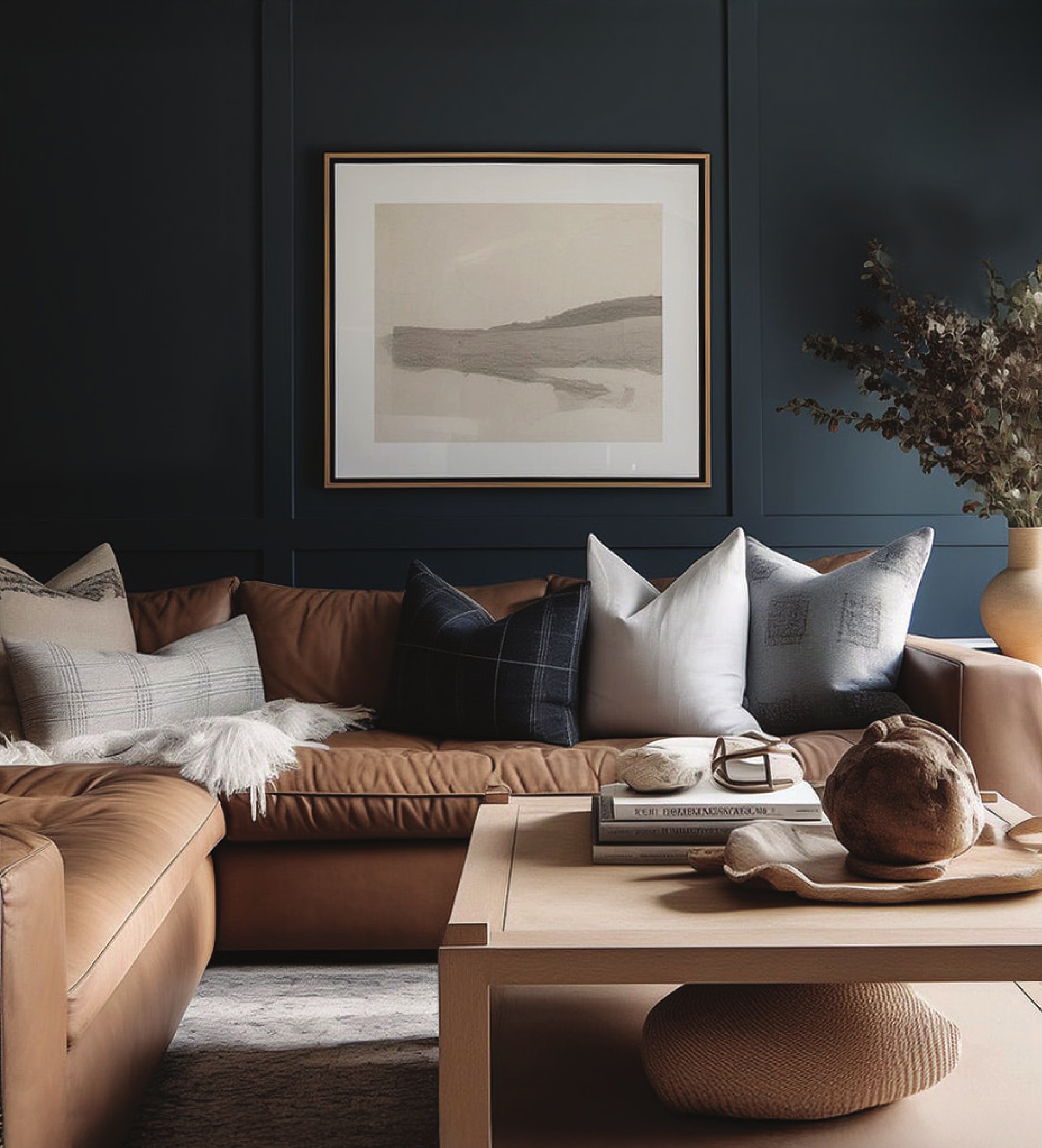
HOME & GARDEN • INTERIOR
Notes for Creating Lived-In Interiors
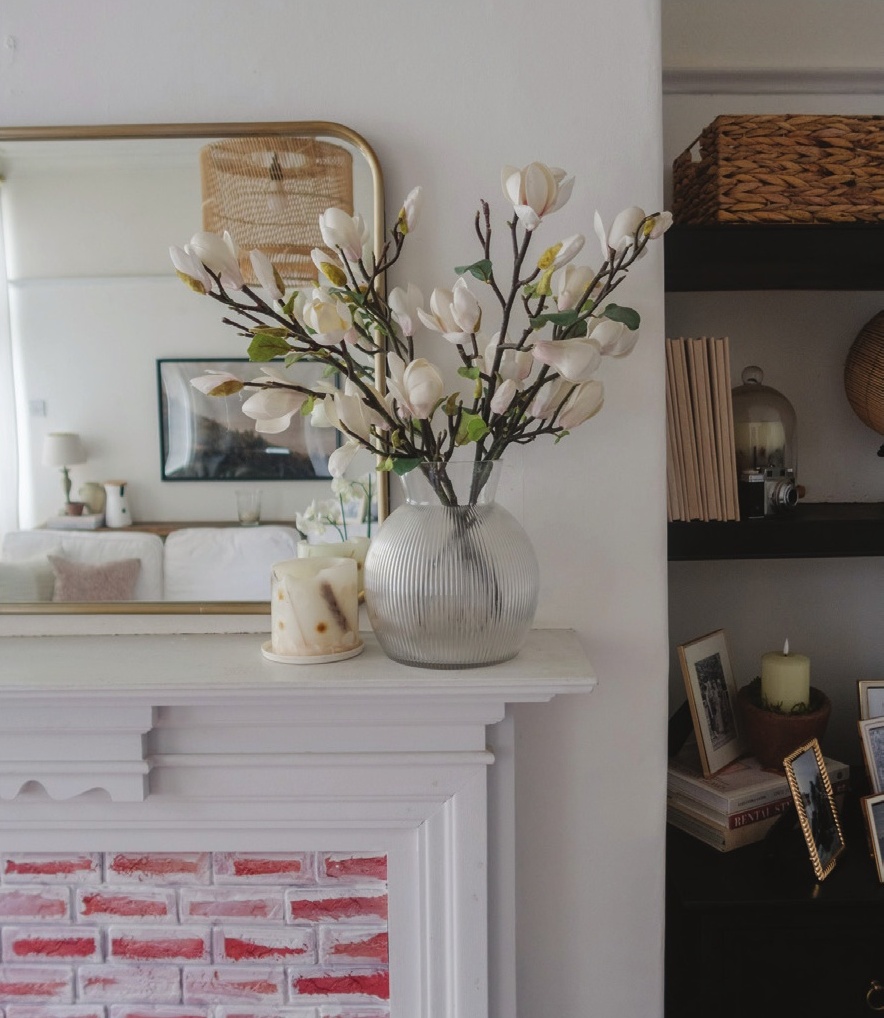
Photo courtesy of aneditedlifestyle.com
I magine, after all this time, after you have fluffed, tweaked, compared, and compromised, someone tells you your home’s interiors need not be flawless. How could that be? What about your Pinterest boards, your deep dives into trends, and that aunt you remember who had the uncompromising living room that you could only admire from afar?
The truth is that what we have come around to accepting that the living room is just that—a room we live in. Less about perfection and more about comfort, approaching your interiors from a lived-in perspective creates a home that is more welcoming, grounding, and supportive of everyday life. And by prioritizing comfort, authenticity, and warmth over a staged and sterile environment, you’ve created more opportunities for relaxation and personalization.
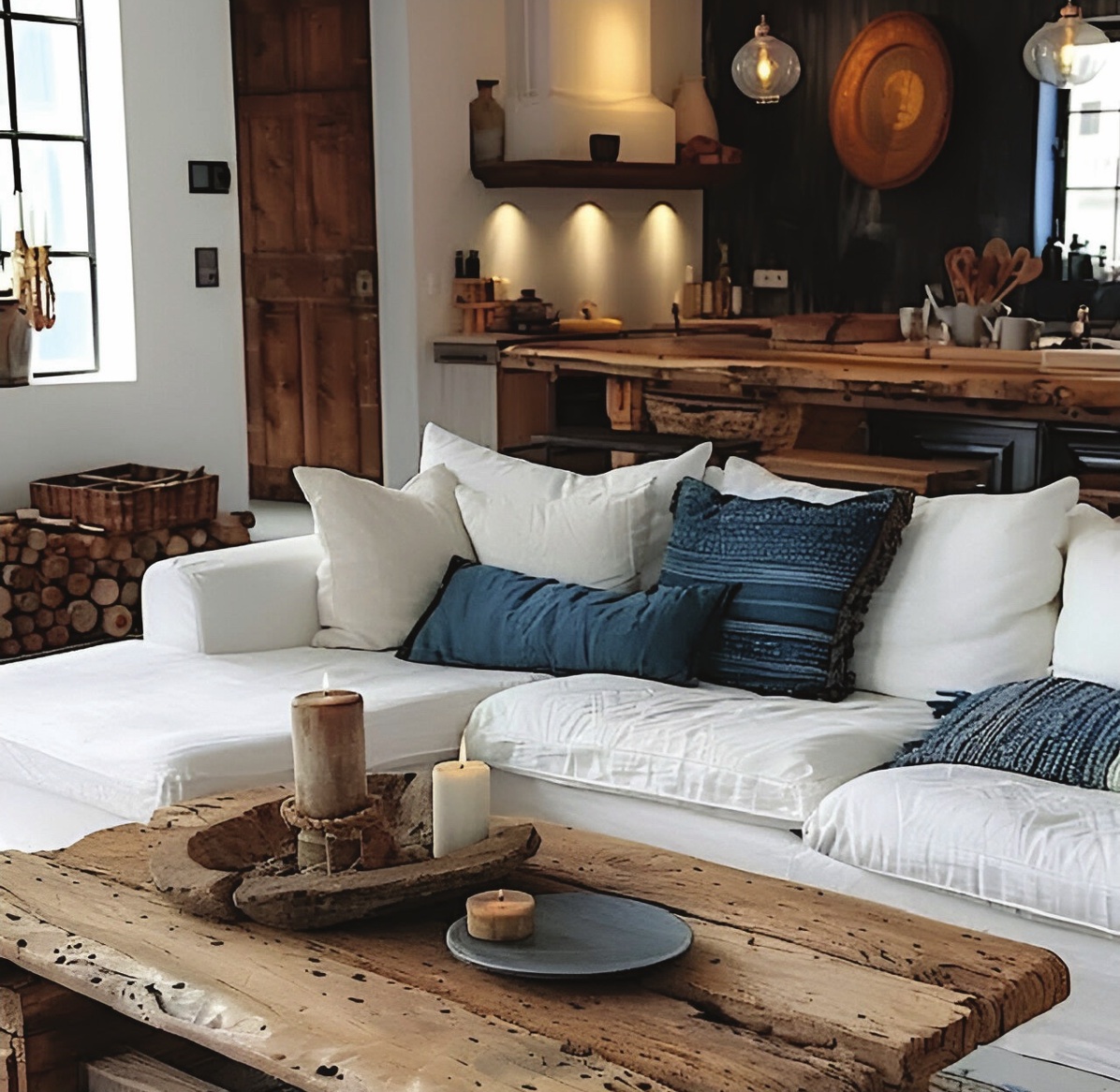
Photo courtesy of pinterest
LEAD WITH COMFORT
The lived-in look prioritizes spaces that feel inviting, soft, and comfortable rather than overly styled or never touched. Instead of a room that appears meticulously staged, this trend embraces imperfections such as cushions that aren’t just propped and left there, but ones that can actually be used as back buffers. Casually drape throws for winter movie nights and arrange the furniture for how you really need to use it, so the aesthetic is more about how the space feels as opposed to a room you’d see in a catalog. This may be disappointing to some social posters as it moves away from the “Instagram-ready” ideal that has dominated interior design for years. Instead, homeowners are choosing plush seating, deep sofas, layered rugs, worn-in fabrics, and warm lighting that naturally creates that warm, glow-y mode. The objective is to have the room feel like you can drop your bag, slip off your shoes, and sink into that feeling of being at home.

Photo courtesy of artiss.com
MIX IN LAYERED TEXTURES
This signature characteristic of this aesthetic is the blending of materials that feel tactile and gently-used. Think linen, wool, boucle, reclaimed wood, stoneware, and worn leather—all layered to create visual warmth and depth. The goal is for the room to look lived in, and this approach to textures helps evoke comfort and ease, so the space feels as though it has been curated rather than decorated. Area rugs with complementary textures and patterns, throw pillows varied in size and fabric, multiple light sources, and furniture from different eras creates a room that is adaptable—ages well, evolves over time, and doesn’t fall victim to quickly dated, packaged look.
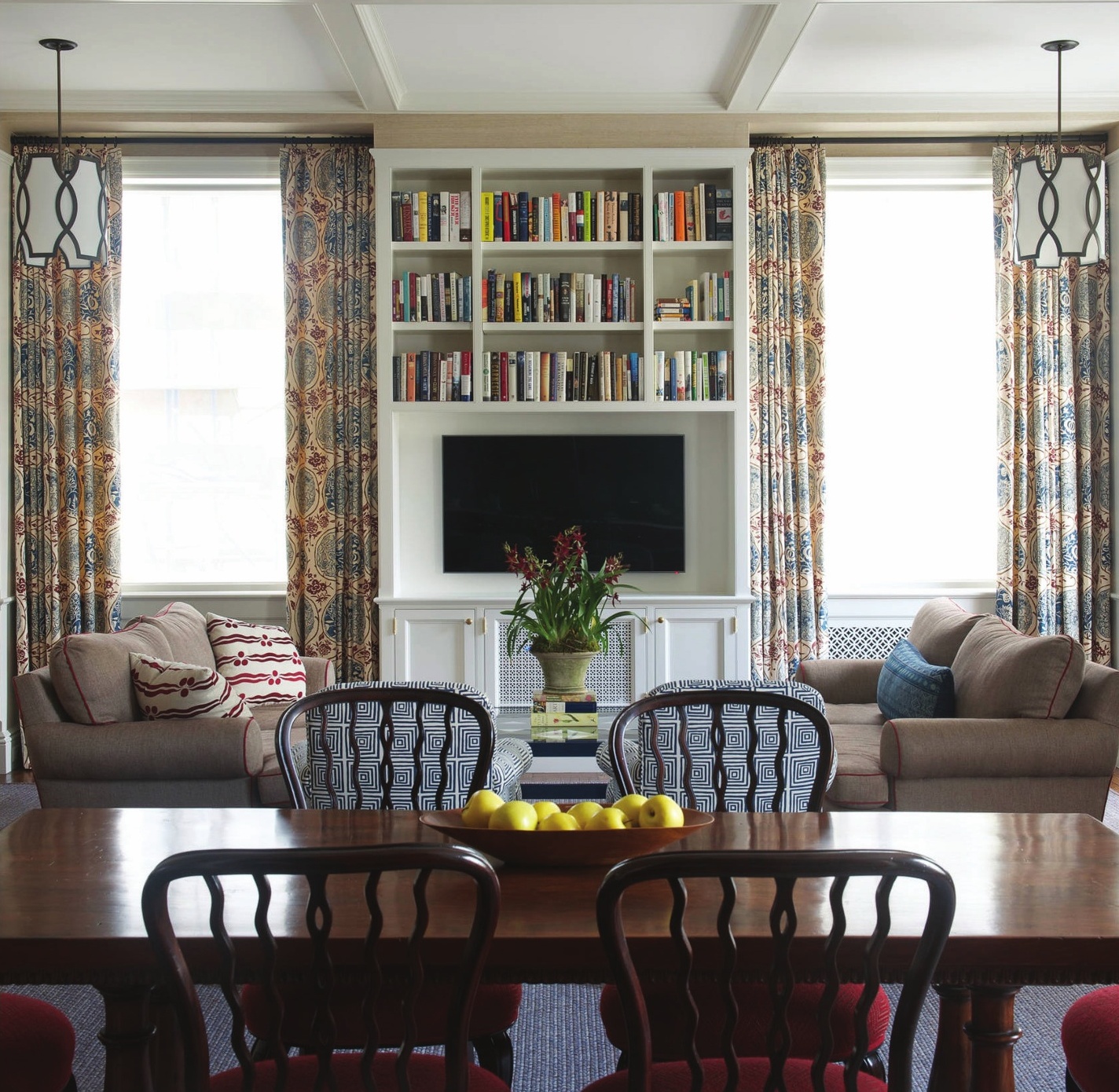
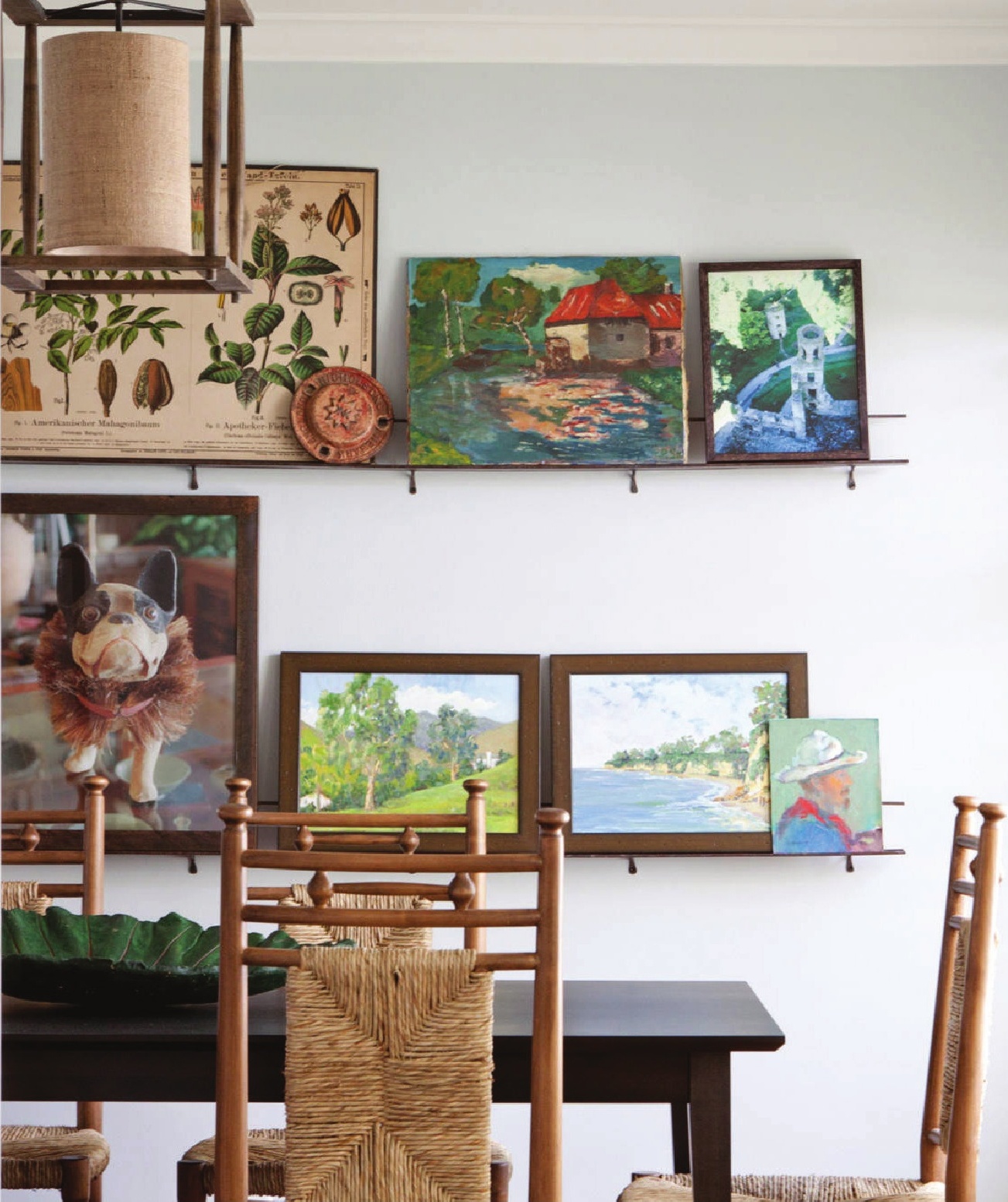
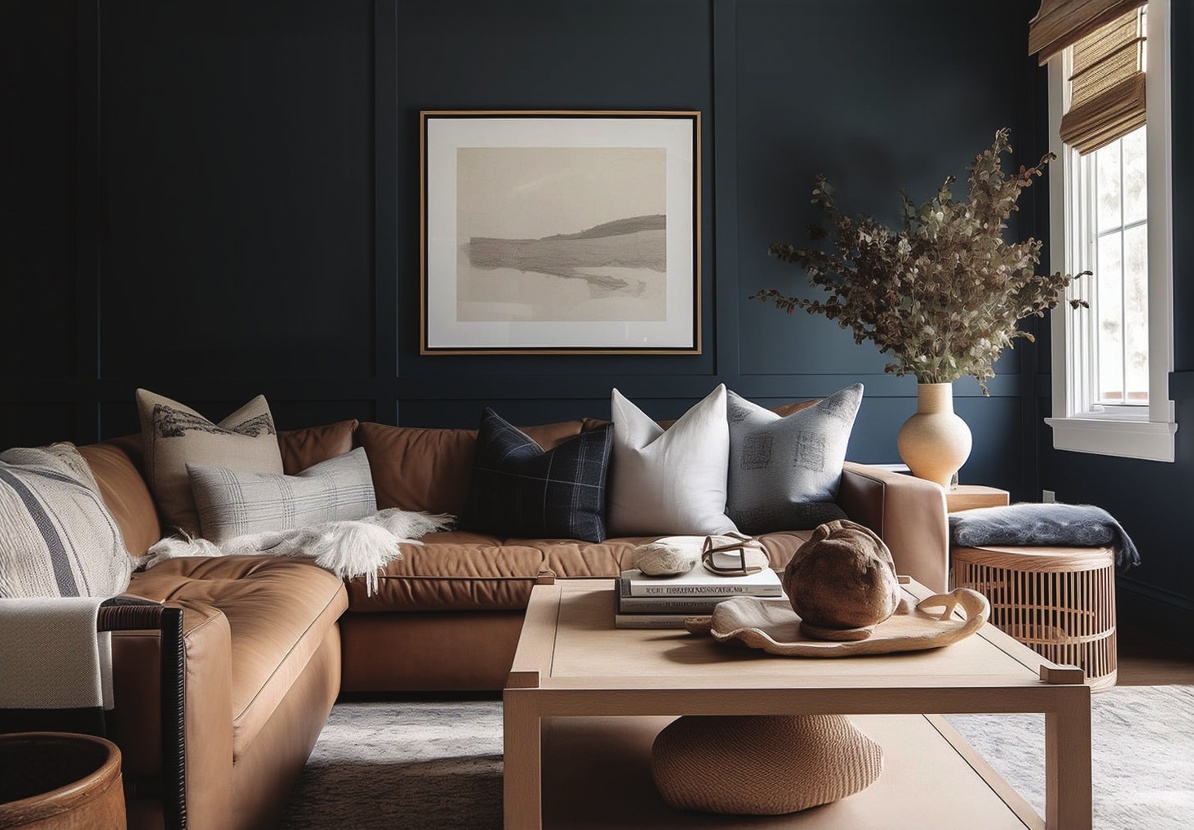
Photo courtesy of havenly.com
CREATE A LIVED-IN PALETTE
Inspire a warm, soft atmosphere with colors that feel grounding, soothing, and welcoming. A palette of soft neutrals, such as warm whites, gentle earth tones, muted greens, and natural browns counters frenetic energy and helps a room look cohesive even when it’s filled with personal items and layered textures. Because this is an understated palette, it allows you to incorporate your art, vintage finds, or colorful textiles without overwhelming your room. The result feels harmonious, cozy, and well-balanced. At its heart, lived-in design means your home tells your story, supports your wellbeing, and invites people in with its warmth.

HOME & GARDEN • GARDEN
Let Us Now Praise Herbs!
THEY MAY BE JUST WHAT YOUR GARDEN NEEDS

“Herbs are the friends of the physician and the pride of cooks,”
A ccording to Charlemagne, 1st Holy Roman Emperor but neither gardener nor chef. Those of us interested in herbs usually fall into one of two camps; those who cultivate herbs for their medicinal uses—curing headaches and soothing rashes, and those who find specific herbs indispensable for preparing their favorite dishes.
First, we’ll take a look at how herbs can grow comfortably in your flowerbeds or on your kitchen windowsill. We’ll consider the medicinal herbs, (1) how to grow them, (2) a few specific uses, and (3) hints for successful plantings. Then, we can look at the panoply of epicurean herbs, some of the most popular, a few exotics, and how to maintain a kitchen herb garden.


MEDICINAL HERBS
Every source I consulted cautions that infants, small children, and pregnant women should only ingest medicinal herbs under the guidance of qualified medical practitioners. Here are some of the most popular medicinal herbs for our Mid-Atlantic region. I’ll note just a few uses for each herb. If you’re interested, you can do further investigation.
Tumeric: from the ginger family, treats arthritis among other conditions.
Flax Seed: it’s called super-food for its ability to lower cholesterol and blood pressure.
Echinacea: (one of my favorites for its cheery flowers) it’s noted for boosting the immune system and for fighting the common cold.
Lavender: another favorite for both its medicinal and culinary uses. Lavender is used to help digestion, ease anxiety and depression, and provide aromatherapy.
Chamomile: an ancient resource dating back to the Egyptians. It’s most commonly brewed as tea and used as a sleep aid and for tummy aches.


COOKING HERBS
We all have our own favorites and specialty herbs for cooking, but it might be useful to review some of the most popular, just in case you’ve overlooked that herb of late. They all flourish in our climate.
Basil: popular in Italian cooking, it has a sweet, pungent taste.
Chives: both the common and garlic variety. They’re among my favorites in the garden; they ask very little of us, and have that wonderfully pungent scent in the garden and the kitchen.
Lemon Balm: the wonderful lemony scent emanates from the leaves and is popular both as a garnish and cooked with fish.
Mint: leaves are fragrant and used in tea and distilled as an essential oil, great in salads and drinks.
Oregano: so many of our favorite Italian and Greek recipes call for this hardy herb. It grows like a weed and easily spices any dish.
Parsley: here’s another easy-to-grow, versatile herb. It’s a common garnish and lovely in salad and sauces. I’m sure you have your own favorite uses for parsley.
Rosemary: this delicious herb has become a popular shrub or small bush often given as a gift. It’s fragrant and used in breads, soups, with lamb, and brewed as tea.
Thyme: a handy and hardy herb, easy to grow and harvest. Depending on the variety you plant, it has flavors including lemon, orange, and nutmeg.



The Crown Jewel of Chocolate. Prices vary. Arnaiz Chocolat at St Michaels, 111 S Talbot St, St Michaels, MD 21663, 443-400-7455, ArnaizChocolat.com

Denny Wong One-of-a-kind Tanzanite (1.7ct) & Pink Tanzanite (3.84ct) Heart Pendant, $3,300, TNT Jewelers, 28529 Marlboro Ave., Easton, MD 21601, 410-822-5398, 500 Abruzzi Drive, Chester, MD, 410-643-7655

Swan Cove Spa & Salon Gift Cards. We’ll help you relax, rejuvenate, and find a sense of health and well-being. Swan Cove Spa &Salon, 100 Piney Narrows Rd., Suite I, Chester, MD, swancovespa.com

Give the gift of glowy skin! Prices vary, Noude Aesthetics and Wellness; 2112 DiDonato Dr., Chester; 667-358-0815; @get.noude

HEALTH & BEAUTY • HEALTH
A Health Trend That’s Not Hard to Digest

L ow fat. Low carb. High protein. It’s hard to keep up with the dietary restrictions the latest fad diets are encouraging.
The next big nutrient you’re probably going to hear a lot about: fiber. In fact, Whole Foods Market predicted that supplemental fiber is going to be one of the big health trends of 2026. And when you hop on social media, you might see people talk about “fibermaxxing,” the practice of drastically upping your fiber intake, sometimes beyond recommended healthy levels.
While no dietitian is going to tell you to overdo it on fiber (that’s a fast way to get a stomachache), this is one health trend that is more than simple hype. Most people don’t get enough fiber, and increasing your intake could offer a range of health benefits from better weight management to improved cholesterol levels.
HOW MUCH?
How much fiber should you be getting? According to the National Academy of Medicine, you should aim for: Age 50 and younger: 38 grams for men and 25 grams for women. Older than 50: 30 grams for men and 21 grams for women. Harvard Medical School offers a simpler suggestion—aim for 14 grams of fiber per 1,000 calories you eat. So, if you’re eating a 2,500-calorie diet, aim for 35 grams of fiber.
WHY?
Fiber is found mainly in plant foods—think vegetables, fruit, grains, nuts, seeds, and beans. It’s the part of the plant that our body can’t break down, so it goes through the stomach and intestines undigested. Because of this, fiber can…Help us feel full (and keep us feeling full for longer), Prevent blood sugar spikes for more consistent energy, Stop our bodies from absorbing cholesterol, Improve digestion and prevent constipation If you want to get specific, there are two types of fiber. Soluble fiber absorbs water and becomes a thick gel that moves slowly through the digestive tract; insoluble fiber doesn’t dissolve in water, so it adds bulk to the waste that remains after the body digests food, making it easier to pass.
BOOSTING YOUR INTAKE
If you think your diet is lacking, here are some ways you can meet your fiber count: Make half your grains whole. Whole grains—like brown rice, oatmeal, and whole-wheat bread—contain the kernel of the grain, which is the fibrous part. You can still have refined grains in moderation, but aim to get their whole versions when you can. Be smart about snacks. Foods like popcorn, hummus, carrot sticks, apple slices, and nuts are easy nutritious options that will add to your daily fiber intake. Choose whole fruit instead of juice or jellies. Processing strips the fibrous part out of the fruit. A glass of juice has all the vitamins you would get from a piece of fruit, but without any of fiber you would have in the whole fruit, it’s not going to fill you up. You’ll be left still hungry (and probably with a sugar crash coming your way).
Add veggies and beans to your favorite dishes. When you’re making your favorite meal, think about a fiber-rich addition to it. Toss some spinach in your morning omelet, stir some steamed veggies into your favorite pasta, or add beans to a casserole. Remember not to overdo it. You don’t want to be “fibermaxxing,” no matter how trendy it sounds. Too much fiber can leave you bloated and gassy, especially if you increase your intake too quickly. It can also leave you nutrient deficient if too much food is passing through you undigested. Be sure to stay hydrated, as fiber absorbs water, so too much fiber with too little water can cause dehydration and constipation.
HEALTH & BEAUTY • BEAUTY
Positivity & Procedures
COSMETIC PROCEDURES DON’T MEAN YOU DISLIKE YOURSELF

W hen it comes to self-image, perhaps two ideas can coexist. Can you love yourself the way you are, but you still want to change some parts of your appearance? An increasingly nuanced understanding of cosmetic surgery in the era of body positivity says yes.
Body positivity refers to the idea of feeling positive about your appearance, flaws and all.
Cosmetic surgery often seeks to correct perceived flaws—which is why there’s often been a stigma that these procedures are about vanity, superficiality, and meeting unrealistic beauty standards. As the American Society of Plastic Surgeons (ASPS) acknowledges, even with growing acceptance of plastic surgery, there are still questions about how good it is for a person’s mental health.
But ASPS points to growing research that says, yes, cosmetic and reconstructive surgery can improve mental wellness, boost confidence, and lead people to live more fulfilling lives. ▼
HEALTH & BEAUTY • HEALTH
Love Connections
BOOSTING HEALTHY RELATIONSHIPS (AND AVOIDING UNHEALTHY ONES)

M ost of us want and seek connection—with friends, with family, with romantic partners. Having relationships with others feels good. And there’s a reason for that: It’s because relationships are healthy for us, physically and mentally. But fostering and maintaining healthy relationships isn’t always intuitive or easy. What’s worse, an unhealthy relationship can be as bad for us as a healthy relationship is good.
So, how do we recognize healthy relationships? It might be easier than you think, according to Elisabeth LaMotte, a D.C.-based member of the American Association of Marriage and Family Therapy. “One simple way to assess the health of any relationship is to notice how you feel around the person,” she says.“Do you like who you are in their presence? Can you show up as your best self, and is there room for that version of you with them?” LaMotte explains that this matters especially in romantic partnerships because people tend to be most vulnerable with their partners, and partners receive a significant portion of a person’s emotional energy. But the same principles apply to friendships. “Shared values and a sense of emotional safety are also strong indicators of a healthy connection,” she says.
And it’s not just extroverts. Sure, some people who are more introverted might enjoy their alone time, but that doesn’t exempt them from the need for relationships, as Sandra Wartski, Psy.D., licensed psychologist, points out. “Humans are social beings, and the importance of having some sort of regular connection with other humans has been supported repeatedly through sociological research,” she says. “We know that extraverts ‘fill their battery’ through social contact, but even individuals who might be considered more introverted or private can benefit from the healing properties of social connection.”

DON’T MISTAKE CONFLICT FOR A BAD THING
If you experience some kind of conflict with your friends or romantic partner, that’s a bad sign—right? Not necessarily. In fact, conflict could actually be a sign of a healthy relationship, as long as you respond to it properly.
“Conflict is not only inevitable in intimate partnerships—it’s also healthy,” LaMotte says. “Two people will always bring different histories, preferences, and perspectives, and they won’t naturally align all the time. Being engaged enough to disagree is actually a sign of investment. What matters is how partners manage conflict and how they repair afterward.”
She explains that a real, intimate relationship comes from seeing another person’s flaws and being comfortable enough to express a want for change. In turn, this requires people to listen, take responsibility, and return to connection, all of which will deepen trust and resilience.
Conflict usually means you’ve gotten something out of you—and that’s healthier than the stress of carrying negativity around with you. Avoiding conflict? That usually sets you up for resentment, which isn’t healthy, Silverstein says. “Resentment increases your risk of ulcers, heart disease, and stroke, and high conflict relationships lead to increased blood pressure, inflammation, and chronic stress and anxiety,” she explains.
Some ways to make healthy conflict work in your favor, according to the nonprofit group Mental Health America, include: Acknowledging the part you played in a problem and taking responsibility for it. Engaging in specific requests instead of overgeneralized statements. Asking for quality time with a partner is better than saying you never spend enough time together. Demonstrate empathy and grace for others by recognizing their side of the situation. Their actions that might have hurt you could make perfect sense from their perspective. Remember a person’s good qualities and focus on those instead of the qualities that are affecting you negatively.
HEALTH & BEAUTY • NUTRITION
Sugar vs. Sugar vs. Sugar?
WHAT’S THE DIFFERENCE BETWEEN ALL THESE TYPES OF SUGAR?

S ugar has a not-so-sweet reputation, and for good reason: Research links diets high in added sugar to an increased risk of many diseases, including obesity, type 2 diabetes, cancer, and heart disease.
But note that this refers to added sugar. Many healthy, nutrient-dense foods are sources of sugar—and that sugar gives you energy. And if you’re making an effort to avoid added sugar, it might be lurking in your diet in different forms or in different names. So, it’s important to sift through the grains and get down to the gritty truth about sugar.
BREAKING IT DOWN…
All kinds of foods naturally contain sugar molecules—these might be the molecules fructose, sucrose, and glucose found in fruits and vegetables, lactose found in dairy, or maltose found in grains. Carbohydrates, including these different types of sugar molecules, are converted to glucose during the digestive process. That glucose is absorbed into your bloodstream, and then your cells absorb it from your blood to use it for energy to function.
Because these natural sugars come from whole, unprocessed foods, they’re digested alongside other nutrients, such as fiber, vitamins, minerals, and sometimes even fats and proteins. But when you consume added sugars—that is, a sugar product added to a food to improve its taste—you’re getting extra energy but not much else in terms of nutritional benefit.
Added sugars come in many forms, but health experts, such as those with the Mayo Clinic or Johns Hopkins Medical Center, explain it’s a misconception that some added sugars are healthier than others. For example, common table sugar is equal parts glucose and fructose, whereas high-fructose corn syrup has slightly more fructose and glucose, and agave nectar is nearly all fructose with only a little bit of glucose. While glucose and fructose follow different metabolic pathways, health experts emphasize that in normal amounts, different added sugars have similar effects on health overall—what matters most is total added sugar intake.
SUGAR BY ANY OTHER NAME (WOULD TASTE AS SWEET)
Consider some of the common forms of added sugar. You might have heard some of them are “healthier” than others, but they all digest the same way: Table sugar, Honey, Maple syrup, Agave nectar, High-fructose corn syrup
What to know about them: All forms of sugar yield about 4 calories per gram, and although some of them (such as honey and maple syrup) have trace amounts of antioxidants, these nutritional benefits are negligible. The quantity of added sugar matters far more than the form of sugar you’re consuming: The American Heart Association recommends no more than 36 grams of added sugar per day for men and no more than 25 grams per day for women. The World Health Organization recommends less than 10 percent of your daily calories should come from added sugar.
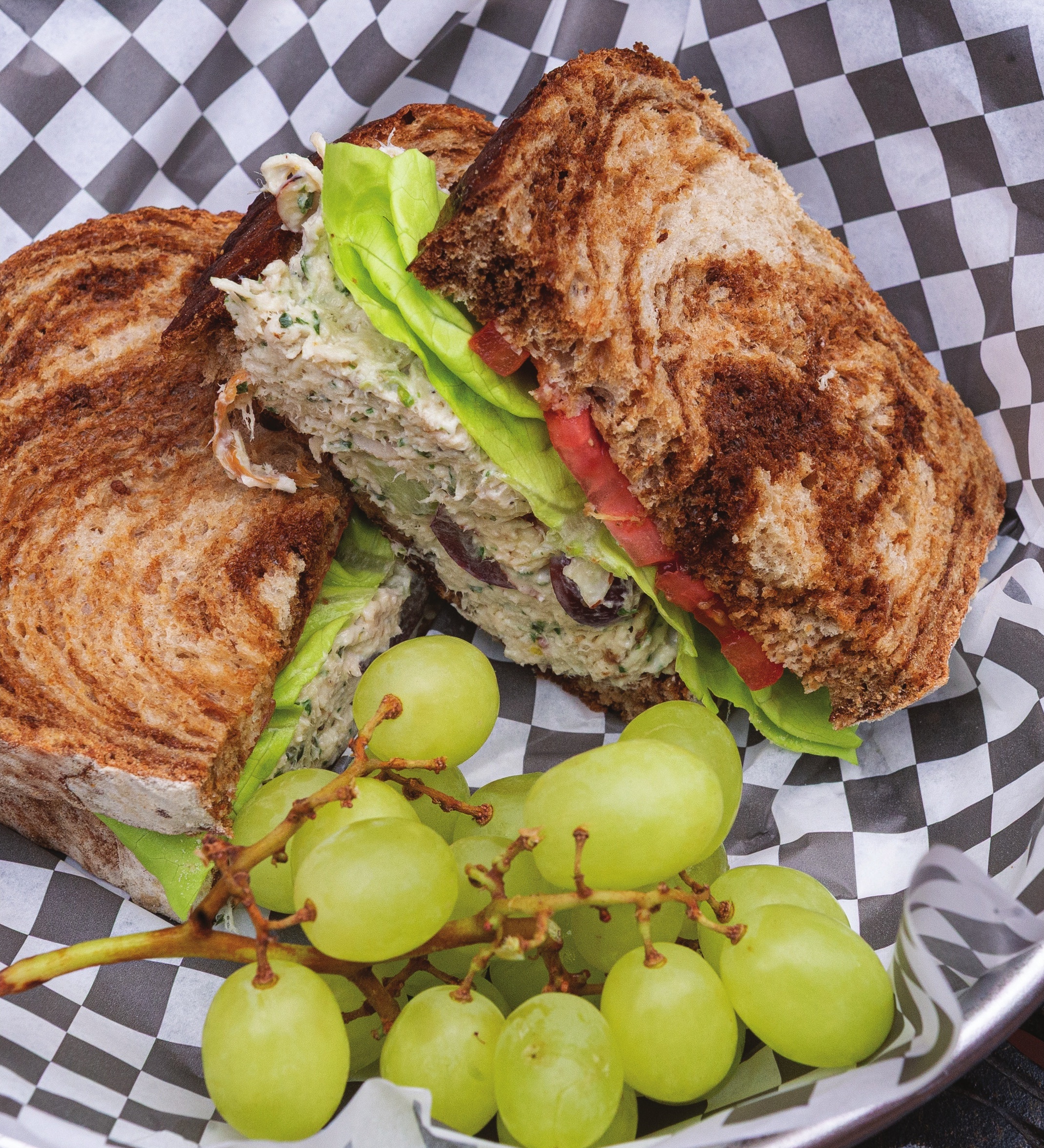
FOOD & DINING • REVIEW
Simply Charming
P rimarily open 11 a.m. to 2 p.m. daily, The IVY café in the heart of Easton is a fun discovery for some midday respite, casual dining, and friendly faces. I highly recommend you take this open-for-lunch opportunity to visit the café. Indeed, one visit is likely all you’ll need to become hooked as a repeat diner.
The origins of The IVY grew from local restauranteur Jenn McCrea’s boutique juicing and breakfast/lunch operation at Hill’s Café & Juice Bar (site of the original Hill’s Drug Store) circa 2011 onward. When the Covid pandemic hit in 2020 and operations halted Hill’s and other Easton businesses, several commercial properties that housed them were bought and sold. Many tenants, like McCrea, would be forced out. Shuttered by the sale of the Hill’s property, McCrea pondered her next move. But by late 2021, the opportunity to take over the courtyard and adjacent interior space at 12 & 14 Dover Street crystallized (former site of Krave and, long before that, the Fiddle Leaf Café). For McCrea, the pieces fell into place to create a new dining experience—one built upon her 30-plus years operating within the local restaurant scene. The IVY was born.
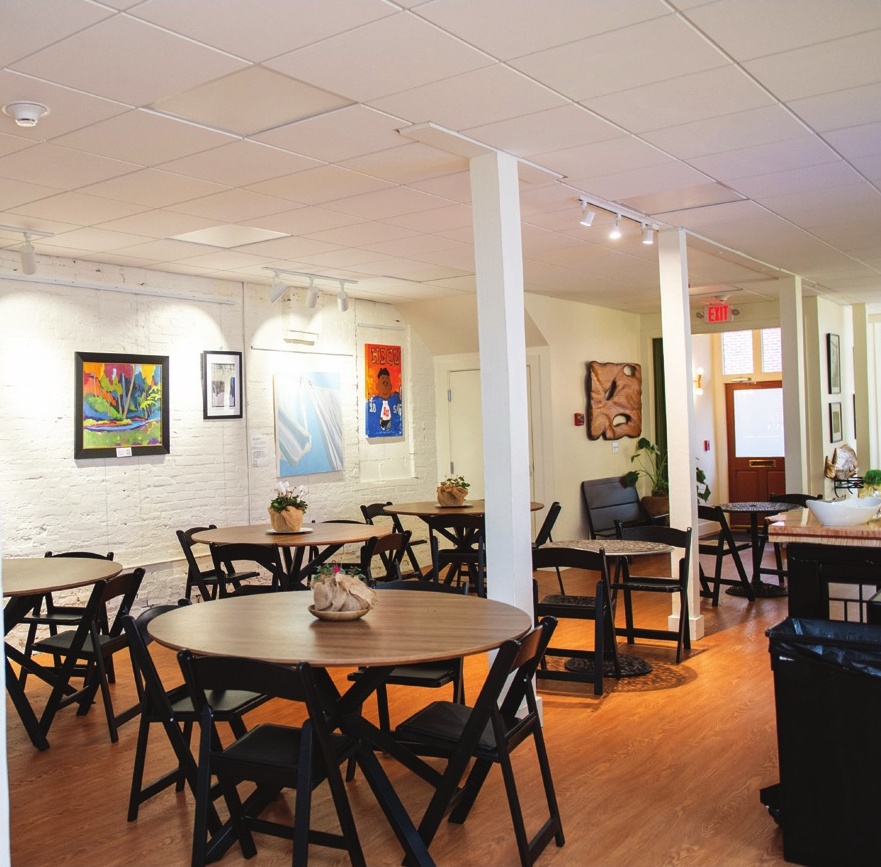
Now, at about four years in, the café and its catering business have grown a loyal following. My recent visit was a charming experience that’s earned McCrea and company another appreciative customer.
Popping in via the courtyard entrance that’s tucked off Dover Street, I was greeted and seated by staff. Let the lunching begin. It being a mild late-fall day, the outdoor courtyard was a safe bet for a relaxing foray into The IVY experience (it’s also dog-friendly). If the weather isn’t so nice, there’s a number of tables within the main dining room. Outdoors, you have boxwoods, trees, and, yes, ivy framing the brick hardscape. Indoors, local artwork adorns the walls. The entirety feels hyper-local, cute, and cozy.

For food and drinks, I wanted to sample some of The IVY’s best. I feel like the café came through. And, honestly, some of the best dishes are also the simplest. The IVY procures local and fresh ingredients and whips them into straightforward, delicious dishes. Take, for example, the Roasted Beet & Goat Cheese Salad. A superb selection with its namesake beets ’n cheese, plus candied walnuts, mandarin oranges, cucumbers, carrots, and a balsamic vinaigrette to pep it all up. It’s unpretentious; rather, it’s simply yummy. A balance of popping sweet citrus, those earthy/sugary beets, and, if you get a forkful just right… the crackle of the candied nuts mixed with tart, creamy goat cheese.

THE IVY CAFÉ. CATERING.
Moving along, I sank teeth into the Tarragon Chicken Salad sandwich on marbled rye. Yes! Super tasty with fistfuls of chicken salad packed between the delectable, firm bread with slices of tomato and bib lettuce. The tarragon shines in the mayo-based concoction, obviously, while sweet grapes, celery morsels, and almond slices elevate this homemade version to a must-try staple.
Between salads and sandwiches, the menu is chock full of tempting variations—more than enough to become an IVY regular and never tire of options. I counted upwards of nine or 10 cold sammies, the same number of hot counterparts, and, of salads, also nine. Greek, Buffalo, Cobb, Rueben, Rachel, and Pittsburgh-style are but a few namesakes you’ll find throughout the menu.
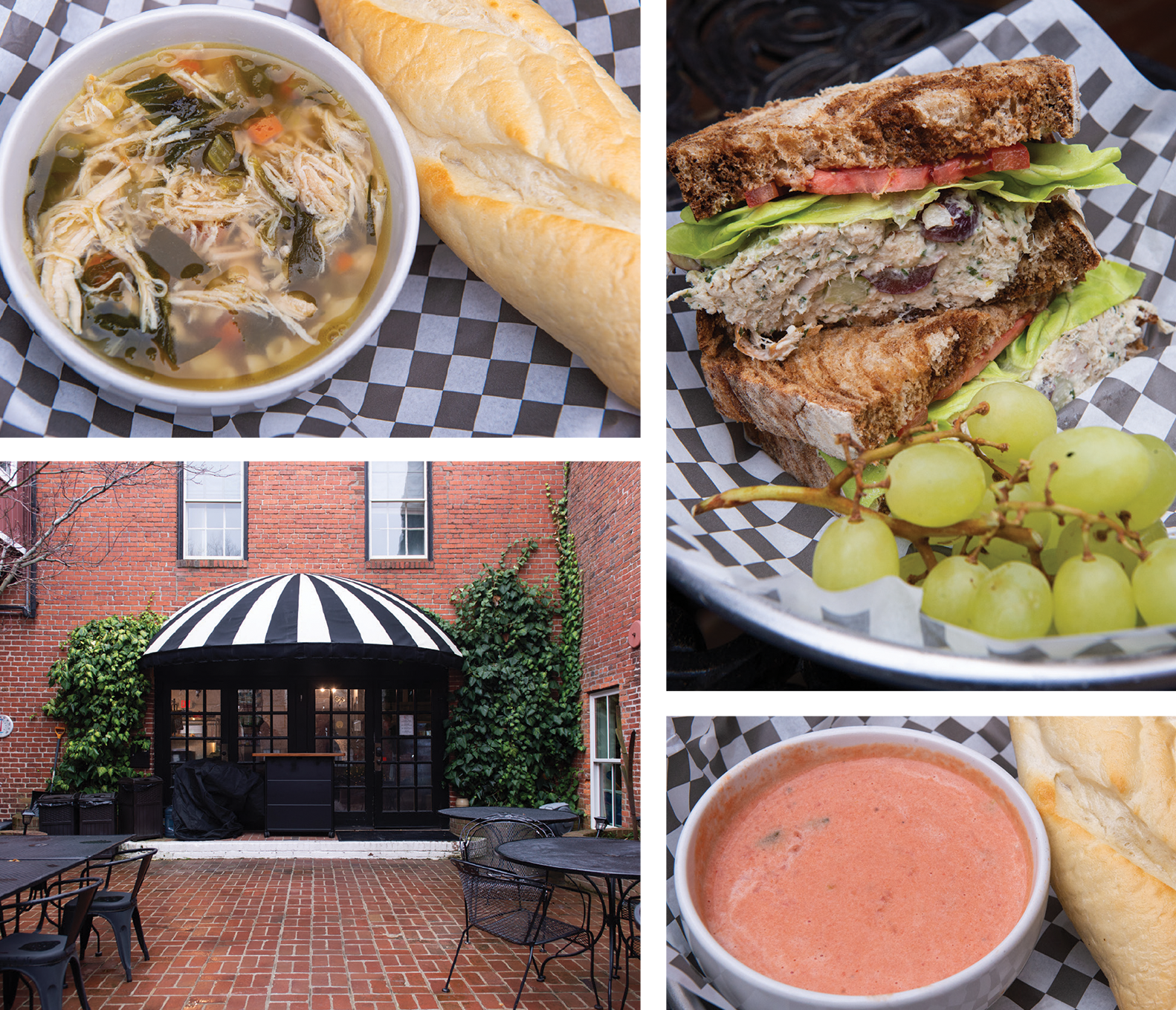
You can take it from me…The IVY is worth your time, money, and hunger. Or don’t take it from me. Check out the reviews on Google (almost all five stars), which include several superlative shoutouts for The IVY’s homemade soups. Though I didn’t slurp a bowl of their daily best on this visit, I’ll be certain to next round (the tomato bisque served with a fresh baguette looked ahh-mazing). And note that, in addition to a fine list of tame drinks like teas (my choice), sodas, and sparkling waters, The IVY has its liquor license and, thus, serves a reputable mix of cocktails, a few wines, and several beers. All of this to say…settle in for a midday meal at The IVY, where comfort meets local camaraderie and fine food.

FOOD & DINING • GUIDE

Readers’ Dining Guide
Welcome to your regional dining. We include many restaurants for many tastes and experiences. Don’t see your favorite on the list? Email editor@whatsupmag.com and let us know! And for the full guide, visit whatsupmag.com.
Queen Anne’s County
18Twenty
Amalfi Coast Italian & Wine Bar
Bark Barbecue Café
Bay Shore Steam Pot
Big Bats Café
The Big Owl Tiki Bar and Grill
Bridges Restaurant
Café Sado
Cult Classic Brewing
Doc’s Riverside Grille
Dock House Restaurant
Fisherman’s Crab Deck
Fisherman’s Inn
Frix’s Fire Grill
Harris Crab House and Seafood Restaurant
The Jetty Dock Bar and Restaurant
Libbey’s Coastal Kitchen and Bar
Love Point Deli
Kent Point Marina, Bait House and Seafood
The Kentmorr Beach Bar and Grill
Knoxie’s Table
Mamma Mia Italian Bistro and Sports Bar
The Market Gourmet Cafe
Mr. B’s Seafood Market
The Narrows Restaurant
Phat Daddy’s BBQ
Pour House Pub
Rams Head Shore House
Red Eye’s Dock Bar
Rolph’s Wharf: The Sandbar
Señor Chile
Stevensville Crab Shack
Yo Java Bowl Café
Talbot County
Anthony’s Italian Restaurant
Ava’s Pizzeria & Wine Bar
Bas Rouge
Bistro St. Michaels
Blu Miles Seafood and Grill
The Blue Crab
Bombay Tadka
Café 401
Capsize
Carpenter Street Saloon
The Coffee Trappe
Corah’s Corner
Crab Claw Restaurant
Doc’s Downtown Grille
Doc’s Sunset Grille
Eat Sprout
Eat Sprout
The Fool’s Lantern and Taproom
Foxy’s Harbor Grille
The Galley
Gina’s Café
Hot Off the Coals BBQ
Hunter’s Tavern
Limoncello Italian Restaurant & Wine Bar
Lowe’s Wharf
Momma Maria’s Mediterranean Bistro and Bar
Osteria Alfredo
Out of the Fire
Pho Van Restaurant
Piazza Italian Market
Ruse
San Miguels
Scossa Restaurant and Lounge
Sugar Buns Cafe
Sunflowers and Greens
T at the General Store
Talbot St. Tavern
Theo’s Steak, Sides, and Spirits
Tickler’s Crab Shack and Restaurant
Tiger Lily
Tilghman Dining at The Tilghman Island Inn
Two if by Sea
Kent County
Blue Bird Tavern
Blue Heron Oyster House and Inn
Café Sado
Chester River Seafood
Deep Blue at Kitty Knight
Dockside Café on Rock Hall Harbor
Fish Whistle
Flying Decoy Bar + Grill
Ford’s Seafood Inc
Harbor Shack
Java Rock
The Jefas Mexican Grill
The Kitchen at the Imperial
Luisa’s Cucina Italiana
Modern Stone Age Kitchen
Muskrat Alley Café
Osprey Point
The Retriever Bar and Oysters
The Shanty Bar
Watershed Alley
Dorchester County
Ava’s Pizzeria & Wine Bar
Bay Country Bakery
Blackwater Bakery
Blue Point Provision Company
Blue Ruin
Bombay Social
Carol’s Kitchen
Emily’s Produce
2214 Church Creek Road, Cambridge; 443-521-0789; emilysproduce.com $$ ● Market and Lunch, Beer, Wine and Mead
Lil’ Bitta Bull
The Neck District Grill
1042 Hudson Road, Cambridge; 410;228-3052; Facebook $ ●
New York Style Deli & Pizza
Ocean Odyssey and Crab House
Old Salty’s
Paul’s Pub
Portside Seafood Restaurant
RAR Brewing
Suicide Bridge Restaurant
Vintage 414
Caroline County
Bullock’s Deli, Grill, and Ice Cream
Caroline’s
Craft Bakery and Café
Denton Diner
Earth Tones Café
Market Street Public House
Ridgely Pizza and Pasta
Shore Gourmet





CONTENTS
Done